Gymnema sylvestre vs berberine: which wins for blood sugar?
Gymnema sylvestre vs berberine: a head-to-head comparison of two blood sugar supplements backed by clinical trials. Which one works better for your goals?
Two supplements. Same stated goal. Very different mechanisms. And a 2024 randomized clinical trial that finally pits them head-to-head.
Gymnema sylvestre and berberine are both legitimate picks for blood sugar management. Both have real clinical evidence. Both have centuries of traditional use behind them. But they work through almost completely different pathways, they excel in different areas, and picking between them isn't as simple as checking Amazon reviews.
This comparison covers everything: how each compound works at the molecular level, what the research actually shows, where each one outperforms the other, side effects, dosing, and when the right answer is to combine them. By the end, you'll know which one belongs in your protocol, or whether you need both.
What is gymnema sylvestre?
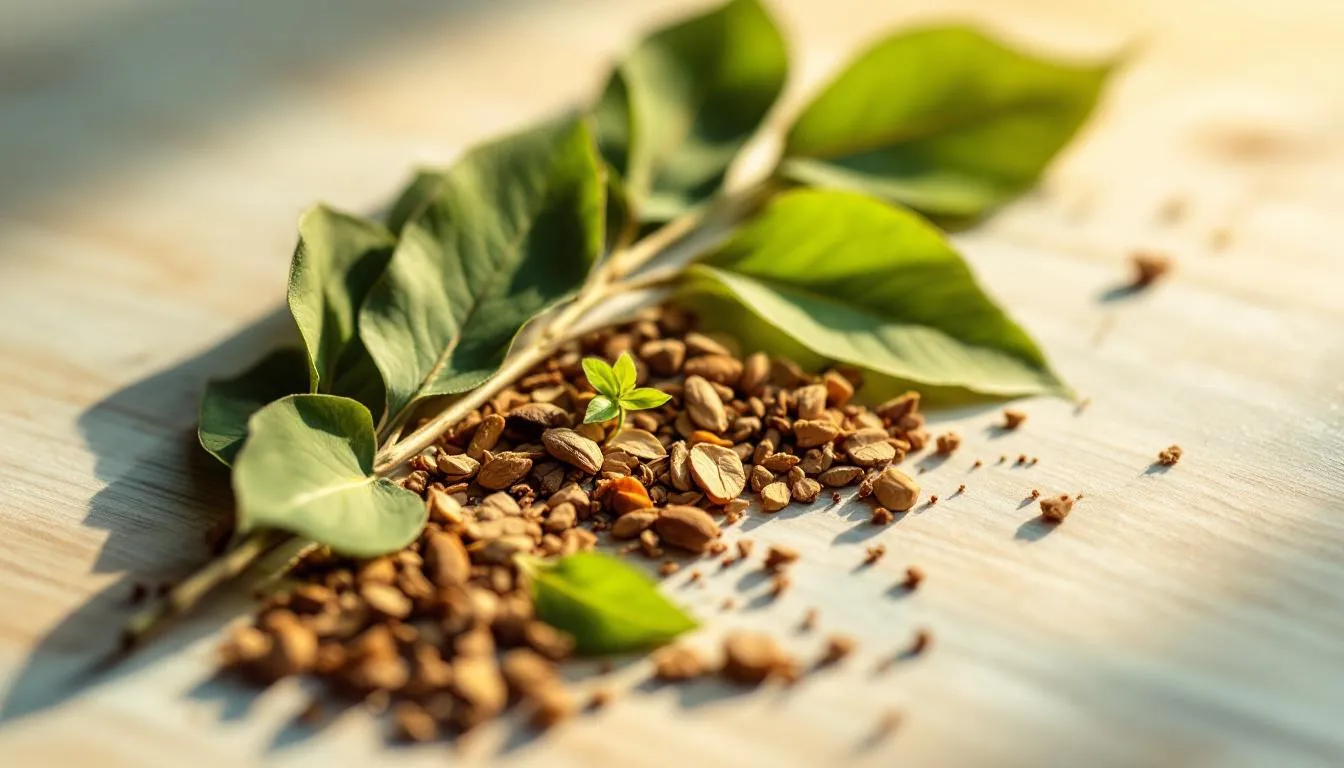
Gymnema sylvestre is a woody climbing vine native to the tropical forests of India, Africa, and Australia. In Ayurvedic medicine, it's been used for close to 2,000 years under the Hindi name "gurmar," which translates to "destroyer of sugar." That name is literal. Chew a gymnema leaf and you'll temporarily lose your ability to taste sweetness. It's not a placebo effect. It's a real, pharmacological receptor blockade.
The active compounds are triterpenoid saponins called gymnemic acids. When gymnema extract makes contact with your taste buds, gymnemic acids bind to the T1R2/T1R3 sweet taste receptor complex, physically blocking glucose and other sweet molecules from activating the receptor. The effect lasts 15 to 60 minutes. Structurally, gymnemic acids are similar enough to glucose to dock at the receptor, but different enough to not trigger the sweet signal.
But the taste-blocking is just the most dramatic effect. The real metabolic work happens inside.
How gymnema works in the body
Intestinal glucose absorption block. Once swallowed, gymnemic acids interact with SGLT1, the sodium-dependent glucose transporter that shuttles glucose from your gut into your bloodstream. This reduces how efficiently glucose moves from a meal into circulation, blunting the postprandial blood sugar spike after eating. The mechanism is conceptually similar to how prescription SGLT2 inhibitors like empagliflozin work, though gymnema targets the intestinal transporter rather than the kidney one.
Beta cell regeneration. This is gymnema's most remarkable and most debated claimed benefit. Animal studies dating back to 1990 showed gymnema extracts could double islet cell number and beta cell count in diabetic rats. More recent research published in 2019 showed that specific gymnema extracts protected pancreatic MIN6 cells from cytokine-induced apoptosis (the immune attacks that destroy beta cells in type 1 and late-stage type 2 diabetes) and maintained insulin gene transcription. The compound conduritol A has been specifically credited with this activity. Human data on beta cell regeneration is limited. But the animal evidence is compelling enough that researchers take it seriously.
Behavioral sugar craving reduction. The taste-blocking mechanism gives gymnema a behavioral advantage that no other blood sugar supplement can replicate. When sweets don't taste sweet, you tend to eat fewer of them. This isn't just psychology. It's a receptor-level intervention that reduces sweet calorie intake at the source. For people whose biggest metabolic problem is overconsumption of sugar, this is genuinely useful.
What the clinical research shows on gymnema
A 2021 systematic review and meta-analysis of 10 clinical studies with 419 participants found that gymnema supplementation significantly reduces HbA1c (standardized mean difference of -3.91%, p < 0.0001) and fasting blood glucose. That's a meaningful result for a plant extract.
Individual studies using 400 mg twice daily of standardized extract (25% gymnemic acids) have shown HbA1c reductions of 0.5-0.6% over 3 months in patients with mild to moderate glycemic impairment. A 2024 randomized double-blind placebo-controlled trial confirmed significant improvements in both fasting glucose and HbA1c with minimal side effects in subjects with mildly impaired fasting glucose.
The evidence base is solid. Not as deep as berberine's, but solid.
What is berberine?
Berberine is an isoquinoline alkaloid extracted from the roots and bark of several plants, most notably barberry (Berberis vulgaris), goldenseal (Hydrastis canadensis), and Chinese goldthread (Coptis chinensis). It's been used in Traditional Chinese Medicine for over 3,000 years and has one of the most researched profiles of any natural compound that isn't a pharmaceutical.
The compound has a distinctive bright yellow color, which is why berberine-containing plants were historically used as dyes. Its more important property is molecular: berberine is a single defined alkaloid molecule (C20H18NO4+) that can be precisely extracted, standardized, and dosed, which makes clinical research on it more rigorous than research on gymnema's more complex saponin mixture.
WinAging's comprehensive berberine guide covers the full evidence base. But for this comparison, the mechanisms are what matter most.
How berberine works in the body
AMPK activation. Berberine's primary mechanism is activation of AMP-activated protein kinase, the enzyme sometimes called the "metabolic master switch." It does this by partially inhibiting complex I of the mitochondrial electron transport chain, which raises the AMP/ATP ratio, which then triggers AMPK. Activated AMPK mimics the metabolic effects of exercise and caloric restriction. It enhances fatty acid oxidation, reduces the liver's glucose output, and improves insulin sensitivity throughout the body.
This AMPK activation also connects berberine to longevity research in a way gymnema doesn't. AMPK is one of the most validated pathways for extending lifespan in animal models, linking to mTOR inhibition, mitochondrial biogenesis, and autophagy. If you're building a longevity protocol, berberine touches mechanisms that go well beyond blood sugar. WinAging's AI protocol builder factors in AMPK activation when designing personalized longevity stacks.
GLUT4 upregulation. Berberine promotes expression and surface translocation of GLUT4, the glucose transporter in skeletal muscle and fat cells. More GLUT4 on cell surfaces means muscles can absorb glucose from the bloodstream without requiring insulin signaling. This creates insulin-independent glucose disposal, which is particularly valuable for people with insulin resistance where the insulin-signaling pathway is compromised.
Gut microbiome remodeling. This is one of berberine's most interesting properties, and it's directly tied to berberine's famously poor bioavailability. Less than 1% of an oral dose of standard berberine HCl makes it into systemic circulation. The rest stays in the gut and interacts directly with gut bacteria. Research shows berberine significantly increases populations of Akkermansia muciniphila (strongly associated with improved metabolic health and longevity), Lactobacillus species, and short-chain fatty acid-producing bacteria. These microbiome changes independently improve insulin sensitivity and reduce systemic inflammation.
Hepatic glucose suppression. Berberine reduces gluconeogenesis in the liver (the process where the liver manufactures new glucose from amino acids and glycerol), which is why it strongly reduces fasting blood glucose. This hepatic effect is one reason berberine gets compared to metformin, which works partly through the same mechanism.
What the clinical research shows on berberine
Berberine's evidence base is unusually strong for a natural compound.
The landmark 2008 clinical trial showed berberine at 500 mg three times daily reduced HbA1c from 9.5% to 7.5% (a full 2 percentage point reduction), fasting blood glucose from 10.6 to 6.9 mmol/L, and postprandial blood glucose from 19.8 to 11.1 mmol/L. The researchers concluded the results were "comparable to metformin."
A direct head-to-head with metformin in newly diagnosed prediabetics showed HbA1c decreased 0.31% in the berberine group versus 0.28% in the metformin group. The between-group difference was statistically significant (p = 0.04) in berberine's favor. Berberine also produced fewer gastrointestinal adverse events in that trial.
A 2023 umbrella meta-analysis confirmed berberine significantly reduces fasting blood glucose, HbA1c, HOMA-IR (insulin resistance index), insulin levels, and inflammatory markers including IL-6, TNF-α, and CRP. The same 2008 trial found berberine reduced triglycerides by 35.9% and total cholesterol by 18%. Subsequent research has positioned berberine as comparable to statins for lipid control in some comparisons.
That's rare for a supplement.
For a look at what that evidence means practically for choosing a form, berberine HCl vs berberine phytosome breaks down the trade-offs between standard and enhanced bioavailability formulations.
Head-to-head: what the 2024 direct comparison found
The most relevant piece of research for this comparison is a 2024 Nutrients/PMC study that directly compared gymnema to berberine in 50 obese patients over 3 months. Both compounds were given at clinical doses: 400 mg/day gymnema (standardized 25% gymnemic acids) versus 1,500 mg/day berberine HCl. Here's what the data showed:
Blood sugar control
Winner: gymnema. Despite the much lower dose, gymnema was superior at reducing both fasting blood glucose and HbA1c compared to berberine in this direct comparison. This is consistent with gymnema's multi-pronged glucose-specific mechanisms: intestinal absorption block at SGLT1, taste receptor behavioral effect reducing caloric sugar intake, and potential beta cell support.
Important caveat: this doesn't mean berberine is weak on blood sugar. Berberine's HbA1c reduction in the 2008 landmark trial (2 full percentage points) is considerably larger than the 0.5-0.6% reductions gymnema typically shows in clinical studies. The 2024 trial's result may reflect the specific obese patient population and relative dosing more than a general principle. Both compounds lower blood sugar. The 2024 trial suggests gymnema has a slight edge in that specific outcome, but berberine's overall evidence base for glucose control is deeper.
Weight and body composition
Winner: berberine. Not close. Berberine significantly reduced body weight, BMI, body fat percentage, and visceral fat in the 2024 comparison. Gymnema had modest weight effects. Berberine's weight impact comes from multiple angles simultaneously: AMPK-driven fatty acid oxidation, GLP-1 secretion from gut cells (yes, this is why berberine gets compared to "nature's Ozempic," though that's a significant overstatement), gut microbiome changes, and reduced hepatic lipogenesis.
If you need blood sugar control AND body composition improvement, berberine handles both. Gymnema handles one. Our best berberine for weight loss guide covers the weight data in more detail.
Cholesterol and lipids
Winner: berberine. Both compounds have shown lipid-lowering effects, but berberine's evidence is more consistent and larger in magnitude. The 35.9% triglyceride reduction and 18% total cholesterol reduction from the 2008 trial are well-replicated results. Gymnema has shown lipid improvements in some studies (one trial showed 20.2% triglyceride reduction and 19% LDL reduction), but the evidence isn't as consistent across the literature.
For people dealing with metabolic syndrome (blood sugar plus elevated lipids), berberine's dual action is a meaningful advantage. The stacking logic extends here too: berberine and alpha lipoic acid is a popular combination for comprehensive metabolic support.
Blood pressure
Winner: berberine. The 2024 direct comparison found berberine significantly reduced both systolic and diastolic blood pressure. Gymnema had no significant effect on blood pressure. For anyone dealing with the full metabolic syndrome picture (blood sugar plus lipids plus blood pressure), this matters.
Insulin resistance
Winner: berberine. Berberine's GLUT4 upregulation and AMPK activation directly target the root mechanism of insulin resistance at the cellular level. The clinical meta-analysis confirms significant HOMA-IR reductions. Gymnema works more at the upstream level (reducing how much glucose enters the bloodstream) rather than at the cellular resistance level. If insulin resistance is your core problem, berberine addresses the cause more directly.
This distinction matters for a specific population: people with high fasting glucose due to insulin resistance benefit more from berberine. People with high postprandial spikes from dietary carbohydrate may benefit as much from gymnema's intestinal absorption block.
Sugar cravings
Winner: gymnema. Uncontested. Nothing else does what gymnema does here. The taste receptor blockade is a real, pharmacological intervention that reduces sweet cravings at the receptor level. No other supplement in this category, natural or otherwise, offers this mechanism. If overconsuming sugar is your actual problem and willpower isn't cutting it, gymnema's taste-blocking effect is a genuine tool that berberine simply can't replicate.
Gut health effects
Winner: berberine. Berberine's microbiome modulation, including meaningful increases in Akkermansia muciniphila and beneficial SCFA-producing bacteria, makes it a gut health intervention as well as a blood sugar one. Gymnema's gut effects are limited to the intestinal glucose absorption block at the brush border.
Side effects and safety
Gymnema side effects
Gymnema is generally well-tolerated in clinical studies lasting up to 20 months. The most common issues are gastrointestinal discomfort (the saponin content can irritate the GI lining in some people) and potential aggravation of acid reflux or GERD.
There are rare, isolated case reports of liver injury in the scientific literature. The NCBI LiverTox database documents these, though they're uncommon across more than 25 years of reports. Long-term use at higher doses warrants occasional liver enzyme monitoring (ALT/AST), especially if you're also taking other supplements with hepatic involvement.
The main safety concern with gymnema is hypoglycemia risk when combined with insulin or oral diabetes medications. The blood glucose effects are real enough that combining gymnema with pharmaceutical diabetes drugs can push blood sugar too low. Anyone on diabetes medications needs to monitor closely.
Gymnema should be avoided during pregnancy and breastfeeding. Stop use two weeks before surgery.
Berberine side effects
Berberine's GI side effects are more common and better documented. Nausea, abdominal bloating, diarrhea, constipation, and flatulence occur in roughly 30-35% of users, particularly in the first 4 weeks. Most people adapt over time as the gut microbiome adjusts. Starting at 500 mg once daily and building up gradually over 2-3 weeks reduces these effects considerably.
The poor bioavailability of standard berberine HCl is a double-edged sword: most of the dose stays in the gut (causing the GI effects) but also drives the microbiome remodeling benefits. Enhanced bioavailability forms like berberine phytosome and dihydroberberine (DHB) improve absorption and reduce GI side effects, though they also reduce the direct gut microbiome exposure that standard berberine HCl provides.
Berberine is contraindicated during pregnancy (it can stimulate uterine contractions) and breastfeeding. It interacts with CYP3A4-metabolized drugs and potentiates the effects of blood thinners and diabetes medications.
Many people who run berberine at higher doses long-term pair it with milk thistle for liver support. Berberine with milk thistle covers the research on why that combination makes sense and how to dose it.
Use the supplement interaction checker to verify berberine's safety profile alongside anything else you're taking.
Dosage and forms
Gymnema dosage
Clinical studies typically use standardized extracts dosed to 25% gymnemic acids. The standard protocol is 400 mg twice daily (800 mg/day total), taken 30 minutes before meals to maximize the intestinal absorption block and taste receptor effects. This is the dose used in the 2024 direct comparison study.
Higher-potency extracts standardized to 75% gymnemic acids are available at lower milligram doses but deliver equivalent gymnemic acid content. If using a 75% extract, total daily dosing is typically 200-400 mg.
Crude (non-standardized) gymnema leaf powder requires much higher doses (2-4 grams daily) to achieve comparable effects, and making dosing consistent is harder without standardization. For therapeutic blood sugar work, stick with extracts standardized to a specific gymnemic acid percentage.
Look specifically for "standardized to 25% gymnemic acids" (or 75% for high-potency formulas) on the label. Generic "gymnema sylvestre powder" without standardization is harder to dose accurately and may vary considerably between batches and brands.
Berberine dosage
The most researched protocol is 500 mg three times daily with meals (1,500 mg/day total). This is the dose that produced the metformin-comparable results in the 2008 landmark trial.
If GI side effects are an issue, start at 500 mg once daily and increase over 2-3 weeks. Some people do well at 1,000 mg/day (twice daily) and don't need the full 1,500 mg for meaningful effects.
Enhanced forms change the math. Berberine phytosome typically doses at 500-1,000 mg/day because of better systemic absorption. Dihydroberberine (DHB) achieves equivalent effects at roughly 200-250 mg twice daily (400-500 mg/day) due to approximately 5x greater bioavailability than standard berberine HCl. The berberine phytosome guide explains the bioavailability research and what it means practically for dosing decisions.
Both compounds work best taken with meals or 15-30 minutes before meals for maximum effect on postprandial glucose.
The berberine before or after meal guide covers timing in more detail if you're optimizing around your eating schedule.
Stacking: can you take gymnema and berberine together?
The mechanisms suggest genuine synergy. But direct clinical data on the combination doesn't exist yet.
The synergy case rests on the fact that the two compounds target almost completely non-overlapping steps of glucose metabolism. Gymnema works upstream: reducing how much glucose enters the bloodstream via intestinal absorption block, reducing sugar calorie intake via taste receptor blockade, and potentially supporting beta cell health. Berberine works downstream: improving how cells handle glucose once it's in circulation via AMPK, GLUT4, hepatic gluconeogenesis suppression, and microbiome remodeling. You'd be covering upstream supply reduction and downstream cellular utilization simultaneously.
A ClinicalTrials.gov study (NCT06426966) is currently examining gymnema vs berberine effects on obesity-related gene expression, but combination outcome data hasn't been published yet.
Several commercial supplement formulas already combine both, often alongside chromium and cinnamon. Berberine complex supplements frequently include gymnema, chromium, and cinnamon as part of a broader metabolic stack. Berberine and ceylon cinnamon covers the synergy logic for that specific combination. The chromium and berberine guide covers the chromium angle, which adds insulin sensitization from a third mechanism.
The caution here is real. Combining gymnema and berberine significantly amplifies hypoglycemia risk, especially with pharmaceutical diabetes medications. If you're on insulin or oral diabetes drugs, adding either compound requires blood glucose monitoring. Adding both requires close physician supervision. For healthy people managing blood sugar preventively (rather than treating diagnosed diabetes), the combination is more straightforwardly reasonable. Monitor your fasting glucose when starting, and use the biological age calculator to establish your metabolic baseline before changing your protocol.
Which should you choose?
Choose gymnema if:
Your primary goal is fasting blood glucose and HbA1c reduction specifically. The 2024 direct comparison supports gymnema's edge in this outcome at equivalent safety.
You struggle with sugar cravings. Gymnema's taste-blocking effect is genuinely unique. No other supplement offers receptor-level intervention on sweet craving. If sugar overconsumption is your actual metabolic problem, gymnema addresses the behavioral root cause in a way berberine can't.
You have GI sensitivity. Gymnema tends to cause fewer digestive side effects than berberine, making it more tolerable as a first-step intervention or for people who've tried berberine and couldn't handle the GI effects.
You're already on metformin or another diabetes medication and want something complementary with a completely different mechanism.
You're interested in the Ayurvedic/traditional medicine framework and want a compound with a long traditional safety record in that system.
You're postmenopausal and dealing with blood sugar changes alongside hormonal shifts. Berberine and menopause covers the hormonal angle for berberine, but gymnema's direct glucose effects may be cleaner for some women in this situation.
Choose berberine if:
You want broad metabolic coverage from a single compound: blood sugar AND weight loss AND cholesterol AND blood pressure AND gut microbiome. Berberine is multi-system in a way gymnema isn't.
You're dealing with significant insulin resistance, not just elevated blood glucose. Berberine's GLUT4 and AMPK mechanisms target the cellular root of insulin resistance directly. Gymnema reduces glucose input; berberine improves glucose handling at the cellular level.
You're interested in longevity pathways beyond metabolic health. AMPK activation is one of the most validated lifespan extension mechanisms in biology, connecting berberine to research on caloric restriction mimicry, mTOR inhibition, and autophagy. WinAging tracks this research closely, and berberine consistently appears in evidence-based longevity protocols for this reason.
You have elevated LDL cholesterol or triglycerides alongside blood sugar concerns. Berberine's lipid-lowering evidence is robust and well-replicated. For a look at how berberine stacks with other metabolic support, berberine synergy combinations covers the compound pairings with the best evidence.
You want gut microbiome improvements as part of your protocol, particularly increased Akkermansia muciniphila.
You need something with a particularly deep evidence base. Berberine has a direct metformin comparison, multiple large meta-analyses, and a 2023 umbrella meta-analysis supporting it. The depth of evidence is unmatched by most natural compounds.
Choose both if:
You have obesity with concurrent insulin resistance and elevated fasting glucose. Berberine handles the insulin resistance and body composition side; gymnema handles the fasting glucose and sugar craving reduction side. Used together at lower-than-maximum doses, they cover the full metabolic picture with largely non-overlapping mechanisms.
If you're not sure how to structure this, WinAging's AI protocol builder builds personalized stacks based on your goals, current supplements, and metabolic data. It can tell you whether gymnema, berberine, or a combination makes more sense for your specific situation.
For further comparison reading, berberine vs inositol covers a different head-to-head that's particularly relevant for PCOS and hormonal blood sugar issues. And moringa vs berberine covers another Ayurvedic plant comparison with a similar evidence structure.
Cost comparison
Both compounds are reasonably priced. Budget gymnema extracts (standardized to 25% gymnemic acids) run $15-25/month at clinical doses (800 mg/day). Mid-range products from reputable brands like Himalaya or Life Extension cost $25-40/month. High-potency formulas (75% gymnemic acid standardization) reach $40-50/month.
Standard berberine HCl is in the same range: $12-20/month for budget products, $25-40/month for quality third-party-tested berberine from brands like Thorne or Pure Encapsulations. Enhanced bioavailability forms (phytosome or dihydroberberine) cost more: $40-70/month. But they require smaller doses and produce fewer GI side effects, which for many people makes them worth the premium.
At comparable quality levels, both compounds cost about the same. Don't choose based on price. Choose based on which mechanisms better match your goals. Spending $30/month on the wrong compound is more wasteful than spending $50/month on the right one.
Frequently asked questions
Can gymnema cure diabetes?
No supplement cures diabetes. Gymnema has strong evidence for reducing blood glucose and HbA1c in clinical trials, and it may support beta cell health. Managing diagnosed type 2 diabetes requires working with a healthcare provider. Supplements are adjunctive tools that can complement but not replace medical treatment.
Is berberine as effective as metformin?
The clinical evidence is surprisingly competitive. A direct randomized comparison showed berberine reduced HbA1c by 0.31% versus metformin's 0.28% in newly diagnosed prediabetics, with fewer GI side effects. The landmark 2008 trial showed comparable results for HbA1c, fasting glucose, and postprandial glucose in type 2 diabetics. Berberine isn't a prescription drug replacement, but the evidence is stronger than most natural compounds.
Can I take gymnema and berberine at the same time?
Theoretically yes, and the mechanisms are largely non-overlapping with potential synergy. In practice, the combination significantly increases hypoglycemia risk, particularly if you're also on diabetes medications. If you're not on pharmaceutical drugs and want to try the combination, start with low doses and monitor your blood sugar. Use the supplement interaction checker to screen for interactions with other compounds in your stack.
How long does gymnema take to work?
The taste-blocking effect works immediately when you hold the extract on your tongue. Blood glucose and HbA1c reductions in clinical studies typically appear within 4-12 weeks of consistent use at therapeutic doses.
Does berberine help with PCOS?
Yes, there's emerging evidence for berberine in PCOS due to its insulin-sensitizing effects. Berberine vs inositol covers this use case in detail, since inositol is the other main natural compound studied for PCOS and the comparison is clinically relevant.
What berberine form is best for people with stomach issues?
Berberine phytosome and dihydroberberine (DHB) cause fewer GI side effects because better absorption means less unabsorbed berberine remaining in the intestines. The berberine phytosome supplements guide covers the bioavailability research and which products use validated enhanced forms. Starting at a lower dose and building up slowly also helps most people tolerate standard berberine HCl eventually.
Does gymnema help with weight loss?
Yes, modestly. Studies show gymnema can reduce body weight by 5-6% in moderately obese people, partly through the behavioral effect of reducing sweet food intake. But it's not a primary weight loss compound. If weight management is a major goal alongside blood sugar, berberine's stronger body composition data makes it the better choice. Berberine and inositol for weight loss covers how those compounds compare for the weight loss use case.
Does berberine interact with any medications?
Yes. Berberine interacts with CYP3A4-metabolized drugs (a broad category that includes many common medications), potentiates blood thinners, and amplifies the effects of diabetes medications. Anyone on prescription medications should review interactions before starting berberine. The supplement interaction checker is a fast way to check your specific combinations.
Related guides
- Best berberine supplement: what the research actually supports
- Berberine with milk thistle: the complete guide
- Berberine vs inositol: which is better for insulin resistance?
- Berberine phytosome: enhanced bioavailability and what it means for dosing
- Supplement interaction checker
Sources
- Comparative Effects of Gymnema sylvestre and Berberine - PMC 2024
- Efficacy of Berberine in Type 2 Diabetes - PMC landmark trial
- Gymnema sylvestre supplementation on glycemic control meta-analysis - PubMed
Gymnema handles the upstream supply problem. Berberine handles the downstream utilization problem. If you're deciding between them, match the mechanism to your actual weak point. And if you want help building a protocol tailored to your specific goals, WinAging's AI protocol builder does exactly that based on your age, health history, and biomarkers. Or start with the free supplement interaction checker to see how either compound fits into what you're already taking.