Garden of Life berberine: an honest review
Garden of Life Liposomal Berberine uses FIL technology for better absorption. We review the formula, dosage, side effects, and how it compares to other brands.
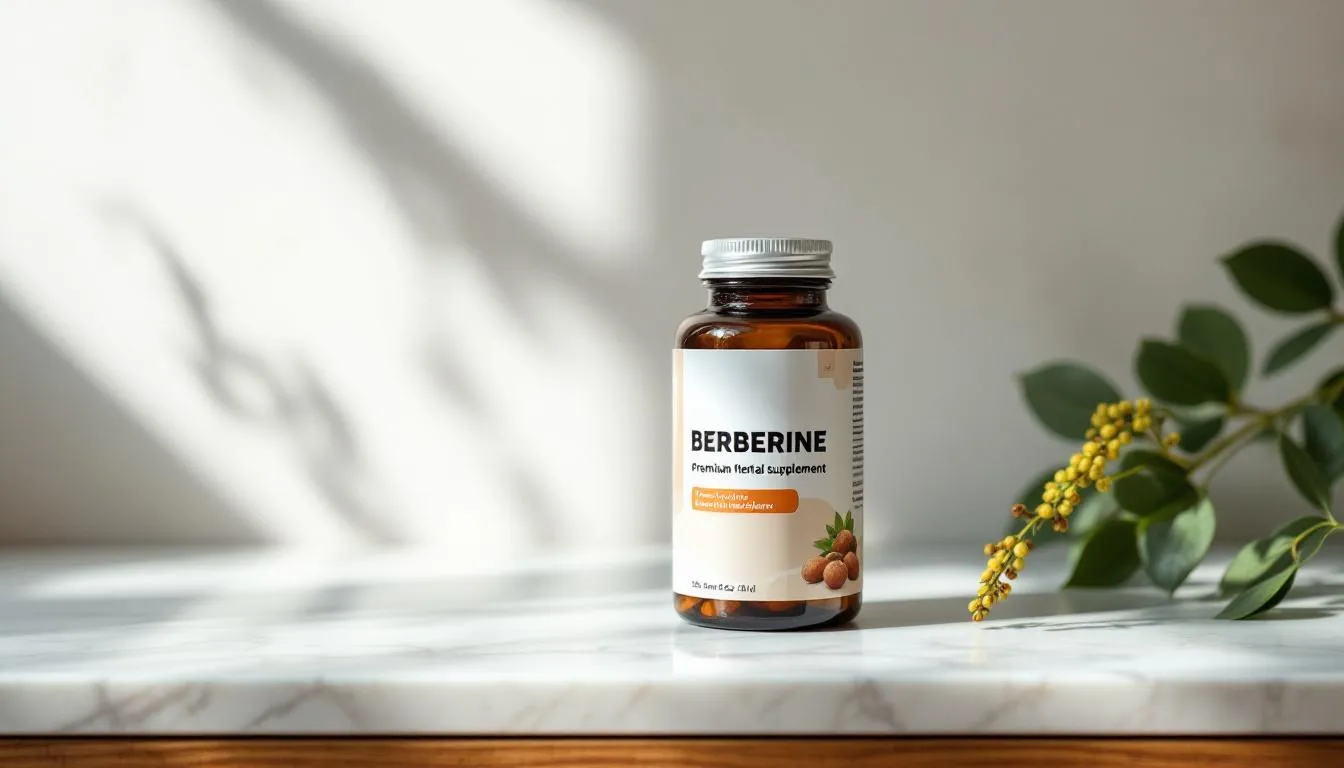
Garden of Life is one of the most recognizable supplement brands in health food stores. Their berberine product is different from most of what you'll find on the market. Not just different packaging, but a genuinely different delivery technology that aims to solve the biggest problem with berberine: you barely absorb it.
But different doesn't automatically mean better. And the longevity supplement space is full of brands selling "advanced" formulations that don't deliver on the science.
This review digs into exactly what Garden of Life Liposomal Berberine contains, how the FIL liposomal technology works, what the research supports, and whether it's worth your money. We'll cover dosage, side effects, the serious drug interactions you need to know about, and how it stacks up against other premium berberine products.
If you've been researching berberine supplements and wondering what sets Garden of Life apart, here's the complete picture.
Why berberine absorption is a bigger problem than most people realize
Before you can evaluate any berberine product, you need to understand why absorption matters so much with this particular compound. Standard berberine HCl, the form used in most budget supplements and in the bulk of clinical research, has notoriously poor bioavailability.
How poor? Estimates range from under 1% in some studies to roughly 5% in others. A lot of what you swallow with a standard berberine capsule passes through your gut without ever making it into your bloodstream. The compound is water-soluble, which sounds advantageous, but the gut wall doesn't absorb it efficiently, and a significant portion gets broken down before it reaches systemic circulation.
This creates an interesting paradox. The clinical research on berberine is genuinely impressive, and we'll get into that. But that research was done with high doses, typically 500mg taken three times daily, totaling 1,500mg per day. Getting therapeutic blood levels requires either high doses or better absorption technology.
Standard berberine HCl at 500mg three times daily works. The evidence is there. But it means a lot of capsules, GI side effects for many people, and the question of whether you're actually absorbing enough to hit the blood levels that produce results.
Garden of Life's approach is to solve the absorption problem at the source, using what they call Fiber Interlaced Liposomal (FIL) technology to wrap berberine in a delivery system your gut handles much more readily.
What's actually in Garden of Life Liposomal Berberine
The product is called Garden of Life Herbals Liposomal Berberine. It comes in a 60 vegan capsule bottle, with 30 servings (2 capsules per serving).
Per serving (2 capsules), the key ingredients are:
Liposomal Berberine Complex: 1,000 mg using their proprietary FIL technology. This complex includes Berberis aristata root extract, cinnamon, and sunflower lecithin. The 1,000 mg is the total weight of the complex, not the weight of pure berberine alkaloid. More on this in a moment.
Chromax Chromium Picolinate: 200 mcg. This is a patented, clinically validated form of chromium that's been studied for glucose metabolism, insulin sensitivity, and reducing carbohydrate cravings. This isn't filler. Chromax has genuine research behind it.
Bacillus coagulans SNZ: 250 million CFU. A heat-stable probiotic strain. This is an interesting addition given berberine's well-documented effects on the gut microbiome. Some of berberine's metabolic benefits are mediated through microbiome changes, so including a probiotic may support that aspect of the mechanism.
The formula is vegan, gluten-free, Non-GMO Project Verified, and Kosher certified. It's also free from soy and dairy.
Certifications and testing: Non-GMO Project Verified and NSF Certified Gluten Free. Garden of Life does not have NSF for Sport certification on this product, which matters if you're a competitive athlete subject to drug testing. For general longevity use, this isn't a concern.
Price: approximately $31.99 for 30 servings. That's about $1.07 per day, or $32 per month at the standard dose.
The berberine content question
Here's the most important transparency issue with this product, and the one that gets called out most consistently by knowledgeable reviewers. The label says 1,000 mg of Liposomal Berberine Complex, but it doesn't disclose how much of that 1,000 mg is actual berberine alkaloid versus the liposomal encapsulation matrix (sunflower lecithin, cinnamon, fiber, and the other excipients in the FIL system).
This matters. Clinical research on berberine uses specific doses of berberine alkaloid, typically 500mg to 1,500mg of pure berberine daily. If the 1,000 mg complex contains 200mg of actual berberine surrounded by 800mg of delivery matrix, that's a very different product than if it contains 600mg of berberine.
Garden of Life doesn't tell you on the label. This is a real criticism. Brands that use phytosome technology from Indena, like the Berbevis form used by Pure Encapsulations and others, do disclose the standardization percentage, which tells you exactly how much berberine you're getting. Garden of Life's proprietary FIL system doesn't give you that same level of clarity.
That said, the FIL research (more on that below) does show meaningful berberine absorption from this type of system, and the user experience data from thousands of reviews suggests the product is doing something metabolically real.
What is FIL liposomal technology?
FIL stands for Fiber Interlaced Liposomal. It's a proprietary delivery system that encapsulates berberine using plant-based fibers intertwined with sunflower lecithin, creating a matrix that protects berberine through the acidic gastric environment and releases it more gradually in the intestinal tract.
Here's why this matters. Berberine faces two challenges on its way from your mouth to your bloodstream. First, stomach acid degrades some of it before it reaches the small intestine. Second, the intestinal wall doesn't absorb it efficiently in its standard form.
Liposomal encapsulation addresses both problems. The lipid shell (made of lecithin in this case) protects berberine from gastric acid and presents it to the intestinal wall in a phospholipid-based form that cells absorb through the same pathways they use to absorb dietary fats. This is inherently more efficient than trying to absorb a free alkaloid compound.
A 2024 study published in the European Journal of Pharmaceutics and Biopharmaceutics specifically on FIL-berberine found a 3.37x improvement in oral bioavailability versus unformulated berberine in animal models. The peak plasma concentration (Cmax) improved from 15.54 to 50.98 ng/mL, and the area under the curve (AUC, the measure of total drug exposure) improved from 0.41 to 1.38 ng·h/mL. Sustained release at 8 hours also improved.
A separate pharmacokinetic study on liposomal berberine in humans found a 70% increase in peak blood concentration and a 43% increase in total drug exposure compared to standard berberine HCl.
These are meaningful numbers. The FIL technology isn't marketing fluff. There's genuine absorption science here. The caveat is that these studies examine the delivery technology generally, not Garden of Life's specific formulation in a human RCT. The proof of concept is solid. The specific product evidence is less complete.
WinAging covers the full range of berberine delivery systems, from standard HCl to phytosome to liposomal forms. Each has trade-offs. FIL liposomal is one of the more interesting newer approaches.
How berberine works: the mechanisms that matter
Understanding what berberine does in the body is essential for deciding whether it belongs in your protocol. The mechanisms are well-characterized and genuinely impressive.
AMPK activation: the master metabolic switch
Berberine's primary mechanism is activation of AMP-activated protein kinase, abbreviated AMPK. This enzyme functions as a cellular energy sensor and regulator. When AMPK is active, your cells behave differently in ways that are broadly beneficial for metabolic health and longevity.
Active AMPK increases glucose uptake from the bloodstream. It promotes fat burning. It enhances mitochondrial function. It reduces cholesterol synthesis in the liver. It activates autophagy, the cellular cleanup process that removes damaged proteins and organelles. And it does all of this across multiple tissue types simultaneously.
The longevity connection is direct. AMPK is one of the primary pathways activated by caloric restriction, the most reliably life-extending intervention in animal models. It's the same pathway targeted by metformin, the most widely prescribed diabetes drug in the world, which has generated significant interest as a longevity intervention in its own right.
For anyone building a serious longevity stack, AMPK activation is a high-value target. Berberine is one of the most accessible and best-studied ways to hit it. If you want to track whether you're moving the right biomarkers, our biological age calculator gives you a starting point for understanding where you stand.
mTOR inhibition: the aging pathway
Berberine also suppresses mTOR, the mechanistic target of rapamycin. Chronically elevated mTOR activity promotes aging. mTOR drives cellular growth and proliferation, which is useful during development but becomes problematic in aging, when it contributes to cellular senescence, inflammation, and reduced autophagy.
The interesting thing about berberine is that it simultaneously activates AMPK and inhibits mTOR. These two effects are synergistic for longevity purposes. Caloric restriction achieves the same dual effect. So does the longevity drug rapamycin, though through a different mechanism.
This dual action puts berberine in a category of compounds with genuine plausibility as longevity interventions, not just metabolic support.
PCSK9 inhibition: the cholesterol angle
Berberine inhibits PCSK9, a protein that destroys LDL receptors on liver cells. More LDL receptors means more LDL cholesterol cleared from the bloodstream. This is the same mechanism exploited by expensive injectable medications like evolocumab (Repatha), though berberine's effect is far more modest.
For cardiovascular risk reduction, this is a meaningful secondary mechanism that complements berberine's primary metabolic effects.
There's an interesting interaction here with statins. Statin drugs raise PCSK9 levels as a side effect, which partially blunts their own LDL-lowering effectiveness. Berberine can counter this statin-induced PCSK9 increase. For people on statins who need additional LDL reduction, berberine is worth discussing with their doctor for this specific reason.
Gut microbiome effects
The third major mechanism is less well understood but increasingly interesting. Berberine significantly alters gut microbiome composition. Some of its anti-inflammatory and metabolic benefits appear to be mediated through these microbiome changes rather than through direct cellular effects.
This may be why Garden of Life added the Bacillus coagulans probiotic to their formula. If berberine is changing your gut microbial landscape, having a beneficial probiotic in the mix might support the transition. It's a thoughtful addition from a formulation perspective.
What the research shows
Berberine has one of the stronger evidence bases among longevity-adjacent supplements. The clinical trials are real, the mechanisms are well-characterized, and the effects are reproducible. Here's what the research actually demonstrates.
Blood sugar and insulin resistance
The landmark head-to-head trial compared berberine 500mg three times daily to metformin 500mg three times daily in patients with type 2 diabetes. After three months, berberine reduced fasting blood glucose by 20%, hemoglobin A1c (the three-month blood sugar average) from 9.5% to 7.5%, and post-meal glucose by 26%. Metformin performed similarly.
This comparison drew enormous attention because metformin is the most clinically validated oral diabetes drug in existence. Berberine matching its blood sugar effects in a randomized trial is remarkable, regardless of whether you're thinking about berberine for diabetes management or just for metabolic optimization.
For people with prediabetes or metabolic syndrome, the implications are significant. Berberine addresses insulin resistance through AMPK activation, improving cellular glucose uptake independently of insulin signaling. This is a different mechanism than most dietary interventions.
Cholesterol and triglycerides
A systematic review and meta-analysis of 41 randomized controlled trials, involving nearly 5,000 patients, found berberine significantly reduced total cholesterol by an average of 17 mg/dL, LDL by about 15 mg/dL, and triglycerides by nearly 19 mg/dL, while modestly increasing HDL by about 2 mg/dL.
Those are population averages. Individual trials have shown LDL reductions of 20 to 50 mg/dL and triglyceride reductions of 25 to 55 mg/dL. The variance reflects real differences in baseline metabolic status, berberine form, dose, and duration.
For context: a 20-30 mg/dL reduction in LDL is clinically meaningful. Many physicians would consider prescribing a statin for that magnitude of LDL reduction. Berberine achieves it through a different mechanism with a different safety profile.
Longevity research
The longevity data is from animal studies, not human trials. But the findings are striking enough to be worth understanding.
A study published in Aging Cell, one of the high-impact longevity research journals, found that berberine extended lifespan in naturally aged mice by approximately 16.5%. More dramatically, it extended residual lifespan (time remaining from when the intervention started) by 80%. The treated mice also showed better coat density, improved mobility, and reduced markers of cellular aging.
C. elegans studies, using the standard model organism for aging research, showed berberine extending mean lifespan by 27%, activating the DAF-16/FOXO, HSF-1, and SKN-1/NRF2 pathways, which are among the most conserved longevity pathways across species.
Does this translate to humans? Not yet proven. But mechanistic consistency across yeast, worms, and mice, through the same AMPK and mTOR pathways, is exactly the kind of cross-species signal that earns serious attention from longevity researchers.
Berberine also reduces chronic inflammation markers, including high-sensitivity CRP, IL-6, and TNF-alpha. Chronic low-grade inflammation is one of the primary drivers of accelerated biological aging, so this anti-inflammatory effect matters beyond blood sugar and cholesterol.
Dosage and how to take it
Standard berberine HCl dosing from the clinical literature: 500mg taken two to three times daily with meals. Total daily dose: 1,000-1,500mg. Taken with food to reduce GI effects and because food in the gut may modestly improve absorption.
Garden of Life's dosing recommendation is simpler: 2 capsules daily. That's the full serving, containing 1,000 mg of the liposomal berberine complex.
Because the FIL liposomal system improves absorption, the 1,000 mg complex may deliver systemic berberine levels comparable to higher doses of standard HCl, even without knowing the exact berberine alkaloid content. The user reviews and the absorption research both support this. But you can't calculate a precise HCl-equivalent dose without knowing the actual berberine content of the complex.
Two practical notes on timing. First, this product's serving is designed as 2 capsules once daily rather than multiple doses spread through the day. Standard berberine HCl needs to be split because it clears quickly. The liposomal form has slower release and longer circulation time, which may make once-daily dosing effective.
Second, if you're new to berberine, starting with 1 capsule daily for the first week is reasonable. Your gut microbiome will change when you start berberine, and giving it time to adapt reduces the likelihood of early GI discomfort.
Not sure if berberine fits your current stack? Run your supplements through the supplement interaction checker before you start.
Side effects and drug interactions
Berberine is well-tolerated for most people, but it's not free of issues.
Common side effects
GI effects are the most frequently reported. Constipation, diarrhea, nausea, bloating, and abdominal cramps occur in some percentage of users, particularly when starting. These typically diminish after one to two weeks as the gut microbiome adapts. The liposomal form tends to cause fewer GI side effects than standard berberine HCl because it's not releasing a free alkaloid into the gut, but they're still possible.
User reviews specifically mention that Garden of Life's liposomal form is notably easier on the stomach compared to standard berberine products, which is consistent with the delivery mechanism.
Hypoglycemia risk
Berberine lowers blood sugar. If you're on any diabetes medication, whether metformin, sulfonylureas, or insulin, berberine's additive effect can push glucose too low. This is a real risk, not a theoretical one. Anyone on blood sugar-lowering medications should talk to their doctor before starting.
Drug interactions: the ones that matter
Two interactions are serious enough that they warrant clear discussion.
Cyclosporine and tacrolimus. These are immunosuppressant drugs used after organ transplants. Berberine inhibits CYP3A4 and P-glycoprotein, the enzymes that metabolize both drugs. Clinical data in renal transplant patients showed berberine increased cyclosporine blood levels by approximately 34% and prolonged its half-life significantly. Both drugs have narrow therapeutic windows, where small blood level changes can cause toxicity. If you're on any immunosuppressant, don't combine with berberine without explicit physician oversight. This is a hard stop.
Warfarin and anticoagulants. Berberine may increase bleeding risk when combined with blood thinners. Discuss with your physician if you're anticoagulated.
Pregnancy and breastfeeding. Berberine crosses the placenta and is contraindicated during pregnancy. Avoid it entirely.
For everything else, standard precautions apply. Check for interactions with whatever you're taking, especially any cardiac, thyroid, or psychiatric medications that go through CYP3A4.
Who makes Garden of Life?
Garden of Life was founded in 2000 by Jordan Rubin and built its reputation around whole-food, organic, non-GMO supplements. The brand became well-established among natural health consumers for its quality positioning.
In December 2017, Nestlé Health Science acquired Atrium Innovations for $2.3 billion, and with it, Garden of Life. Garden of Life now operates as a Nestlé subsidiary.
This acquisition matters to some consumers. Nestlé is a massive multinational with a mixed reputation in health and sustainability circles. Some natural health retailers stopped carrying Garden of Life after the acquisition on principle. Others find the brand's actual product quality unchanged.
From a formulation and quality standpoint, the post-acquisition products maintain Non-GMO Project Verification, NSF Certified Gluten Free status, and the organic certifications the brand built its reputation on. Whether the parent company's identity matters to you is a personal choice.
Garden of Life vs other berberine supplements
How does this product compare to the other main options in the premium berberine market?
Garden of Life vs Pure Encapsulations Berberine UltraSorb
Pure Encapsulations uses Berbevis, a phytosome form of berberine from Indena. Berbevis is bound to phospholipids (pea protein and sunflower lecithin), and Indena discloses that the phytosome contains 28% berberine, so you know you're getting approximately 154mg of actual berberine per capsule with about 4x the bioavailability of standard HCl.
Garden of Life's FIL system also uses liposomal technology for enhanced absorption, but doesn't disclose the actual berberine alkaloid content within the 1,000mg complex. The research on FIL technology is legitimate, but the transparency is less than you get with Berbevis.
Pure Encapsulations is NSF registered, physician-grade, hypoallergenic, and has a three-decade track record. It's $51.99 for 60 capsules versus Garden of Life at $31.99 for 60 capsules. Pure Encapsulations costs more per bottle but the dosing is also different (1-2 capsules versus 2 capsules as a full serving).
For users who prioritize disclosure and have experience with premium supplement brands, Pure Encapsulations gives you clearer numbers. Our Pure Encapsulations berberine review covers it in detail.
Garden of Life vs Integrative Therapeutics Berberine Complex
Integrative Therapeutics Berberine Complex uses a standard berberine HCl base with added botanicals. It's a practitioner-grade brand sold primarily through naturopathic physicians and integrative medicine practices. High quality, transparent labeling, clinically-dosed berberine alkaloid.
The trade-off: no enhanced delivery system. You get standard berberine HCl absorption, which means more capsules per day and a higher likelihood of GI side effects.
Garden of Life vs standard berberine HCl brands
Standard berberine HCl from quality brands like Thorne, NOW, or Jarrow costs significantly less per serving and delivers known doses of berberine alkaloid with decades of clinical data behind the specific form. The downside is lower absorption, more GI side effects, and more capsules per day.
For budget-conscious users willing to manage dosing frequency, standard HCl from a tested brand is a legitimate choice. The research base is built on HCl. It works.
For users who've had GI issues with standard berberine, or who want to try to achieve adequate blood levels with fewer capsules, the liposomal or phytosome forms make sense.
The chromium and probiotic angle
Garden of Life is unusual in adding Chromax chromium picolinate and a probiotic to the berberine formula. Chromium picolinate has research supporting improved insulin sensitivity and carbohydrate metabolism, which synergizes with berberine's blood sugar effects. This makes the Garden of Life formula more of a comprehensive metabolic support product than a pure berberine supplement.
If you're specifically targeting glucose metabolism and metabolic syndrome, this combination approach has logic to it. If you want just berberine, without the extras, other brands give you a cleaner product.
Who should consider Garden of Life Liposomal Berberine?
This product makes the most sense for specific people in specific situations.
People who've had GI issues with standard berberine. The liposomal form is consistently reported as gentler on the stomach. If standard berberine HCl caused you GI problems, this is worth trying.
Users building a metabolic support stack. The combination of liposomal berberine, Chromax chromium, and a probiotic makes this a three-in-one metabolic product. If you want berberine's effects plus blood sugar support compounds in a single bottle, the formula works well together.
People comfortable with some label ambiguity. If you're okay not knowing the exact milligrams of berberine alkaloid in each serving, and you trust the FIL absorption technology and the user outcomes data, this is a solid product. If you need precise numbers, look at Berbevis-based products from Pure Encapsulations or similar brands.
Buyers with budget considerations. At $31.99 per month, Garden of Life is meaningfully cheaper than Pure Encapsulations or Thorne's premium berberine options.
Who shouldn't take it: Anyone on cyclosporine, tacrolimus, or other immunosuppressants (serious drug interaction). Pregnant or breastfeeding women. People with severe GI conditions. Anyone on blood sugar medications without physician oversight.
If you're building a full longevity protocol, WinAging's AI protocol builder can design a stack matched to your goals, age, and experience level. It's worth running your berberine choice through the broader picture of your protocol before committing.
Stacking berberine with other compounds
Berberine works well in combination with several other longevity-relevant compounds.
Berberine and inositol. The most popular combination for PCOS and insulin resistance. Our berberine and inositol guide covers the research. The combination hits glucose metabolism through complementary pathways and is well-supported in women with polycystic ovary syndrome.
Berberine and alpha lipoic acid. Alpha lipoic acid is a mitochondrial antioxidant with independent blood sugar effects. Combined with berberine, they address insulin resistance from different angles. We cover this combination in our berberine and alpha lipoic acid guide.
Berberine and chromium. Garden of Life includes this combination in the product itself. Chromium picolinate improves insulin receptor sensitivity and reduces carbohydrate cravings. Pairing it with berberine's AMPK activation addresses blood sugar regulation through multiple mechanisms.
Berberine and milk thistle. Milk thistle (silymarin) may offer liver protection alongside berberine's metabolic effects. The combination is popular in clinical practice for people with elevated liver enzymes or fatty liver. See our berberine with milk thistle guide for more.
For checking how berberine fits in your specific stack, use the supplement interaction checker. Some combinations amplify effects in ways worth monitoring.
The honest verdict
Garden of Life Liposomal Berberine is a legitimate product using real absorption technology. The FIL liposomal delivery system has published research supporting improved bioavailability. The addition of Chromax chromium and a heat-stable probiotic adds practical value for the primary use case: metabolic support and blood sugar regulation.
The main weakness is label transparency. Not knowing the exact berberine alkaloid content of the 1,000 mg complex makes it harder to compare to the doses used in clinical research or to other berberine products. Brands using Berbevis phytosome give you cleaner numbers.
That said, user reviews are consistently positive. The GI tolerability is better than standard berberine HCl. The metabolic effects are noticeable for users with insulin resistance or elevated cholesterol. And the price is competitive with or better than comparable premium berberine options.
This is a well-made product from a real brand, using a delivery technology that makes genuine scientific sense. For most people looking for an accessible liposomal berberine option, it's a defensible choice.
Frequently asked questions
What is Garden of Life Liposomal Berberine?
Garden of Life Herbals Liposomal Berberine is a berberine supplement using Fiber Interlaced Liposomal (FIL) technology, which encapsulates berberine with plant fibers and sunflower lecithin to improve gut absorption. Each serving (2 capsules) contains 1,000mg of the liposomal complex, plus 200mcg Chromax chromium picolinate and 250 million CFU Bacillus coagulans probiotic.
How does the FIL liposomal technology work?
FIL stands for Fiber Interlaced Liposomal. The technology wraps berberine molecules in a matrix of plant-based fibers and phospholipids (from sunflower lecithin), protecting berberine through the stomach and releasing it in the small intestine in a form that absorbs more efficiently. Research on FIL berberine shows roughly 3x better bioavailability than unformulated berberine.
How much berberine is in each serving?
Garden of Life doesn't disclose the exact milligrams of berberine alkaloid within the 1,000mg liposomal complex. This is the main criticism of the product's labeling. The complex includes berberine extract, cinnamon, and sunflower lecithin, but the breakdown isn't stated.
How does Garden of Life berberine compare to berberine HCl?
Standard berberine HCl gives you a known dose of berberine alkaloid with poor absorption. Garden of Life's liposomal form likely delivers less total berberine per serving but with meaningfully better absorption. Whether the net berberine reaching your bloodstream is higher or lower than standard HCl depends on the undisclosed berberine alkaloid content. The better GI tolerability is a consistent advantage. For a full comparison of berberine types, see our best berberine supplement guide.
Can you take berberine before bed?
Yes, berberine timing relative to meals matters more than time of day. Our guide on taking berberine before bed covers the research on timing.
Is Garden of Life owned by Nestlé?
Yes. Nestlé Health Science acquired Atrium Innovations, Garden of Life's parent company, in December 2017 for $2.3 billion. Garden of Life operates as a subsidiary of Nestlé Health Science. The brand maintains its Non-GMO, organic, and natural health positioning under the new ownership.
What are the drug interactions with berberine?
The most serious interactions are with immunosuppressants (cyclosporine, tacrolimus), where berberine can significantly raise blood levels of the drugs and cause toxicity. Anticoagulants like warfarin may also be affected. Berberine's blood sugar-lowering effects are additive with diabetes medications, which can cause hypoglycemia. Run your medications through our supplement interaction checker and discuss with your physician.
What's the best dose of berberine?
Clinical research typically uses 500mg berberine HCl taken two to three times daily (1,000-1,500mg total per day). For liposomal berberine, the manufacturer recommends 2 capsules (one full serving) daily. The improved absorption may deliver adequate blood levels at this dose.
Berberine has one of the strongest evidence bases of any metabolic supplement. The right form matters, and Garden of Life's liposomal approach is a legitimate option. Start with the supplement interaction checker to confirm it fits your protocol, then track your biomarkers at 60 and 90 days.
Related guides
- Best berberine supplement: the complete guide
- Berberine with milk thistle: what the research shows
- Berberine and inositol: combined effects explained
- Pure Encapsulations berberine: an honest review
- Supplement interaction checker