Berberine Phytosome Supplements: The Complete Guide
Berberine phytosome absorbs up to 10x better than standard berberine. Learn how it works, the best brands, proper dosage, and who actually needs it.
Less than 5% of every berberine capsule you swallow makes it into your bloodstream.
That's not a rumor or a competitor's marketing spin. It's the standard estimate from pharmacokinetic research on plain berberine hydrochloride, the form found in the vast majority of supplements on the market today. Your gut has an active efflux pump called P-glycoprotein that pushes berberine back out of intestinal cells before it can be absorbed. Your liver aggressively metabolizes what little survives. The clinical trials still work, which tells you berberine has real metabolic effects even with terrible systemic absorption. But it also tells you there's significant room to do better.
Berberine phytosome is the most clinically validated attempt to close that gap.
A phytosome complex binds berberine to phospholipids, the same class of molecules that form your cell membranes. This creates a delivery form that crosses biological barriers far more readily than plain berberine. In human pharmacokinetic studies, the phytosome form produced roughly 10 times more berberine in the bloodstream compared to the same dose of unformulated berberine. Not 10% more. Ten times more.
This changes things. It changes the dose you need, the side effects you're likely to experience, and the people who benefit most from it. It also means there are now two distinct categories of berberine supplement, and knowing which one you're buying matters considerably.
This guide covers exactly how berberine phytosome works, what the clinical evidence shows, how it stacks up against regular berberine HCl, which brands use genuine phytosome technology, and who should reach for this form. WinAging tracks the research on metabolic compounds so you don't have to spend hours on PubMed. Before adding anything to your stack, run it through the supplement interaction checker first.
What berberine phytosome actually is
Berberine is an alkaloid found in the roots and bark of plants including barberry, goldenseal, and Oregon grape. Traditional Ayurvedic and Chinese medicine have used it for centuries. The modern longevity and metabolic health community came to it through a completely different door: clinical trials showing blood sugar reductions comparable to metformin, meaningful cholesterol improvements, and mechanistic overlap with longevity pathways including AMPK activation and mTOR suppression.
The problem has always been absorption.
Standard berberine supplements use berberine hydrochloride, the salt form. It's poorly soluble in the gut, easily pumped back out by intestinal efflux transporters, and heavily metabolized during first-pass hepatic processing. All of which means that even though berberine HCl works in clinical trials at 500mg three times daily, most of that dose never reaches systemic circulation. It acts primarily at the gut lining, intestinal wall, and liver, which is actually fine for many metabolic effects. But limiting for any benefit you'd want delivered systemically.
Phytosome technology was developed to address this class of problem. The same approach has been applied to curcumin, resveratrol, silymarin, and other poorly bioavailable botanical compounds. The idea is simple: take a compound with terrible absorption and wrap it in a delivery vehicle that mimics the body's own membrane structures.
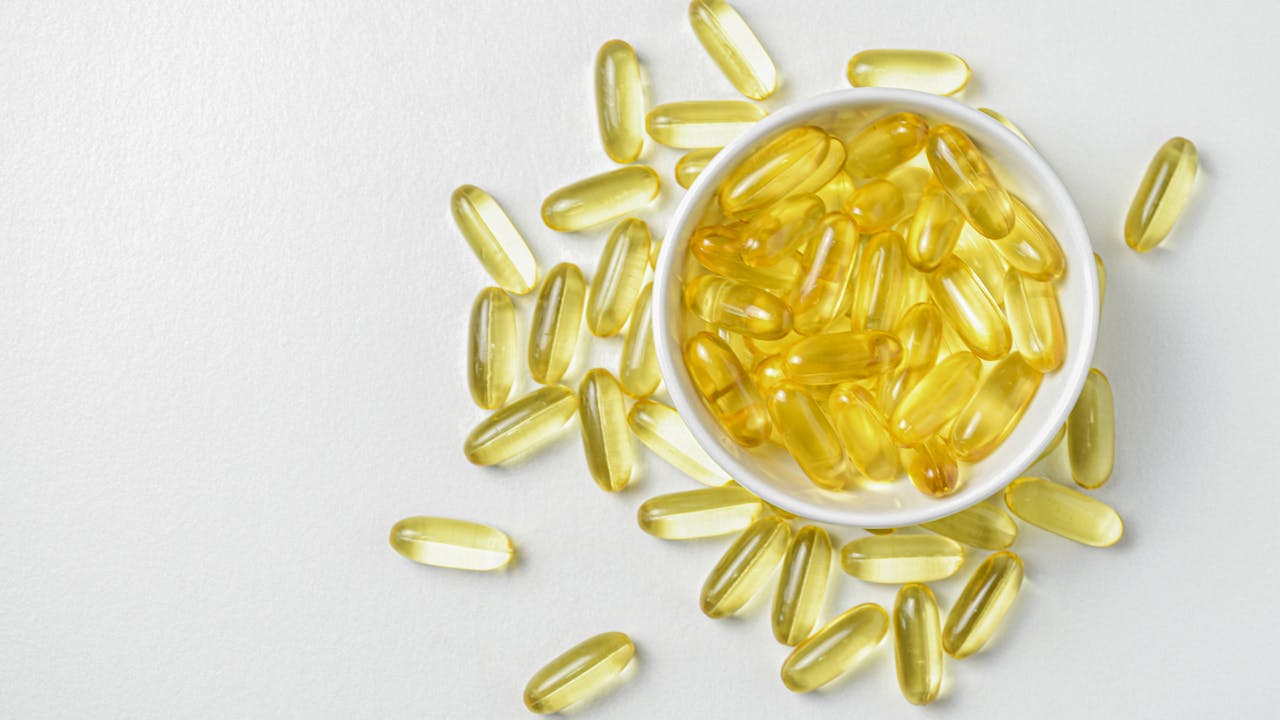
A phytosome is formed by combining a plant-derived active compound with phospholipids, typically phosphatidylcholine derived from sunflower or soy lecithin. The phospholipid molecules have a water-loving head and a fat-loving tail. In solution, they arrange around the active compound to form a structure that behaves as though it's already embedded in a biological membrane. This dramatically improves solubility in the watery environment of the gut and the crossing of the lipid-based intestinal cell wall.
For berberine specifically, the commercial standard is Berbevis, a patented ingredient from the Italian phytopharmaceutical company Indena. Berbevis combines berberine with phospholipids from sunflower lecithin and pea protein isolate, creating a solid dispersion that has been through rigorous bioavailability testing in healthy human volunteers.
When you see "berberine phytosome" on a supplement label, Berbevis is the ingredient you're looking for. Not all berberine phytosome products use genuine Berbevis. The ones that do will typically say so explicitly, because Indena licenses it and brands that pay for the ingredient have a clear marketing incentive to call it out.
How phytosome technology changes absorption
The gut wall is, by design, selective. It's not trying to absorb everything you swallow. Most substances need either a specific transport protein or sufficient lipophilicity (fat-solubility) to cross intestinal cells and enter circulation. Plain berberine HCl is water-soluble and fits neither category well. It gets partially absorbed by passive diffusion, then immediately pumped back out by P-glycoprotein.
The phospholipid wrapping in a phytosome changes the compound's behavior at the gut wall entirely.
Phosphatidylcholine, the most abundant phospholipid in cell membranes, is recognized by the body essentially as a structural building block. The intestinal cell wall has high affinity for it. When berberine is complexed with phosphatidylcholine, the combination can cross the intestinal wall more like a membrane component and less like a foreign alkaloid being actively rejected. Efflux pump recognition is also reduced, because the surface presentation has changed.
The result is documented in a human crossover pharmacokinetic study: healthy volunteers received either unformulated berberine or the Berbevis phytosome at the same dose. The phytosome delivered nearly 10 times higher area-under-the-curve (AUC), the gold-standard pharmacokinetic measure of total drug exposure over time. In practical terms, if standard berberine gets roughly 5% of a dose into the bloodstream, the phytosome form may be delivering closer to 40-50%.
Other studies report slightly different but similarly significant improvements. Some show around 4x total berberine concentrations. The range across studies likely reflects differences in methodology, subject populations, and what exactly is being measured. The conservative end of the evidence says the phytosome improves bioavailability by at least 4x. The best available human data says closer to 10x.
Either way, the improvement is meaningful. And it has three concrete consequences.
First: you can take fewer pills. The clinical standard for plain berberine HCl is 500mg three times daily, 1,500mg per day total. Most berberine phytosome protocols use 550mg twice daily, about 1,100mg per day. Lower total dose, lower pill burden, comparable or better systemic effect.
Second: the systemic effects are stronger. For metabolic benefits that require berberine in circulation rather than just in the gut, the phytosome form's higher bioavailability translates directly to more effect per milligram. This includes potential effects on the brain, peripheral tissues, and broader anti-aging pathways where systemic exposure matters.
Third: GI side effects are reduced. A significant minority of plain berberine users experience nausea, cramping, and loose stool at therapeutic doses, primarily dose-dependent effects from berberine's direct action on the gut lining. Lower doses of phytosome berberine reduce this gut burden. The phytosome form is substantially more tolerable for people who struggle with standard berberine HCl.
What berberine actually does in your body
Before getting into the phytosome-specific evidence, it helps to understand why berberine matters enough to optimize its delivery in the first place.
Berberine's primary mechanism is inhibiting Complex I of the mitochondrial respiratory chain. That probably sounds abstract. Here's what it means in practice. Complex I inhibition reduces ATP production, which raises the AMP/ATP ratio inside your cells. That ratio is the cell's signal for energy shortage. When it spikes, your body activates AMPK, the AMP-activated protein kinase.
AMPK is often called the master metabolic switch. When it's active, your cells shift to survival and efficiency mode. They pull glucose out of the bloodstream into muscle tissue. They reduce hepatic glucose production (your liver stops dumping sugar into circulation). They activate fat burning. And they suppress mTOR, the growth signaling pathway that runs unchecked in aging cells and drives many age-related diseases.
That last part matters for anyone interested in longevity, not just blood sugar.
mTOR suppression is how rapamycin extends lifespan in animal models and one of the key mechanisms behind caloric restriction. Berberine doesn't work exactly like rapamycin. But AMPK activation via berberine hits the same upstream pathway. That's why longevity researchers sometimes call berberine a "poor man's rapamycin," not because they're equivalent but because they share overlapping mechanistic logic.
Beyond AMPK, berberine has other effects worth knowing. It stimulates GLP-1 secretion from gut cells, the same hormone that semaglutide (Ozempic) mimics, though at far more modest levels. It reshapes the gut microbiome, promoting beneficial bacterial species while suppressing inflammatory ones. It upregulates LDL receptor expression in the liver through a mechanism entirely distinct from statins. And it induces autophagy, your body's cellular recycling program, via the AMPK/mTOR/ULK1 pathway.
The berberine phytosome form's improved systemic bioavailability makes the case for all of these effects beyond gut-and-liver stronger, because more of the compound reaches peripheral tissues and circulation where these mechanisms can operate.
For a deep look at how berberine fits into a full longevity stack including which compounds pair well with it, the berberine complex guide covers the co-ingredient landscape in detail.
The clinical evidence for berberine phytosome
Berberine phytosome has its own clinical trial record, separate from the extensive evidence base built on plain berberine HCl. And that record is genuinely compelling.
Blood sugar and insulin resistance
A double-blind, placebo-controlled randomized trial enrolled overweight subjects with impaired fasting glucose, people with blood sugar already elevated above healthy ranges but not yet at diabetic levels. The trial used berberine phospholipid, the phytosome form, over 8 weeks.
Results showed meaningful improvements in fasting glucose, insulin levels, and insulin resistance markers. The phytosome form produced these improvements at a daily dose significantly lower than the 1,500mg/day typically required with standard berberine HCl. This confirms that the bioavailability improvement translates into clinical effect, not just better pharmacokinetic numbers.
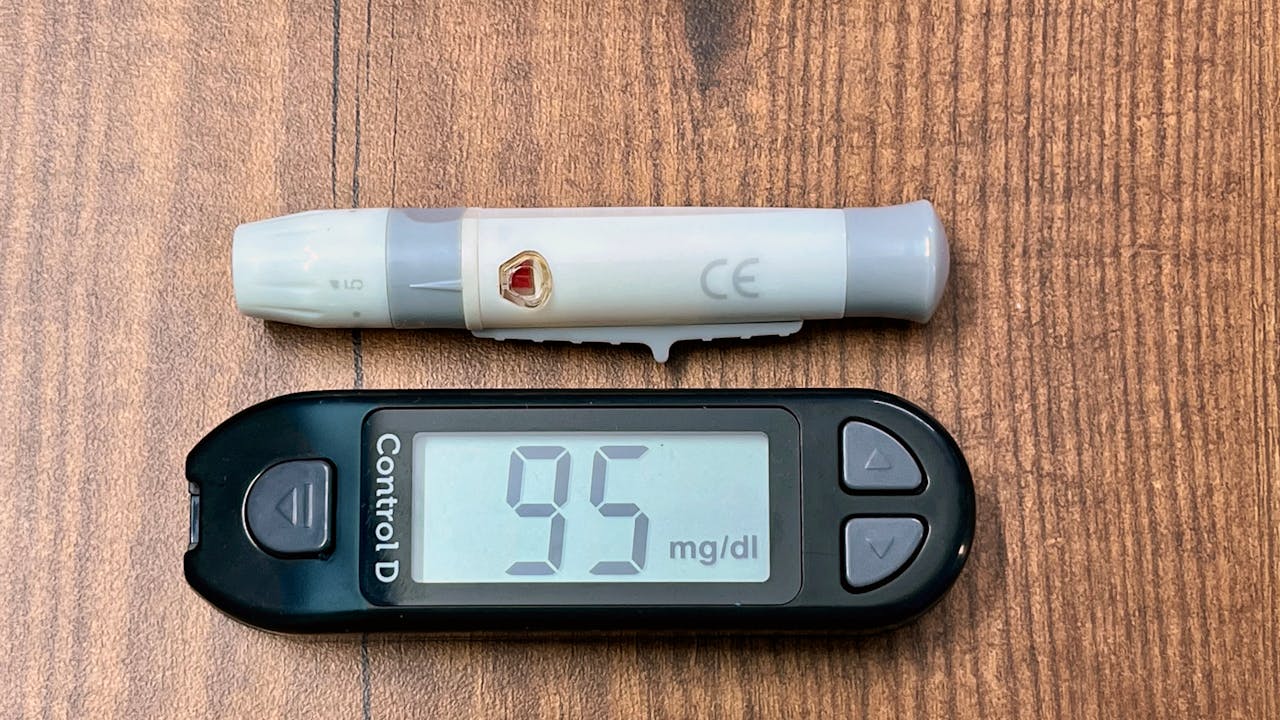
For anyone tracking glucose with continuous monitoring or using a biological age calculator to monitor metabolic markers over time, berberine phytosome offers a more convenient path to meaningful outcomes than cycling through multiple high-dose standard capsules daily.
PCOS: the strongest specific evidence
The most compelling clinical data for berberine phytosome comes from a large multicenter randomized controlled trial on polycystic ovary syndrome, published in Frontiers in Pharmacology.
PCOS is driven substantially by insulin resistance and androgen excess. Berberine's AMPK activation reduces hepatic glucose production and improves insulin sensitivity, which in turn suppresses androgen production. The phytosome form was a logical candidate because of its improved systemic exposure compared to standard HCl.
The results were striking. After 90 days of supplementation with berberine phytosome at 550mg twice daily, approximately 70% of women resumed regular menstruation versus 16% in the control group. Ovarian anatomy normalized in over 60% of participants versus 13% in controls. Acne improved in 50% of the berberine phytosome group versus 16% of controls. Hirsutism reduced in 14% of berberine phytosome users versus 0% in controls.
The hormonal profile data backed this up. The insulin resistance index dropped by 49%. Free testosterone fell by 33%. Sex hormone binding globulin, which binds free androgens and reduces their activity, increased by 14%.
These aren't marginal improvements. They're the kind of numbers that would be significant for a pharmaceutical drug. For a food-grade supplement with a favorable safety profile, they're exceptional.
The combination of berberine phytosome with myo-inositol is particularly relevant for PCOS. Myo-inositol improves insulin receptor signaling through a completely different mechanism, making it potentially additive with berberine's AMPK-driven effects. The berberine and inositol guide covers that combination specifically.
Cholesterol and cardiovascular markers
Berberine's effects on LDL cholesterol are among its most consistent findings across the research literature. The phytosome form preserves and may enhance these benefits.
A 60-day randomized controlled trial using Berbevis found meaningful improvements in fasting glucose balance and ApoB/ApoA ratio, the cardiovascular risk marker that captures the balance between atherogenic (LDL) and protective (HDL) lipoprotein particles. ApoB/ApoA is increasingly preferred over raw LDL numbers as a predictor of actual cardiovascular risk.
The mechanism here: berberine upregulates LDL receptor expression in the liver through a pathway completely independent of statins. This means it lowers LDL by a different route than statin medications and can produce additive effects when used alongside them. Some cardiologists have specifically used berberine to help patients achieve LDL targets without increasing statin doses and their associated side effects.
Berberine phytosome vs regular berberine HCl
This is the question most people actually want answered. Is the phytosome form worth the extra cost?
Here's how to think about it honestly.
Plain berberine HCl is the most studied form by a wide margin. Thousands of clinical trials use it. At 500mg three times daily, it reliably produces meaningful reductions in fasting glucose, HbA1c, and LDL cholesterol. The evidence base is solid. If you're doing an 8-12 week trial to assess how berberine affects your metabolic markers, standard berberine HCl is a completely reasonable starting point. It's cheaper, more available, and the clinical confidence is high.
Berberine phytosome wins in specific situations.
GI tolerability. Roughly 30-34% of berberine users experience gastrointestinal side effects at therapeutic doses. Nausea, cramping, loose stool. If you've tried standard berberine and had side effects that didn't resolve after 2-3 weeks of taking it with meals, the phytosome form is the clear next step. The lower effective dose means less direct berberine action on the gut lining, which is where most side effects originate.
Lower pill burden. Three 500mg capsules daily, with each meal, is a serious commitment over months. Two 550mg capsules daily (morning and evening with food) is substantially simpler to sustain. If adherence to multi-dose regimens is a genuine issue for you, this matters more than it sounds.
PCOS and hormonal health. The direct clinical trial evidence for berberine phytosome in PCOS is stronger than what exists for standard berberine in PCOS. If this is your primary use case, phytosome is the form the evidence actually supports.
Systemic effects. Berberine has shown cognitive and neurological activity in preclinical research. Whether those effects are meaningful in humans at typical supplement doses is unknown. But if they depend on systemic exposure rather than gut-only activity, the phytosome form is more likely to deliver them.
Long-term supplementation. For people using berberine continuously as a longevity compound, the lower effective dose reduces cumulative GI and hepatic burden over extended time. This is a real consideration at 12-plus months.
Standard berberine HCl still wins on cost and depth of evidence. For short-term metabolic trials or budget-constrained buyers, it's the logical entry point. For people who respond well to it already, there's no reason to switch forms.
The best berberine supplement guide covers the full competitive landscape including HCl products, phytosome options, and dihydroberberine, with specific brand recommendations and testing standards that apply across all three forms.
Dosage and timing
Most berberine phytosome studies use 550mg twice daily with meals, for 1,100mg total per day.
The 550mg refers to the phytosome complex as a whole, not pure berberine. The Berbevis formulation is standardized to contain 28-34% berberine, meaning each 550mg capsule contains approximately 154-187mg of actual berberine. The total daily berberine content from two capsules is therefore around 308-374mg. Compared to 1,500mg/day of standard HCl, this is a significant reduction in active compound. The improved bioavailability makes it equivalent or better at reaching systemic targets.
Take it with food. Every time. This isn't optional.
Food slows gastric emptying, increases time in the small intestine, and substantially improves berberine absorption. Taking berberine on an empty stomach reduces both efficacy and tolerability. This applies to both forms, but matters slightly more for standard HCl than phytosome. Still, with-meal dosing is best practice regardless of form.
Timing across the day: morning with breakfast and evening with dinner works well for most people. Spreading doses roughly 8-12 hours apart is better than taking both capsules together, since it maintains more consistent berberine levels throughout the day.
Duration: the clinical trials showing significant effects ran 60-90 days. Plan at least 8 weeks before evaluating results. HbA1c reflects a 3-month average, so meaningful HbA1c changes require at least 12 weeks to appear. For PCOS outcomes specifically, the pivotal trial ran 90 days before the most significant hormonal improvements were observed.
Some practitioners recommend cycling berberine on 8-12 weeks, then off 4 weeks. The direct evidence for this protocol is thin. But given that berberine meaningfully affects glucose metabolism, periodic breaks let you reassess baseline function and prevent any theoretical tolerance development. If you're using berberine alongside other metabolic compounds, the supplement interaction checker helps confirm there are no conflicts worth watching before you extend your protocol.
Side effects and what to watch for
Berberine phytosome has a better tolerability profile than standard berberine HCl, but it's not without potential side effects.
GI effects remain possible, especially in the first 1-2 weeks. Mild bloating, nausea, or loose stool can occur during adjustment. Taking it with food minimizes this significantly. Starting at one capsule daily for the first week before moving to two also helps. Most people who experience early GI effects find they resolve within 2-3 weeks as the body adjusts.
The drug interaction profile is the same as regular berberine, because the active compound is identical.
Berberine inhibits cytochrome P450 enzymes, specifically CYP3A4, CYP2D6, and CYP2C9. These enzymes process a substantial fraction of pharmaceutical medications. Inhibiting them means drugs that depend on CYP3A4 for metabolism can accumulate to higher blood levels than intended.
Blood sugar medications. Berberine independently lowers blood sugar. Combined with metformin, insulin, or sulfonylureas, the additive effect can cause hypoglycemia. This is a real interaction, not a theoretical one. If you're on diabetes medications, berberine requires physician oversight.
Warfarin and anticoagulants. Berberine increases INR. Multiple case reports document this interaction. If you're anticoagulated, berberine without physician monitoring is risky.
Immunosuppressants. Cyclosporine and tacrolimus metabolism is slowed by berberine, raising drug levels. Organ transplant recipients should avoid berberine without medical supervision.
Statins. Berberine can increase statin blood levels by slowing their CYP3A4-mediated breakdown. The combination is used clinically for additive cholesterol reduction but needs medical oversight for appropriate statin dose adjustment.
Blood pressure medications. Additive hypotensive effects are possible with certain classes.
Hard contraindications: pregnancy, breastfeeding, and children.
None of these are reasons to avoid berberine phytosome if you don't have the relevant risk factors. They're reasons to be informed before you start. Check your full medication list against the supplement interaction checker before adding berberine to any existing regimen.
How to choose the best berberine phytosome supplement
Not every supplement saying "berberine phytosome" on the label actually uses Berbevis or any verified phytosome technology. Some are standard berberine HCl with a phospholipid added at irrelevant levels, creating the appearance of a phytosome complex without any actual pharmacokinetic improvement.
Here's how to tell the real from the pretenders.
Look for Berbevis on the label. Berbevis is the patented Indena ingredient with documented 10x bioavailability improvement in human subjects. Brands using genuine Berbevis will state it clearly because they're paying the licensing cost and have every reason to differentiate. If a label says "berberine phytosome" but doesn't mention Berbevis or Indena, that's worth investigating before you buy.
Check the dose structure. Genuine Berbevis products are typically standardized at 550mg per capsule with 28-34% berberine content. Products listing "berberine phytosome" at significantly different doses or using unusual ratios may not be using the same formulation. Higher total doses of a non-Berbevis "phytosome" product don't compensate for lack of verified bioavailability data.
Third-party testing. ConsumerLab analysis found that 60% of commercial berberine products tested below their labeled potency. Independent verification matters here more than in most supplement categories. Look for NSF, USP, or ConsumerLab certification. The best brands publish lot-specific certificates of analysis publicly.
No proprietary blends. Every ingredient and its dose should be disclosed separately. "Proprietary blend, 800mg" with five ingredients listed beneath it is a format designed to obscure underdosing. If you can't see exactly how much of each ingredient you're getting, you can't verify you're taking a therapeutic dose.
The brands worth considering
Enzymedica Berberine Phytosome uses genuine Berbevis and markets it as 9.6x better absorption versus standard berberine. This is the conservative end of the pharmacokinetic data and a defensible claim. Enzymedica is a well-regarded enzyme supplement company with solid quality controls and this is one of the most widely available Berbevis-licensed products in mainstream retail.
Nootropics Depot Berberine Phytosome explicitly states Berbevis on the label and publishes full lot-specific certificates of analysis on their website. This is rare in the supplement industry and sets the gold standard for transparency. For serious users who want documentation of what they're getting, Nootropics Depot is the top choice.
Nature Made Berberine Phytosome is an accessible option at a lower price point. Claims 5x better bioavailability than standard HCl. Nature Made has a strong general reputation for quality, but this product lacks third-party testing certification (no NSF, USP, or ConsumerLab verification). Good entry point for someone exploring berberine phytosome. Less ideal for detailed biomarker tracking where you need to trust the dose.
Codeage Berberine Phytosome combines berberine HCl with alpha-lipoic acid and a phospholipid complex. Worth noting this isn't a pure Berbevis product but rather a combination approach using both standard HCl and phospholipid delivery. The addition of ALA is scientifically reasonable given ALA's complementary effects on GLUT4-mediated glucose uptake, and the berberine synergy guide covers this kind of multi-compound approach in more detail.
For a deeper comparison of berberine brands across HCl, phytosome, and dihydroberberine forms, the best brand of berberine guide evaluates specific products with the same quality criteria in more detail.
How to stack berberine phytosome with other compounds
Berberine phytosome doesn't need to be taken in isolation. Several combinations are well-supported by either direct evidence or strong mechanistic rationale.
Berberine phytosome + myo-inositol. This is the most clinically supported combination for PCOS and insulin resistance. Myo-inositol acts as a secondary messenger in insulin signaling. Defects in inositol metabolism are directly implicated in PCOS pathophysiology, and supplementation addresses a different bottleneck than berberine's AMPK mechanism. The two compounds hit insulin resistance from different angles, making them potentially additive. The berberine and inositol guide covers the evidence and dosing ratios in detail.
Berberine phytosome + milk thistle. This is a particularly sensible long-term combination. Milk thistle's active compound silymarin protects the liver from berberine's metabolic burden. Berberine is heavily processed by the liver, and long-term therapeutic dosing creates hepatic stress that silymarin addresses directly. Silymarin also inhibits P-glycoprotein, potentially improving absorption even for the phytosome form. A meta-analysis of randomized trials found the berberine-silymarin combination improved lipids and fasting glucose beyond either compound alone. The berberine with milk thistle guide covers this synergy in detail.
Berberine phytosome + NMN or NR. These hit entirely different pathways with no known antagonism. Berberine activates AMPK (energy sensing, metabolic efficiency), while NMN and NR restore NAD+ levels for sirtuin activation and DNA repair. There's even theoretical synergy: AMPK activation promotes NAMPT activity, which is a key enzyme in the NAD+ biosynthesis pathway. If you're building a longevity stack around both metabolic and cellular repair targets, this is a sensible pairing.
Berberine phytosome + CoQ10. Berberine works partly by inhibiting mitochondrial Complex I. CoQ10 is the electron carrier in the mitochondrial respiratory chain. Long-term Complex I modulation theoretically creates a greater demand for mitochondrial antioxidant support. Adding CoQ10 is a rational offset, particularly for adults over 50 where natural CoQ10 levels have already declined meaningfully with age.
Berberine phytosome + resveratrol. Resveratrol activates SIRT1 while berberine activates AMPK. These pathways partially overlap. The resveratrol or NMN guide explores how resveratrol fits in a longevity stack and which scenarios favor each compound.
Combinations to be careful with: Any blood sugar medication. The additive hypoglycemia risk from combining berberine with metformin, insulin, or sulfonylureas is real and requires physician oversight. Don't self-manage this combination.
The supplement interaction checker flags known interactions so you don't have to rely on memory for every pharmacological detail when finalizing your stack.
Who should take berberine phytosome (and who shouldn't)
The phytosome form isn't the right choice for everyone, and knowing when it's actually worth the premium helps you allocate budget to what matters.
Take berberine phytosome if:
You've tried standard berberine HCl and had GI side effects that didn't resolve after 2-3 weeks even when taking it with food. This is the clearest upgrade case and the most defensible reason to pay more.
You have PCOS or androgen excess. The direct PCOS clinical evidence for berberine phytosome is substantially stronger than what exists for standard HCl in PCOS. This is the form the best-powered trial actually used.
You want fewer pills. Two capsules daily is a simpler and more sustainable protocol than three capsules three times daily over months or years. Adherence matters.
You're focused on systemic effects beyond gut-and-liver metabolic outcomes. The phytosome form's higher bioavailability means more berberine reaching peripheral tissues and circulation, which matters for neurological, anti-inflammatory, and broader anti-aging effects.
You're planning long-term continuous use. For 12-plus months of berberine, the lower effective dose of the phytosome form reduces cumulative burden meaningfully.
Stick with standard berberine HCl if:
You're doing a short-term 8-12 week metabolic trial. The evidence base is larger, the cost is lower, and the starting point logic is sound.
Budget is a genuine constraint across a multi-compound stack. Berbevis-licensed products cost 2-3x more than comparable standard HCl. Allocated across a broader longevity stack, this can add up quickly.
You already respond well to standard berberine without side effects. If your current protocol produces the outcomes you want, there's no compelling reason to change.
Don't take berberine in any form if:
You're pregnant or breastfeeding. You're on warfarin, immunosuppressants, or a complex medication regimen without physician review. You have significant liver disease without medical supervision.
Track your response to whatever form you choose. Fasting glucose, postprandial glucose, HbA1c, and a full lipid panel give you the data to confirm berberine is actually working for you. The biological age calculator incorporates metabolic markers into a broader aging trajectory estimate, which helps you see whether your stack is moving the biological age needle over months of use.
Berberine phytosome and longevity: the bigger picture
Berberine isn't just a blood sugar supplement. And the phytosome form's improved systemic bioavailability makes the longevity case for it considerably stronger.
The core mechanism, as covered above, involves AMPK activation via mitochondrial Complex I inhibition. AMPK is the master energy sensor. When activated, it suppresses mTOR and stimulates autophagy, which are two of the most robust longevity-relevant cellular mechanisms we know about.
mTOR suppression is how rapamycin extends lifespan in model organisms. It's one of the key mechanisms behind caloric restriction. Berberine hits this pathway via AMPK/TSC2/Rheb signaling, which is the same upstream route. The effects are less potent than rapamycin. But they're achievable with an over-the-counter supplement that has a 20-year clinical safety record in humans, which rapamycin as a longevity intervention doesn't have yet.
Autophagy stimulation via AMPK/mTOR/ULK1 is the other major longevity pathway berberine activates. Autophagy, your body's cellular cleanup system, declines with age. Its decline is directly implicated in the accumulation of cellular debris that drives aging phenotypes. Whether higher systemic berberine levels from the phytosome form produce meaningfully greater autophagy induction in humans hasn't been directly tested. But mechanistically, better bioavailability should translate to stronger signaling.
Berberine's effects on cellular senescence are also worth noting. In cell studies, it reduced senescence markers by up to 72% and restored mitochondrial function in aging fibroblasts. These are compelling numbers. They're not yet replicated in large human trials, so honest treatment requires acknowledging that caveat. But the mechanistic convergence of AMPK activation, mTOR suppression, autophagy induction, and senolytic activity puts berberine in a tier worth serious consideration for any longevity-focused supplement stack.
The tools on WinAging let you track the metabolic markers most relevant to your longevity outcomes, from biological age estimates to individual compound interactions. Measuring is what separates optimization from guesswork.
Frequently asked questions
What is berberine phytosome and how is it different from regular berberine?
Berberine phytosome is berberine complexed with phospholipids, typically phosphatidylcholine from sunflower lecithin, to improve absorption. The standard commercial form is Berbevis, a patented ingredient from the Italian company Indena. In human pharmacokinetic studies, Berbevis delivered roughly 10 times more berberine into circulation compared to the same dose of unformulated berberine HCl. Regular berberine HCl has less than 5% oral bioavailability and acts primarily at the gut and liver. The phytosome form has significantly higher systemic exposure and better tolerability.
How much berberine phytosome should I take daily?
Clinical trials use 550mg twice daily with meals, for 1,100mg total per day. Each 550mg Berbevis capsule contains approximately 154-187mg of actual berberine (standardized to 28-34% berberine content). This is less total berberine than the 1,500mg/day used in standard HCl trials, but the improved bioavailability makes it equivalent or superior for systemic effects. Always take it with food to maximize absorption and minimize GI side effects.
Is berberine phytosome worth the extra cost over regular berberine?
It depends on your situation. For GI tolerability, PCOS, and people planning long-term supplementation, yes, the phytosome form is worth the premium. For short-term metabolic trials and cost-conscious buyers, standard berberine HCl is a reasonable starting point. The phytosome form is more efficient and better tolerated, but both forms work.
Can I take berberine phytosome with metformin?
Both compounds lower blood sugar through overlapping mechanisms. Combined, they create additive hypoglycemia risk. This requires physician oversight and blood glucose monitoring. Don't self-manage this combination regardless of which berberine form you're using.
How long does it take for berberine phytosome to work?
Blood sugar improvements typically appear within 4-8 weeks. Cholesterol and lipid improvements take 8-12 weeks. HbA1c changes require at least 12 weeks to be meaningful since HbA1c reflects a 90-day average. For PCOS outcomes, the pivotal trial ran 90 days before the most significant hormonal improvements were documented.
Which berberine phytosome brand is most reliable?
Nootropics Depot is the top choice for documented reliability, as they publish lot-specific certificates of analysis. Enzymedica is the most widely available mainstream option using genuine Berbevis. Nature Made is an accessible entry-level option without third-party certification. All three use Berbevis or claim phytosome technology. Verify "Berbevis" or "Indena" on the label before buying any product.
Does berberine phytosome cause side effects?
Milder than standard berberine HCl, but GI effects remain possible during the first 1-2 weeks. Taking it with food and starting at one capsule daily before moving to two significantly reduces this. The drug interaction profile is identical to standard berberine: significant interactions with blood sugar medications, warfarin, immunosuppressants, and statins. Use the supplement interaction checker before adding it to any existing regimen.
Who should not take berberine phytosome?
People on diabetes medications, warfarin, immunosuppressants, or medications metabolized by CYP3A4 should not take berberine without physician oversight. Pregnant women, breastfeeding mothers, and children should avoid it entirely. Anyone with significant liver disease should consult a doctor before starting.
Berberine phytosome, when you're using genuine Berbevis from a tested source, is one of the most bioavailability-credentialed metabolic supplements available. The evidence base is real. The tolerability advantage over standard HCl is meaningful for a significant fraction of users. And the phytosome form's improved systemic exposure makes the longevity case for berberine stronger, not just the metabolic one.
Start with what your biomarkers tell you, test before and after, and use the data to guide your decisions. Explore the free tools at WinAging to build a stack you can actually verify is working.
Need help building your stack? The WinAging protocol builder designs a personalized longevity plan based on 30+ data points about your health and goals.
Related guides
- Berberine complex supplements: the complete guide
- Best berberine supplement: complete buyer's guide
- Berberine and inositol: can you take them together?
- Berberine with milk thistle: the synergy guide
- Supplement interaction checker