Moringa vs Berberine: Which One Wins for Metabolic Health?
Berberine has the clinical studies. Moringa has the nutrients. But which one actually delivers better results for blood sugar, cholesterol, and longevity?
Both are plant-derived. Both have a reputation for blood sugar control. Both show up in longevity circles as natural alternatives to pharmaceutical drugs. But moringa and berberine are not the same thing, and treating them like interchangeable options is a mistake that costs you results.
One of them has 37 randomized controlled trials confirming its effects on glucose, cholesterol, and weight. The other has a genuinely impressive preclinical profile, exceptional nutritional density, and a growing body of human data that hasn't quite caught up to its hype.
If you're trying to decide between them, or wondering whether to combine them, this guide breaks down everything that matters: mechanisms, clinical evidence, dosing, drug interactions, and who actually benefits from each. We'll be direct about what the science says and honest about where it falls short.
What moringa actually is
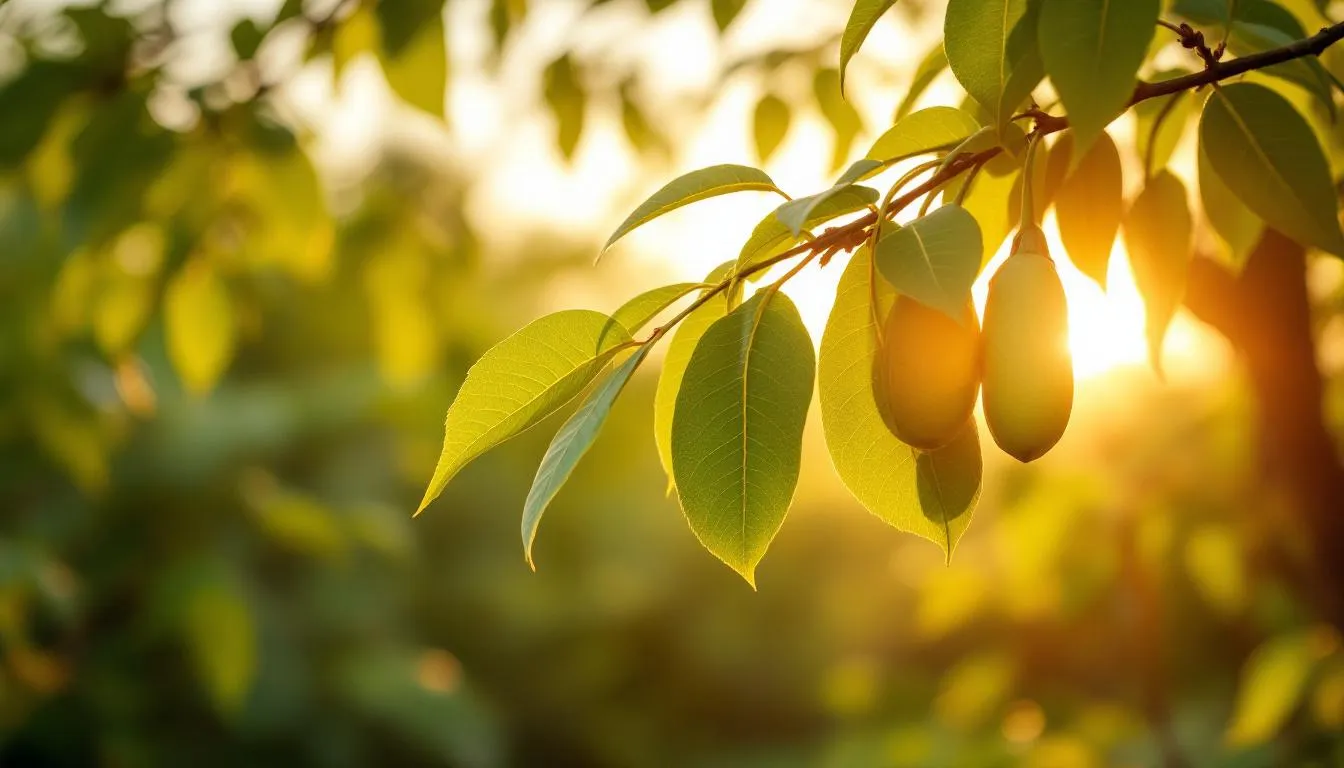
Moringa oleifera is a fast-growing tree native to the sub-Himalayan regions of South Asia, now cultivated across tropical Africa, Southeast Asia, and Latin America. Traditional medicine in these regions has used every part of the plant for centuries. But modern supplementation almost exclusively uses the dried leaves.
The leaves are legitimately impressive. Among plant foods, moringa is one of the most nutrient-dense things on earth. Dried leaf powder contains all nine essential amino acids, making it a rare complete plant protein. It's rich in vitamin A (beta-carotene), vitamin C, riboflavin, calcium, potassium, and iron. Populations using it as a food staple get genuine nutritional benefit from it.
But what makes moringa interesting pharmacologically isn't the vitamins. It's the phytochemicals.
The key active compounds in moringa leaves:
The isothiocyanates, particularly moringin (a compound unique to moringa), drive most of its anti-inflammatory activity. These compounds interact with Keap1 to activate Nrf2, which in turn inhibits NF-kB and reduces inflammatory cytokines like TNF-alpha, IL-1beta, and IL-6. This is a well-established anti-inflammatory pathway, the same one targeted by sulforaphane in broccoli sprouts.
The flavonoids, specifically quercetin, kaempferol, and myricetin, add antioxidant activity and COX/LOX enzyme inhibition. Chlorogenic acid likely contributes to some of the blood sugar effects by slowing glucose absorption, similar to the mechanism seen with coffee consumption.
This is a broad-spectrum phytochemical profile. Not a targeted single molecule, but a complex mixture of compounds working across multiple pathways. That's both moringa's strength and its challenge when it comes to clinical research.
What berberine actually does
Berberine is a yellow alkaloid extracted from plants like barberry, goldenseal, and Berberis aristata. It's been used in traditional Chinese and Ayurvedic medicine for thousands of years, primarily as an antimicrobial. Modern science discovered something more interesting: it's one of the most effective natural compounds for metabolic health ever studied.
The AMPK mechanism
Berberine's primary mechanism is AMPK activation. It inhibits Complex I of the mitochondrial electron transport chain, which drops cellular ATP levels and raises the AMP/ATP ratio. That triggers AMP-activated protein kinase, the "master metabolic switch" of the cell.
AMPK activation cascades into everything: increased glucose uptake at the cell membrane, reduced hepatic glucose output, increased fatty acid oxidation, inhibition of lipogenesis, activation of SIRT1 and PGC-1alpha (mitochondrial biogenesis), and suppression of mTORC1 signaling. If that last one catches your eye, you're thinking correctly. mTOR suppression is one of the central longevity pathways. Berberine hits it.
The gut connection
Berberine also stimulates GLP-1 release, the same hormone targeted by semaglutide (Ozempic). It does this through two routes: modulating gut microbiome composition to increase short-chain fatty acid production, and through berberine metabolites directly stimulating GLP-1 from intestinal L cells. This is part of why berberine gets called "nature's Ozempic," though that comparison is overblown. Berberine's effects are real but more modest.
The cholesterol mechanism
Here's where berberine does something unusual. It upregulates LDL receptors in the liver by inhibiting PCSK9, the same protein targeted by expensive injectable cholesterol medications. It also inhibits hepatic lipid synthesis via AMPK. The result is a dual mechanism for lowering LDL that doesn't involve statin pathways at all. You can use berberine with milk thistle to further enhance this effect, since silymarin boosts berberine's notoriously poor oral bioavailability.
The bioavailability problem
Berberine's major limitation is absorption. Standard berberine HCl has less than 1% oral bioavailability because P-glycoprotein in the gut wall actively pumps it back into the intestine before it can be absorbed. This is why clinical trials use 500 mg three times daily. You're compensating for poor absorption with dose.
The newer forms matter here. Berberine phytosome supplements bind berberine to phospholipids for up to 10x higher bioavailability. Dihydroberberine converts to berberine after absorption and achieves similar blood levels at one-third the dose. If you're using standard berberine HCl capsules, you need more of it. If you're using an enhanced form, less gets the job done.
Blood sugar: head to head
This is the category most people care about. And it's where the gap between these two compounds becomes clearest.
Berberine's blood sugar evidence
A 2022 meta-analysis of 37 randomized controlled trials with 3,048 patients found berberine produced:
- Fasting plasma glucose reduction of 0.82 mmol/L (about 15 mg/dL)
- HbA1c reduction of 0.63%
- 2-hour postprandial glucose reduction of 1.16 mmol/L
These are clinically meaningful numbers. The landmark 2008 study at Shanghai Jiao Tong University compared berberine 500 mg three times daily to metformin 500 mg three times daily in newly diagnosed type 2 diabetics. The glucose and HbA1c reductions were comparable. Berberine actually beat metformin on lipid outcomes. This is the study that launched a thousand longevity protocols.
Moringa's blood sugar evidence
Moringa's evidence is genuinely mixed.
One meta-analysis of seven trials found significant reductions in fasting blood sugar (about 15 mg/dL) and postprandial glucose (about 65 mg/dL), but no significant HbA1c change. HbA1c reflects average blood sugar over three months. That it doesn't move much suggests moringa's acute glucose effects don't translate into sustained control.
A more recent and rigorous 2025 meta-analysis of nine RCTs with 649 participants found no statistically significant effect on fasting blood glucose, HbA1c, or any lipid marker. The certainty of evidence was rated "very low."
There are individual trials that show positive results, particularly in pre-diabetic subjects at doses of 2.4 g/day for 12 weeks. But the overall picture is inconsistent, and the effect size when present is smaller than berberine.
The verdict on blood sugar: Berberine wins decisively. It has more trials, larger effect sizes, and more consistent results. Moringa has theoretical mechanisms and some positive trials, but the human evidence hasn't solidified.
Cholesterol and lipids
Berberine on lipids
Multiple systematic reviews confirm berberine's lipid effects. Across 18 studies:
- LDL cholesterol: down about 18 mg/dL
- Total cholesterol: down about 18 mg/dL
- Triglycerides: down about 13 mg/dL
- HDL: modestly improved
The PCSK9 inhibition mechanism is real and meaningful. For people with high LDL who can't tolerate statins or who want to avoid them, berberine is one of the best-studied natural alternatives. Check our berberine complex guide for a breakdown of different formulations and their effectiveness.
Moringa on lipids
The animal and in vitro research on moringa and cholesterol looks promising. Moringa extracts reduce total cholesterol, LDL, and triglycerides in high-fat diet animal models. The phytosterol content (beta-sitosterol and others) provides some theoretical mechanism for LDL lowering via competitive inhibition of intestinal cholesterol absorption.
But the 2025 meta-analysis found no significant effect on triglycerides, total cholesterol, LDL, or HDL in human RCTs. The effects that show up clearly in animals haven't reliably replicated in humans.
The verdict on lipids: Berberine again. The human clinical data is much stronger.
Weight management
What berberine does to weight
The evidence is consistent but the effect is modest. Meta-analyses find berberine reduces body weight by about 2 kg, BMI by about 0.47 points, and waist circumference by 1-3 cm over 12+ weeks at 1,500 mg/day. These aren't dramatic numbers. Berberine isn't a weight loss drug. But combined with dietary improvements, it adds a real metabolic boost, especially for abdominal fat.
What moringa does to weight
Individual studies have found positive results: 1g/day for 12 weeks reduced body weight and BMI in overweight adults. The high fiber content of moringa leaf powder (12-20g per 100g) plausibly contributes to satiety. But the meta-analyses find no statistically significant effect on body weight, BMI, or waist circumference.
The verdict on weight: Berberine has modest but replicable evidence. Moringa's effects are inconsistent and smaller. Neither compound replaces lifestyle changes.
Anti-aging and longevity
This is where the conversation gets more interesting, and where moringa starts to close the gap.
Berberine's anti-aging mechanisms
Berberine hits three of the major longevity pathways directly.
mTOR inhibition: berberine suppresses mTORC1 signaling, promoting autophagy (cellular cleanup) and reducing cellular senescence. mTOR is one of the most established aging targets we know of, the same pathway targeted by rapamycin.
AMPK activation: AMPK extends lifespan in multiple model organisms. It activates SIRT1, the sirtuin targeted by compounds like resveratrol and NMN. It drives mitochondrial biogenesis. It reduces the metabolic dysfunction that accelerates aging.
Senolytic activity: emerging research shows berberine can selectively target senescent cells. A 2024 study demonstrated berberine extended lifespan in C. elegans by 16-52% depending on dose. Animal model data consistently shows lifespan extension.
Want to know how berberine interacts with the rest of your supplement stack? WinAging's supplement interaction checker can map out potential combinations and flag anything worth watching.
Moringa's anti-aging mechanisms
Moringa's longevity evidence comes from different pathways. A 2020 study in C. elegans found moringa extract extended maximum lifespan by 23.83%, acting through the DAF-16/FOXO pathway. This is the same pathway activated by caloric restriction and IGF-1 signaling. It's a different route than berberine, which makes the two theoretically complementary.
The antioxidant load is moringa's genuine advantage here. Chronic oxidative stress is a central driver of aging. Moringa's combination of quercetin, kaempferol, chlorogenic acid, and isothiocyanates provides broad, sustained antioxidant protection through multiple mechanisms, including upregulation of endogenous antioxidant enzymes (catalase, superoxide dismutase, glutathione peroxidase) via the Nrf2 pathway. This is superior to taking a single antioxidant supplement.
Moringa also provides exceptional micronutrient support: magnesium for mitochondrial function, zinc for immune regulation and hormone production, vitamin A for cellular signaling, iron for energy metabolism. These are the kind of foundational inputs that support everything else you're doing for longevity.
WinAging tracks the research on all major longevity compounds. For a complete picture of where moringa and berberine fit in the broader longevity stack, the AI protocol builder can help you build a personalized protocol around your specific biomarkers and goals.

Side effects and safety
Berberine's side effects
The most common issues are gastrointestinal: diarrhea, nausea, constipation, gas, and abdominal cramping. These are dose-dependent. They usually improve with meals and often resolve after the first week.
Berberine is contraindicated in pregnancy. It crosses the placenta and has been associated with fetal harm. It's also contraindicated in breastfeeding. This isn't a maybe, it's a firm recommendation to avoid.
Long-term safety data at 1,500 mg/day extends to about two years in clinical trials. Beyond that, we don't have large-scale human data. Most practitioners suggest cycling: 8-12 weeks on, 4 weeks off. This also prevents tolerance and gives your gut microbiome a reset.
Moringa's side effects
Moringa is genuinely well-tolerated. At typical doses (2-6g/day of leaf powder), side effects are rare. High doses can cause diarrhea. Some people report mild insomnia.
The important caveats: use only leaf products, not root extracts. Moringa root bark contains spirochin, a compound with potential neurotoxic properties. It's the leaves that are safe and well-studied.
There are rare case reports of liver injury (one case of acute anicteric hepatitis) and a case of Stevens-Johnson syndrome. These are isolated reports, not established causation, but they're worth knowing.
Moringa in pregnancy is generally not recommended. Traditional medicine has used it as an abortifacient. The uterotonic potential is uncertain but worth avoiding.
Drug interactions: a critical comparison
This is where berberine and moringa differ most significantly in practice.
Berberine's drug interactions
Berberine inhibits several cytochrome P450 enzymes, and the effects have been documented in human studies, not just in vitro.
CYP2D6 inhibition: One study found urinary dextromethorphan/dextrorphan ratio increased 9-fold after berberine treatment. This is a major signal. Drugs metabolized by CYP2D6 include many antidepressants (fluoxetine, paroxetine, TCAs), beta-blockers (metoprolol), opioids (codeine, tramadol), and antipsychotics. If you're on any of these, berberine can significantly increase their blood levels.
CYP3A4 inhibition: Midazolam exposure increased about 40% in clinical studies. CYP3A4 metabolizes statins (simvastatin, atorvastatin), immunosuppressants (cyclosporine, tacrolimus), calcium channel blockers, and many antibiotics. The implications for transplant patients on cyclosporine are especially serious.
CYP2C9 inhibition: Relevant for warfarin, some NSAIDs, and oral hypoglycemic drugs. There are case reports of INR changes in patients on warfarin who added berberine. Close monitoring is required.
P-glycoprotein inhibition: Affects digoxin, which has a narrow therapeutic window. Berberine can significantly increase digoxin levels.
Blood sugar medications: Additive glucose-lowering is a real hypoglycemia risk with insulin, metformin, and sulfonylureas.
If you're on any of these medications, don't add berberine without talking to your prescriber. This isn't cautious boilerplate, it's a genuine safety concern with documented interactions. Our supplement interaction checker can help you flag combinations worth reviewing.
Moringa's drug interactions
Moringa's interactions are less well-characterized but real.
The primary concerns: CYP3A4 and CYP1A2 inhibition (in vitro data, clinical significance uncertain); thyroid medications (animal data shows possible inhibition of T4-to-T3 conversion); anticoagulants (mild anticoagulant properties add to warfarin's effect); blood sugar medications (additive hypoglycemic effect); and nevirapine (HIV medication, may increase serum levels).
Moringa's CYP interactions are based on lab data without confirming human pharmacokinetic studies. That doesn't mean they don't exist, but it means the clinical impact is less predictable. At low doses (2-4g/day), most interactions are theoretical for healthy individuals not on medications. At higher doses, caution applies.
Bottom line on interactions: Berberine's drug interactions are clinically documented and serious in people on specific medications. Moringa's are mostly theoretical at standard doses. If you're on multiple medications, berberine requires more careful consideration.
Can you take moringa and berberine together?
Yes, with some caveats.
The combination makes logical sense. Berberine provides targeted metabolic action through AMPK, PCSK9, GLP-1, and digestive enzyme inhibition. Moringa provides broad nutritional support, antioxidant protection, and anti-inflammatory activity through complementary pathways (Nrf2, DAF-16/FOXO).
Both inhibit alpha-glucosidase and alpha-amylase. Combined, they may produce additive carbohydrate absorption blunting. Both activate AMPK signaling. Together they could amplify that signal. Moringa's antioxidant activity could theoretically protect against the mitochondrial oxidative stress from berberine's Complex I inhibition.
The main risks in combination: additive blood sugar lowering is the real concern. If you're on diabetes medications, adding both compounds creates meaningful hypoglycemia risk. And both inhibit overlapping CYP enzymes. In combination, they may amplify drug interaction risk with other medications.
For a healthy person not on medications, the combination appears safe. Start each compound individually before combining. Monitor fasting blood glucose if you have pre-diabetes or metabolic syndrome.
If you're building a broader metabolic support protocol, consider how these compounds fit with others like berberine and alpha lipoic acid (another combination worth understanding) or the full berberine synergy approach.
Dosage guidelines
Berberine dosage
The evidence-based dose is 500 mg three times daily with meals (1,500 mg total). Take it with food to reduce GI side effects and to capture the postprandial glucose-blunting effect.
If you're using a phytosome form like Enzymedica berberine phytosome, you may need less. Follow the manufacturer's dosing, as these are standardized to deliver equivalent blood levels at lower doses. Dihydroberberine at 100-200 mg achieves plasma berberine levels comparable to 500 mg standard HCl.
Cycle berberine. Eight to twelve weeks on, four weeks off. This prevents tolerance and reduces sustained hepatic burden.
Moringa dosage
Clinical studies have used 1.2-8g/day of leaf powder. The 2.4g dose (six 400 mg capsules, or about one to two teaspoons of powder) showed significant effects in pre-diabetic subjects over 12 weeks.
For general nutritional support: 2-4g/day is sufficient. For more targeted metabolic effects: 4-6g/day based on available trials.
Moringa can be taken any time, with or without food. Add the powder to smoothies, mix into yogurt, or take as capsules.
Who should use moringa, who should use berberine
The answer depends on what you're actually dealing with.
Choose berberine if you have:
Type 2 diabetes or significant insulin resistance. The clinical evidence is Grade B across dozens of trials. Berberine produces meaningful HbA1c and fasting glucose reductions. It's been compared head-to-head with metformin.
Elevated LDL cholesterol. Berberine's PCSK9 inhibition mechanism is clinically documented. If you're statin-intolerant or looking for additional support beyond statins, berberine is a credible option.
Metabolic syndrome with multiple markers off. Berberine works across glucose, lipids, and weight simultaneously. The best berberine supplement guide covers how to evaluate products.
Longevity optimization with a focus on mTOR/AMPK pathways. Berberine hits the same longevity mechanisms as caloric restriction and rapamycin analogues.
PCOS. There's specific evidence for berberine in PCOS, comparable to metformin in some studies.
Choose moringa if you:
Want nutritional density rather than targeted pharmacology. Moringa is a food. It provides complete protein, micronutrients, and phytochemicals that support overall health. If your diet has gaps, moringa fills them.
Follow a plant-based diet and need a complete protein source. Moringa's amino acid profile is exceptional for a plant food.
Want broad antioxidant and anti-inflammatory support. The Nrf2/isothiocyanate pathway is well-characterized. For chronic low-grade inflammation without major metabolic disease, moringa's whole-food antioxidant load is valuable.
Have mild glucose irregularities without diagnosed diabetes. Some evidence supports moringa for pre-diabetic blood sugar in the absence of strong berberine-level effects.
Are on multiple medications. Moringa's drug interaction profile is less concerning than berberine's at standard doses, though not zero.
Consider both together if you:
Aren't on medications, want comprehensive metabolic support, or are building a longevity stack that combines targeted metabolic action (berberine) with broad nutritional and antioxidant support (moringa).
Curious how this fits into a complete longevity protocol built around your specific data? WinAging's protocol builder designs personalized stacks based on your age, goals, biomarkers, and health history.
Tracking your progress
Both compounds should produce measurable changes. Baseline blood work before starting matters.
For berberine: track fasting blood glucose, HbA1c, LDL, triglycerides, and HDL at baseline and at 12 weeks. Also track ALT and AST (liver enzymes) given berberine's hepatic metabolism. A comprehensive metabolic panel covers all of this.
For moringa: track hs-CRP (inflammation marker), fasting glucose, and the same lipid panel. Given moringa's thyroid effects (potential inhibition of T4-to-T3 conversion), if you have any thyroid history, track TSH and free T3.
Use the biological age calculator to establish a baseline functional age. Metabolic interventions like these should move the needle on biological age markers if they're working.
Frequently asked questions
Is moringa as effective as berberine for blood sugar?
No. Berberine has 37 randomized controlled trials showing significant HbA1c and fasting glucose reductions. Moringa has fewer, smaller trials with inconsistent results. A 2025 meta-analysis of nine moringa RCTs found no statistically significant effect on blood sugar or HbA1c. Berberine's evidence is significantly stronger for glucose control.
Can I take moringa and berberine together?
Yes, for healthy people not on medications. The combination makes theoretical sense, with berberine providing targeted metabolic action and moringa providing nutritional support and antioxidant activity. The main concern is additive blood sugar lowering, which becomes a real hypoglycemia risk if you're also on diabetes medications or insulin.
What's the right dose of berberine?
500 mg three times daily with meals (1,500 mg total) is the dose used in most clinical trials. Enhanced forms like berberine phytosome may work at lower doses due to improved bioavailability. Cycle on and off: 8-12 weeks on, 4 weeks off.
Does moringa interact with medications?
Yes. Moringa inhibits CYP3A4 and CYP1A2 enzymes (from in vitro data), may reduce T4-to-T3 thyroid hormone conversion, has mild anticoagulant properties, and adds to the blood sugar lowering of diabetes medications. At standard doses (2-4g/day) the risk is lower than berberine's, but people on thyroid medications, anticoagulants, or diabetes drugs should check with their doctor.
Which is better for longevity?
They target different pathways. Berberine activates AMPK, inhibits mTOR, suppresses cellular senescence, and promotes autophagy, the same core mechanisms as caloric restriction. Moringa activates DAF-16/FOXO signaling (relevant to insulin-like signaling and lifespan regulation) and provides broad antioxidant support via Nrf2. For pure longevity pathway targeting, berberine's evidence is more direct. For nutritional support and antioxidant defense, moringa adds something berberine doesn't provide.
Does berberine really work like Ozempic?
Partially. Berberine does stimulate GLP-1 release, the same hormone targeted by semaglutide. But the effect is much smaller. Berberine produces modest weight loss (about 2 kg in trials) versus significant weight loss with semaglutide. The "nature's Ozempic" framing overstates what berberine does. It's a useful metabolic supplement, not a weight loss drug.
Should I cycle berberine?
Yes. Most practitioners recommend 8-12 weeks on, 4 weeks off. This prevents tolerance, allows the gut microbiome to normalize, and reduces sustained hepatic burden. There's no established permanent daily dosing protocol with long-term safety data.
What forms of moringa should I avoid?
Avoid root and root bark extracts. The moringa root contains spirochin, an alkaloid with potential neurotoxic effects. Stick to leaf products: dried powder, capsules, or tea from the leaves. Seeds are less studied for chronic supplementation and best avoided as a primary supplement form.
Related guides
- Berberine with milk thistle: the complete guide
- Best berberine supplement: what to look for
- Berberine phytosome: enhanced absorption explained
- Berberine and alpha lipoic acid together
- Supplement interaction checker
Sources
- Glucose-lowering effect of berberine: systematic review and meta-analysis (Frontiers, 2022)
- Effects of Moringa oleifera supplementation on cardiometabolic outcomes (PMC, 2025)
- Repeated administration of berberine inhibits cytochromes P450 in humans (PMC)
The question isn't really which supplement is better. It's which one matches what you're actually trying to fix. If you have metabolic syndrome, elevated glucose, or high LDL, berberine has the clinical trials behind it. If you want nutritional density, broad antioxidant protection, and a whole-food approach to inflammation, moringa earns its place. And if you want both, the combination is reasonable for healthy individuals willing to monitor their response.
Explore WinAging's free tools to check your supplement combinations, or build a personalized longevity protocol with the AI protocol builder.