Bio berberine complex: what's in it and does it work?
Bio berberine complex pairs 500mg berberine HCl with green tea phytosome and chromium for better absorption. Here's what the research says and who should take it.
import { QuickAnswerBox, TableOfContents, TipBox, WarningBox, InfoBox, StatsGrid, FAQSection, RelatedGuides, DataTable, NumberedSteps } from '@/components/articles'
Plain berberine works. The research on that is solid. But plain berberine has a problem most people don't know about until they've already spent $40 on a bottle: it's absorbed poorly, metabolized fast, and requires you to dose three times a day just to maintain decent blood levels.
Bio berberine complex is the answer to that problem. It combines standard berberine HCl with compounds designed to boost absorption and amplify its metabolic effects. The most common version you'll see is the Coyne Healthcare Biomax formula, which pairs 500mg berberine HCl with an Origine 8 green tea phytosome and chromium. But "bio berberine complex" has also become a shorthand for any berberine formula that adds supporting ingredients to make the whole thing work better.
This guide breaks down exactly what's in these formulas, what the science actually supports, how they compare to taking plain berberine, and who should and shouldn't take them.
<QuickAnswerBox title="Bio berberine complex: the short answer" answer="Bio berberine complex combines berberine HCl (typically 500mg) with absorption-enhancing compounds like green tea phytosome or phosphatidylcholine, plus metabolic co-factors like chromium or alpha lipoic acid. The 'bio' refers to improved bioavailability. It's a practical upgrade over plain berberine HCl for blood sugar control, insulin sensitivity, and metabolic health. Clinical evidence strongly supports berberine at 1,500mg/day. The complex formulas aim to deliver comparable effects at slightly lower doses with fewer GI side effects." stats={[ { value: "500mg", label: "Berberine per capsule (standard)" }, { value: "1,500mg", label: "Evidence-based daily dose" }, { value: "44%", label: "HOMA-IR reduction in clinical trials" }, { value: "9.6x", label: "Bioavailability boost with phytosome forms" } ]} />
<TableOfContents items={[ { id: "what-is-bio-berberine-complex", title: "What is bio berberine complex?" }, { id: "the-bioavailability-problem", title: "The bioavailability problem with plain berberine" }, { id: "ingredients-breakdown", title: "Ingredients breakdown" }, { id: "what-the-research-shows", title: "What the research shows" }, { id: "complex-vs-plain", title: "Bio berberine complex vs plain berberine" }, { id: "other-berberine-complexes", title: "Other berberine complex formulas" }, { id: "who-should-take-it", title: "Who should take bio berberine complex" }, { id: "how-to-take-it", title: "How to take it: dosing and timing" }, { id: "side-effects", title: "Side effects and safety" }, { id: "faq", title: "Frequently asked questions" } ]} />
What is bio berberine complex? {#what-is-bio-berberine-complex}
Berberine is an alkaloid compound found in several plants, including Berberis aristata (Indian barberry), goldenseal, and Oregon grape. It's been used in traditional Chinese and Ayurvedic medicine for centuries, mostly for digestive and metabolic complaints. Modern research has confirmed what those traditions hinted at: berberine is genuinely effective for blood sugar regulation, cholesterol management, and insulin sensitivity.
The "complex" part matters, though.
Standard berberine HCl has notoriously poor oral bioavailability. It gets absorbed inconsistently, metabolized quickly by the liver, and much of it never reaches target tissues at meaningful concentrations. You can compensate by dosing more frequently (three times a day is the standard research protocol), but that's inconvenient and can cause GI side effects.
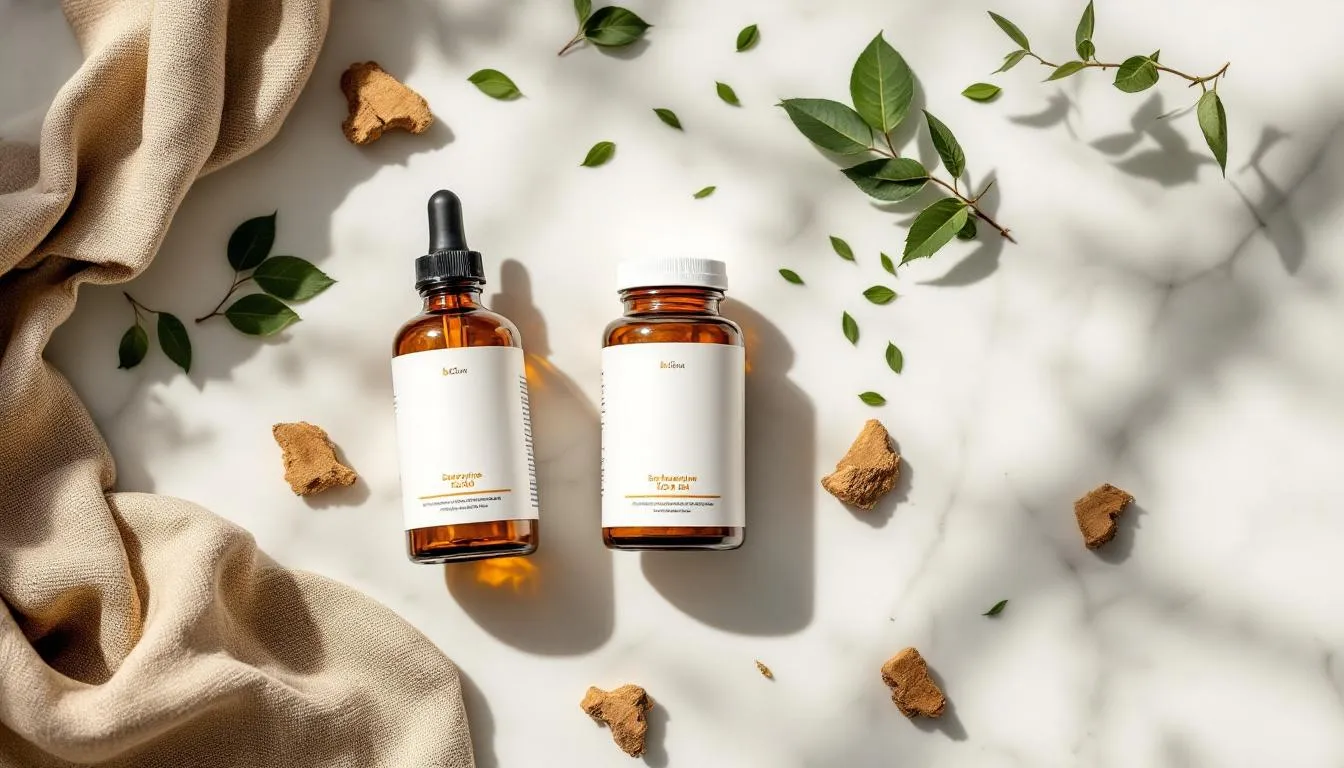
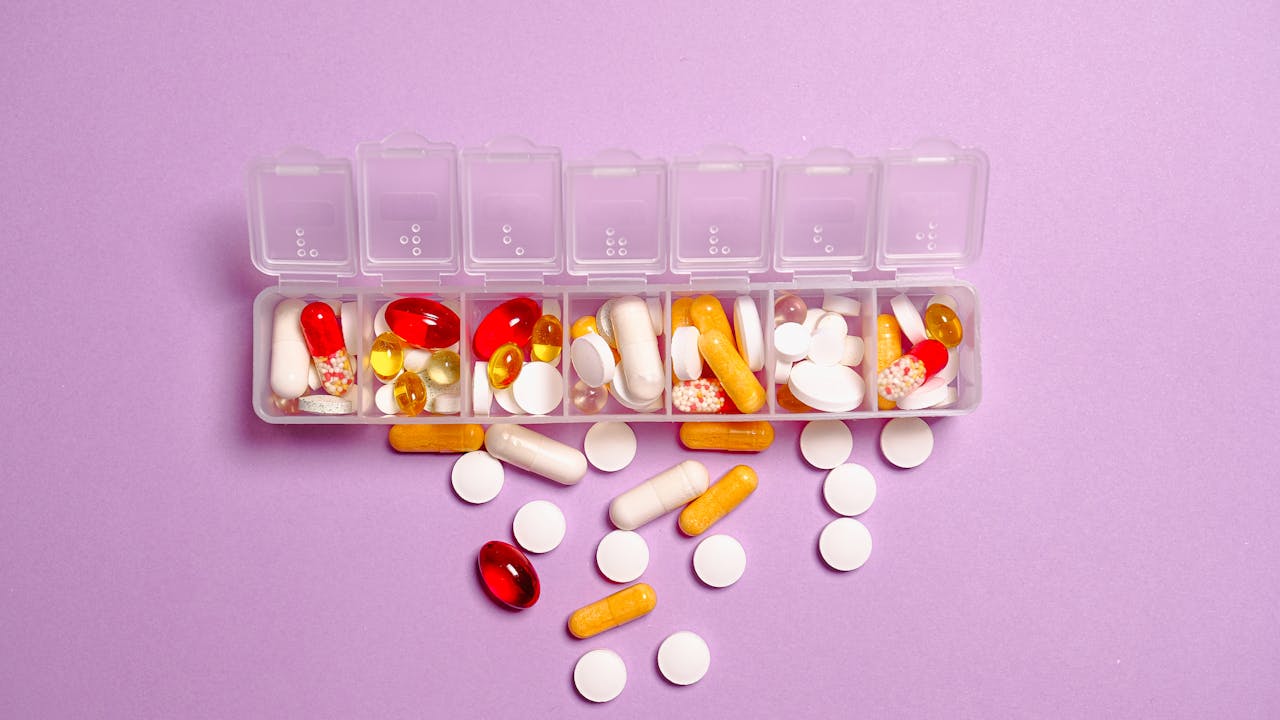
Bio berberine complex products try to solve this with formulation chemistry. The Coyne Healthcare Biomax Bio-Berberine Complex, which is likely what most people are searching for, uses three active ingredients:
- Berberine HCl from Berberis aristata: 500mg per capsule
- Origine 8 green tea extract (phosphatidylcholine complex): 25mg (equivalent to 60mg dried herb)
- Chromium polynicotinate: providing 25mcg elemental chromium
The phosphatidylcholine in the Origine 8 green tea extract is the key. Phosphatidylcholine is a fat-soluble carrier that helps hydrophilic compounds like berberine cross cell membranes more efficiently. It's the same technology used in berberine phytosome formulas, just delivered via green tea rather than directly.
The chromium adds a second layer: it enhances insulin receptor sensitivity, so the metabolic effects of berberine are amplified at the cellular level.
This isn't just Coyne's product, though. The broader category of "bio berberine complex" includes dozens of formulas that pair berberine with one or more of these supporting compounds:
- Green tea extract (EGCG, phosphatidylcholine)
- Chromium (picolinate or polynicotinate)
- Alpha lipoic acid (ALA)
- Milk thistle / silymarin
- Ceylon cinnamon
- Biotin
Each combination targets slightly different aspects of metabolic health. WinAging covers the science behind most of these pairings in separate guides, but the core principle is the same: berberine is more effective when you address its absorption limitations and pair it with compounds that hit complementary pathways.
The bioavailability problem with plain berberine {#the-bioavailability-problem}
This is the piece most supplement brands skip over, because it's inconvenient to explain. Standard berberine HCl has several pharmacokinetic problems that limit how much actually reaches your tissues.
First, it's hydrophilic. Water-soluble compounds struggle to cross lipid-based cell membranes without help. Berberine gets absorbed reasonably well in the gut, but a large fraction is immediately taken up by intestinal cells and shipped back out via efflux transporters (P-glycoprotein pumps), which essentially eject it before it can enter circulation.
Second, what does get absorbed faces first-pass metabolism. The liver rapidly converts berberine into metabolites that are less bioactive. By the time it reaches systemic circulation, plasma berberine concentrations from a standard 500mg dose are quite low, typically peaking around 0.3-0.6 ng/mL before declining sharply.
Third, berberine's half-life in plasma is short. That's why clinical trials use 500mg three times daily rather than one large dose. Spreading it out maintains more consistent blood levels throughout the day.
Phytosome technology addresses this directly. When berberine is complexed with phosphatidylcholine, it becomes more lipophilic, crosses cell membranes more easily, and evades the P-glycoprotein efflux pump better. Studies on berberine phytosome have shown up to 9.6x improvement in bioavailability versus standard HCl.
The Coyne Bio-Berberine Complex takes a slightly different approach: rather than complexing the berberine itself with phosphatidylcholine, it uses a phosphatidylcholine-bound green tea extract (Origine 8) to create a lipid-rich matrix that helps the co-administered berberine absorb better. It's a softer enhancement than a true phytosome, but still meaningful.
If bioavailability is your primary concern, you might also want to read about berberine phytosome supplements as a direct comparison.
Ingredients breakdown {#ingredients-breakdown}
Berberine HCl (500mg per capsule)
This is the active core. Berberine HCl is the hydrochloride salt form of berberine, the most common and well-studied form. It activates AMPK (AMP-activated protein kinase), often called the "metabolic master switch," which sets off a cascade of effects:
- Increases glucose uptake in muscle and fat tissue
- Reduces gluconeogenesis (the liver making new glucose from scratch)
- Improves insulin sensitivity at the receptor level
- Slows carbohydrate digestion by inhibiting alpha-glucosidase
- Modulates gut bacteria toward metabolically favorable profiles
- Stimulates GLP-1 release in the gut (the same pathway as some diabetes drugs)
The AMPK pathway is why berberine is so often compared to metformin. Both drugs activate AMPK, both lower blood glucose, and both have effects on the gut microbiome. They work through overlapping mechanisms.
At 500mg per capsule and three capsules per day, you're getting the 1,500mg daily dose that clinical trials consistently use.
Origine 8 green tea extract (phosphatidylcholine complex, 25mg)
This is the bioavailability enhancer. Origine 8 is a patented ingredient: green tea extract standardized to EGCG, complexed with phosphatidylcholine in a 10:1 ratio. The phosphatidylcholine acts as a lipid carrier that helps the berberine in the formula cross cell membranes more readily.
The EGCG from green tea adds its own metabolic benefits. EGCG is a potent antioxidant that also activates AMPK independently, enhances insulin signaling, and inhibits fat absorption in the intestine. The green tea catechins and berberine work on overlapping pathways, providing additive effects at the AMPK level.
One capsule provides about 1mg of caffeine from the green tea, which is negligible. You won't feel stimulated.
Chromium polynicotinate (25mcg elemental chromium)
Chromium is an essential trace mineral that plays a direct role in insulin signaling. Without adequate chromium, insulin receptors become less sensitive to insulin's signal. Blood glucose rises, the pancreas secretes more insulin, and you end up in a cycle of compensatory hyperinsulinemia.
Chromium polynicotinate (chromium bound to niacin) is considered more bioavailable than chromium chloride and comparable to the widely studied chromium picolinate form. Clinical doses studied for blood sugar benefits typically range from 200 to 1,000mcg daily. The 25mcg in Coyne's formula is at the low end of that range, essentially a foundational amount rather than a therapeutic dose.
It's worth noting that if chromium deficiency is a significant part of your metabolic issue, you may want more than 25mcg. But for most people using this formula for general metabolic support, the amount is reasonable as a complement to berberine's primary mechanism.
Want to understand chromium's role in more depth? Chromium and berberine covers this combination specifically with more clinical context.
What the research shows {#what-the-research-shows}
Let's get into the actual data. The clinical evidence on berberine is remarkably strong for a supplement, which is partly why it's attracted so much attention from the longevity and biohacking communities.
Blood sugar and HbA1c
The Zhang et al. (2008) trial, published in Metabolism, randomized 116 patients with type 2 diabetes to berberine 500mg three times daily versus metformin or rosiglitazone. After three months:
- HbA1c dropped from 9.5% to 7.5% in the berberine group
- Fasting glucose fell from 10.6 to 6.9 mmol/L
- Post-meal glucose went from 19.8 to 11.1 mmol/L
- Results were statistically equivalent to metformin
That's remarkable. A supplement performing comparably to one of the most prescribed diabetes drugs in the world. And the research has been replicated multiple times.
A 2025 systematic review and meta-analysis published in Frontiers in Pharmacology analyzed 18 trials on berberine and metabolic syndrome components. The data confirmed meaningful reductions in fasting glucose, post-meal glucose, and HbA1c across different populations and dosing protocols.
Insulin sensitivity (HOMA-IR)
Fasting insulin dropped by 28.1% and HOMA-IR (a measure of insulin resistance) by 44.7% in the landmark trial. That's the kind of number that makes metabolic health researchers pay attention. Improving insulin sensitivity is foundational to longevity work, because chronic hyperinsulinemia drives inflammation, fat storage, cardiovascular disease, and cancer risk.
Lipid profile
Berberine consistently improves cholesterol numbers. Clinical studies show:
- Total cholesterol reduced
- LDL-C reduced (sometimes significantly)
- Triglycerides reduced
- HDL-C slightly increased in some studies
The mechanism here involves PCSK9 inhibition, upregulation of LDL receptors in the liver, and reduction of hepatic lipid synthesis. These are the same targets that expensive PCSK9 inhibitor drugs hit. Berberine isn't as potent as those drugs, but for someone with mildly elevated LDL and triglycerides, the effect is genuinely clinically meaningful.
<StatsGrid stats={[ { value: "↓ 19%", label: "Average fasting glucose reduction", color: "emerald" }, { value: "↓ 44.7%", label: "HOMA-IR (insulin resistance) reduction", color: "emerald" }, { value: "↓ 28%", label: "LDL-C reduction in some trials", color: "emerald" }, { value: "4-12 wks", label: "Time to see measurable effects", color: "amber" } ]} />
Weight management
Berberine has modest weight loss effects. Don't expect Ozempic results. But 3-5 lbs of weight loss over 8-12 weeks in most trials, without significant dietary changes, is real. The mechanism is partly AMPK activation (which shifts cells toward burning fat rather than storing it), partly PPAR-gamma suppression (which inhibits new fat cell formation), and partly gut microbiome changes that reduce metabolic endotoxemia.
Where berberine shines for weight isn't dramatic fat loss. It's preventing the weight gain that comes with insulin resistance. If your blood sugar swings are driving fat storage and hunger, fixing insulin sensitivity has downstream effects on body composition over time.
The berberine-chromium synergy
The combination in bio berberine complex has specific research support. A study on chromium picolinate combined with berberine showed greater reductions in body fat percentage versus berberine alone. Chromium enhances insulin receptor sensitivity, so when berberine increases glucose uptake, chromium ensures the receptors are ready to respond.
Not sure if berberine is the right fit for you, or whether you should stack it with other metabolic compounds? WinAging's supplement interaction checker can help you map your current stack and flag any combinations worth discussing with your doctor.
Bio berberine complex vs plain berberine {#complex-vs-plain}
This is the practical question. Is it worth paying more for the complex version?
The honest answer: it depends on your baseline and goals.
If you're taking 500mg berberine once daily and wondering why it's not working, the complex formula probably will work better. The issue with once-daily standard berberine isn't the compound, it's the pharmacokinetics. You need more frequent dosing or better bioavailability to maintain effective blood levels.
If you're already doing 500mg three times daily with standard berberine HCl and it's working for you, the complex version may not add much on top of that. You've already solved the dosing frequency problem.
The other factor is GI tolerance. Standard berberine at 1,500mg/day causes diarrhea and cramping in a meaningful percentage of users, especially in the first 2-4 weeks. Enhanced absorption formulas often produce fewer GI side effects because the berberine is entering cells more efficiently, so less sits unabsorbed in the gut where it irritates intestinal tissues.
<DataTable
headers={["", "Plain berberine HCl", "Bio berberine complex"]}
rows={[
["Standard dose", "500mg x3/day", "500mg x3/day"],
["Bioavailability", "Low (first-pass metabolism)", "Improved (phosphatidylcholine)"],
["Supporting compounds", "None", "Green tea phytosome, chromium"],
["GI side effects", "More common", "Generally fewer"],
["Cost per month", "$15-25", "$25-40"],
["Evidence base", "Extensive (1,500+ mg/day)", "Good (berberine component)"],
["Best for", "Budget-conscious, proven protocol", "Better tolerability, enhanced effect"]
]}
/>
For people specifically looking at the berberine vs inositol comparison (especially relevant for PCOS), the complex formula may offer a practical middle ground: you get berberine's stronger blood sugar effects with the absorption improvements that make it easier to take consistently.

Other berberine complex formulas {#other-berberine-complexes}
The Coyne Biomax product isn't the only game in town. The broader market of "berberine complex" formulas covers a range of ingredient combinations, each with slightly different rationale.
Berberine + alpha lipoic acid
ALA is both water- and fat-soluble, which is rare for an antioxidant and makes it systemically active. It promotes GLUT4 translocation to cell membranes (increasing glucose uptake independently of insulin), acts as a cofactor for mitochondrial energy enzymes, and regenerates vitamins C, E, and glutathione.
Combined with berberine, the AMPK activation plus GLUT4 upregulation creates complementary pathways to glucose disposal. Clinical data shows greater reduction in body fat percentage with the combination versus berberine alone. Berberine and alpha lipoic acid goes deep on this specific pairing.
Berberine + milk thistle
Silymarin (the active compound in milk thistle) does two things relevant here. First, it protects the liver from oxidative stress, which matters because berberine is heavily metabolized by the liver and because liver health is foundational to proper glucose regulation. Second, silymarin inhibits the P-glycoprotein efflux pump that removes berberine from intestinal cells, potentially increasing berberine absorption.
A meta-analysis of five trials covering 497 participants found the berberine-silymarin combination reduced fasting glucose, total cholesterol, LDL-C, and triglycerides more than berberine alone. The berberine with milk thistle post covers this combination in detail.
Berberine + chromium + cinnamon
Ceylon cinnamon slows gastric emptying, blunting post-meal glucose spikes. It also has mild insulin-mimicking properties via compounds that activate insulin receptors directly. This combination is popular in consumer products targeting blood sugar management because it hits multiple points in the glucose metabolism pathway: post-meal absorption speed (cinnamon), insulin receptor sensitivity (chromium), and AMPK activation (berberine).
Berberine + inositol
Myo-inositol is a different approach entirely. It acts as a second messenger in insulin signaling, and inositol deficiency is associated with insulin resistance and PCOS. This combination is particularly studied in women with PCOS, where both berberine and inositol have independent evidence for improving insulin sensitivity and ovulation. Berberine and inositol covers the research on this.
Who should take bio berberine complex {#who-should-take-it}
The research is clearest for people with metabolic concerns. Berberine complex formulas are most useful for:
Prediabetes or elevated fasting glucose. If your fasting blood sugar is between 100-125 mg/dL, berberine is one of the few supplements with genuine clinical evidence for meaningful reduction. This isn't "might help slightly," this is HbA1c dropping by multiple percentage points in properly designed trials.
Insulin resistance and HOMA-IR above 2.5. High fasting insulin with relatively normal glucose is a sign of compensatory insulin production. Berberine's 44% reduction in HOMA-IR is exactly what you'd want to see.
Type 2 diabetes (with medical supervision). Berberine was shown equivalent to metformin in the landmark trial. But if you're already on diabetes medication, adding berberine without monitoring creates real hypoglycemia risk. This requires your doctor's involvement.
PCOS. Strong evidence for berberine improving ovulation rates, menstrual regularity, and metabolic markers in women with PCOS.
Elevated triglycerides or LDL-C. The lipid-lowering effects are real and clinically useful for people at the lower end of the spectrum who want to manage without statins.
Metabolic optimization in healthy people. Biohackers and longevity enthusiasts who are metabolically healthy but want to optimize glucose tolerance, body composition, or support caloric restriction mimicry via AMPK activation. David Sinclair's work on AMPK as a longevity pathway made berberine popular in this community, and the theoretical basis is sound.
Who should be cautious or avoid:
Anyone on metformin, insulin, or sulfonylureas needs medical supervision before adding berberine. The combined hypoglycemic effect can be significant. Pregnant or breastfeeding women should avoid it. People with chronic low blood pressure should be aware that berberine can have mild BP-lowering effects.
If you're building a longevity stack and want a protocol that's personalized to your biomarkers, goals, and current medications, the WinAging AI protocol builder can help design something that makes sense for your specific situation.
How to take it: dosing and timing {#how-to-take-it}
The clinical evidence points to a specific protocol that maximizes berberine's effects and minimizes GI side effects.
<NumberedSteps steps={[ { title: "Start with 500mg once or twice daily for the first 1-2 weeks", description: "The most common reason people quit berberine is GI side effects (diarrhea, cramping) in the early weeks. Starting lower and building up gives your gut microbiome time to adjust. Many of the GI effects are actually from berberine reshaping your gut bacteria - not a bad thing, but uncomfortable." }, { title: "Build to 500mg three times daily (1,500mg total)", description: "This is the dose used in clinical trials. Three doses spread through the day maintain more consistent plasma levels than one large dose. Take each dose 15-30 minutes before a meal for best results on post-meal glucose." }, { title: "Take with or shortly before meals", description: "Berberine inhibits alpha-glucosidase, which slows carbohydrate digestion. This effect is most useful if berberine is present in the gut when you're eating. Taking it with food also reduces nausea." }, { title: "Allow 4-12 weeks before assessing results", description: "HbA1c reflects 2-3 months of blood sugar control by definition. Fasting glucose improvements often appear within 4-8 weeks. Weight and body composition changes take longer. Don't assess too early." }, { title: "Consider cycling after 3-6 months", description: "Some practitioners recommend 8-week cycles with 4-week breaks to prevent tolerance, though the evidence on this is limited. If you're doing continuous long-term use, periodic biomarker checks are wise." } ]} />
For berberine timing, the short answer is: before meals is better for post-meal glucose control. But with meals is better for tolerability. Most people find before meals by 15-30 minutes is the sweet spot.
Can you take it on an empty stomach? Technically yes, but it often causes more GI upset. With meals is the safer default.
Some people ask about taking berberine before bed. If you're taking three doses, one of those can reasonably be in the evening with dinner. Can I take berberine before bed covers the nuances there.
Side effects and safety {#side-effects}
Berberine's safety profile is well-documented, and it's generally considered safe for healthy adults at the standard 1,500mg/day dose. But there are a few things worth knowing.
GI side effects are the most common complaint. Diarrhea, loose stools, cramping, and nausea affect a meaningful percentage of users, especially in the first 2-4 weeks. Starting with a lower dose and building up slowly reduces this significantly. Most people who push through the initial adjustment find the side effects resolve.
Blood sugar too low. Berberine meaningfully lowers blood glucose. If you're already on blood sugar-lowering medications, adding berberine can push glucose too low. Monitor your readings more frequently when starting, and loop in your doctor if you're on insulin, metformin, or sulfonylureas.
Drug interactions. Berberine inhibits CYP3A4, the enzyme responsible for metabolizing many drugs including statins, some antibiotics, and several cardiac medications. If you're on prescription medications, check interactions with a pharmacist or use the supplement interaction checker as a starting point.
Pregnancy. Berberine crosses the placenta and has been associated with adverse effects in fetal development in animal studies. Not for use during pregnancy or breastfeeding.
Beyond the interaction concern, bio berberine complex is well-tolerated by most healthy adults. The green tea component adds a small amount of EGCG and minimal caffeine (about 1mg per capsule). The chromium at 25mcg is well below any concern threshold. Chromium toxicity requires sustained doses orders of magnitude higher than what's in this formula.
Frequently asked questions {#faq}
<FAQSection faqs={[ { question: "What does 'bio' mean in bio berberine complex?", answer: "The 'bio' refers to improved bioavailability. Standard berberine HCl is poorly absorbed due to low lipophilicity and first-pass liver metabolism. Bio berberine complex formulas use phosphatidylcholine complexes or other bioavailability-enhancing ingredients to improve how much berberine actually reaches your tissues." }, { question: "How long before bio berberine complex starts working?", answer: "Most people notice changes in fasting blood glucose within 4-8 weeks at 1,500mg/day. HbA1c improvements take 3 months by definition (it reflects average blood sugar over 2-3 months). Weight and body composition changes take 8-12 weeks minimum. Don't assess results too early." }, { question: "Can I take bio berberine complex with metformin?", answer: "Both berberine and metformin activate AMPK and lower blood glucose. Taking them together can cause additive hypoglycemia. This combination requires medical supervision and blood sugar monitoring. It's not automatically dangerous, but it needs professional oversight. Do not do this without telling your doctor." }, { question: "Is bio berberine complex the same as nature's Ozempic?", answer: "Berberine does stimulate GLP-1 release, the same pathway as semaglutide (Ozempic). But the effect is much smaller in magnitude. Don't expect Ozempic-level weight loss. Berberine's primary mechanism is AMPK activation, which overlaps with metformin more than GLP-1 agonists. Modest weight loss (3-5 lbs over 8-12 weeks) is the realistic expectation." }, { question: "Is it better to take berberine complex with or without food?", answer: "With or shortly before meals is best. Taking it 15-30 minutes before eating maximizes the alpha-glucosidase inhibition effect on post-meal glucose. Taking it with food improves tolerability and reduces nausea. Empty stomach is not recommended, especially when starting. See our full guide on berberine timing for more detail." }, { question: "Can healthy people take bio berberine complex?", answer: "Yes. Berberine's AMPK activation mimics some effects of caloric restriction, which is interesting from a longevity standpoint. Healthy biohackers use it to improve glucose tolerance, reduce post-meal glucose spikes, and support body composition. The safety profile at standard doses is good. That said, it's most impactful for people with actual metabolic dysfunction." }, { question: "Does bio berberine complex help with PCOS?", answer: "Yes, berberine has specific clinical evidence for PCOS. Multiple trials show improved ovulation rates, menstrual regularity, reduced testosterone levels, and better insulin sensitivity in women with PCOS. Berberine combined with inositol has particularly strong evidence for this population. A complex formula with chromium may provide additional insulin-sensitizing support." }, { question: "How does bio berberine complex differ from berberine phytosome?", answer: "Berberine phytosome directly complexes berberine with phosphatidylcholine, creating a true lipid-complexed form with up to 9.6x better bioavailability versus standard HCl. Bio berberine complex (like the Coyne Biomax formula) uses a phosphatidylcholine-complexed green tea extract alongside standard berberine HCl, providing softer bioavailability enhancement. Berberine phytosome is likely the stronger absorption upgrade; bio berberine complex provides a more comprehensive formula with additional metabolic co-factors." } ]} />
Related guides
<RelatedGuides guides={[ { title: "Berberine phytosome: the high-bioavailability upgrade", href: "/blog/berberine-phytosome-supplements" }, { title: "Berberine with milk thistle: the liver-protective stack", href: "/blog/berberine-with-milk-thistle" }, { title: "Berberine and alpha lipoic acid: complementary mechanisms", href: "/blog/berberine-and-alpha-lipoic-acid" }, { title: "Berberine vs inositol: which works better for insulin resistance?", href: "/blog/berberine-vs-inositol" }, { title: "Best berberine supplements: how to pick the right one", href: "/blog/best-berberine-supplement" } ]} />
Sources
- Efficacy of Berberine in Patients with Type 2 Diabetes (PMC2410097)
- Metabolic effect of berberine-silymarin association: meta-analysis (PMC6590227)
- Berberine bioavailability and phytosome formulation (PMC10675484)
Bio berberine complex is a sensible upgrade over plain berberine HCl for people who struggle with GI side effects or want the additional metabolic support of chromium and green tea phytosome. The underlying berberine research is some of the strongest in the supplement space, and the complex formulations don't change that foundation. They build on it.
If you want to understand where berberine fits in a broader longevity stack, check your current combination with the supplement interaction checker or explore the biological age calculator to see where your metabolic health sits. And if you're ready to build a protocol tailored to your specific goals and biomarkers, WinAging's AI protocol builder designs personalized longevity stacks based on your full health picture.