Berberine synergy: best supplements to stack with berberine
Which compounds work synergistically with berberine for blood sugar, weight loss, and longevity? Evidence-based stacking guide with dosing protocols.
Most people take berberine alone. They pop 500mg before a meal, see decent results, and call it a win. That's leaving a lot on the table.
Berberine is one of the most researched natural compounds for metabolic health, with dozens of randomized controlled trials backing its use for blood sugar control, lipid management, weight loss, and longevity pathways. But it has a significant limitation that most people don't know about: its oral bioavailability is terrible. Only around 5% of the berberine you swallow makes it into circulation. The rest gets actively pumped back out of your gut before it can reach your bloodstream.
That's where berberine synergy comes in. Certain compounds dramatically improve how much berberine your body actually absorbs. Others complement berberine's mechanisms in ways that multiply the effects on insulin sensitivity, glucose control, and cellular longevity. Some combinations target completely different pathways, giving you metabolic coverage that neither compound could achieve on its own.
This guide covers the best berberine stacks, the science behind each combination, what to absolutely avoid, and how to dose everything. Whether you're looking at a pre-formulated "Berberine Synergy" supplement product or building your own stack from scratch, you'll understand exactly what you're doing and why. WinAging's supplement interaction checker is worth bookmarking before you start, because some of what follows has genuine contraindication concerns.
The berberine bioavailability problem
Before getting into synergies, you need to understand why berberine has such a frustrating limitation despite such compelling research.
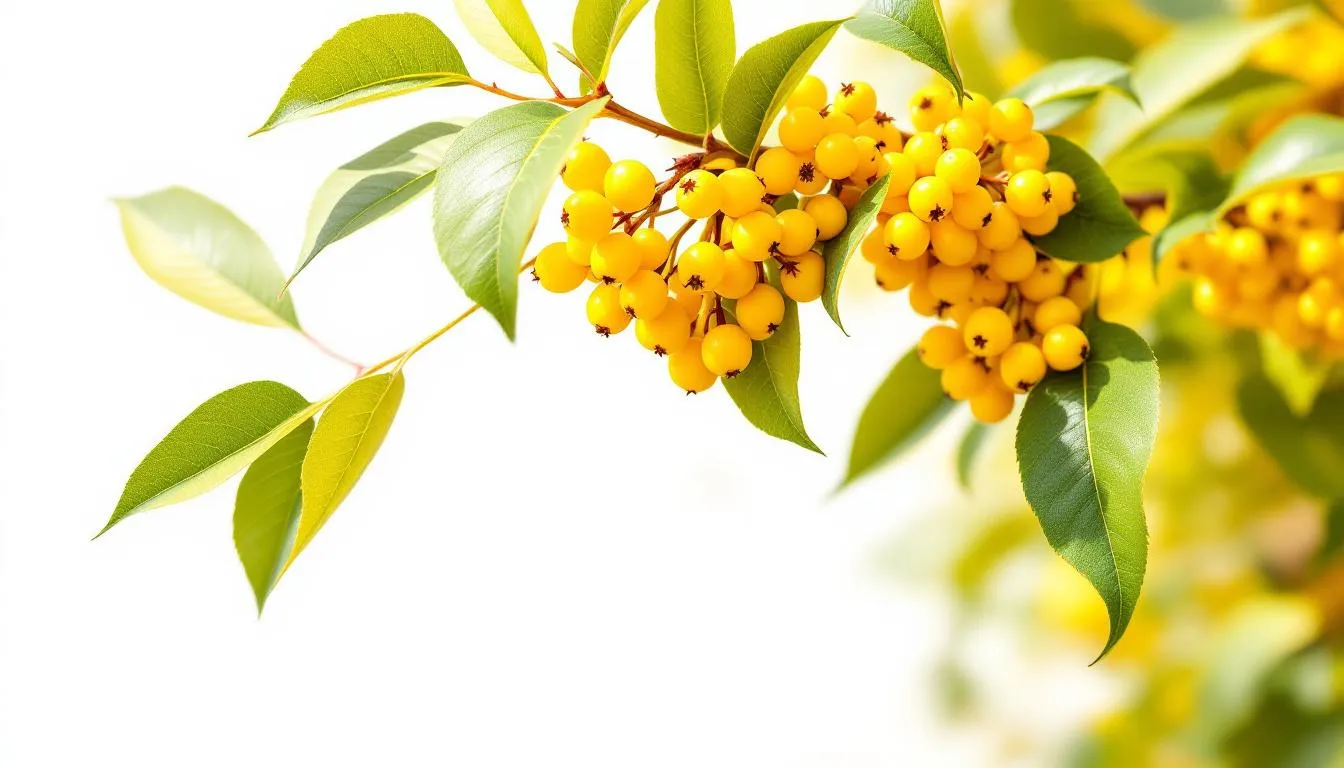
Berberine is a yellow alkaloid found in goldenseal, barberry, Oregon grape, coptis, and several other medicinal plants. It's been used in traditional Chinese and Ayurvedic medicine for over 2,500 years. Modern research has validated many of these traditional uses, particularly around blood sugar regulation, lipid management, antimicrobial activity, and gut health. A 2024 meta-analysis published in Frontiers in Pharmacology analyzed 50 randomized controlled trials involving 4,150 participants and found berberine monotherapy reduced fasting plasma glucose by 0.59 mmol/L, lowered LDL cholesterol by 0.30 mmol/L, and reduced triglycerides by 0.35 mmol/L. When combined with other agents, the HbA1c reduction reached 0.69%.
That's real, clinically meaningful data. So why does bioavailability matter?
Why berberine struggles to absorb
P-glycoprotein is the main villain. P-gp is an efflux transporter that sits in the lining of your small intestine, and its job is to pump foreign compounds back out into the gut lumen before they can cross into your bloodstream. Berberine is a well-recognized P-gp substrate, meaning your body actively treats it as something to be expelled.
Even the berberine that makes it past P-gp faces first-pass metabolism in the liver. A significant portion gets broken down before reaching systemic circulation. The combination of active efflux and liver metabolism is why bioavailability estimates land between 1-5%.
A 500mg dose might deliver only 5-25mg of active berberine to your tissues. And berberine also has a short half-life of about 4-5 hours, which is why dosing three times daily matters.
This isn't a reason to abandon berberine. Even at low bioavailability, the clinical data is strong. But it explains why the right synergy stack matters so much: the right co-compounds can fundamentally shift how much berberine your body actually uses. Use WinAging's supplement interaction checker to map your current stack before adding anything new. Getting the foundation right matters.
How berberine works when it gets through
When berberine does reach your cells, here's what happens across three main mechanisms:
AMPK activation. AMP-activated protein kinase is the master metabolic switch. It gets flipped on when your cells are running low on energy, like during fasting, exercise, or caloric restriction. Exercise activates AMPK. Metformin activates AMPK. And berberine activates AMPK by inhibiting mitochondrial complex I, which shifts the cellular AMP:ATP ratio. The downstream effects include improved glucose uptake, reduced fat synthesis, increased fatty acid oxidation, and better insulin sensitivity. This is why berberine is often called "nature's metformin" — the mechanism is remarkably similar.
mTOR inhibition. When AMPK goes up, mTOR comes down. mTOR (mechanistic target of rapamycin) is the growth and proliferation pathway. Its suppression promotes autophagy, the cellular cleanup process that removes damaged proteins and organelles. For longevity, this is a significant effect. mTOR suppression is one of the most reliable interventions for extending lifespan in model organisms, which is part of why compounds like rapamycin get discussed in longevity circles. Berberine achieves partial mTOR suppression as a secondary effect of AMPK activation.
Gut microbiome modulation. This is berberine's most underappreciated mechanism. A landmark study published in Signal Transduction and Targeted Therapy found that berberine acts like a vitamin in the gut, selectively suppressing TMA-producing bacteria and reducing TMAO levels in plasma by 35-37% after four months of use. TMAO is a pro-atherogenic metabolite derived from gut bacteria metabolizing choline and L-carnitine. High TMAO is associated with increased cardiovascular disease risk. Berberine's ability to reduce TMAO through microbiome modulation, independent of its absorbed fraction, is a meaningful cardiovascular benefit.
Understanding these three mechanisms explains why certain synergy combinations work so well, and why they target complementary rather than redundant pathways.
The best berberine synergy stacks
Berberine + milk thistle: the absorption fix
This is the most impactful berberine synergy you can implement. And it's the most underrated.
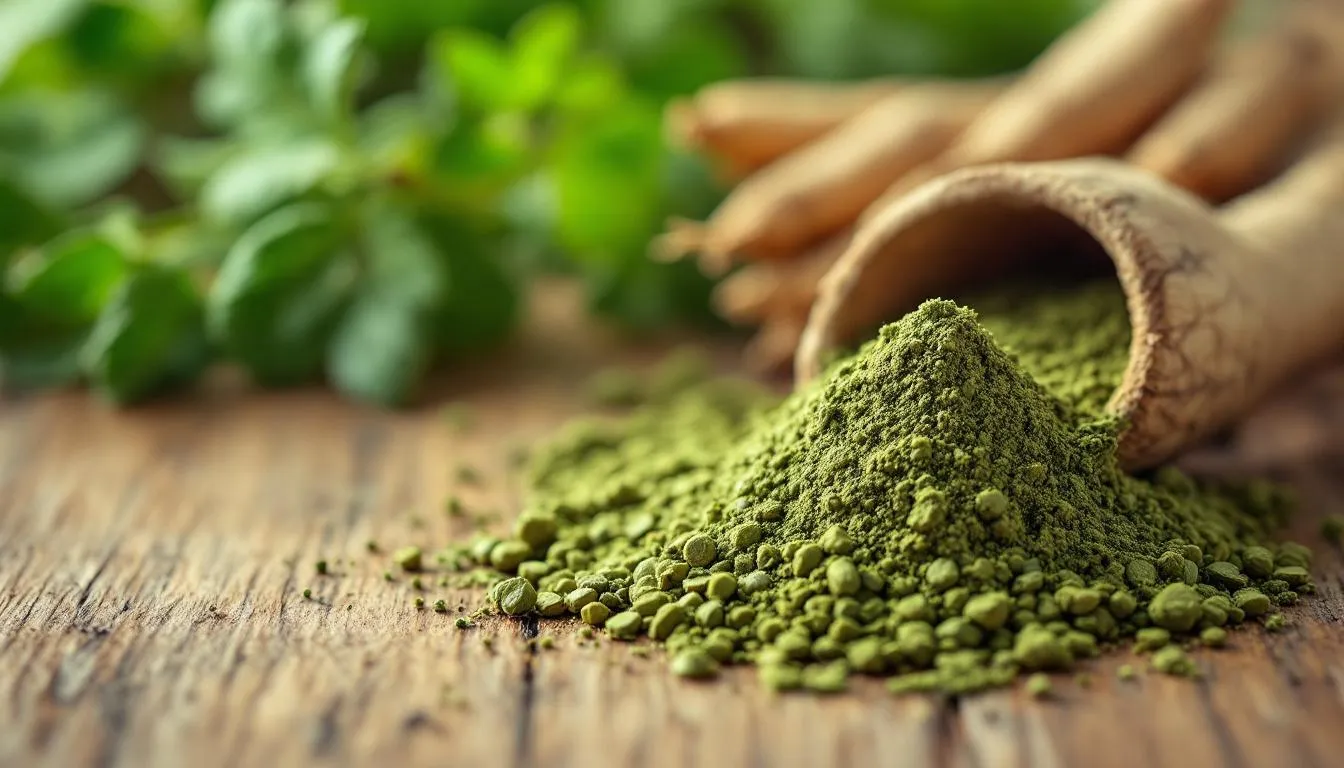
Most people think of milk thistle purely as a liver supplement. It is. But its active compound, silymarin, also happens to be a potent P-glycoprotein inhibitor.
Remember P-gp, the efflux pump that kicks berberine out of your gut? Silymarin blocks it. When you take berberine and milk thistle together, silymarin reduces P-gp activity, allowing significantly more berberine to cross the intestinal wall and enter your bloodstream. Pharmacokinetic studies show that P-gp inhibition substantially increases berberine's area under the curve (AUC) — meaning more berberine in your blood, for longer.
But the synergy doesn't stop at absorption. Both compounds independently support liver health, which matters for long-term berberine use. Berberine at higher doses can mildly stress liver enzymes, particularly when taken continuously. Milk thistle's hepatoprotective effects act as a buffer. You're getting improved berberine absorption and liver protection in the same capsule.
For metabolic health, the combination makes clinical sense. Berberine improves insulin sensitivity and lipid profiles. Milk thistle supports the liver's ability to process fats and regulate glucose output. They target overlapping outcomes through complementary pathways, with milk thistle reinforcing both the delivery and safety of berberine.
If you're choosing one synergistic addition to your berberine protocol, start here. The best berberine supplement guide covers quality benchmarks for berberine products, many of which now include milk thistle as a co-ingredient.
Dosing: Berberine HCl 500mg with meals, 2-3 times daily. Milk thistle standardized to 70-80% silymarin, 150-300mg, 2-3 times daily. Take them together for maximum pharmacokinetic effect. Always verify your stack with the supplement interaction checker before starting.
Berberine + inositol: the blood sugar powerhouse
Berberine and inositol are two of the most studied natural compounds for insulin resistance. They work through completely different mechanisms. That's exactly what makes this combination so compelling.
Inositol acts as a secondary messenger in insulin signaling. When insulin binds to its receptor on a cell, inositol phosphoglycans (IPGs) carry that signal forward inside the cell. If inositol signaling is impaired, or if you're functionally deficient, insulin's message doesn't get delivered. Cells remain resistant even though insulin is present. This is a fundamental feature of type 2 diabetes and PCOS.
Berberine, working through AMPK, bypasses this broken pathway entirely. It doesn't depend on proper insulin receptor signaling to improve glucose uptake. It forces metabolic improvements downstream through an insulin-independent mechanism.
Together, they work on the problem from two different entry points. Inositol helps restore proper insulin receptor signaling. Berberine forces metabolic improvements regardless of receptor function. The combination produces more comprehensive improvements in insulin sensitivity than either compound alone, covering both the receptor-level problem and the downstream metabolic dysfunction.
For women with PCOS, the evidence is particularly strong. Both compounds have been studied individually with good outcomes, and the combination has been explored in clinical trials showing improvements in metabolic markers, androgen levels, menstrual regularity, and ovarian function simultaneously. The research supports using a 40:1 ratio of myo-inositol to D-chiro-inositol for PCOS specifically, combined with berberine at standard doses.
Our full guide on berberine and inositol covers this in detail, including specific dosing protocols for PCOS and blood sugar management. If either is your primary goal, start there before building out the rest of your stack. The WinAging interaction checker can help you verify whether anything else in your current protocol conflicts with this combination.
Dosing: Berberine HCl 500mg with meals, 2-3 times daily. Myo-inositol 2,000-4,000mg daily, either in one dose or split. For PCOS, add D-chiro-inositol at a 40:1 myo:D-chiro ratio.
Berberine + alpha lipoic acid: insulin sensitization and cellular protection
Alpha lipoic acid is unusual in the supplement world. Most antioxidants are either water-soluble or fat-soluble. ALA is both, which gives it access to every compartment in the body. But ALA is much more than an antioxidant.
ALA is also an insulin sensitizer with its own distinct mechanism of action. It activates AMPK through upstream signaling involving Tyk2 and PI3K, a different entry point from berberine's complex I inhibition. And it directly stimulates GLUT4 translocation, moving glucose transporters to the cell surface so glucose can enter muscle cells more efficiently. This peripheral glucose uptake effect complements berberine's primary action on hepatic glucose output reduction.
When you combine berberine with ALA, you're targeting AMPK through two separate upstream mechanisms, improving glucose uptake at the liver (berberine) and muscle (ALA), and providing broad antioxidant coverage that reduces the oxidative stress component of insulin resistance. Chronic inflammation and oxidative stress worsen insulin sensitivity. ALA addresses both.
There's also a specific reason to pair ALA with berberine from a safety perspective. Berberine inhibits mitochondrial complex I as part of its AMPK-activating mechanism. This can generate reactive oxygen species as a secondary effect at higher doses or with long-term use. ALA, as a potent mitochondria-targeted antioxidant, helps neutralize this oxidative burden. It's both synergistic and protective.
This combination logic is why several pre-formulated "Berberine Synergy" supplements combine these two compounds. The formulation rationale is sound and grounded in overlapping mechanisms rather than marketing.
Checking your biomarkers before starting this combination is worth the effort. The biological age calculator at WinAging gives you a baseline to track whether your metabolic interventions are working over 3-6 months. Feeling better is useful data, but objective markers are better.
Dosing: Berberine HCl 500mg with meals, 2-3 times daily. Alpha lipoic acid 300-600mg daily. R-ALA (the R-enantiomer) is significantly more bioavailable than racemic ALA: 150-300mg R-ALA is roughly equivalent to 300-600mg racemic. Take ALA with a meal that contains some fat.
Berberine + chromium: filling the glucose metabolism gap
Chromium is a trace mineral with a specific role in insulin signaling. A chromium-binding protein called chromodulin becomes active when chromium is present and amplifies insulin receptor activity. Without adequate chromium, the insulin receptor signaling cascade is weaker than it should be. The message gets through, but at reduced signal strength.
Modern diets are chronically low in chromium. Refined and processed foods strip chromium during manufacturing. Whole grains, broccoli, green beans, and lean meats are reasonable sources, but people eating processed food diets often fall short of optimal levels.
Adding chromium to a berberine stack covers this nutritional gap. You're not adding dramatic pharmacological force the way ALA does, but you're ensuring that the insulin receptor side of the glucose control equation isn't the weak link. Berberine activates AMPK and reduces hepatic glucose production. Chromium ensures insulin's receptor-level signaling is running at full capacity. They're filling different gaps.
This combination is particularly relevant for people with metabolic syndrome, where multiple defects in glucose metabolism are often present simultaneously. The berberine complex guide explores several pre-formulated products that combine berberine with chromium and other co-factors.
Dosing: Berberine HCl 500mg with meals, 2-3 times daily. Chromium picolinate 200-1,000mcg daily. GTF chromium (glucose tolerance factor) is another well-absorbed form. Don't exceed 1,000mcg daily. The upper tolerable intake level exists because excess chromium can have pro-oxidant effects at high doses.
Berberine + probiotics: the gut microbiome angle
This is the most mechanistically interesting berberine synergy in current research.
Berberine has a dual relationship with gut bacteria. It's selectively antimicrobial against certain harmful species, particularly proteobacteria and pathogenic gram-negative bacteria. But it's also prebiotic-like in its effects on beneficial bacteria that produce short-chain fatty acids. The net result is a microbiome remodeling effect: harmful species get suppressed, beneficial metabolic bacteria get a growth advantage.
This microbiome shift is part of how berberine improves metabolic health beyond what you'd predict from its systemic absorption alone. Remember that TMAO reduction: berberine reduces TMA-producing bacteria in the gut, lowering plasma TMAO by 35-37%. That effect is happening in the gut lumen, not in your bloodstream. The 5% that gets absorbed isn't responsible for this particular benefit.
The 2024 Frontiers in Pharmacology meta-analysis found that berberine combined with probiotics showed enhanced outcomes on multiple metabolic markers compared to berberine alone. The combination works because probiotics help populate the beneficial bacteria that berberine's selective antimicrobial activity is creating space for. You're clearing room and then planting the right seeds.
Specific Lactobacillus and Bifidobacterium strains also have independent TMAO-reducing effects through their own metabolic activity. Combining TMAO-reducing probiotic strains with berberine's TMAO-suppression mechanism may amplify cardiovascular protection beyond what either achieves separately.
Dosing: Berberine HCl 500mg with meals, 2-3 times daily. Multi-strain probiotic with Lactobacillus and Bifidobacterium strains, 10-50 billion CFU daily. Timing consideration: some practitioners suggest separating probiotics from berberine doses by about 2 hours. The antimicrobial effects of berberine in the gut could theoretically reduce probiotic organism survival if taken simultaneously. The evidence for this precaution isn't definitive, but the practice is easy and costs nothing to implement.
The tools section at WinAging is worth exploring if you want to track the downstream effects of microbiome-focused interventions. Gut health changes tend to be slow and subtle, and objective tracking helps distinguish real change from placebo.

Berberine + NMN or resveratrol: the longevity triple stack
This is where berberine moves beyond metabolic health into longevity pharmacology.
NMN and resveratrol both target the sirtuin pathway. Sirtuins (particularly SIRT1) are NAD+-dependent enzymes that regulate DNA repair, inflammation, metabolic health, and longevity at the cellular level. NMN provides the raw material, replenishing NAD+ that sirtuins need to function. Resveratrol activates SIRT1 directly, amplifying its effects even when NAD+ levels are suboptimal.
Berberine activates AMPK. And here's the key connection: AMPK and SIRT1 are co-regulatory. When AMPK activates, it increases the NAD+/NADH ratio (because it shifts cellular metabolism away from fat synthesis toward oxidative metabolism). Higher NAD+ activates sirtuins. SIRT1 in turn can activate AMPK. They form a positive feedback loop.
Combining berberine with NMN or resveratrol targets both sides of this AMPK-SIRT1 axis. NMN boosts NAD+ to keep sirtuins running. Berberine activates AMPK, which further supports NAD+ production. Resveratrol directly stimulates SIRT1 to amplify the whole loop. You're covering the same longevity pathway from three different angles.
This is why the NMN + resveratrol + berberine combination has become popular in serious biohacking circles. It's not random supplement stacking. There's coherent mechanistic logic behind it.
Our analysis of why some people stopped taking NMN covers the counterarguments and concerns worth knowing before committing to long-term NMN use. The case for NMN remains strong for most people, but understanding the critiques matters.
A note on caution: this is a powerful stack. Aggressive AMPK activation combined with NAD+ boosting and direct SIRT1 stimulation isn't something to start at full doses on day one. Build up each component gradually. And because berberine inhibits liver enzymes (CYP3A4, CYP2D6), it can affect how your body metabolizes other compounds in the stack. Check your full combination with the WinAging interaction checker before starting.
Dosing: Berberine HCl 500mg with meals, 2-3 times daily. NMN 250-500mg daily, taken in the morning. Resveratrol 250-500mg daily with a fat-containing meal (fat significantly improves resveratrol absorption). Start with just NMN or resveratrol first, not both simultaneously, until you know how your body responds.
Pre-formulated berberine synergy products
Several supplement companies have created combination products specifically targeting berberine synergy. When you see "Berberine Synergy" on a label, what's typically inside?
The most common formulations combine berberine HCl with alpha lipoic acid and chromium. Designs for Health, a practitioner-grade supplement company, markets a product with this formulation logic. Other brands have followed similar approaches. The rationale is sound: ALA provides complementary AMPK activation and antioxidant protection, while chromium fills the trace mineral insulin signaling gap.
Some formulations add milk thistle as silymarin, which is arguably the most evidence-based addition for bioavailability improvement. If you find a product that combines berberine with silymarin, that's a meaningful selling point. The absorption improvement from P-gp inhibition is real.
What to look for in a berberine synergy supplement:
Berberine content matters first. Most effective doses in clinical research use 500mg per serving. If a formula packs berberine alongside multiple other ingredients into a single 400mg capsule, the berberine content is probably too low to be therapeutic. Therapeutic berberine requires a minimum of 500mg per dose, with most people needing 1,000-1,500mg daily spread across meals. Check the label carefully, not just the product name. The best berberine supplement guide goes into label-reading specifics in detail.
Standardization matters for berberine and for any included botanicals. Berberine HCl is the most studied and most stable form. Berberine from whole-plant extracts at unstated standardization is less predictable in terms of actual berberine content. If milk thistle is included, it should specify standardization to 70-80% silymarin. Generic "milk thistle extract" with no standardization could mean almost anything.
Dosing reality: pre-made synergy formulas often require multiple capsules per serving to deliver therapeutic amounts of each ingredient. Read the per-serving numbers carefully. A product requiring 4 capsules to deliver 1,000mg berberine plus meaningful amounts of co-factors might cost more per month than building the stack from individual supplements. Run the math. The berberine complex guide compares several products with full label breakdowns.
The honest answer is that building your own stack usually gives more dosing control than pre-made formulas. Pre-made products work best for people who value simplicity over optimization. Both are legitimate choices.
Combinations to avoid (or approach with extreme caution)
Not every berberine combination is a good idea. Some are actively risky. Here's what to be careful with.
Berberine + metformin
This is the most common dangerous combination that people stumble into on their own.
Berberine and metformin have nearly identical primary mechanisms. Both inhibit mitochondrial complex I. Both activate AMPK. Both reduce hepatic glucose production. The clinical evidence for berberine in blood sugar management is so strong precisely because it replicates metformin's metabolic actions through similar molecular pathways.
But that similarity is exactly why combining them is a problem. Taking both together creates additive, and potentially synergistic, mitochondrial complex I inhibition. The combination substantially increases the risk of hypoglycemia (blood sugar dropping dangerously low), gastrointestinal distress (berberine's GI side effects are already its main complaint), and potentially increases the rare but serious risk of lactic acidosis that accompanies metformin at high doses or in vulnerable populations.
The 2024 meta-analysis data showing berberine's superior effects when combined with other agents was studying medically monitored combination therapy, not people self-adding berberine to their metformin prescription. If you're on metformin, talk to your prescribing physician before adding berberine. The supplement interaction checker will flag this as a significant concern. This isn't optional guidance.
Berberine + SSRIs and certain antidepressants
Berberine is a meaningful inhibitor of CYP2D6, one of the liver's major drug-metabolizing enzymes. CYP2D6 is responsible for metabolizing several commonly prescribed SSRIs, including fluoxetine (Prozac), paroxetine (Paxil), and fluvoxamine (Luvox), as well as the antidepressants venlafaxine and duloxetine.
When CYP2D6 activity is reduced by berberine, these medications clear your system more slowly. Blood levels rise above intended therapeutic ranges. Side effects increase. This isn't theoretical, it's a documented pharmacokinetic interaction with real clinical relevance.
If you're on any psychiatric medication that goes through CYP2D6 or CYP3A4 (which berberine also inhibits), check with your prescribing physician before adding berberine. The WinAging interaction checker flags known CYP interactions, but is not a substitute for medical guidance when prescription medications are involved.
Berberine + blood thinners
Berberine has mild antiplatelet and anticoagulant effects of its own. If you're taking warfarin, clopidogrel, apixaban, or other anticoagulants, adding berberine's blood-thinning activity to an existing prescription could elevate bleeding risk. The interaction is real enough to warrant a conversation with your physician before proceeding.
Berberine + cyclosporine and immunosuppressants
Berberine inhibits CYP3A4, which is responsible for metabolizing cyclosporine and many other immunosuppressive drugs. If organ transplant maintenance depends on cyclosporine staying within a therapeutic window, berberine's enzyme inhibition can dangerously elevate levels. This is a serious contraindication, not a minor concern.
Berberine during pregnancy
Don't use berberine during pregnancy or while breastfeeding. Berberine crosses the placenta and has been associated with kernicterus (a severe form of neonatal brain damage) in newborns exposed to berberine. It's transferred through breast milk as well. The risk is documented and the avoidance is absolute.
Dosing guide for your berberine synergy stack
You know the combinations. Here's how to implement them practically.
Standard berberine dosing
Clinical trials use 0.9-1.5g of berberine HCl daily, split into 2-3 doses of 500mg each, taken with meals. The "with meals" part matters for two reasons. First, food slows gastric emptying, increasing contact time between berberine and intestinal absorptive cells. Second, berberine's glucose-lowering effects are most relevant around meals, when blood sugar would otherwise spike. Taking it 15-30 minutes before eating or immediately with the first bite is standard.
Most people also experience GI side effects (bloating, cramping, loose stools) when starting berberine, particularly at full doses. Start with 500mg once daily for the first week, twice daily for the second week, and then the full three-times-daily dose in week three. This gradual approach dramatically reduces the likelihood of significant GI issues.
For timing within a synergy stack, our guide on when to take berberine covers the before-bed question and optimal timing windows in detail.
Cycling your berberine stack
Because berberine inhibits CYP3A4, CYP2D6, and CYP2C9, long-term continuous use affects how your body metabolizes other compounds, including both supplements and medications. This is why most experienced practitioners recommend cycling.
A common protocol is 8-12 weeks on, 2-4 weeks off. During the break, liver enzyme activity normalizes and any accumulated pharmacokinetic effects reset. This also provides a natural opportunity to assess whether the stack is still producing measurable benefits, by tracking biomarkers before and after a cycle.
Not every component of a synergy stack needs to cycle in tandem with berberine. Milk thistle can be taken year-round. Probiotics are fine to continue continuously. Inositol doesn't carry the same enzyme inhibition concerns. You can cycle berberine specifically while maintaining the other supportive compounds throughout.
Building to the right dose
When starting a full berberine synergy stack, don't add all components simultaneously. Start with berberine alone for 2-3 weeks. Then add the synergistic compound most relevant to your primary goal. Wait another 2 weeks before adding additional components. This staged approach makes it easier to identify what's contributing and what might be causing side effects if they occur.
The biological age calculator is a useful way to establish a baseline before starting. Come back to it after 12-16 weeks of consistent supplementation. The numbers should move if the stack is working. Use the supplement interaction checker at each stage when you add a new compound.
Choosing your berberine synergy stack
Not everyone needs every combination. Here's a practical framework based on your primary goal.
For blood sugar and metabolic health: Start with berberine + milk thistle as the foundation. The absorption improvement is meaningful for everyone, and the liver support is a useful safety net. Add ALA if you want more insulin-sensitizing coverage or if oxidative stress is a concern. Add chromium if your diet is high in refined carbohydrates. Check the supplement interaction checker after each addition.
For PCOS: Berberine plus inositol is the combination with the most direct clinical support. The berberine and inositol guide covers the evidence and PCOS-specific dosing in detail. Add milk thistle for improved berberine absorption. Start with this three-way combination before complicating the stack further.
For longevity and anti-aging: Berberine plus NMN or resveratrol targets the AMPK-SIRT1 longevity axis from multiple angles. Add milk thistle as a foundation for improved absorption and liver protection. Check our NMN analysis before committing to long-term NMN use at high doses. Track your baseline with the biological age calculator before starting.
For gut health and cardiovascular protection: Berberine plus a quality multi-strain probiotic. The TMAO-reducing effects, microbiome remodeling, and cardiovascular protection from this combination are meaningful. If cardiovascular risk is a primary concern, this stack deserves serious consideration. Verify with WinAging's tools and check with your physician if you're on any heart or cholesterol medications.
For simplicity: A quality pre-formulated berberine synergy product combining berberine with ALA and chromium (and ideally milk thistle as silymarin) is a reasonable starting point. Check the best berberine supplement guide for quality benchmarks and label-reading guidance. The berberine complex guide compares several formulations side by side.
WinAging is built around exactly these kinds of decisions. Longevity supplementation is genuinely complicated, and knowing which combinations are worth your money versus which are marketing noise matters. The free tools at WinAging are a good starting point for anyone building a serious longevity protocol.
Frequently asked questions
What is berberine synergy?
Berberine synergy refers to enhanced effects from combining berberine with specific other compounds. Two types of synergy apply here: pharmacokinetic synergy, where compounds like milk thistle improve berberine's absorption by inhibiting the P-glycoprotein efflux pump, and pharmacodynamic synergy, where compounds like alpha lipoic acid or inositol complement berberine's mechanisms of action through different pathways. Several supplement brands also sell products called "Berberine Synergy" that pre-combine berberine with metabolic co-factors like ALA and chromium.
Can I take berberine with milk thistle?
Yes. This is one of the most evidence-backed berberine combinations available. Milk thistle's silymarin component inhibits P-glycoprotein, the efflux transporter responsible for limiting berberine absorption, which can significantly increase how much berberine enters your bloodstream. Milk thistle independently supports liver health, which provides a useful safety net for long-term berberine use. The best berberine supplement guide covers products that include both together. Check any full stack with the supplement interaction checker before starting.
Is berberine and inositol safe for PCOS?
Generally yes. Both compounds have strong individual safety profiles, and their combination has been studied specifically in women with PCOS without significant adverse events. The combination produces more comprehensive improvements in PCOS markers (metabolic, hormonal, and ovulatory) than either compound alone. If you're pregnant, nursing, or on hormonal medications (including oral contraceptives), consult your healthcare provider before adding either compound. The full berberine and inositol guide covers PCOS-specific protocols in detail.
Can I stack berberine with NMN?
Yes. Berberine (AMPK activation) and NMN (NAD+ replenishment, sirtuin support) target complementary longevity pathways and don't interact negatively in terms of mechanism. Note that berberine inhibits CYP3A4 and CYP2D6, which could affect the metabolism of other supplements or medications you're taking alongside this stack. Use the WinAging interaction checker to verify your full combination and check our NMN analysis before committing to long-term use.
Should I cycle berberine?
Most practitioners recommend it: 8-12 weeks on, 2-4 weeks off. The primary rationale is allowing liver CYP enzyme activity to normalize, since berberine inhibits CYP3A4, 2D6, and 2C9 with continuous use. There isn't strong evidence that berberine loses effectiveness over time (tolerance development appears minimal), but the cycling approach is a sensible precaution, particularly if you're taking other supplements or medications where enzyme inhibition has clinical relevance.
How long does berberine take to work?
Most clinical trials see meaningful improvements in blood glucose and lipid markers within 4-12 weeks of consistent use at therapeutic doses (500mg two or three times daily with meals). Some people notice reduced postprandial blood sugar spikes within the first week. For the full microbiome, cardiovascular, and metabolic benefits of a berberine synergy stack, 12-16 weeks is a reasonable minimum trial period before evaluating outcomes objectively. Track your baseline first with the biological age calculator.
What's the difference between berberine HCl and berberine sulfate?
Berberine hydrochloride (HCl) is the form used in virtually all clinical trials and is the established standard for therapeutic use. Berberine sulfate is less common and has significantly less clinical evidence. For replicating outcomes from the published research, berberine HCl is the correct form to use. Some products use whole-plant extracts (from barberry or goldenseal) without specifying the berberine content, which makes consistent dosing unreliable. Always check for stated berberine HCl content on the label.
Can I take berberine if I'm on blood pressure medication?
Berberine has mild blood pressure-lowering effects through its cardiovascular and metabolic mechanisms. If you're on antihypertensive medication, combining berberine could lower blood pressure more than intended. The same logic applies to any medication whose primary effect overlaps with berberine's: blood sugar-lowering drugs, lipid-lowering medications, anticoagulants. Check with your prescribing physician before adding berberine, and use the supplement interaction checker as a first screening step.
Looking for a complete protocol, not just one compound? The WinAging protocol builder creates personalized longevity stacks based on your specific goals and health profile.
Related guides
- Best berberine supplement: what to look for and what to avoid
- Berberine and inositol: the combination guide for blood sugar and PCOS
- Berberine complex: what's in these formulas and do they work?
- Supplement interaction checker
- Why I stopped taking NMN: what the research actually shows
Sources
- Effects of administering berberine alone or in combination on type 2 diabetes mellitus: a systematic review and meta-analysis (Frontiers in Pharmacology, 2024)
- Berberine treats atherosclerosis via a vitamine-like effect down-regulating Choline-TMA-TMAO production pathway in gut microbiota (Signal Transduction and Targeted Therapy, 2022)
- Pharmacokinetic Drug-Drug Interactions and Herb-Drug Interactions (PMC, 2021)
Your longevity stack doesn't need to be complicated. Berberine is one of the most versatile and well-researched metabolic compounds in the supplement world. The right synergy stack, built around your specific goal, multiplies its benefits without dramatically increasing complexity.
Start with milk thistle to fix the bioavailability problem. Add one or two synergistic compounds based on whether your primary concern is blood sugar, PCOS, longevity, or cardiovascular health. Check every combination for interactions before starting. And track your biomarkers to know what's actually moving the needle, not just what feels like it might be working. Explore the free tools at WinAging and take a data-driven approach to building a longevity protocol that's grounded in the science.