Berberine for Menopause: Benefits, Dosage and What the Research Shows
Berberine targets the metabolic chaos of menopause. See what clinical research shows on weight, cholesterol, insulin resistance, bone health, and mood.
Most menopause conversations focus on hot flashes. That's understandable. Hot flashes are miserable. But the bigger story, the one that matters most for long-term health, is what happens to your metabolism when estrogen drops.
Insulin resistance spikes. Cholesterol worsens. Visceral fat accumulates around your abdomen. Mood destabilizes. Bone turnover accelerates. It's not one problem. It's six problems hitting at once, and conventional medicine often treats each in isolation, if it treats them at all.
Berberine doesn't address hot flashes directly. But it targets the metabolic cascade that estrogen loss triggers, specifically through a cellular pathway called AMPK, which estrogen normally keeps activated. When estrogen drops, AMPK activity falls. When berberine raises it back up, a significant portion of the downstream metabolic dysfunction starts to reverse.
The research is more specific than most people know. A 535-woman Italian RCT showed berberine lowered LDL by 16.7%, improved hot flash scores, and reduced blood pressure in postmenopausal women. An 18-study meta-analysis confirmed berberine's effects on glucose, insulin resistance, LDL, and triglycerides with strong statistical significance. A 14-week bone health study showed berberine cut osteocalcin (a bone resorption marker) by 31%.
This is what berberine does at menopause. Not a cure-all. Not a replacement for HRT. But a compound that addresses multiple metabolic consequences of estrogen loss simultaneously, with a strong safety profile and growing clinical backing. WinAging covers the full longevity stack, and berberine is one of the most well-evidenced tools for women navigating this transition.
Here's what you need to know.
The metabolic reality of menopause
Menopause isn't just the end of periods. It's a fundamental metabolic shift that most women are never fully told about.
When estrogen drops, your body loses a powerful regulator of insulin sensitivity, fat distribution, cholesterol metabolism, inflammation, and bone remodeling. These aren't subtle changes. Insulin resistance can worsen by 30–40% in the first few years postmenopause. LDL rises. HDL often falls. Fat that used to accumulate subcutaneously (under the skin) shifts to visceral depots around your organs, where it's far more metabolically dangerous and inflammatory.
The result: a significant portion of women who had no metabolic issues premenopause develop elevated fasting glucose, high triglycerides, worsening cholesterol panels, and stubborn abdominal weight gain within five to seven years of their final period. The cardiovascular protection that estrogen had been providing quietly disappears.
It doesn't stop there. Bone remodeling accelerates as osteoclast activity (bone breakdown) outpaces osteoblast activity (bone building) without estrogen's restraining influence. Mood regulation destabilizes. Many women experience cognitive fog, disrupted sleep, and depressive symptoms they've never had before. Some of this is sleep disruption from vasomotor symptoms. Some of it is direct neurochemical.
This is a cluster of risk factors for heart disease, osteoporosis, type 2 diabetes, and cognitive decline arriving in roughly the same window. Managing it matters enormously for long-term health. Berberine doesn't solve all of it. But it addresses more of this picture, simultaneously, than almost any other non-prescription compound available.
AMPK: the missing link between estrogen and metabolism
To understand why berberine works so well for menopause, you need to understand one cellular enzyme: AMPK (AMP-activated protein kinase).
AMPK is your body's master energy sensor. When cellular energy is low (more AMP, less ATP), AMPK activates. It signals cells to stop fat synthesis and start burning stored fat for fuel. It improves insulin signaling. It drives glucose uptake in muscle independent of insulin. It reduces inflammatory signaling. It promotes mitochondrial biogenesis. When AMPK is active, metabolism functions efficiently.
Estrogen normally stimulates AMPK in peripheral tissues: skeletal muscle, adipose tissue, and the liver. This is a core mechanism behind estrogen's protective metabolic effects. Active AMPK maintains insulin sensitivity, keeps visceral fat in check, supports LDL clearance, and dampens inflammation.
When estrogen drops at menopause, peripheral AMPK activity falls. The downstream effects are precisely the metabolic problems described above: insulin resistance, visceral fat accumulation, worsening lipid panels, increased inflammation. The AMPK connection explains why these problems emerge together and so quickly.
There's also an interesting wrinkle in the hypothalamus. In the brain's energy-regulating center, estrogen actually suppresses AMPK to maintain energy balance and thermogenesis. When estrogen drops, hypothalamic AMPK rises abnormally, contributing to vasomotor symptoms (hot flashes, night sweats). Berberine's peripheral AMPK activation doesn't fully address this central mechanism, which is why it's not a strong solution for hot flashes specifically. For everything else metabolic? It's remarkably effective.
How berberine activates AMPK
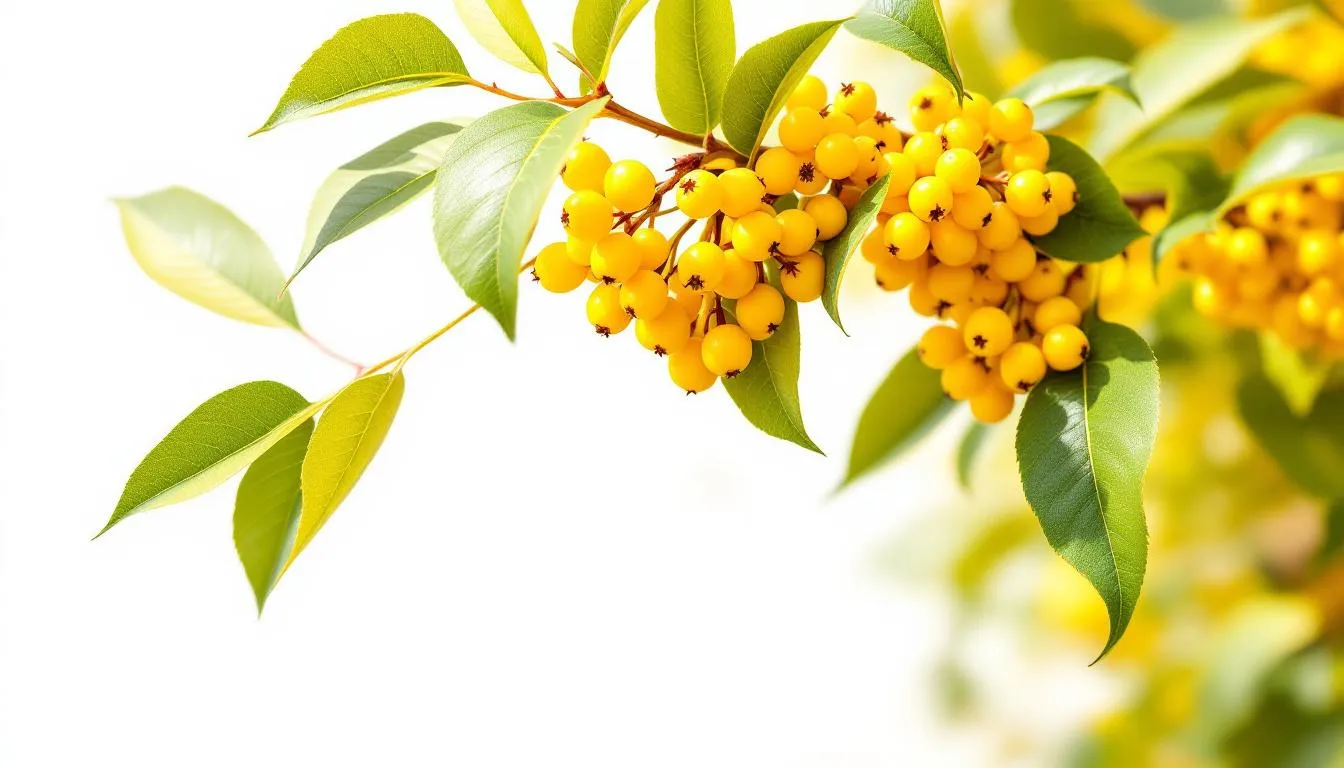
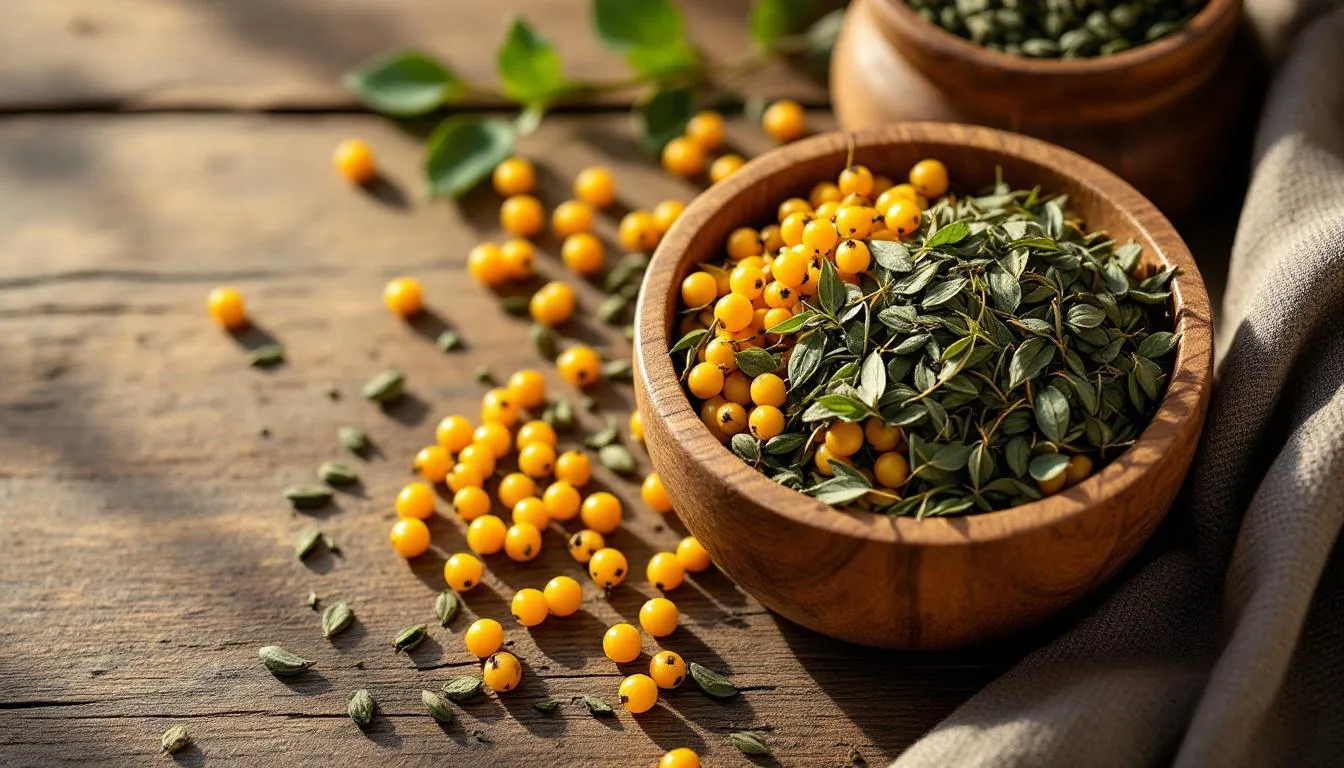
Berberine is an alkaloid found naturally in plants including Berberis vulgaris, goldenseal, and Oregon grape. It activates AMPK by mildly inhibiting Complex I in the mitochondrial electron transport chain.
At normal doses, this causes a temporary reduction in ATP production. AMP rises relative to ATP. AMPK detects this apparent "energy deficit" and activates. The downstream effects are essentially the same as what happens when you exercise or fast: glucose uptake increases, fat burning accelerates, insulin sensitivity improves, inflammatory signaling falls.
This mechanism also explains why berberine is often compared to metformin, the most commonly prescribed diabetes medication. Metformin works partly through the same Complex I inhibition and AMPK activation. Head-to-head clinical studies have found berberine's glucose-lowering effects comparable to metformin in patients with type 2 diabetes, which is remarkable for a naturally derived compound without a prescription requirement.
Beyond AMPK, berberine upregulates hepatic LDL receptors (a mechanism completely separate from statins), increases GLUT4 translocation to cell membranes for insulin-independent glucose uptake, reshapes the gut microbiome toward better metabolic function, and reduces inflammatory cytokines including IL-6, IL-1beta, and TNF-alpha. At menopause, when inflammation is elevated and multiple pathways are simultaneously dysregulated, this multi-target profile is genuinely useful.
What the clinical studies actually show
The research on berberine in postmenopausal women is more substantial than most people realize.
The 535-woman Italian RCT. This is the largest study specifically in menopausal women. A multicenter randomized controlled trial enrolled 535 Italian women with an average age of 53.8, approximately 3.8 years postmenopausal. The intervention included 500mg berberine alongside soy isoflavones 60mg, Lactobacillus sporogenes, vitamin D3, and calcium.
After three months, total cholesterol fell 9.2% in the berberine group versus 4.9% in controls. LDL dropped 16.7% versus 9.9% in controls, a statistically significant difference (p<0.05). Triglycerides fell 13.3% versus 6.3%. Hot flashes, night sweats, palpitations, vaginal dryness, and libido all improved in both groups, with the berberine formula showing better outcomes. Systolic blood pressure fell significantly in the berberine group (p=0.0102). A real-world clinical picture of berberine in action at menopause.
The 18-study meta-analysis. A major meta-analysis pooling 18 RCTs and 1,449 participants confirmed statistically significant improvements across: triglycerides (SMD 0.94, p<0.001), total cholesterol (SMD 1.06, p<0.001), LDL (SMD 1.77, p<0.001, the strongest effect), HDL (improved, p<0.001), fasting glucose (SMD 0.65, p<0.001), and insulin resistance via HOMA-IR (SMD 1.25, p=0.01). Critically, treatment beyond three months significantly increased efficacy. Benefits build over 12–24 weeks, not days.
The sex-specific HDL finding. A separate meta-analysis of 1,788 participants found something particularly relevant for women: berberine increases HDL in women by +0.11 mmol/L, while it slightly decreases HDL in men. For postmenopausal women where declining HDL is a cardiovascular risk factor, this directional difference is genuinely important.
The bone health pilot. A 14-week controlled trial in postmenopausal women testing berberine sulfate plus vitamin D3 and K1 found serum osteocalcin (bone resorption marker) fell 31% in the treatment group (p=0.02) while it rose 19% in placebo (p=0.03). Vitamin D levels rose 23% in the treatment group versus falling 12% in placebo. Preliminary but mechanistically coherent.
The 6 ways berberine helps at menopause
Insulin resistance and blood sugar
This is where berberine's evidence is strongest, and it's the most consequential problem at menopause. Insulin resistance worsens dramatically after estrogen drops. Cells become less responsive to insulin's signal to absorb glucose. Blood sugar stays elevated longer after meals. Over time, this progression drives weight gain, elevated HbA1c, and eventually type 2 diabetes risk.
Berberine addresses this through multiple simultaneous mechanisms: AMPK activation improves insulin signaling directly, GLUT4 translocation increases glucose uptake independent of insulin, and Complex I inhibition drives cells toward fat burning rather than glucose storage.
From clinical trials: fasting glucose drops roughly 20% in people with elevated baseline values. HbA1c improves at rates comparable to metformin in some trials. HOMA-IR falls significantly (SMD 1.25). For a postmenopausal woman in the early stages of metabolic dysfunction, these changes can meaningfully slow the progression toward diabetes.
If you're stacking berberine with other compounds, alpha-lipoic acid is worth considering. It's a complementary AMPK activator with independent insulin-sensitizing effects. Chromium is another common addition that supports glucose metabolism and may enhance berberine's blood sugar effects.
Cholesterol and cardiovascular risk
After menopause, LDL rises, HDL often falls, and triglycerides worsen. This is one of the major drivers of cardiovascular disease risk in postmenopausal women. Estrogen had been keeping LDL clearance efficient. Without it, the lipid picture changes fast.
Berberine lowers LDL through a mechanism entirely distinct from statins. Rather than blocking HMG-CoA reductase (the statin target), berberine upregulates LDL receptors in the liver. More receptors means more LDL gets cleared from circulation. This means berberine can be combined with statins for additive LDL-lowering, and it works through a pathway that remains effective when statins cause muscle-related side effects.
The clinical numbers: LDL reductions of 12–17% in menopausal women studies. Total cholesterol down 9–13.5%. Triglycerides down 13–19%. And HDL increases specifically in women (+0.11 mmol/L). That's a comprehensive cardiovascular risk reduction profile from a single compound.
For further cholesterol support, bergamot extract has strong LDL-lowering evidence through a different pathway from berberine, making them potentially synergistic. The berberine with milk thistle combination is also popular for liver support alongside cholesterol management.
Weight gain and visceral fat
Menopausal weight gain isn't simply about calories. The hormonal shift changes where fat is stored, favoring visceral depots around abdominal organs over subcutaneous fat. Visceral fat is metabolically active, inflammatory, and strongly associated with cardiovascular and metabolic disease.
AMPK activation is central to berberine's weight effects. Active AMPK inhibits fat synthesis (via SREBP-1c suppression), promotes fat oxidation, and improves leptin sensitivity (the hormone that signals satiety and regulates energy expenditure). In a 12-week obesity study, berberine 500mg/day produced roughly 5 pounds of weight loss alongside 23% triglyceride reduction and 12% cholesterol reduction. In a metabolic syndrome study, BMI fell from 31.5 to 27.4 kg/m² over three months, with leptin dropping from 8.01 to 5.12 μg/L.
Berberine isn't a rapid fat-loss compound. But for menopausal weight gain specifically, where calorie restriction alone often fails to address the hormonal and metabolic component, berberine's AMPK-mediated approach targets the actual mechanism rather than just energy balance.
For a deeper dive on the weight angle, berberine for weight loss covers what the research shows specifically for body composition. The berberine and inositol combination has shown additive effects on blood sugar regulation and weight management, particularly relevant for the insulin resistance picture at menopause.
Mood, depression, and cognitive function
Around 15–50% of women experience depressive symptoms during the menopausal transition. Some of this is sleep disruption from vasomotor symptoms. But some is direct neurochemical, as estrogen plays a significant role in serotonin and dopamine regulation.
Berberine has documented effects on neurotransmitter levels. Animal studies show increases in serotonin (+47%), norepinephrine (+31%), and dopamine (+31%) at low-to-moderate doses. It raises BDNF (brain-derived neurotrophic factor) and NGF (nerve growth factor), both associated with mood stability and cognitive resilience. And it reduces neuroinflammation via IL-6 and TNF-alpha suppression.
Human RCT data on berberine specifically for menopausal mood is still limited. The Italian menopausal study showed improvement across overall symptom scores that included mood-related measures. The mechanistic evidence is solid. The isolated clinical trial data for menopausal depression is still building.
The compounds most directly supported for mood at menopause include saffron extract (serotonergic effects) and glycine combined with taurine for neurological calming and sleep quality. And since disrupted sleep drives so much of the mood dysfunction at menopause, taurine for sleep is worth considering as a complementary addition. Berberine fits as an anti-inflammatory and neurotransmitter-modulating agent alongside these, not the primary mood compound, but a useful one.
Bone health
Bone loss accelerates sharply in early postmenopause. Estrogen normally inhibits osteoclast activity (bone breakdown). Without it, bone resorption outpaces formation, reducing bone mineral density and increasing fracture risk.
Berberine appears to support bone health through AMPK activation in osteoblasts (bone-forming cells) and direct effects on bone remodeling markers. The 14-week pilot study in postmenopausal women showed osteocalcin (bone resorption marker) fell 31% in the treatment group, while the placebo group's osteocalcin rose 19%. The combination with vitamin D3 and K1 appeared synergistic.
This is one area where vitamin D3 and K2 are genuinely complementary. Vitamin D3 supports calcium absorption, and K2 (specifically MK-7) directs calcium into bone rather than arteries. Together with berberine's effects on bone remodeling, you get a more complete bone protection stack.
For women with significant bone density concerns, berberine's bone effects are promising but not established at the level of bisphosphonate drugs or high-dose estrogen therapy. Think of it as a supportive compound within a comprehensive bone protocol rather than a standalone solution.
Gut microbiome and estrogen recycling
This is the mechanism most people miss entirely. Your gut bacteria play a surprisingly important role in estrogen metabolism through a process called the estrobolome. Certain gut bacteria produce an enzyme (beta-glucuronidase) that deconjugates estrogen in the intestine, allowing it to be reabsorbed into circulation through enterohepatic cycling.
When the gut microbiome is dysbiotic (disrupted), this estrogen recycling process changes, affecting total estrogen exposure and potentially worsening the menopausal transition. Gut dysbiosis also drives elevated inflammation, which is already a problem postmenopause.
Berberine has well-documented effects on gut microbiome composition. It promotes growth of Akkermansia muciniphila, strongly associated with metabolic health and reduced intestinal permeability, and reshapes microbial diversity in metabolically favorable directions. This gut effect likely contributes to berberine's broader benefits through pathways beyond AMPK alone.
Taking berberine alongside a quality probiotic or fermented foods is sensible. The berberine synergy formulas that include Lactobacillus strains (as in the Italian menopausal study) are specifically designed to support this gut-estrobolome connection.

Dosage guide for menopausal women
The standard dosing range from clinical research is 900–1,500mg per day, divided into two or three doses with meals.
The most common protocol: 500mg twice daily (1,000mg total), taken with or just after breakfast and dinner. This is the dose used in most of the menopausal studies referenced in this article.
For more aggressive metabolic support: 500mg three times daily (1,500mg total) with each main meal. Don't exceed this without medical guidance. Doses above 1,500mg increase the risk of hypotension and GI issues.
Timing with meals matters for two reasons. First, berberine's effects on blood sugar and lipids are most active during the postprandial period. Second, food significantly reduces the GI side effects that some people experience when starting. The question of berberine before or after meals is covered in detail in a dedicated guide, and so is the question of taking berberine before bed if you're wondering about evening dosing.
Start low and titrate up. Begin at 500mg once daily for the first week. Move to 500mg twice daily in weeks 2–3. Add a third dose if needed and tolerated. This gradual approach minimizes GI adjustment issues.
Duration matters more than most people expect. The 18-study meta-analysis specifically found that treatment beyond three months significantly increased efficacy. Plan for at least a 12-week commitment to assess berberine's full effect on your cholesterol panel and metabolic markers. Many women continue long-term as a maintenance protocol.
Berberine phytosome dosage: If using the phytosome form, you need substantially less. Typical dose is 300–550mg/day in two divided doses. The higher bioavailability means comparable blood levels to 1,000–1,500mg of standard HCL.
Want to know which berberine product to start with? The best berberine supplements guide compares top brands by purity, form, and value.
Berberine vs. HRT: the honest comparison
These aren't competing treatments. They work through entirely different mechanisms and address different aspects of the menopausal experience.
HRT (hormone replacement therapy) directly replaces the estrogen your body has stopped producing. It's the most effective treatment for vasomotor symptoms (hot flashes, night sweats). It significantly reduces fracture risk (by 30–40%). It addresses vaginal atrophy, libido, and several quality-of-life issues that berberine doesn't meaningfully touch. For women with severe menopausal symptoms and no contraindications, low-dose HRT is a genuinely powerful tool.
The trade-offs: some combined estrogen/progestogen formulations carry a small increased breast cancer risk with long-term use. Cardiovascular effects are complex and depend on formulation and timing. HRT is contraindicated for women with estrogen-sensitive cancers, prior blood clots, or certain cardiovascular conditions. Many women cannot or choose not to use it.
Berberine doesn't replace estrogen. It addresses the downstream metabolic consequences of estrogen loss: insulin resistance, dyslipidemia, visceral fat, bone remodeling, gut dysbiosis. It has an excellent safety profile and no breast cancer signal. Berberine is actually being studied for anti-proliferative properties in various cancer contexts. For women who cannot use HRT or prefer not to, berberine becomes even more relevant as a metabolic intervention.
The practical framing: if severe vasomotor symptoms are your primary issue, HRT works better for that specific problem. But for the cardiovascular and metabolic consequences of estrogen loss, which are the primary long-term health risks, berberine addresses multiple pathways simultaneously that HRT doesn't directly target. Many functional medicine physicians use both together.
Which form of berberine is best for menopause
Standard berberine HCL
This is the form used in the vast majority of clinical trials, including all the menopausal studies cited here. The evidence base is strongest for HCL. It's also the most affordable option by a significant margin.
The limitation: poor bioavailability. Berberine HCL is poorly absorbed in the gut. It's not particularly water-soluble or fat-soluble, and it undergoes significant first-pass metabolism in the liver. To achieve therapeutic blood levels, you need 900–1,500mg/day in multiple divided doses. Taking berberine on an empty stomach is generally not recommended, as food meaningfully improves both absorption and tolerability.
Berberine phytosome
Berberine phytosome binds berberine to phosphatidylcholine (a phospholipid), dramatically improving absorption through intestinal cell membranes. Studies show 5–10x higher systemic bioavailability versus standard HCL.
At 300–550mg/day, berberine phytosome achieves comparable blood levels to 1,000–1,500mg of HCL. Fewer capsules. More consistent peak plasma concentrations. And significantly better GI tolerability, which matters for perimenopausal and postmenopausal women who often have heightened GI sensitivity.
The trade-off is cost. Phytosome forms typically run 2–3x the price per gram of berberine. Dose savings partially offset this, but it remains a real consideration.
For menopausal women dealing with GI sensitivity or who struggle with three doses per day, phytosome is worth the premium. For those without GI complaints who are comfortable with the 3x/day protocol, standard HCL is effective and well-evidenced.
The berberine phytosome supplements guide breaks down the best phytosome products and goes deeper on the bioavailability data. For a broader comparison of standard versus enhanced forms, see the berberine complex breakdown.
How to build a menopause supplement stack with berberine
Berberine doesn't have to work alone. Several compounds have complementary mechanisms that stack well for the specific metabolic picture at menopause.
Core metabolic stack:
Berberine HCL 500mg twice daily (or phytosome 300mg twice daily) with meals. Add myo-inositol 2g twice daily, a compound that in a study of 80 postmenopausal women improved glucose, insulin, triglycerides, and blood pressure independently. The berberine and inositol combination has additive effects on blood sugar regulation. Our berberine vs inositol comparison explains how the two work differently and why they pair well. Round this out with magnesium glycinate 300–400mg at night, which improves insulin sensitivity, sleep quality, and reduces cortisol, all relevant at menopause.
Bone health stack:
Add vitamin D3 and K2 to berberine for bone protection. The 14-week bone study specifically combined berberine with D3 and K1. Vitamin K2 as MK-7 (100–200mcg/day) directs calcium into bone rather than into arteries. This combination covers multiple bone health pathways simultaneously.
Cardiovascular stack:
Omega-3 EPA/DHA at 2–4g/day stacks additively with berberine's triglyceride-lowering through different mechanisms. Bergamot extract provides complementary LDL-lowering through pathways distinct from berberine, making it genuinely additive for cardiovascular risk reduction.
Longevity additions:
Resveratrol and NMN target SIRT1 and NAD+ pathways that interact with AMPK downstream, addressing the broader longevity picture beyond metabolic symptoms. Spermidine is also worth considering. It activates cellular autophagy through a different pathway from berberine, and there's growing evidence for its specific benefits in women's longevity. Spermidine-rich foods are a natural way to get started before deciding on supplementation.
Drug interactions to flag:
If you're on metformin, combining it with berberine amplifies glucose-lowering. For diabetics, this can cause hypoglycemia. Always discuss with your prescribing doctor first. Berberine also inhibits CYP3A4 and CYP2D6 liver enzymes, which can raise blood levels of statins, antidepressants, anticoagulants, and several other common medications. Before stacking, run your protocol through the supplement interaction checker to flag any interactions.
Not sure what a full personalized menopause stack should look like for your specific situation? WinAging's AI protocol builder generates personalized supplement recommendations based on your age, goals, medications, and health history, including guidance on whether and how to use berberine in your stack.
Side effects and what to watch for
The most common side effects are gastrointestinal: nausea, cramping, loose stools, or constipation, especially in the first few weeks. Around 34.5% of people on 1,500mg/day report transient GI effects. The best way to avoid this: start at 500mg once daily and titrate up over 2–4 weeks. Taking berberine with food, not on an empty stomach, also significantly reduces GI issues. If you're still having trouble, switching to the phytosome form typically resolves it.
Blood pressure: berberine can lower blood pressure, which was a benefit in the menopausal RCT. But if you're already on antihypertensives, monitor BP when adding berberine. The two effects can be additive.
Drug interactions worth knowing: warfarin (INR can rise unpredictably), SSRIs and SNRIs (CYP2D6 inhibition raises drug levels), statins (CYP3A4 inhibition), cyclosporine (significant pharmacokinetic interaction). If you take any prescription medications, check interactions carefully before starting berberine.
Some women find berberine affects sleep quality as well, often positively due to blood sugar stabilization overnight, but worth knowing about. The supplement interaction checker at WinAging covers berberine-specific combinations if you want a systematic review of your current protocol.
Who should (and shouldn't) take berberine for menopause
Good candidates: Postmenopausal or perimenopausal women with elevated cholesterol, triglycerides, or fasting glucose. Women who prefer non-HRT approaches, or cannot use HRT due to contraindications. Anyone focused on metabolic health during the transition: blood sugar, weight, and cardiovascular risk. Women experiencing mood changes alongside metabolic symptoms. And women already eating well and exercising who want additional metabolic support during this specific window.
Use with caution or medical supervision: Women taking prescription medications (statins, antidepressants, anticoagulants, immunosuppressants) due to drug interactions. Women with diabetes on metformin or insulin, where blood sugar monitoring is needed. Women with active liver conditions, since berberine is hepatically metabolized. Women with low baseline blood pressure.
Not recommended: Pregnancy (still possible during perimenopause): berberine can cross the placenta. Women with estrogen-sensitive cancers (ER+ breast cancer): the estrobolome effects warrant medical supervision. Women with known hypersensitivity to berberine-containing plants.
The bottom line: berberine has a strong safety profile across all major RCTs, with no serious adverse events reported. But it's pharmacologically active, it affects blood glucose, and it interacts with multiple prescription medications. Treat it with the same care you'd give any effective medication.
Frequently asked questions
Does berberine help with hot flashes?
Direct evidence is limited. The 535-woman Italian study showed improvement in hot flash scores, but berberine was combined with isoflavones and other compounds, making it hard to isolate berberine's specific contribution. The mechanism behind hot flashes (abnormal hypothalamic AMPK activity) differs from berberine's peripheral AMPK activation. Berberine is better supported for the metabolic consequences of menopause (cholesterol, blood sugar, weight) than for vasomotor symptoms specifically. For hot flashes, HRT or soy isoflavones have stronger direct evidence.
How long does it take for berberine to work at menopause?
Blood sugar effects are often noticeable within 2–4 weeks. Cholesterol improvements take 6–8 weeks to fully emerge. The 18-study meta-analysis found that treatment beyond three months significantly increases efficacy across all measured outcomes. Plan for a minimum 12-week trial to properly assess berberine's effect on your metabolic markers. Most women continue for six months or longer to see the full picture.
Can I take berberine with HRT?
In general, yes. They work through different mechanisms and there are no direct pharmacokinetic interactions between berberine and standard HRT formulations (estrogen or progesterone). The combination can provide better coverage of both vasomotor symptoms (HRT) and metabolic consequences (berberine) than either alone. That said, always discuss new supplements with your prescribing doctor, particularly given berberine's effects on blood pressure and glucose.
What's the best berberine supplement for menopausal women?
The best berberine supplements guide covers the top picks. For menopausal women specifically, brands using berberine HCL at 500mg per capsule, third-party tested for purity, and free of unnecessary fillers are the standard starting point. For GI sensitivity, see the berberine phytosome supplements guide for that specific category.
Does berberine interact with menopause medications?
Yes, potentially. Berberine inhibits CYP2D6 and CYP3A4, affecting how many common drugs are metabolized. Antidepressants (frequently prescribed at menopause), statins, and anti-anxiety medications can all have elevated blood levels when combined with berberine. Always check interactions using the supplement interaction checker or with your doctor before starting.
Is berberine safe long-term for postmenopausal women?
Clinical trial data covers up to 24 weeks, with no serious adverse events reported in any major RCT. Long-term multi-year data in humans is limited but experience in functional medicine settings suggests good tolerability over extended periods when GI side effects are managed. Some practitioners recommend a 2-month break every 6 months as a precaution, though there's no strong evidence this is required. The main ongoing consideration is drug interactions and blood pressure monitoring.
The metabolic consequences of menopause are real, they're significant, and most of them are addressable. Berberine hits more of them simultaneously than any other non-prescription compound with this level of clinical backing. It's not a replacement for HRT when HRT is appropriate. But for the metabolic picture specifically, it's one of the most well-evidenced tools available.
Start with 500mg twice daily with meals. Give it 12 weeks. Track your fasting glucose and cholesterol panel at the start and end. The research suggests you'll see meaningful changes.
Ready to build a complete menopause supplement protocol? WinAging's AI protocol builder creates a personalized stack based on your specific goals, medications, and health history. No guesswork.
Related guides
- Berberine and inositol: how they work together
- Berberine vs inositol: which is better for you
- Best berberine supplement: what to look for
- Spermidine benefits for women
- Supplement interaction checker