Berberine with milk thistle: the complete guide
Berberine with milk thistle is more than a trend. Silymarin blocks the pump that wastes most of your berberine, delivering real clinical results on blood sugar and cholesterol.
Most people taking berberine are wasting most of it. Not because they picked a bad product. Not because they're taking it wrong. Because of a protein in your gut wall called P-glycoprotein, and it's quietly pumping up to 90% of your berberine right back out before it ever reaches your bloodstream.
Milk thistle fixes that.
This isn't some supplement marketing claim. It's basic pharmacology, confirmed in multiple clinical trials. Silymarin, the active complex in milk thistle, inhibits P-glycoprotein. It blocks the extrusion pump. The result is that more berberine gets absorbed, stays in your cells, and actually does the work it's supposed to do.
But that's just the start. Berberine and milk thistle aren't just a bioavailability hack. They target metabolic health from two completely different angles, and together they produce outcomes that neither achieves alone. Clinical trials comparing berberine-plus-silymarin against berberine alone have found greater reductions in HbA1c, total cholesterol, LDL, and triglycerides when the two are combined.
This guide breaks down exactly how both compounds work, what the research shows, how to dose them, and who stands to benefit most. If you're already taking berberine and wondering whether to add milk thistle, you'll have your answer by the end.
What berberine actually does
Berberine is a plant alkaloid found in the roots and bark of several plants, including Berberis aristata (tree turmeric) and goldenseal. It's been used in traditional Chinese and Ayurvedic medicine for centuries. Modern science has validated much of what traditional practitioners discovered, but the mechanisms they've uncovered are far more interesting than anyone expected.
The AMPK connection
Berberine's primary mechanism involves activating an enzyme called AMP-activated protein kinase, or AMPK. This enzyme is sometimes called the "master switch of metabolism" because it regulates how cells produce and use energy.
When AMPK is activated, a cascade of downstream effects follows. Cells take up more glucose from the bloodstream. The liver slows its production of new glucose through gluconeogenesis. Fat burning increases. Mitochondrial efficiency improves. The net result across all these pathways is better blood sugar control, improved insulin sensitivity, and a shift in lipid metabolism that tends to lower LDL and triglycerides while preserving or even raising HDL.
This is remarkably similar to how metformin works. And that similarity isn't accidental. Both compounds converge on the same pathway, though through different upstream mechanisms.
The cholesterol pathway
Berberine also upregulates a protein called PCSK9. Wait, it actually downregulates PCSK9 (which is a cholesterol-raising protein), leading to increased LDL receptor activity on liver cells. More LDL receptors means more LDL cholesterol gets cleared from the blood. This is why berberine complex formulations have shown meaningful cholesterol-lowering effects in clinical trials.
A 2022 systematic meta-analysis published in Frontiers in Nutrition found that berberine supplementation significantly reduced total cholesterol, LDL cholesterol, and triglycerides while raising HDL. These aren't trivial effects. We're talking about changes that would be clinically meaningful in a cardiometabolic risk context.
The bioavailability problem
Here's where things get complicated. Berberine is notoriously hard to absorb. It's a large, positively charged molecule that doesn't cross cell membranes easily. And even when berberine does manage to enter intestinal cells, P-glycoprotein grabs it and throws it back out.
P-glycoprotein is an ATP-powered efflux pump. Its job is to protect cells from foreign substances. Berberine is a foreign substance, so P-gp works overtime to keep it out. Research suggests this pump reduces the amount of berberine actually reaching circulation by roughly 90%. You swallow 500mg and maybe 50mg gets through.
This is why standard berberine dosing recommendations start at 500mg three times daily. You need to overwhelm the efflux pump with volume. But that approach has limits. It puts more load on the gut, increases the chance of GI side effects, and still wastes the majority of what you're taking.
Silymarin found a better way.
Use WinAging's supplement interaction checker to verify this stack works with whatever else you're currently taking. It only takes a minute, and it's worth doing before you start.
What milk thistle (silymarin) does
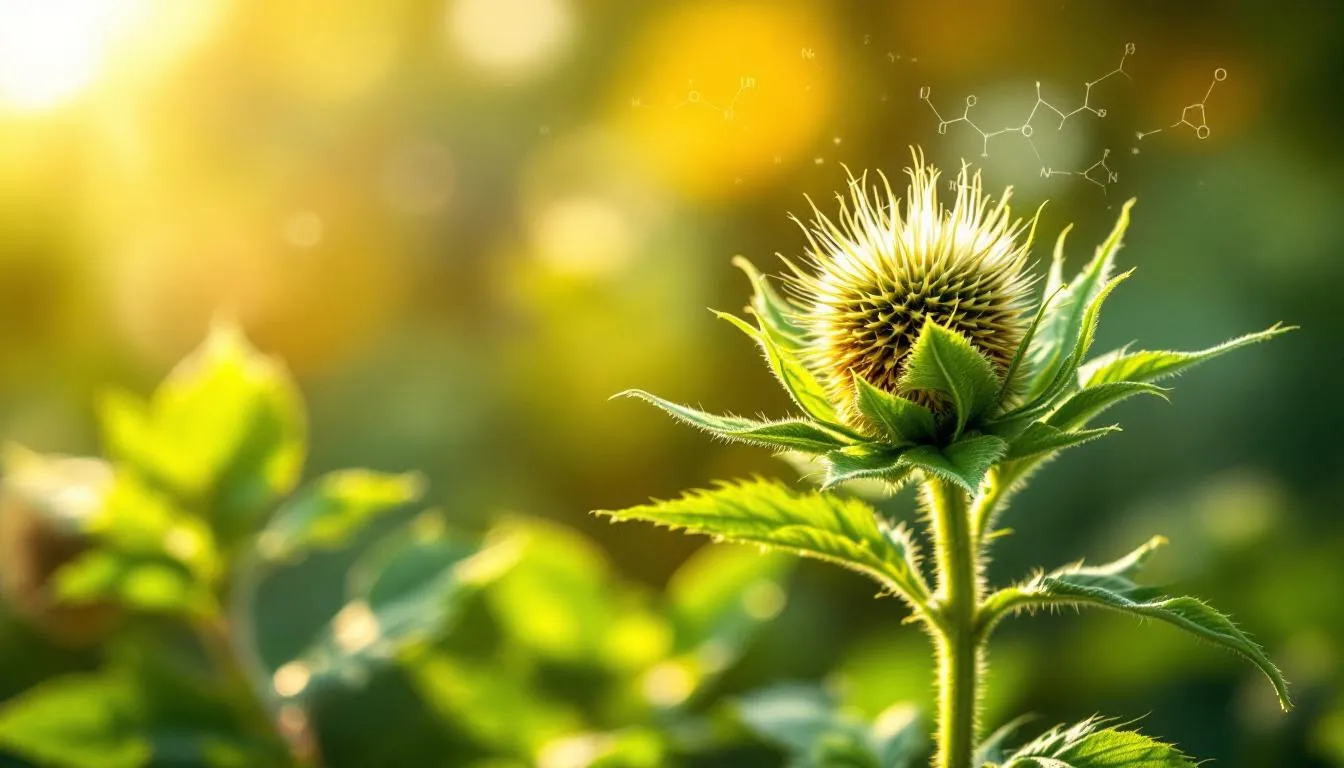
Milk thistle is the common name for Silybum marianum, a flowering plant in the daisy family. The medicinal part is the seed extract, standardized for a family of flavonolignans collectively called silymarin. Silybin is the most abundant and bioactive component, making up 50-70% of the silymarin complex.
Liver protection and repair
Milk thistle has the strongest evidence base for liver applications of almost any herbal compound. It stabilizes liver cell membranes, reduces oxidative stress, supports glutathione synthesis (the liver's primary intracellular antioxidant), and inhibits inflammatory pathways by blocking NF-kB, a master transcription factor that drives chronic inflammation.
When the liver is damaged, whether by alcohol, medications, metabolic dysfunction, or environmental toxins, silymarin helps limit the damage and supports regeneration. It's used clinically in Europe for mushroom poisoning and drug-induced liver injury. That's not a supplement claim. It's a pharmaceutical application in emergency medicine.
For people interested in metabolic health and longevity, the more relevant application is non-alcoholic fatty liver disease, or NAFLD. This condition, which involves fat accumulation in liver cells without alcohol consumption, affects a massive proportion of the population with metabolic syndrome, insulin resistance, or obesity.
A systematic review and meta-analysis published in 2024 looked at silymarin's effects in NAFLD and NASH (the inflammatory form of NAFLD). Silymarin reduced liver enzymes, improved ultrasound-assessed liver fat, and showed better outcomes than metformin or pioglitazone in some comparisons. The 600mg/day dose over 12 months produced the most consistent results, including lower fasting insulin levels, reduced transaminase levels, and decreased triglycerides.
Blood sugar effects
Silymarin isn't thought of primarily as a blood sugar compound, but the evidence suggests it has real effects. It reduces oxidative stress in pancreatic beta cells (the cells that produce insulin), which helps preserve insulin secretion capacity. It also improves insulin sensitivity through its anti-inflammatory effects in metabolic tissues.
A randomized trial found that type 2 diabetic patients treated with berberine plus silymarin had greater HbA1c reductions than those on berberine alone at the same dose. This synergy is what makes the combination clinically interesting.
Antioxidant and anti-inflammatory activity
Beyond the liver-specific effects, silymarin is a potent systemic antioxidant. It scavenges reactive oxygen species, upregulates endogenous antioxidant systems, and reduces inflammatory cytokines including TNF-alpha and interleukin-6. For aging-focused supplementation, where oxidative stress and chronic low-grade inflammation are both central drivers of decline, this activity is directly relevant.
WinAging tracks this kind of research so you don't have to wade through journals on your own. Science-backed, no fluff, just the compounds that actually move the needle.

The synergy: why these two work better together
Here's where the combination becomes genuinely interesting from a pharmacology standpoint. It's not just that berberine and milk thistle have different benefits that add up. They interact in ways that make each compound more effective than it would be alone.
The P-glycoprotein mechanism explained
P-glycoprotein (P-gp, also called ABCB1 or MDR1) is an ABC transporter that sits in the membrane of intestinal cells, among other places. Its job is to export xenobiotics, foreign chemicals, back into the intestinal lumen before they can reach circulation.
Berberine is a P-glycoprotein substrate. The moment it enters an intestinal enterocyte, P-gp recognizes it as a foreign compound and actively pumps it back out. This efflux process is energy-consuming and highly efficient. The result is that oral berberine has roughly 5% bioavailability in some studies, meaning 95% of what you swallow never reaches your target tissues.
Silymarin is a P-glycoprotein inhibitor. The flavonolignans in silymarin, particularly silybin, bind to P-gp and block its function. When you take silymarin alongside berberine, silymarin occupies the efflux pump. Berberine can then move through intestinal cells and into the bloodstream without being thrown back out.
The effect isn't minor. Research published in the context of the berberine-silymarin combination found that this mechanism is the primary driver of the combination's superior clinical outcomes. You're not just getting two compounds. You're getting berberine working at a fraction of its potential and silymarin unlocking the rest.
Complementary metabolic targets
Beyond the bioavailability synergy, berberine and silymarin target metabolic dysfunction from different angles.
Berberine works primarily through AMPK activation in peripheral tissues, the liver, and muscle. It drives glucose uptake, suppresses hepatic glucose production, improves mitochondrial efficiency, and regulates lipid metabolism through the LDL receptor pathway.
Silymarin works primarily at the liver level, reducing oxidative stress and inflammation in hepatocytes, improving liver insulin signaling, and protecting against the fat accumulation that drives fatty liver disease. It also has direct anti-inflammatory effects that reduce the systemic inflammation that contributes to insulin resistance.
When someone has metabolic syndrome, they typically have problems at both levels. Peripheral insulin resistance in muscle and fat tissue, AND hepatic dysfunction from fatty liver and inflammation. Berberine addresses the former more effectively. Silymarin addresses the latter more effectively. Together, they cover the full metabolic picture in a way that neither achieves alone.
What the meta-analysis showed
The most important piece of evidence for this combination comes from a 2019 meta-analysis published in the European Journal of Internal Medicine (PMC6590227). This meta-analysis pooled data from randomized, double-blind, placebo-controlled clinical trials comparing berberine-silymarin combination versus placebo.
The results across lipid parameters were substantial:
Total cholesterol fell by an average of 25.3 mg/dL. LDL cholesterol dropped by 29.1 mg/dL. Triglycerides decreased by 28 mg/dL. HDL cholesterol increased by 6 mg/dL.
These are clinically significant numbers. A 29 mg/dL reduction in LDL would be considered a meaningful result from pharmaceutical intervention. The berberine-silymarin combination achieved this through natural compounds, with a safety profile that's dramatically better than statins.
On blood sugar control, a 2013 study (PMC3838471) directly compared a fixed-dose combination of Berberis aristata extract plus Silybum marianum extract against berberine alone in type 2 diabetic patients. Both interventions improved fasting glucose, LDL, total cholesterol, and triglycerides similarly. But HbA1c, the three-month average of blood sugar control, fell more with the combination than with berberine alone at the same dose.
This is the key finding. Same amount of berberine, better HbA1c outcome when silymarin was present. The only explanation that fits is that silymarin enhanced berberine's bioavailability, resulting in more berberine actually reaching its targets in metabolic tissue.
Check your current supplements against this combination using our supplement interaction checker before adding both to your stack. If you're on blood sugar medication or statins, this is especially worth doing.
Who benefits most from this combination
Not everyone needs berberine with milk thistle. But for certain groups, the combination makes a lot of sense.
People managing blood sugar and insulin resistance
If you're dealing with pre-diabetes, type 2 diabetes, or significant insulin resistance, this combination addresses your problem from multiple angles simultaneously. Berberine improves peripheral glucose uptake and suppresses hepatic glucose production. Silymarin reduces the liver inflammation that worsens insulin signaling in hepatocytes. And silymarin's P-gp inhibition means you're getting more berberine to the tissues where it needs to work.
For people already taking berberine before bed or using berberine as part of a metabolic protocol, adding milk thistle might produce better results without increasing your berberine dose.
People with NAFLD or elevated liver enzymes
Non-alcoholic fatty liver disease is extraordinarily common. Estimates suggest that somewhere between 25-30% of adults in developed countries have some degree of liver fat accumulation. Most don't know it. They might see mildly elevated ALT or AST on bloodwork, or an incidental finding of hepatic steatosis on an abdominal ultrasound, and not have a clear treatment plan.
Silymarin has the strongest evidence base for NAFLD of any herbal compound. And because NAFLD is intimately connected to insulin resistance and metabolic dysfunction, berberine's metabolic effects work synergistically with silymarin's liver-protective effects to address the underlying problem from both directions.
If your liver enzymes are elevated or you've been told you have a fatty liver, this combination is worth discussing with your doctor. The evidence base is genuinely solid.
People who can't tolerate statins
Statin intolerance is more common than most people realize. Muscle pain (myalgia), liver enzyme elevations, and other side effects lead a meaningful percentage of statin-prescribed patients to stop their medication. For these people, who still have elevated cardiovascular risk from dyslipidemia, alternatives are limited.
Clinical research has specifically tested the berberine-silymarin combination in statin-intolerant patients and found meaningful improvements in lipid profiles. A 2015 study (PMC4322873) showed that the combination improved cholesterol and triglyceride levels in diabetic and hypercholesterolemic patients who couldn't tolerate statins.
This isn't a replacement for medical care. But it's a meaningful option for people whose clinical situation makes statins difficult.
Longevity-focused supplementers who are already taking berberine
If you're already using berberine complex or a standard berberine supplement as part of a longevity stack, adding milk thistle is a relatively low-cost upgrade. You're not adding a new category of risk. You're potentially getting substantially more value out of the berberine you're already taking.
The biological age calculator can give you a baseline if you want to track whether metabolic interventions are actually moving your numbers over time.
Dosage guide
Dosing this combination involves two separate compounds, and the research supports specific ranges for each.
Berberine dosage
Standard berberine dosing in clinical trials has been 500mg taken two to three times daily, totaling 1,000-1,500mg per day. When combined with silymarin, some research has used 1,000mg total daily dose (typically 500mg twice daily) and still found better outcomes than berberine alone.
The rationale for splitting doses is that berberine's half-life is relatively short, and taking it in smaller divided doses keeps blood levels more stable than a single large dose. It also reduces the GI side effects that some people experience with berberine, particularly at higher doses.
With silymarin enhancing bioavailability through P-gp inhibition, you may find that the lower end of the dose range (1,000mg/day split across two doses) is sufficient, because you're actually absorbing more of each dose than you would without the silymarin.
Silymarin (milk thistle extract) dosage
Clinical trials on the berberine-silymarin combination have used approximately 210mg of silymarin per day alongside 1,000mg berberine. For standalone liver applications, doses of 420-600mg/day of silymarin extract are common, and this range has been well-studied in NAFLD research.
When you're using milk thistle primarily to enhance berberine bioavailability and add complementary metabolic effects, 140-210mg of silymarin (standardized to 70-80% silymarin content) alongside each berberine dose is reasonable. This aligns with what the clinical combination trials have used.
Look for products that specify the silymarin percentage, not just the total milk thistle extract dose. A 300mg milk thistle extract standardized to 70% silymarin gives you 210mg of actual silymarin. An unstandardized product of the same weight might give you far less.
Timing
Take berberine with meals. This is consistent across the literature. Taking it with food slows absorption slightly, which actually produces more stable blood levels and reduces the chance of GI discomfort. It also makes metabolic sense to have berberine present when glucose from a meal is entering the bloodstream.
Take milk thistle alongside your berberine dose. The P-glycoprotein inhibition needs to be happening at the same time as berberine absorption. Taking silymarin an hour before berberine doesn't work. Take them together, with a meal.
If you're dosing twice daily, the most practical timing is with breakfast and dinner. This gives you consistent coverage without the complexity of a three-times-daily schedule.
Some people choose to take a single larger dose once daily. This is less supported by the clinical literature but workable. If once-daily dosing helps you stay consistent, consistency beats the theoretically optimal schedule every time.
The berberine timing question comes up a lot, and the short answer is that with-food dosing is preferable to bedtime dosing if you're eating breakfast.
Side effects and safety
Both compounds have good safety profiles when used at therapeutic doses. But there are things worth knowing.
Berberine side effects
The most common berberine side effects are gastrointestinal: nausea, diarrhea, constipation, and stomach cramping. These are dose-dependent and more common when starting. They typically improve as your gut microbiome adjusts to berberine's effects.
Berberine significantly alters gut bacteria composition. It's antimicrobial. Some people experience a few rough days early in supplementation as their gut ecology shifts. Starting with a lower dose (250mg twice daily) for the first two weeks before increasing to full dose reduces the severity of this transition.
Berberine can lower blood sugar significantly. If you're on diabetes medication, the combination can cause blood sugar to drop too far. This isn't theoretical. It's a real drug interaction that requires medical supervision. Don't add berberine to a diabetes medication regimen without discussing it with your doctor.
Berberine also interacts with cytochrome P450 enzymes, particularly CYP3A4 and CYP2D6. This can affect the metabolism of other drugs. If you're taking statins, certain antidepressants, blood pressure medications, or other CYP-metabolized drugs, check interactions carefully. The supplement interaction checker is a good starting point.
Milk thistle side effects
Milk thistle is extremely well-tolerated. Decades of research have found minimal side effects at standard doses. Some people report mild GI effects (loose stools at high doses) or, rarely, allergic reactions in those allergic to daisy-family plants (ragweed, chrysanthemum, marigold).
At doses up to 1,500mg/day of silymarin extract, no significant adverse effects have been documented in clinical trials. Above 1,500mg/day, there's some evidence of laxative effects from excess bile production.
Milk thistle can affect drug metabolism, particularly drugs processed by CYP2C9 and CYP3A4. The interaction with sirolimus (rapamycin) is worth noting for longevity supplementers, as milk thistle may increase rapamycin blood levels. If you're using rapamycin, don't add milk thistle without looking at this interaction carefully.
Who should not take this combination
Pregnancy and breastfeeding: insufficient safety data for either compound. Avoid.
Active liver disease requiring pharmaceutical management: berberine affects liver enzyme systems and should be used under medical supervision in this context.
Type 2 diabetes on blood-sugar-lowering medication: the combination may amplify glucose-lowering effects. Medical supervision required.
Children: not studied in pediatric populations.
How to stack with other longevity compounds
Berberine with milk thistle fits well into broader longevity protocols because both compounds target inflammatory and metabolic pathways that overlap with aging itself.
Berberine and inositol
Berberine and inositol is a popular combination for insulin resistance and PCOS. Inositol (particularly myo-inositol and D-chiro-inositol) works on insulin signaling pathways somewhat differently from berberine. The combination targets multiple points in the insulin sensitivity network. Adding milk thistle to a berberine-inositol stack is reasonable and may further improve the bioavailability and metabolic outcomes.
Berberine and NMN/NAD+ precursors
This stack makes conceptual sense from a longevity standpoint. Berberine activates AMPK, which stimulates sirtuin activity and overlaps with the NAD+ pathway that NMN supports. They don't compete. Some researchers have noted that berberine's AMPK activation may actually increase NAD+ consumption, making NMN supplementation a logical companion. The NMN debate is worth reading if you haven't already.
Berberine and resveratrol
Resveratrol activates SIRT1, a sirtuin that is also upstream of many of the same metabolic benefits berberine provides through AMPK. These compounds converge on overlapping pathways from different entry points. Both have evidence for metabolic, cardiovascular, and anti-aging effects. Stacking them is common in longevity circles. Milk thistle as a bioavailability enhancer for berberine fits naturally into this kind of stack.
What to avoid combining with berberine
High-dose quercetin is another P-gp inhibitor. Taking quercetin alongside berberine-with-silymarin might theoretically increase berberine absorption further, but there's limited data on this triple combination and the potential for over-enhancement of absorption with unknown safety implications.
Blood-sugar-lowering medications (insulin, metformin, sulfonylureas) combined with berberine requires medical monitoring. The combined effect can cause hypoglycemia.
Check combinations using the WinAging interaction checker before adding new compounds to a berberine-based stack.
Choosing a berberine with milk thistle product
Several supplement brands now offer berberine and milk thistle in a single capsule. This is convenient and, more importantly, ensures you're taking them at the same time, which is necessary for the P-glycoprotein inhibition to work.
When evaluating products, look for:
Standardized extracts. Berberine should be standardized to at least 97% berberine HCl. Milk thistle should specify silymarin percentage, ideally 70-80% silymarin.
Clinically relevant doses. The research showing the best outcomes used 1,000mg berberine daily with approximately 210mg silymarin. Products with much lower doses (e.g., 500mg berberine with 100mg silymarin) may still provide benefit but at attenuated levels.
Third-party testing. Look for products that test for heavy metals, contaminants, and verify label claims. The conversation around purity standards in supplements is relevant here, similar to the purity concerns covered in our USP grade methylene blue guide.
No proprietary blends that hide individual ingredient doses. You need to know exactly how much berberine and how much silymarin you're getting per serving.
The best berberine supplement guide goes deep on what to look for when evaluating berberine quality, including purity, potency, and manufacturing standards. Many of those criteria apply to combination products as well.
Should you buy combination products or take them separately?
Combination products are convenient. Separate supplements give you more control over dosing each compound independently.
If you want to start with a higher silymarin dose (400-600mg/day for liver support) while keeping berberine at standard doses, separate products make more sense. You'd take your berberine with one milk thistle capsule, then take another milk thistle capsule later in the day for the additional liver-protective dose.
If you want simplicity and are primarily targeting the metabolic synergy, a combination product at established doses (500mg berberine + 105-140mg silymarin, taken twice daily) is a sensible approach.
What to track to know if it's working
You can't feel AMPK activation. You can't feel P-glycoprotein inhibition. You need biomarkers to know whether the combination is working.
Fasting blood glucose and insulin
These are the most immediate markers to watch. Fasting glucose should move within 2-4 weeks of consistent use. Fasting insulin takes a bit longer but is a more sensitive marker of insulin resistance. If you don't have a baseline, get one before you start.
HbA1c
This is the three-month blood sugar average. Give the combination at least 90 days before checking HbA1c. The clinical trials showing berberine-silymarin superiority over berberine alone used three-month and longer assessment periods.
Lipid panel
Total cholesterol, LDL, HDL, and triglycerides. The meta-analysis data showed meaningful changes, typically over 3-6 months of use. Don't expect to retest after four weeks and see dramatic results.
Liver enzymes
ALT and AST. If you have NAFLD or elevated liver enzymes at baseline, silymarin should produce measurable improvements over 3-6 months. Some studies saw changes in as little as 8 weeks.
Our biological age calculator incorporates several metabolic markers if you want to track your broader biological age trajectory alongside specific biomarkers.
Common questions about timing and combinations
Does berberine with milk thistle make sense if I don't have metabolic issues?
If your glucose, insulin, cholesterol, and liver function are all in optimal ranges, the clinical case for this combination is weaker. Berberine's primary benefits are most pronounced in people with metabolic dysfunction. For general longevity, you'd likely get more value from compounds targeting pathways where you have more room for improvement.
That said, if you're over 45 and metabolic function naturally begins to drift, this combination has a decent preventive argument.
Can I take berberine with milk thistle long-term?
The combination has been studied up to 12 months with no safety signals. Long-term data beyond that is limited, but both compounds have decades of use history. Many practitioners recommend cycling berberine (e.g., 8-12 weeks on, 4 weeks off) to prevent adaptation. Milk thistle can be taken continuously without known issues.
Is this combination safe with a berberine complex product?
Berberine complex products often contain additional ingredients like cinnamon, chromium, or alpha-lipoic acid. Adding milk thistle to these is generally fine. Check the full ingredient list of your complex product to ensure you're not doubling up on ingredients you're also getting from other supplements.
Will milk thistle reduce any side effects from berberine?
Possibly. Some research suggests the combination produces fewer GI side effects related to indigestion and stomach upset compared to berberine alone. The mechanism isn't fully clear, but it may relate to the anti-inflammatory effects of silymarin in the gut.
How long before I notice results?
For blood sugar effects, some people notice improvements in fasting glucose within 2-4 weeks. For lipids, expect 6-12 weeks before you see meaningful changes on a panel. For liver enzyme normalization, 8-16 weeks is the typical timeframe in clinical studies. Give it 90 days minimum before evaluating.

The case for combining these compounds
Let's be direct about what the evidence supports and what it doesn't.
Berberine with milk thistle has good clinical evidence for improving cardiometabolic risk markers in people with dyslipidemia, insulin resistance, and type 2 diabetes. The P-glycoprotein inhibition mechanism is pharmacologically sound. The clinical trial showing superior HbA1c reduction with the combination versus berberine alone is direct evidence of the synergy in humans.
What the evidence does NOT support is using this combination as a replacement for medical care in people who need pharmaceutical management of type 2 diabetes or cardiovascular risk. These compounds can be used alongside medications, under medical supervision, but they're not a substitute.
For people doing serious longevity work, metabolic optimization is one of the most evidence-backed interventions available. Chronic elevated blood sugar, insulin resistance, dyslipidemia, and NAFLD are associated with dramatically accelerated biological aging. Compounds that meaningfully address these pathways belong in the longevity toolkit.
Berberine alone is already well-supported. Berberine with milk thistle is simply berberine working at something closer to its actual potential.
WinAging's tools are built for people who want to go beyond generic supplement advice and actually understand what their body is doing. Start with the free tools, get your baselines, and give this combination a proper 90-day trial.
Frequently asked questions
Is berberine with milk thistle better than berberine alone?
For most metabolic goals, yes. Clinical trials have found that the combination produces greater HbA1c reductions than berberine alone at the same dose, and meta-analyses have shown significant improvements in total cholesterol, LDL, triglycerides, and HDL. The reason is pharmacological: silymarin inhibits P-glycoprotein, the pump that extrudes berberine from intestinal cells, resulting in higher actual absorption. You're getting more berberine doing its job, not just more compounds in your stack.
What is the best dosage of berberine with milk thistle?
The most studied and clinically effective dosage combination is 500mg berberine plus 105-140mg silymarin (from standardized milk thistle extract) taken twice daily with meals, for a total of 1,000mg berberine and 210-280mg silymarin daily. Both should be taken together, not at different times. Check the best berberine supplement guide for product quality standards to apply when choosing.
Can I take berberine with milk thistle if I'm on diabetes medication?
Only under medical supervision. Berberine has meaningful blood sugar-lowering effects on its own. Combined with diabetes medication (metformin, sulfonylureas, insulin), the combined effect can cause hypoglycemia. This isn't a reason to avoid the combination, but it requires monitoring and possible medication adjustment by your doctor.
Does milk thistle interfere with berberine absorption?
The opposite. Milk thistle's silymarin component enhances berberine absorption by inhibiting P-glycoprotein, the efflux pump that extrudes berberine from intestinal cells back into the gut. Research suggests P-glycoprotein reduces berberine bioavailability by roughly 90%. Silymarin blocks this pump, allowing substantially more berberine to reach circulation.
Is milk thistle good for liver health with berberine?
Yes, and this is one of the most compelling reasons for the combination. Berberine is metabolized by the liver and can influence liver enzyme levels. Silymarin is hepatoprotective, meaning it protects liver cells from oxidative damage and inflammation. For people with NAFLD, elevated liver enzymes, or heavy alcohol use history, the combination may be particularly beneficial because silymarin addresses the hepatic environment in which berberine is working.
Can I take berberine and milk thistle while intermittent fasting?
Berberine should be taken with food to reduce GI side effects and improve absorption consistency. If your eating window is limited, take your berberine-silymarin doses at the start and end of your eating window. Don't take berberine in a fasted state if you experience stomach upset. The berberine timing guide addresses this in more detail for people navigating different eating schedules.
Are there combination products that include both?
Yes. Several brands now offer berberine and milk thistle combined in a single capsule, including Gaia Herbs and others. When evaluating these, verify the specific dose of each ingredient (not just the total capsule weight), confirm that the milk thistle is standardized for silymarin content, and look for third-party testing. A combination product that uses unstandardized milk thistle may not deliver the P-gp inhibition you're counting on.
Want a personalized stack tailored to your goals? Try the AI protocol builder to get a custom longevity protocol in minutes.
Related guides
- Best berberine supplement: how to choose the right brand
- Berberine and inositol: the insulin resistance combination explained
- Berberine complex: what extra ingredients actually do
- Can I take berberine before bed? timing and bioavailability explained
- Supplement interaction checker
Sources
- Metabolic effect of berberine-silymarin association: PMC6590227
- Berberis aristata plus Silybum marianum vs berberine alone in type 2 diabetes: PMC3838471
- Administration of silymarin in NAFLD/NASH: A systematic review
The research on berberine is compelling. The research on milk thistle is compelling. But the research on the two together is better than either alone. Start with a quality product that uses standardized doses of both, take it with meals consistently, and give it 90 days before you evaluate the results.
Your metabolic health is one of the highest-leverage targets in longevity. Get your baselines with our free tools, track the right biomarkers, and let the data tell you whether it's working.