BiOptimizers Berberine Breakthrough: complete review
A deep look at BiOptimizers Berberine Breakthrough: what's in it, how it compares to plain berberine HCl, the science behind the formula, and who should actually take it.
Berberine is one of the most researched natural compounds of the past decade. Clinical trials have put it head-to-head with metformin. Longevity researchers stack it with NMN and resveratrol. And somewhere along the way, TikTok dubbed it "nature's Ozempic," which is both partially true and wildly overstated.
BiOptimizers noticed the momentum and built something more ambitious than a plain berberine capsule. Their Berberine Breakthrough formula layers in multiple synergistic compounds, uses dihydroberberine instead of standard HCl, and positions itself as a complete blood sugar and metabolic health system. Big claims. Let's look at what's actually inside.
This review covers the full formula, the science behind each ingredient, how it stacks up against taking plain berberine, and who stands to benefit most. WinAging has covered berberine extensively because it sits at the intersection of metabolic health and longevity, two things that are deeply connected.
What is Berberine Breakthrough?
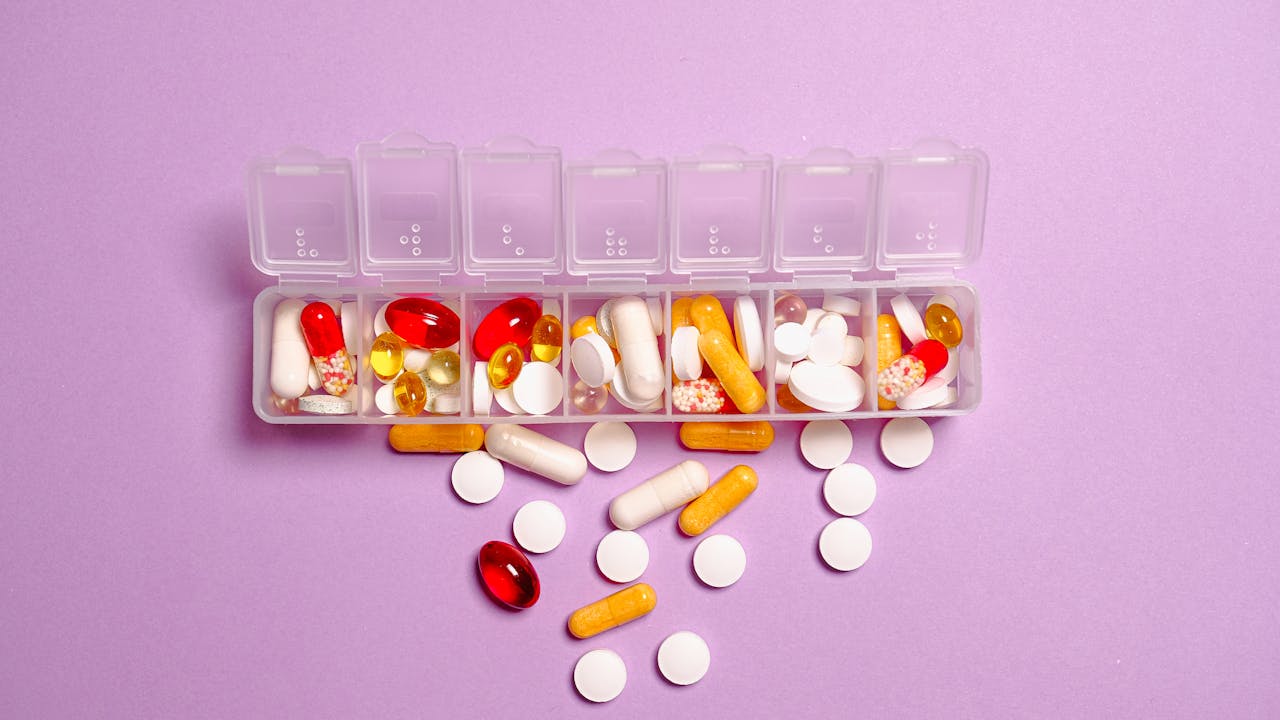
It's a multi-ingredient metabolic health supplement made by BiOptimizers. The core is GlucoVantage dihydroberberine (DHB), which is a more bioavailable form of berberine. Around that core, BiOptimizers stacked 11 additional compounds targeting blood sugar from multiple angles.
The basic dosing is 2 capsules before each meal, so 6 capsules daily at full dose. It comes in bottles of 40 or 60 capsules. A single bottle runs about $60, or $52 on subscription.
The formula includes:
- GlucoVantage dihydroberberine
- CyanthOx 30 (sea buckthorn extract)
- Irvingia gabonensis (African mango seed)
- Naringin (citrus bioflavonoid)
- Benfotiamine (fat-soluble B1)
- R-Alpha lipoic acid
- Banaba leaf extract (20% corosolic acid)
- Gymnema sylvestre leaf extract
- Fucoxanthin 10%
- Bitter melon fruit extract (10% charantin)
- Cinnulin PF cinnamon bark extract
- Innoslim (astragalus and panax notoginseng)
That's a lot of ingredients. Some are well-studied. Some are more speculative. We'll get into each.
The DHB advantage: why it's not just plain berberine
Standard berberine HCl has a notorious bioavailability problem. Your gut absorbs only about 1% of it systemically. The rest stays in the gut, which is actually why it works so well for gut microbiome remodeling, but it's also why you need 1,500mg per day (500mg three times daily) to get therapeutic blood levels.
Dihydroberberine (DHB) changes the game. When you take standard berberine HCl, your gut bacteria convert a fraction of it into DHB, which is then absorbed and reconverted back to berberine in your tissues. GlucoVantage skips that bacterial conversion step entirely by delivering DHB directly. The result: approximately 5 times higher bioavailability than standard HCl.
In practical terms, 200-300mg of DHB delivers roughly the same systemic berberine as 1,000-1,500mg of standard HCl. That's a meaningful difference in effective dose, GI tolerance, and convenience.
The GI tolerance point matters a lot. One of the most common complaints with berberine HCl is GI distress: cramping, diarrhea, bloating. About 20-35% of people report these issues at the therapeutic 1,500mg dose. DHB bypasses most of this because less unabsorbed berberine is sitting in the lower gut irritating it.
How berberine actually works in the body
Before evaluating whether the additional ingredients in Berberine Breakthrough add value, you need to understand berberine's primary mechanisms. There are four main ones.
AMPK activation
This is the headline mechanism. Berberine mildly inhibits mitochondrial Complex I, which temporarily drops ATP production. The cell responds to the lower ATP by raising AMP-activated protein kinase (AMPK), which is basically the master metabolic switch in your body.
AMPK activation does several things simultaneously. It moves GLUT4 glucose transporters to the cell surface (independent of insulin), so muscle and fat cells pull glucose out of the bloodstream more efficiently. It suppresses the liver's production of new glucose (gluconeogenesis). And it inhibits mTORC1, making berberine a caloric restriction mimetic in the same category as rapamycin and metformin.
This last point is why longevity researchers pay attention to berberine. AMPK is the same pathway activated by fasting, exercise, and caloric restriction. Activating it with a supplement is a meaningful tool, not a gimmick.
Gut microbiome remodeling
This is increasingly recognized as a primary mechanism, not a secondary one. Berberine selectively shifts the bacterial composition of your gut in ways that independently improve glucose metabolism.
A 2020 study in Nature Communications (the PREMOTE trial) specifically examined how gut microbiome changes mediate berberine's glycemic effects. The bile acid pathway is central here: berberine shifts the bile acid pool toward forms that activate FXR and TGR5 receptors, both linked to better glucose tolerance and energy expenditure.
This mechanism actually argues for keeping some standard HCl in your berberine regimen, since the gut residence time is part of what makes berberine effective for microbiome remodeling. Pure DHB, with its rapid absorption, might actually bypass some of this effect.
DPP-4 inhibition and GLP-1 enhancement
Berberine weakly inhibits DPP-4, the enzyme that breaks down GLP-1. This is the same mechanism as pharmaceutical sitagliptin (Januvia). It also modestly increases GLP-1 secretion directly.
This is the partial basis for the "nature's Ozempic" claim. And here's where you need to be clear-eyed: berberine does touch the GLP-1 pathway, but it's a weak effect. Berberine produces 2-4 kg of weight loss in clinical trials. GLP-1 receptor agonists like semaglutide produce 10-15% body weight reduction, roughly 15-20 kg in many patients. These are not comparable interventions.
Anti-inflammatory and epigenetic effects
Berberine suppresses NF-kB, the master inflammatory signaling molecule. It also affects DNA methylation and histone modification patterns in ways that are just starting to be characterized. A 2025 paper in MDPI Pharmaceuticals identified berberine's epigenetic mechanisms in type 2 diabetes as a new frontier worth watching.
What the clinical research actually shows
Let's talk numbers. The data on berberine for blood sugar is genuinely strong.
The landmark head-to-head study (Yin et al., 2008) put berberine against metformin in 36 newly diagnosed type 2 diabetes patients over 13 weeks. Berberine at 500mg three times daily reduced HbA1c from 9.47% to 7.48%. Metformin reduced it from 9.15% to 7.72%. Both were statistically significant. The difference between groups was not statistically significant. Conclusion: comparable efficacy.
A 2022 meta-analysis of 37 studies with 3,048 patients found berberine reduced HbA1c by -0.63% and fasting blood glucose by -0.82 mmol/L on average. A 2025 meta-analysis of 12 RCTs with 889 patients found significant reductions in LDL (-0.495 mmol/L, roughly -19 mg/dL), triglycerides (-0.367 mmol/L, roughly -32 mg/dL), and waist circumference (-3.27 cm).
For insulin resistance specifically: a 3-month trial in 48 people with poorly controlled type 2 diabetes found berberine reduced fasting insulin by 28.1% and HOMA-IR (the standard insulin resistance marker) by 44.7%.
The anti-aging data is earlier stage but interesting. A 2025 study in C. elegans (PMC12024168) found berberine extended average lifespan by 27%, reduced reactive oxygen species by 39.4%, and improved heat stress survival by 24.1%. Animal data doesn't translate directly to humans, but the mechanisms are conserved enough to pay attention to.
For PCOS, the evidence is particularly solid. A 2024-2025 systematic review found berberine improved 72.22% of outcome measures studied (13 of 18). A 2022 prospective study comparing berberine, myoinositol, and metformin found berberine showed the greatest improvements in lipid profile, hormonal parameters, and cardiovascular risk markers.
Where berberine genuinely lags behind metformin: long-term outcome data. Metformin has decades of evidence showing reduced cardiovascular events and mortality in the UKPDS trial. Berberine has no equivalent study. That gap matters for people with serious metabolic disease making real treatment decisions.
Breaking down the supporting ingredients
The formula doesn't stop at DHB. Here's an honest look at what the additional compounds bring.
Gymnema sylvestre reduces sugar cravings by occupying sweet taste receptors in the gut and potentially reducing glucose absorption. It also has insulin-like activity. The evidence is real, though most studies are in diabetic populations at higher doses than are typically in a multi-ingredient formula.
Banaba leaf extract (corosolic acid) mimics insulin by activating the PI3K signaling pathway and enhances GLUT4 translocation. Small-scale human studies show reduced postprandial glucose. The 20% corosolic acid standardization in Berberine Breakthrough is the right form.
Bitter melon (charantin) has a long traditional use in blood sugar management. Charantin activates GLUT4, similar to berberine but via a different signaling pathway. The additive effect is plausible. The human evidence is less robust than the animal literature.
Cinnulin PF cinnamon extract is the water-soluble, non-coumarin fraction of cinnamon. Unlike regular cinnamon, Cinnulin PF can be taken in meaningful doses without the liver concerns associated with coumarin. It improves insulin sensitivity and GLUT4 expression. One of the better-supported ingredients in the formula.
R-Alpha lipoic acid is a potent antioxidant and mitochondrial cofactor that also enhances GLUT4 translocation. BiOptimizers uses the R-form, which is the biologically active form (ALA supplements often use a cheaper racemic mixture). Good ingredient, correct form.
Benfotiamine is a fat-soluble form of vitamin B1 that's been studied specifically for its ability to reduce advanced glycation end products (AGEs), the damaging compounds formed when blood sugar stays elevated too long. It's also neuroprotective. Relevant for anyone with chronically elevated glucose.
Innoslim (astragalus and panax notoginseng) is a proprietary extract with some interesting human data showing increased adiponectin (a hormone that improves insulin sensitivity) and reduced glucose absorption in the gut.
Fucoxanthin is a marine carotenoid from brown seaweed studied for fat oxidation and metabolic health. The human evidence is limited and the doses in most studies are higher than what's typically in a blend.
Irvingia gabonensis (African mango seed) has some human studies on body weight and waist circumference, mostly in combination products. Independent effects are hard to separate.
Naringin (from citrus) has antioxidant and anti-inflammatory properties and has shown blood sugar benefits in animal models. Human evidence is thin.
The bottom line on the supporting ingredients: several of them (Cinnulin PF, R-ALA, gymnema, benfotiamine, banaba) have legitimate evidence. A few (fucoxanthin, naringin, Irvingia) are more speculative at the doses found in a multi-ingredient blend. None of them are harmful. The question is whether the doses are clinically meaningful when spread across 12 compounds in two capsules.
Berberine Breakthrough vs. plain berberine HCl
This is the question that matters for anyone already familiar with berberine.
The case for Berberine Breakthrough: The DHB form is genuinely superior in bioavailability. If you're someone who can't tolerate standard berberine HCl because of GI issues, DHB-based formulas are worth trying. The synergistic ingredients targeting multiple blood sugar pathways make intuitive sense, even if individual ingredient doses may be subtherapeutic.
The case for plain berberine HCl: It's dramatically cheaper. You can get 1,500mg of high-quality berberine HCl for $20-30 per month vs. $52-60 for Berberine Breakthrough. The gut residence time of HCl may also produce gut microbiome benefits that DHB bypasses. And you can control your own dose, titrating up slowly to manage GI tolerance.
The honest middle ground: If you have metabolic syndrome, prediabetes, or type 2 diabetes and you're trying to take berberine seriously, either product can work. The DHB advantage in bioavailability is real. But whether that advantage justifies 2-3x the cost depends on your budget and your sensitivity to standard HCl.
Use our supplement interaction checker before stacking berberine with other compounds, especially if you're on any medications.
Dosage and timing
For Berberine Breakthrough: 2 capsules before each of 3 main meals (6 capsules per day). The pre-meal timing is intentional. Berberine works partly by slowing carbohydrate absorption and enhancing glucose uptake after a meal, so taking it right before eating makes mechanistic sense.
For standard berberine HCl: 500mg three times per day with meals. If you're new to berberine, consider titrating up:
- Weeks 1-2: 300mg twice daily
- Weeks 3-4: 500mg twice daily
- Week 5 onward: 500mg three times daily
This slow titration dramatically reduces GI side effects.
Cycling: The common advice in the longevity community is 8-12 weeks on, followed by a 2-4 week break. The reasoning involves concerns about gut adaptation and theoretical tolerance at the AMPK level. The evidence for mandatory cycling is weak, but many practitioners recommend it empirically. Worth discussing with your doctor if you're using berberine for serious metabolic management.
Timing with other supplements: Don't take berberine at the same time as thyroid medications (separate by at least 4 hours due to absorption interference). Be cautious combining with blood sugar-lowering medications or antihypertensives as berberine adds to their effects. If you're on warfarin or cyclosporine, don't start berberine without your prescribing doctor's approval.
Who should consider berberine
Strong candidates:
- Adults 35+ with prediabetes, elevated fasting glucose, or metabolic syndrome
- People with PCOS who've seen the evidence base
- Anyone with elevated LDL and triglycerides looking for a non-statin option
- Longevity-focused biohackers who want to activate the AMPK pathway
- People who want a natural metformin alternative (understanding that berberine lacks metformin's long-term outcome data)
Who should avoid it or use it only with close medical supervision:
- Pregnant or breastfeeding women (berberine can harm infants, this is not a minor caveat)
- Anyone on cyclosporine (major drug interaction, berberine can elevate cyclosporine to toxic levels)
- People on warfarin (berberine affects CYP2C9, which metabilizes warfarin)
- Anyone on antiarrhythmic drugs
- People taking insulin or sulfonylureas (additive hypoglycemia risk requires dose adjustment)
How to stack berberine for longevity
Berberine's AMPK activation and mTOR inhibition make it a natural fit for longevity stacks targeting the same nutrient-sensing pathways as caloric restriction.
The classic combination pairs NMN + berberine + resveratrol. NMN replenishes NAD+ to fuel sirtuins. Resveratrol activates SIRT1. Berberine activates AMPK and inhibits mTOR. Together they hit three of the four core longevity nutrient-sensing pathways (the fourth is insulin/IGF-1, which berberine also touches).
A note on timing: both NMN and berberine affect AMPK, and there's some concern that chronic AMPK activation may blunt adaptations to aerobic exercise. This is the same concern that exists with metformin. If you train seriously, consider separating your berberine dose from your workout window, or cycling off during periods of intense training blocks.
For metabolic support specifically, berberine pairs well with spermidine (autophagy via eIF5A hypusination, a different mechanism than berberine's AMPK/mTOR route) and with quercetin or fisetin (senolytics that clear senescent cells, complementing berberine's anti-inflammatory effects). Check WinAging's supplement interaction checker to see how your current stack interacts before adding berberine.
Want a personalized protocol built around your specific goals, age, and health markers? WinAging's AI protocol builder designs a complete longevity stack based on 30+ data points about you.
Blood sugar test you should run before and after
If you're starting berberine (any form), get a baseline blood panel first. At minimum:
- Fasting glucose
- HbA1c
- Fasting insulin (to calculate HOMA-IR)
- Lipid panel (LDL, triglycerides, HDL)
Retest after 12 weeks. The research shows meaningful changes in all of these markers within that window. This gives you actual data instead of guessing whether it's working.
If you're already monitoring biomarkers regularly, check out our biological age calculator to see how metabolic markers fit into the broader picture of your biological aging rate.

Frequently asked questions
Is Berberine Breakthrough worth it compared to regular berberine?
If you've tried standard berberine HCl and struggled with GI side effects, the DHB-based formula is worth testing. The bioavailability advantage is real. If you're tolerating standard berberine fine and watching your budget, the cost difference (roughly 2-3x more for Berberine Breakthrough) is hard to justify purely on evidence.
Can I take Berberine Breakthrough if I'm already on metformin?
This is a medical question that requires your doctor's input. Both compounds lower blood sugar, and the combination can increase hypoglycemia risk. That said, some physicians do combine them. Never adjust metformin or any prescription medication based on supplement information alone.
Does Berberine Breakthrough actually help with weight loss?
Yes, modestly. The underlying berberine research shows an average of 2-4 kg weight loss across clinical trials. That's real but not dramatic. The weight loss effects come primarily from improved insulin sensitivity, not appetite suppression. Don't go in expecting GLP-1 agonist-level results.
How long does it take to see results?
Most clinical trials run 12-13 weeks and see significant changes in blood glucose and lipids within that period. Some people notice effects on postprandial energy (less blood sugar crashes) within the first 2-3 weeks. HbA1c takes 8-12 weeks to change meaningfully because it reflects a 3-month average.
Is berberine safe for long-term use?
Controlled trials run up to 6 months without serious adverse events. Data beyond 1-2 years is genuinely sparse. Cycling (8-12 weeks on, 2-4 weeks off) is the common approach in the longevity community, partly for this reason. This is an area where more research is needed.
Can I take berberine if I don't have blood sugar issues?
Yes. The longevity case for berberine isn't about being diabetic. It's about AMPK activation, mTOR inhibition, microbiome benefits, and anti-aging effects. Many healthy people in the 35-65+ range use it as part of a broader longevity stack. Start with lower doses and track your fasting glucose to confirm you're not over-lowering blood sugar.
Does the "nature's Ozempic" claim hold up?
Partially. Berberine does weakly increase GLP-1 and inhibit DPP-4, which are Ozempic-adjacent mechanisms. But the magnitude is completely different. Berberine produces 2-4 kg of weight loss on average. Semaglutide produces 15-20 kg. Calling berberine "nature's Ozempic" is like calling a bicycle "nature's sports car." Both get you places. Not the same experience.
Related guides
- Berberine and inositol: a guide to the combination
- Berberine vs inositol: which one is right for you
- The best berberine supplement brands reviewed
- Spermidine and autophagy: stacking for longevity
- Supplement interaction checker
Sources
- Yin J et al., "Efficacy of berberine in patients with type 2 diabetes mellitus," Metabolism, 2008
- Lan J et al., "Meta-analysis of the effect and safety of berberine in the treatment of type 2 diabetes mellitus," J Ethnopharmacol, 2022
- C. elegans lifespan study, PMC12024168, 2025
Berberine is one of the few supplements where the clinical evidence genuinely holds up under scrutiny. The BiOptimizers Berberine Breakthrough formula brings a real bioavailability upgrade via DHB, plus a thoughtful stack of synergistic ingredients. Whether the premium over plain HCl is worth it depends on your specific situation. Either way, berberine belongs in the conversation about serious metabolic optimization.
Track your blood markers before you start. Retest after 12 weeks. Let the data tell you whether it's working. And if you want help building a complete longevity protocol around your specific goals, WinAging's AI protocol builder does exactly that.