Pure Encapsulations berberine: an honest review
Is Pure Encapsulations berberine worth the premium price? We break down the UltraSorb formula, phytosome absorption science, and how it compares to Thorne.
Walk into any supplement store and you'll find twenty brands of berberine. Most are cheap. Some are garbage. A few are genuinely excellent. Pure Encapsulations sits firmly in that last category, and their berberine product is different from most of what you'll find on the market. But "different" doesn't automatically mean "worth it," especially at a premium price point.
This review breaks down exactly what Pure Encapsulations berberine is, how it's formulated, what the research says, and whether it's actually the right choice for your stack. We'll compare it to Thorne and other top brands, cover dosage, side effects, and drug interactions, and give you a clear answer on who should take it.
If you've been looking at berberine supplements and wondering which brand to trust, this is the deep dive you've been looking for.
Why berberine quality matters more than most people realize
Here's a number that should make you pause before buying any berberine supplement: nearly 45% of supplements tested in independent reviews have significant quality problems. We're talking about products that contain almost no active ingredient, others with heavy metal contamination, and some where the label claims don't match what's actually in the bottle.
Berberine is a plant alkaloid extracted from roots and bark. The extraction process matters. The standardization matters. How the active compound is preserved and measured matters enormously. A cheap berberine product from an unknown brand might contain 500mg of something, but if that something is poorly extracted plant material with 20% actual berberine, you're not getting anything close to the doses used in clinical research.
This is exactly why the brand behind your berberine matters as much as the compound itself. And it's why Pure Encapsulations, Thorne, and a handful of other physician-grade brands command premium prices that are actually justifiable.
WinAging focuses on compounds where the evidence is solid. Berberine is one of them. But the research that supports it was done with standardized, high-purity berberine. Taking a low-quality version and expecting clinical results is a bit like expecting the benefits of red wine by drinking grape juice.
Who is Pure Encapsulations?
Pure Encapsulations has been around for over three decades. They started as a brand specifically designed for healthcare practitioners, which means their quality standards were built around professionals who needed to trust what they were recommending to patients.
A few things set them apart from mass-market supplement brands:
Hypoallergenic formulation. Pure Encapsulations is known for what they leave out. No artificial colors, flavors, coatings, or common allergens. This is genuinely useful if you have sensitivities, but it also reflects a broader commitment to clean formulation.
NSF registration. They're registered with NSF International, which means their manufacturing facilities meet cGMP (current Good Manufacturing Practices) standards. NSF registration isn't the same as NSF certification for every product, but it means audits happen and standards are enforced.
Comprehensive raw material testing. Before anything goes into a Pure Encapsulations product, the raw materials are tested for identity, potency, microbial contaminants, heavy metals including mercury, arsenic, cadmium, and lead, plus 32 solvent residues and allergens. That's a thorough list.
They also test each finished product to confirm quality before it ships. This two-stage testing, raw materials plus finished product, is what you should expect from a premium brand.
Is Pure Encapsulations perfect? No. They don't NSF certify every individual product, which would be the gold standard. But compared to most of the supplement market, their quality controls are serious and verifiable.
The Berberine UltraSorb: what's actually in the bottle
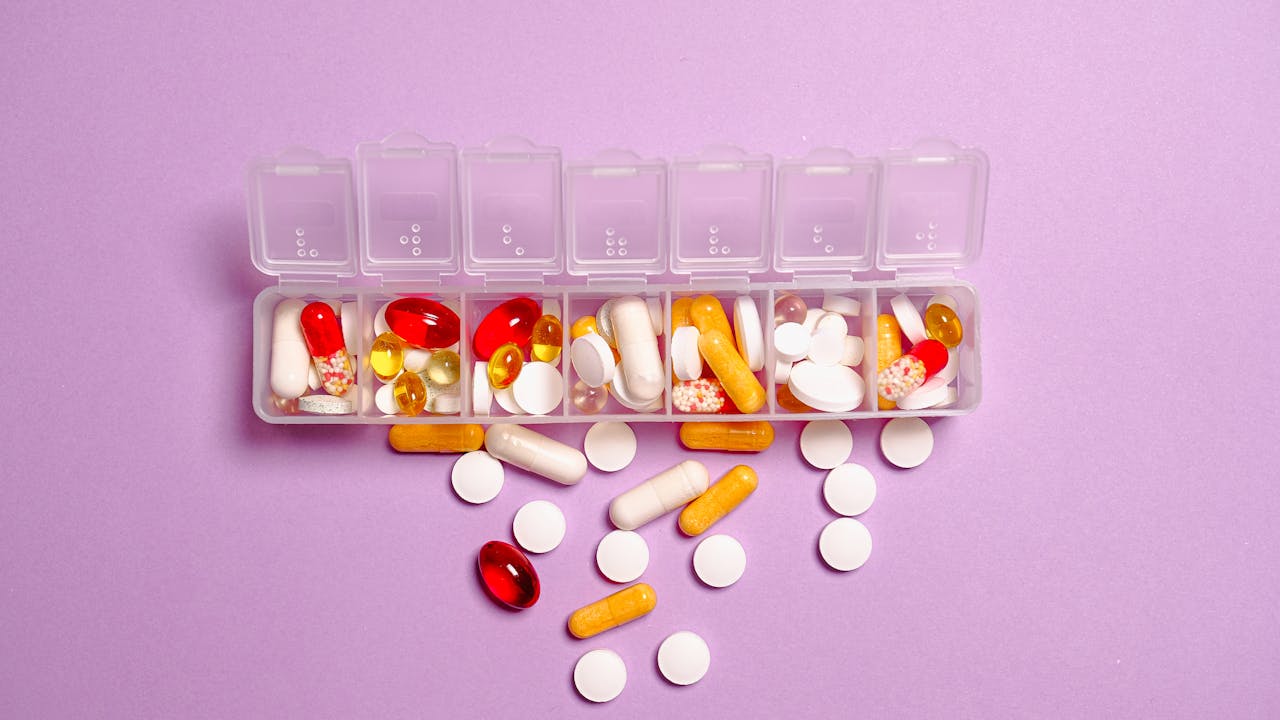
Pure Encapsulations doesn't sell a standard berberine HCl product. They sell the Berberine UltraSorb, which is a different formulation built around something called Berbevis, a trademarked ingredient from Indena, an Italian botanical ingredient company with a serious research reputation.
Here's what's in the formula:
- Berbevis berberine phytosome: 550mg per capsule
- Standardized to contain 28% berberine
- Ingredients: Berberis aristata root extract, pea protein isolate, sunflower lecithin, and grape seed extract
- Gluten-free, non-GMO, hypoallergenic
The math on the 28% standardization: 550mg x 0.28 = approximately 154mg of actual berberine per capsule.
At first glance, that sounds like a lot less than the 500mg per capsule you'd get from a standard berberine HCl product. But this is where the phytosome technology changes the picture entirely.
Current pricing: $51.99 for 60 capsules (approximately $0.87 per capsule at one capsule daily).
What is a phytosome and why does absorption matter?
Standard berberine HCl has a bioavailability problem. Berberine is water-soluble, which sounds good, but the gut doesn't absorb it efficiently. A lot of what you swallow passes through without being absorbed into the bloodstream where it needs to go. Some estimates put standard berberine bioavailability as low as 1-5% in some studies, though it varies.
The phytosome approach solves this by binding berberine to phospholipids, specifically the lecithin component in the Berbevis formula. Phospholipids are essentially fat-like molecules that your gut absorbs readily. By binding berberine to phospholipids, you make a fat-friendly molecule that crosses the intestinal wall much more efficiently.
Indena, the company behind Berbevis, has published research showing their phytosome form is absorbed at approximately 4 times the rate of standard berberine HCl. This is a clinically meaningful difference.
So while the Berberine UltraSorb contains "only" 154mg of actual berberine per capsule, the effective dose reaching your bloodstream is potentially closer to 600mg equivalent of standard berberine HCl. One capsule of UltraSorb, taken once or twice daily, might deliver the same systemic effect as 500-600mg of standard berberine taken multiple times per day.
This is also why the dosing instructions are different: "Take 1 capsule, 1-2 times daily." Standard berberine HCl typically needs 500mg three times daily to maintain stable blood levels throughout the day, because standard berberine has a short half-life and gets cleared quickly.
The phytosome form stays in circulation longer, which means you can take it less frequently and still maintain effective levels.
How berberine works: the mechanisms behind the research
Before you can evaluate whether any berberine product is worth taking, you need to understand what berberine actually does in the body. The mechanisms are genuinely interesting, and they explain why berberine has attracted so much research attention.
AMPK activation: the longevity pathway
Berberine's primary mechanism is activation of AMP-activated protein kinase, commonly called AMPK. This enzyme is sometimes called the "metabolic master switch" because it regulates energy production, fat burning, glucose uptake, and mitochondrial function across virtually every cell type.
AMPK activation is the same pathway targeted by metformin, the most widely prescribed diabetes drug in the world. It's also triggered by exercise, caloric restriction, and cold exposure. All of the interventions we associate with metabolic health and longevity converge on AMPK.
When AMPK is activated, several things happen. Cells take up more glucose from the bloodstream. Fat burning increases. Cellular "housekeeping" processes like autophagy get a boost. Inflammation markers decrease. These are systemic, wide-ranging effects, which is why berberine has shown benefits in studies on blood sugar, cholesterol, weight, and even longevity biomarkers.
For anyone building a serious longevity protocol, AMPK activation is a major target. Berberine is one of the most accessible and well-researched ways to hit that target.
There's a second pathway worth knowing: mTOR inhibition. Berberine suppresses mTOR, the cellular growth regulator that promotes aging when chronically overactive. This puts berberine in an interesting position as a compound that simultaneously activates AMPK and inhibits mTOR, the same dual action that caloric restriction achieves, and a major reason longevity researchers pay attention to it.
PCSK9 inhibition: the cholesterol angle
Berberine also works through a second mechanism that's particularly interesting for cardiovascular health. It inhibits PCSK9, a protein that degrades LDL receptors on liver cells.
Here's why this matters: LDL receptors are the liver's way of clearing LDL cholesterol from the bloodstream. More LDL receptors = lower blood LDL. PCSK9 destroys those receptors, so blocking PCSK9 means more receptors survive, and more LDL gets cleared.
This is the same mechanism that expensive monoclonal antibody drugs like evolocumab (Repatha) exploit, though drugs do it far more powerfully. Berberine's PCSK9 inhibition is modest by comparison, but it's real, and it's additive with other cholesterol-lowering interventions.
There's an interesting interaction with statins here. Statins raise PCSK9 levels as a side effect, which partially blunts their LDL-lowering effects. Berberine can counter this statin-induced PCSK9 increase, making berberine a natural complement to statin therapy for people who need additional LDL reduction.
Gut microbiome effects
The third major mechanism is less well understood but increasingly interesting. Berberine profoundly changes the composition of the gut microbiome. Some of berberine's anti-inflammatory and metabolic effects may be mediated through microbiome changes rather than direct effects on cells.
Given that gut microbiome composition is linked to metabolic health, immune function, and even brain health, this pathway may explain some of berberine's broader effects that don't fit neatly into the AMPK or PCSK9 frameworks.
What the research actually shows
Berberine is not a hyped supplement with thin evidence. The research base is substantial, though not perfect.
Blood sugar and insulin resistance
The most well-studied application is blood sugar control. A landmark trial compared berberine (500mg three times daily) to metformin in patients with type 2 diabetes. After three months, berberine reduced fasting blood glucose by 20%, hemoglobin A1c from 9.5% to 7.5%, and post-meal glucose by 26%. Metformin performed similarly.
This doesn't mean berberine should replace metformin for people with diabetes. It shouldn't, and it shouldn't be used without medical supervision in anyone managing blood sugar actively. But the data established that berberine's AMPK-mediated effects are clinically real, not theoretical.
For people with prediabetes or metabolic syndrome, berberine's blood sugar effects are relevant without crossing into the territory of managing frank diabetes.
Cholesterol and triglycerides
A systematic review and meta-analysis analyzed 41 randomized controlled trials involving 4,838 patients. The findings were clear. Berberine significantly reduced total cholesterol by an average of 17.42 mg/dL, LDL by 14.98 mg/dL, and triglycerides by 18.67 mg/dL, while modestly raising HDL by 1.97 mg/dL.
In individual trials, LDL reductions ranging from 20 to 50 mg/dL have been reported, and triglyceride reductions of 25 to 55 mg/dL. The variance is real, probably reflecting differences in baseline metabolic status, berberine dose, formulation quality, and duration.
A nutraceutical combination study found that berberine (500mg) combined with policosanol (10mg) and red yeast rice (200mg) reduced LDL by 31.7% after six months. This combination approach stacks synergistically because the compounds work through different mechanisms.
Anti-aging and longevity
The longevity angle on berberine is less directly proven in humans, but the animal data is genuinely striking. A 2020 study published in Aging Cell, a high-impact longevity journal, found that berberine extended the lifespan of naturally aged mice by approximately 16.5%, and more dramatically, extended residual lifespan by 80% (from 85.5 days to 154 days). The mice also showed better fur density, improved mobility, and reduced markers of cellular aging. Berberine downregulated p16, a key senescence marker, and pushed senescent cells back toward normal cell cycle activity.
More recently, C. elegans studies (the standard model organism for aging research) showed berberine extending mean lifespan by 27%, activating the DAF-16/FOXO, HSF-1, and SKN-1/NRF2 pathways that are among the most conserved longevity pathways across species.
Does this translate directly to humans? Not yet proven. But the mechanistic consistency across yeast, worms, and mice, all through the same AMPK/mTOR pathways, is the kind of cross-species evidence that earns serious attention from longevity researchers.
Berberine also reduces markers of chronic inflammation, which is one of the primary drivers of accelerated biological aging. High-sensitivity CRP, IL-6, and TNF-alpha all show reductions in berberine studies. If you're tracking biomarkers with a biological age calculator, these inflammatory markers are among the most important ones to move.
The honest framing: berberine won't reverse your age. But for people who are metabolically suboptimal, with elevated blood sugar, high triglycerides, or elevated LDL, berberine addresses the underlying biology that accelerates aging. The animal longevity data adds another dimension. That's more than most supplements can claim.
Dosage: how much to take
Standard berberine HCl dosage, based on the majority of clinical trials, is 500mg taken two to three times daily with meals. Total daily dose: 1,000-1,500mg. Taking it with food reduces GI side effects and may modestly improve absorption.
The Pure Encapsulations Berberine UltraSorb has a different dosing recommendation: 1 capsule (550mg Berbevis) taken one to two times daily with or between meals.
Given that the phytosome form has roughly 4x the bioavailability of standard berberine HCl, and each capsule contains about 154mg of actual berberine, one capsule could deliver systemic berberine levels equivalent to roughly 600mg of standard HCl. Two capsules daily would be equivalent to approximately 1,200mg of standard berberine.
This means the PE dosing protocol aligns reasonably well with the doses used in clinical research, despite the lower milligram count on the label. Don't make the mistake of comparing milligrams directly between phytosome and HCl forms without accounting for the absorption difference.
For most people starting berberine, beginning with one capsule of UltraSorb daily for the first week is prudent. This lets your gut microbiome adjust to the compound before going to two capsules. GI upset is the most common side effect, and starting low and building up reduces that risk significantly.
Side effects and safety
Berberine is generally well-tolerated, but it's not without issues.
GI effects. Constipation, diarrhea, nausea, and abdominal discomfort are the most commonly reported side effects, especially when starting. These usually diminish after one to two weeks as the gut microbiome adapts. Taking berberine with food significantly reduces GI discomfort.
Hypoglycemia. If you're on blood sugar medications, berberine's additive effects can push glucose too low. This is a real risk, not a theoretical one.
Drug interactions. This is the critical area. A few interactions are clinically significant enough that they shouldn't be ignored.
Cyclosporine and tacrolimus are the most serious interactions. Berberine inhibits CYP3A4 and P-glycoprotein, the enzymes that metabolize both of these immunosuppressants. In renal transplant patients, berberine increased cyclosporine blood levels by roughly 34% and prolonged its half-life by nearly 3 hours. Tacrolimus shows similar interactions. Both drugs have narrow therapeutic windows, meaning small changes in blood levels can cause serious toxicity. If you're on any immunosuppressant, this is a hard stop. Do not combine without explicit physician oversight.
Warfarin and other anticoagulants may also interact, with berberine potentially increasing bleeding risk. If you're on blood thinners, run this by your doctor first.
Berberine combined with metformin has additive blood sugar effects. For most people this is a feature, not a bug, but the dose of one or both may need adjustment under medical guidance.
Our supplement interaction checker can help you flag potential combinations worth discussing with your healthcare provider before you start.
Pregnancy. Berberine is contraindicated during pregnancy and breastfeeding. Avoid it entirely in these situations.

Pure Encapsulations vs Thorne: the real comparison
These two brands are the ones most frequently recommended by integrative medicine physicians and knowledgeable supplement users. How do they actually compare on berberine?
The formulation difference
Thorne Berberine (formerly Berberine-500) has actually moved to a dual-action formula that blends standard berberine HCl with Berbevis phytosome, the same Indena ingredient Pure Encapsulations uses. This matters for the comparison: both brands now use phytosome technology, not just PE. Thorne's approach combines both delivery forms, which gives you the clinically-studied HCl alongside the enhanced-absorption phytosome in a single capsule.
Pure Encapsulations Berberine UltraSorb uses only the Berbevis phytosome at 550mg (containing ~154mg actual berberine). Pure phytosome, no HCl fraction.
Quality and testing
Both brands are genuinely excellent here. Thorne runs a minimum of four rounds of testing on every product, has NSF Content Certified status on many products, and has over 30 years of clean manufacturing behind them. Pure Encapsulations tests raw materials plus finished products, is NSF registered, and is well-established in the professional supplement channel.
Neither brand is cutting corners. You're in good hands with either.
Price and value comparison
Thorne Berberine-500: approximately $42-44 for 60 capsules. At 2-3 capsules daily (standard clinical dose), that's a 20-30 day supply, costing roughly $44-66 per month.
Pure Encapsulations Berberine UltraSorb: $51.99 for 60 capsules. At 1-2 capsules daily, that's a 30-60 day supply, costing approximately $26-52 per month.
Here's the counterintuitive math: Pure Encapsulations can actually be cheaper per month than Thorne if the 4x absorption claim holds and you only need 1-2 capsules daily versus 2-3 capsules of standard HCl. The premium price per capsule may translate to a lower cost per effective dose.
This is the argument for phytosome forms generally. Higher price per pill, potentially lower cost per therapeutic effect.
Which should you choose?
Thorne Berberine is the right choice if you want a dual-delivery approach that covers both the clinically-studied HCl form and the enhanced-absorption phytosome in one capsule, or if NSF Contents Certified status on individual products is important to you. Thorne's four-round testing protocol and long track record make it a safe, conservative choice.
Pure Encapsulations UltraSorb makes more sense if you've had GI issues with standard berberine, want to take fewer capsules per day, or have a gut condition that affects absorption generally. The phytosome form is also worth considering if you're building a stack for metabolic health optimization and want the most bioavailable option regardless of cost per pill.
Both are genuinely excellent. Pick based on your specific situation rather than brand loyalty.
Other brands worth knowing
Beyond Thorne and Pure Encapsulations, a few other brands deserve mention in an honest assessment:
Integrative Therapeutics Berberine Complex is a popular choice in the professional supplement channel, often sold through naturopathic physicians. It combines berberine with various supportive botanicals.
Douglas Labs produces a straightforward berberine HCl product that meets the same quality bar as Thorne and Pure Encapsulations. Less commonly available retail but worth knowing.
NOW Foods Berberine is a budget option that publishes third-party testing results. If cost is the primary constraint, NOW is a reasonable choice, though quality controls are less stringent than the premium brands.
What to avoid: random Amazon brands with no NSF registration, no clear testing protocols, and prices that seem too good. The ConsumerLab findings on supplement quality failures (nearly half of tested products had problems) are a real warning. This is not a category where you want to gamble.
Who should take berberine?
Berberine makes the most sense for specific groups of people.
Metabolic syndrome. If you have elevated blood sugar, high triglycerides, low HDL, and carry excess weight around your midsection, berberine addresses several of these simultaneously. The AMPK activation is broad enough to touch all of these markers at once.
Prediabetes. Berberine has solid evidence for improving insulin sensitivity and reducing fasting glucose in people at the edge of diabetes. It's not a substitute for lifestyle changes, but it can meaningfully complement them.
Elevated LDL and triglycerides. The cholesterol data is clear enough that berberine deserves serious consideration for people with mild to moderate dyslipidemia, especially as an addition to other interventions.
Longevity-focused biohackers. If you're already tracking biomarkers, optimizing sleep, doing Zone 2 cardio, and taking foundational compounds, berberine fits as an AMPK activator that adds a dimension beyond what standard supplements cover. Check out what WinAging covers on building a complete longevity protocol.
Who shouldn't take it: People on cyclosporine or other immunosuppressants (serious drug interaction), anyone who is pregnant or breastfeeding, and those with severe GI conditions. If you're on any prescription medications for blood sugar or cholesterol, talk to your doctor before starting.
Stacking berberine with other compounds
Berberine doesn't have to stand alone. It synergizes well with several other compounds.
Berberine and inositol. This combination is popular for PCOS and insulin resistance. Our berberine and inositol guide covers the research on this pairing in depth.
Berberine and milk thistle. Milk thistle (silymarin) may protect the liver from berberine's effects on liver enzymes, and some evidence suggests they complement each other for metabolic function. Both compounds affect glucose metabolism and have hepatoprotective properties.
Berberine as part of a broader metabolic stack. Omega-3s for triglyceride reduction, magnesium for insulin sensitivity, and berberine for AMPK activation form a reasonable triad for addressing metabolic syndrome without pharmaceuticals.
For anyone combining multiple metabolic compounds, run your full stack through our supplement interaction checker first. Some combinations amplify effects in ways that need monitoring.
Is Pure Encapsulations berberine worth the price?
The honest answer: yes, with context.
Pure Encapsulations Berberine UltraSorb is worth the price if the enhanced bioavailability actually translates to you needing fewer capsules per day. The monthly cost, when calculated per effective dose rather than per capsule, is competitive with or cheaper than buying standard HCl berberine from premium brands.
It's worth it if you value the specific quality standards Pure Encapsulations brings: hypoallergenic formulation, rigorous raw material testing, NSF registration, and a three-decade track record serving healthcare professionals.
It's worth it if you've had GI side effects with standard berberine and want a form that tends to be gentler on the gut.
It's harder to justify if you're on a tight budget and standard berberine HCl from Thorne will accomplish the same goal at lower cost per month. The phytosome advantage is real, but standard HCl berberine is also clinically effective. Both have been used successfully in research. Both work.
The bottom line: this is a premium supplement from a premium brand using a legitimately enhanced formulation. For people who prioritize quality and don't want to guess about absorption, it's a defensible choice.
Frequently asked questions
What is Pure Encapsulations Berberine UltraSorb?
Pure Encapsulations Berberine UltraSorb is a berberine supplement using Berbevis, a trademarked phytosome form of berberine from Indena. Each capsule contains 550mg of the Berbevis complex, standardized to 28% berberine (approximately 154mg actual berberine), with claimed 4x higher absorption versus standard berberine HCl.
How does Pure Encapsulations berberine compare to standard berberine HCl?
Standard berberine HCl is the form used in most clinical trials. Pure Encapsulations uses a phytosome form that binds berberine to phospholipids for better absorption. The trade-off is fewer milligrams of berberine on the label but potentially more berberine reaching your bloodstream per dose. For a broader comparison of berberine products, our best berberine supplement guide covers the full landscape.
Can you take berberine before bed?
Yes. Berberine can be taken at any time of day. If you're taking it once daily, timing relative to meals matters more than time of day. Our guide on taking berberine before bed covers the research on timing in detail.
What is the right dose of Pure Encapsulations Berberine UltraSorb?
The manufacturer recommends 1 capsule one to two times daily, with or between meals. Starting with one capsule daily for the first week is smart for most people, as it gives the gut microbiome time to adapt and reduces the likelihood of GI side effects.
Does Pure Encapsulations berberine interact with metformin?
Berberine and metformin both activate AMPK and both lower blood sugar. Combining them can have additive effects. This isn't necessarily dangerous, but it should be done under medical supervision so blood glucose is monitored appropriately. If you're already on metformin, talk to your doctor before adding berberine.
How long until you see results with berberine?
Blood sugar and triglyceride effects begin appearing within two to four weeks of consistent use. Cholesterol changes typically take six to twelve weeks. If you're tracking biomarkers, run a baseline panel before starting and retest at 60-90 days. Use the biological age calculator to get a broader picture of how your metabolic health is trending.
Is berberine the same as metformin?
No. They share a mechanism (AMPK activation) and some clinical effects, but they're completely different compounds with different pharmacokinetic profiles, different drug interactions, and different regulatory statuses. Berberine is a supplement, not a drug. Metformin is a prescription medication with over 60 years of clinical use. They complement each other well for people who are already on metformin, but berberine is not a replacement.
What makes a high-quality berberine supplement?
Look for: standardized berberine content (stated as a percentage, ideally 97%+ for HCl forms or clearly stated for phytosome forms), third-party testing with a certificate of analysis available on request, NSF registration or certification, and clear labeling of the berberine source (Berberis aristata, Berberis vulgaris, or similar). Avoid products with undisclosed proprietary blends that don't tell you how much berberine is actually present.
If you're not sure how to put the pieces together, WinAging's AI protocol builder can create a custom longevity stack matched to your biology and goals.
Related guides
- Best berberine supplement: the complete guide
- Berberine and inositol: the research on combining them
- Can I take berberine before bed?
- Check your stack safety with the supplement interaction checker
Sources
- Efficacy of Berberine on Lipids: Systematic Review and Meta-Analysis (PMC)
- Berberine as a nature-made PCSK9 inhibitor (PMC)
- Pure Encapsulations quality standards
Berberine doesn't need hype. The research holds up on its own. What it needs is the right formulation and the right brand behind it. Pure Encapsulations delivers on both counts. Start with the supplement interaction checker to confirm it fits your current stack, then run your biomarkers before and after 90 days. The data will tell you everything you need to know.