Berberine and inositol: the complete combination guide
Berberine and inositol target insulin resistance from opposite ends of the signaling pathway. Learn how to combine them, what the research shows, and who benefits most.

You've probably tried fixing your blood sugar, your hormones, or your metabolism one supplement at a time. Maybe berberine worked for a while. Maybe inositol helped with cycles. But something still felt incomplete.
That's because these two compounds don't compete with each other. They attack insulin resistance from opposite ends of the same pathway. Berberine hits the upstream signal, the cellular energy switch that tells your body to handle glucose better. Inositol works downstream, inside the cell, where insulin's message actually gets translated into action. Together, they close the loop in a way neither can do alone.
This guide covers everything: how each one works at the molecular level, what the clinical research actually shows, how to dose them safely, and who stands to benefit the most. If you've got PCOS, prediabetes, metabolic syndrome, or just a stubborn body composition problem driven by insulin resistance, keep reading.

What makes this combination different
Most supplement stacks are just more of the same. You take five things that all do roughly the same thing, hoping the redundancy adds up. The berberine-inositol combination is genuinely different because the two compounds work through non-overlapping mechanisms.
Berberine works primarily at the mitochondria and the liver. It activates AMPK, the cellular energy sensor, which cascades into better glucose handling throughout the body. It also remodels your gut microbiome in ways that improve insulin sensitivity from the outside in.
Inositol works inside cells, acting as a second messenger that helps insulin's signal actually reach its destination. Without enough myo-inositol and D-chiro-inositol in the right ratio, insulin can knock on the door all it wants and the cell just won't respond.
You can read more about berberine specifically in our best berberine supplement guide if you want to go deep on that compound before coming back here. But understanding the combination is where things get interesting.
How berberine works in your body
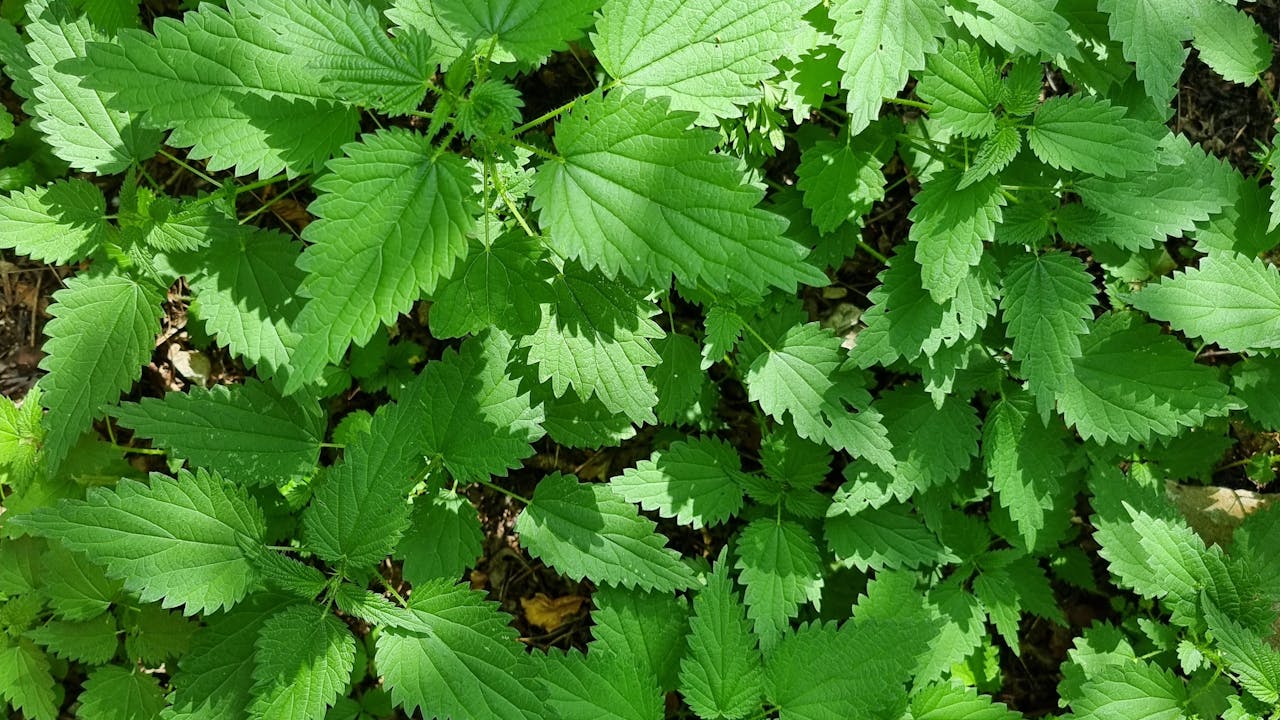
Berberine is an alkaloid found in barberry root, goldenseal, and a handful of other plants. Traditional Chinese and Ayurvedic medicine have used it for centuries. Modern science spent decades trying to figure out exactly why it worked so well for blood sugar and metabolic issues, and the answer turned out to be surprisingly sophisticated.
AMPK: the cellular energy switch
The primary mechanism is AMPK activation. AMPK stands for AMP-activated protein kinase, and it functions as a cellular energy sensor. When cells have plenty of ATP (energy), AMPK is quiet. When ATP drops and AMP rises, AMPK activates.
Berberine induces a mild, temporary inhibition of mitochondrial respiratory complex I. This briefly drops ATP production, raises the AMP:ATP ratio, and triggers AMPK to activate. From there, a cascade of metabolic improvements follows: better glucose uptake in muscle cells, reduced fat synthesis, enhanced fatty acid oxidation, and suppressed glucose production in the liver.
If this sounds familiar, it should. Metformin, the world's most prescribed diabetes drug, works through a nearly identical mechanism. Multiple head-to-head trials have confirmed the comparison, and the landmark Zhang 2008 study found berberine (500mg three times daily) and metformin produced essentially equivalent reductions in HbA1c, fasting glucose, and postprandial glucose over three months. That result has been replicated in various forms across dozens of subsequent trials.
A 2022 meta-analysis covering 37 studies and 3,048 patients found berberine reduced HbA1c by an average of 0.63% to 0.73% across the study period. In newly diagnosed type 2 diabetes, the Zhang landmark trial saw a 2.0% absolute HbA1c reduction. That's not supplement territory. That's pharmaceutical territory.
Glucose uptake without insulin
Beyond AMPK, berberine drives GLUT4 glucose transporters to the cell membrane in skeletal muscle. GLUT4 is the transporter that pulls glucose out of the bloodstream and into cells. Normally this requires insulin to trigger it. Berberine activates it through separate pathways: PI3K/AKT and MAPK.
This matters a lot for people with insulin resistance. When insulin signaling is broken, GLUT4 doesn't get the message. Berberine bypasses that broken signal and gets glucose into cells anyway. It works even in conditions where insulin can't.
Your gut microbiome as a metabolic lever
Here's the mechanism most people don't talk about. Berberine has notoriously poor systemic bioavailability, roughly 1-5% of an oral dose makes it into circulation. Historically this was seen as a problem. More recent research suggests it's actually part of why berberine works so well.
At low systemic concentrations, berberine is reaching very high local concentrations in the gut. And the gut is exactly where metabolic trouble often starts. Studies show berberine:
Increases Akkermansia muciniphila, a keystone species associated with gut barrier integrity and reduced insulin resistance. Increases SCFA-producing bacteria including Butyricimonas, Coprococcus, and Ruminococcus. Short-chain fatty acids (SCFAs) like butyrate stimulate GLP-1 secretion, the same pathway targeted by newer diabetes drugs like semaglutide. Reduces the endotoxin-producing bacterial species that drive systemic inflammation and contribute to insulin resistance.
The gut microbiome angle also explains why berberine seems to work differently in different people. Individuals with different baseline microbiomes respond differently, and the metabolic remodeling takes time, typically several weeks before full effects emerge.
Liver effects and lipids
Berberine suppresses hepatic gluconeogenesis through the LKB1-AMPK-TORC2 pathway, which downregulates the enzymes PEPCK and G6Pase. Less glucose being manufactured in the liver means lower fasting glucose levels, the number that many people struggle with most.
On lipids, berberine takes a completely different route from statins. It upregulates LDL receptors in the liver, increasing LDL clearance from circulation. Meta-analyses show consistent reductions of approximately 18 mg/dL in LDL and 30 mg/dL in triglycerides. These are meaningful numbers, especially for someone with metabolic syndrome.
How inositol works in your body
Inositol is often called a B-vitamin, though that classification is debated. Your body can synthesize it from glucose, but many people, particularly those with insulin resistance, don't make enough of the right types.
The "right types" piece is important. Inositol isn't one compound. It's a family of stereoisomers, and two of them do most of the heavy lifting: myo-inositol (MI) and D-chiro-inositol (DCI).
Myo-inositol vs D-chiro-inositol: not the same thing
These two molecules look almost identical but play different roles in the body.
Myo-inositol is the primary form in circulation. It's a structural component of phosphatidylinositol, a membrane phospholipid central to PI3K signaling. Inside cells, MI serves as a precursor for inositol phosphoglycans (IPGs), which function as insulin second messengers. MI-based IPGs drive GLUT4 to the cell membrane, pulling glucose inside. In the ovary specifically, MI acts as a second messenger for FSH (follicle-stimulating hormone), supporting follicle development and oocyte quality.
D-chiro-inositol is derived from MI through an enzyme called an epimerase, and that conversion is insulin-dependent. DCI-based IPGs do something different: they activate glycogen synthase (glycogen storage) and suppress gluconeogenesis. In the ovary, DCI acts as an aromatase inhibitor, modulating androgen-to-estrogen conversion.
Here's the critical part. In insulin-resistant states, the epimerase enzyme that converts MI to DCI is significantly underactive, 2-3 times lower activity than normal. This means insulin-resistant people are simultaneously deficient in DCI (can't make enough of it) while also not getting the downstream effects DCI is supposed to provide. Supplementing the combination corrects both sides of this deficiency.
The 40:1 ratio and why it matters
The physiological plasma ratio of myo-inositol to D-chiro-inositol is approximately 40:1. This isn't arbitrary. It reflects how the body distributes these two molecules across different tissues and functions.
Researcher Vittorio Unfer, one of the leading voices in inositol research, led comparative trials testing multiple different MI:DCI ratios in PCOS patients. A trial testing seven different ratios found the 40:1 formula was most effective for restoring ovulation and normalizing hormonal markers. The 40:1 ratio is now the standard recommendation from the Experts Group on Inositol in Basic and Clinical Research.
An important warning: too much DCI causes problems. High-dose DCI supplementation or ratios strongly weighted toward DCI (like 1:1) can impair ovarian function by excessively inhibiting aromatase, which reduces estrogen conversion and disrupts the hormonal balance you're trying to restore. A 2025 paper titled "Unexpected effects of treating insulin-resistant obese women with high-dose D-chiro-inositol" documented exactly this issue. The 40:1 ratio exists for good reason. Stick to it.
Insulin signaling at the cellular level
When insulin binds its receptor, phospholipase C-beta activates and cleaves membrane phospholipids to release IPGs containing either MI or DCI. These IPGs then act on specific downstream targets:
MI-IPG activates GLUT4 glucose transport. DCI-IPG activates glycogen synthase, helping the body store glucose as glycogen rather than leaving it circulating in the blood.
What berberine does at the top of the signaling cascade, inositol does at the bottom. AMPK activation from berberine starts the process. Inositol's IPG messengers execute it. That's the synergy in a sentence.
The PCOS connection
Polycystic ovary syndrome is fundamentally an insulin resistance syndrome in the majority of cases. Elevated insulin drives excess androgen production from the ovaries, disrupts FSH-to-LH ratios, impairs follicle development, and creates the hormonal cascade that causes irregular periods, elevated testosterone, and difficulty conceiving.
Because MI acts as an FSH second messenger in ovarian tissue, inositol deficiency directly impairs follicle development. Supplementing MI restores this signal. Studies show that 88% of PCOS patients restored at least one spontaneous menstrual cycle during MI treatment, and meta-analyses show a 61.7% ovulation rate with MI supplementation.
DCI's aromatase-inhibiting role in the ovary, at the 40:1 ratio, helps modulate androgen levels without going so far as to disrupt estrogen production entirely. It's a nuanced hormonal effect that requires the right ratio.
Why they work better together
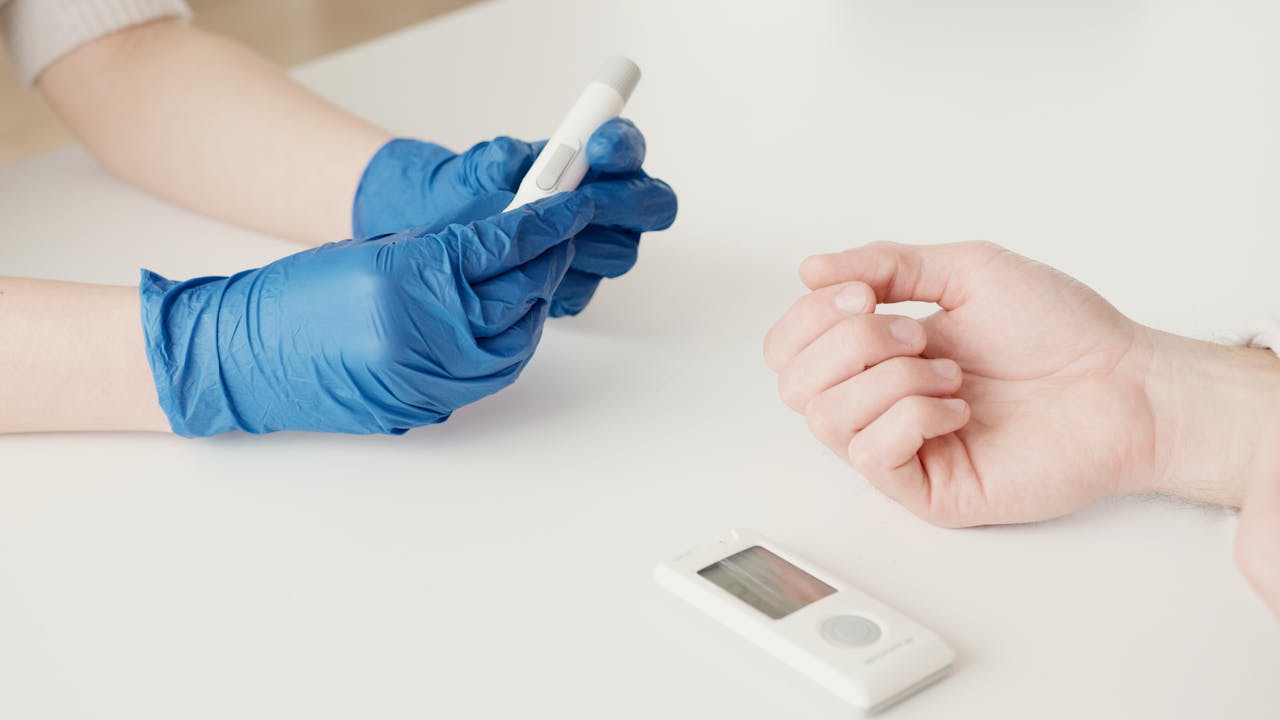
You can think of insulin resistance as a broken relay race. Insulin is the baton. Berberine improves the handoff from the starting gun to the first runner. Inositol improves the handoff from the last runner across the finish line. If either handoff fails, the race doesn't get completed.
Here's a comparison of what each compound does:
Berberine handles AMPK activation, hepatic gluconeogenesis suppression, GLUT4 translocation via MAPK, gut microbiome remodeling, LDL receptor upregulation, and anti-inflammatory effects. Inositol handles direct insulin second messenger function, glycogen synthesis via DCI-IPG, GLUT4 translocation via MI-IPG (downstream route), FSH signaling in the ovary, and androgen modulation via DCI.
There's overlap in GLUT4 translocation and glucose uptake, but the pathways are different enough that both are needed for complete action. And for PCOS specifically, berberine's ability to raise SHBG (sex hormone-binding globulin, which binds and neutralizes free testosterone) combined with inositol's FSH-signaling and aromatase-modulating effects creates a hormonal correction that's genuinely hard to replicate with either compound alone.
A 2021 network meta-analysis of 22 randomized controlled trials found that the MI+DCI combination had the best improvement in menstrual frequency of any agent tested, an odds ratio of 14.70 versus metformin alone. Berberine combined with metformin showed the greatest testosterone reduction (MD -11.53). No single agent came close to what combinations achieved.
The mechanism for this synergy is complementary, not redundant. You're not doubling down on AMPK. You're filling the gaps that AMPK activation leaves open.
WinAging covers the full longevity compound stack, and the berberine-inositol combination stands out because it's one of the few cases in nutrition research where the combination data is clearly stronger than either compound in isolation.
What the research actually shows
PCOS clinical trials
The most directly relevant head-to-head trial compared berberine, myo-inositol, and metformin over 12 weeks in 136 women with PCOS. Each compound performed differently:
Berberine showed the highest increase in SHBG and the greatest decrease in the free androgen index of all three groups. It produced the best improvements in waist circumference and lipid profile. Myo-inositol showed the greatest reduction in fasting insulin and the best improvements in carbohydrate metabolism. Metformin had the most GI side effects: three discontinuations vs. zero for either berberine or inositol.
The takeaway is that berberine and inositol have complementary strengths. Berberine wins on cardiovascular risk reduction and androgen suppression via SHBG. Inositol wins on insulin-specific outcomes and is the preferred option for anyone concerned about pregnancy. The combination addresses both.
A 2023 randomized controlled trial using berberine phytosome (a more bioavailable form) at 550mg twice daily found that 70% of women had regular menstrual cycles after 90 days versus 16% in the control group. Significant improvements in CRP, TNF-alpha, triglycerides, testosterone, BMI, and SHBG were all observed.
The 2021 network meta-analysis covered 22 RCTs and 1,079 women. MI+DCI combined showed HOMA-IR reduction of -0.89, the best of any agent tested. MI+DCI also produced OR 14.70 for improved menstrual frequency vs. metformin. Importantly, MI alone and DCI alone showed no significant benefit versus metformin, but the combination significantly outperformed it.
Prediabetes and metabolic syndrome
A double-blind, placebo-controlled trial in 148 patients with impaired fasting glucose or impaired glucose tolerance tested a combination formula including berberine 200mg, inositol 300mg, and curcumin over three months. Despite using lower doses than typical standalone protocols, results were significant:
HbA1c reduced by 0.4% absolute. Fasting glucose dropped 15 mg/dL (12.8%). Post-meal glucose fell 9.7 mg/dL (7.6%). HOMA-IR improved by 7%. Insulin sensitivity (M-value from glucose clamp) increased by 34%, from 5.94 to 7.97. Lipid profile and inflammatory markers improved across the board.
These numbers came from lower-than-standard doses. Full-dose protocols using berberine 1500mg/day and inositol 4g/day would be expected to produce larger effects.
Blood sugar outcomes from berberine alone
When it comes to blood sugar, berberine's evidence is exceptional by any standard. The Zhang 2008 landmark trial (116 patients, three months, 500mg three times daily) found:
In newly diagnosed type 2 diabetes: HbA1c from 9.5% to 7.5%, a 2.0% absolute reduction. Fasting glucose decreased 36%. Post-meal glucose decreased 44%. Fasting insulin decreased 28%. Triglycerides decreased 35%. Total cholesterol decreased 12%.
The comparator group received metformin and got nearly identical results.
A 2022 meta-analysis of 37 studies covering 3,048 patients confirmed the pattern: mean HbA1c reduction of 0.63% to 0.73% across study populations. This is consistent with metformin's typical effect size in similar populations.
Who should consider this combination
PCOS with insulin resistance
This is the clearest use case. The evidence base for both compounds in PCOS is among the strongest in natural medicine research. If you have:
Irregular or absent periods. Elevated androgens (high testosterone, DHEA-S). Elevated fasting insulin or a high HOMA-IR score. Polycystic ovaries on ultrasound. Difficulty losing weight despite effort.
Then the berberine-inositol combination is worth serious consideration. It addresses the root cause rather than managing symptoms.
The critical exception: if you're pregnant or actively trying to conceive right now, use inositol only. Berberine is contraindicated in pregnancy. More on this in the safety section.
Prediabetes and metabolic syndrome
If your fasting glucose is in the 100-125 mg/dL range, or your HbA1c is between 5.7% and 6.4%, you're in the prediabetes window. This is the ideal time to intervene before the damage compounds. Lifestyle changes remain the first-line intervention, but the combination of berberine and inositol has solid clinical data for this exact population.
Metabolic syndrome, the cluster of central obesity, high triglycerides, low HDL, elevated blood pressure, and elevated fasting glucose, responds well to berberine on multiple fronts simultaneously. Adding inositol improves the insulin signaling component.
Check where you stand with the biological age calculator and you can also use the supplement interaction checker before starting any new stack.
Type 2 diabetes as an adjunct
Berberine has pharmaceutical-level evidence in type 2 diabetes. Adding inositol alongside it provides additional insulin signaling support. But if you're managing type 2 diabetes with medications, particularly metformin, sulfonylureas, or insulin, you need to involve your doctor before starting berberine. The interaction with metformin isn't necessarily harmful but requires monitoring. The additive glucose-lowering effects of berberine plus existing antidiabetics can cause hypoglycemia.
Weight management driven by insulin resistance
If excess fat is concentrated in the abdomen, if you feel hungrier soon after eating, if carbs seem to cause disproportionate weight gain, if your energy crashes after meals, these are classic signs of insulin resistance. Meta-analyses show berberine produces average weight reductions of 2.07 kg and waist circumference reductions of 1.08 to 3.27 cm. Inositol adds to this by improving insulin signaling at the cellular level, helping cells actually use glucose for energy rather than storing it as fat.
People with dyslipidemia
Berberine's LDL-lowering mechanism is completely different from statins. It increases LDL receptor expression in the liver rather than blocking cholesterol synthesis. Consistent meta-analyses show approximately 18 mg/dL LDL reduction and 30 mg/dL triglyceride reduction. If you're not tolerating statins or want an alternative approach, berberine is worth the conversation with your doctor.
Dosing: how much to take and when
Getting the dosing right matters as much as picking the right compounds.
Berberine doses and forms
Standard berberine HCl dose: 500mg taken 15-30 minutes before each of three meals, for a daily total of 1,500mg. This is the dose used in the landmark Zhang trial and in most clinical research.
Starting dose: If you're new to berberine or prone to digestive sensitivity, start with 500mg once daily before your largest meal. Hold that for one to two weeks, then move to twice daily, then three times. GI side effects, the main complaint with berberine, are almost always dose-dependent and usually resolve after the first couple of weeks.
Three forms are worth knowing:
Berberine HCl is the most studied and most affordable. Bioavailability is roughly 1-5%, which sounds terrible but is partly offset by the gut-local mechanisms described earlier. This is the standard option.
Berberine phytosome complexes berberine with phospholipids (phosphatidylcholine), which dramatically improves absorption. Studies suggest up to 10x higher bioavailability on a molar basis. Clinical trials using berberine phytosome use doses of 500-550mg twice daily, which appears equivalent to 1,500mg/day of standard HCl. Fewer GI side effects at equivalent efficacy. More expensive.
Dihydroberberine (DHB) is the reduced metabolite form. Significantly more bioavailable than HCl. Typical dose is 100-200mg/day. Fewer GI side effects. Less human clinical research available compared to HCl, but the pharmacokinetic data is promising.
Inositol: the 40:1 formula
For PCOS and insulin resistance, the optimal inositol approach is a myo-inositol and D-chiro-inositol combination in the 40:1 ratio:
Standard dose: 4,000mg myo-inositol + 100mg D-chiro-inositol daily. Split into two doses, morning and evening. This 40:1 ratio (4000:100) reflects the physiological plasma ratio.
Metabolic support without PCOS: 2g myo-inositol twice daily (4g total) is the standard dose. Pure myo-inositol without DCI is acceptable here.
For gestational diabetes prevention: Studies have used 2-4g/day of myo-inositol with a favorable safety profile in pregnancy. Inositol is considered safe in pregnancy, which is the opposite of berberine.
Inositol is water-soluble and can be taken with meals or between them. Some people prefer taking it before bed. It doesn't cause blood sugar spikes or the GI sensitivity that berberine sometimes does.
The full combination protocol
Here's what a standard combined protocol looks like:
Morning: Berberine 500mg (or phytosome 500mg) taken 15-30 minutes before breakfast. Myo-inositol 2g + D-chiro-inositol 50mg (half the daily dose) taken with or shortly after breakfast.
Midday: Berberine 500mg (standard HCl only) taken 15-30 minutes before lunch. No inositol needed at midday.
Evening: Berberine 500mg (or phytosome 500mg) taken 15-30 minutes before dinner. Myo-inositol 2g + D-chiro-inositol 50mg (remaining half) taken with dinner or before bed.
Titration: If you're starting fresh, don't start both at full dose simultaneously. Add berberine first at low dose for two weeks, then add inositol at half dose for another two weeks, then scale both up. This makes it easier to identify the source if you experience side effects.
Duration: At minimum, run this protocol for three months before assessing results. Hormonal effects (menstrual cycle restoration, testosterone reduction) may take 24 weeks or longer to fully manifest.
WinAging's supplement interaction checker can help you verify there are no issues with anything else in your current stack before you begin.
Side effects and what to watch for
Berberine side effects
The most common issue with berberine is gastrointestinal: cramping, bloating, loose stools, or constipation, usually at the start of treatment. About 20% of users experience these effects, compared to 30% with metformin in head-to-head trials. The effects are dose-dependent and almost always resolve within one to two weeks as your gut microbiome adjusts.
Taking berberine with food, or using berberine phytosome, meaningfully reduces GI issues for most people.
Less common: headache, dizziness, or a mild drop in blood pressure. At standard doses (1,500mg/day), hypoglycemia is unlikely unless you're already taking other glucose-lowering agents.
Long-term safety: well-established up to 12 months, with some data extending to two years. Berberine isn't something to take indefinitely without periodic reassessment. Many people cycle it: 12 weeks on, 4 weeks off.
Drug interactions (the ones that matter)
Metformin: Berberine can increase metformin plasma levels and has additive glucose-lowering effects. This isn't automatically dangerous and can actually be beneficial for blood sugar control, but it needs to be coordinated with the prescribing physician. Hypoglycemia risk increases with the combination.
Warfarin: Berberine inhibits CYP2C9, the enzyme that metabolizes warfarin. This can elevate INR and increase bleeding risk. If you're on warfarin, get a baseline INR before starting berberine and monitor closely. This is a clinically significant interaction.
Cyclosporine: CYP3A4 inhibition by berberine increases cyclosporine blood levels by 25-34% and extends its half-life. This is potentially dangerous for transplant recipients or anyone on immunosuppressive therapy. Do not combine without physician oversight.
Statins (simvastatin, atorvastatin): CYP3A4 inhibition increases statin exposure and theoretically raises the risk of muscle side effects. Monitor for muscle soreness or weakness if you add berberine to a statin regimen.
Sulfonylureas and insulin: Additive hypoglycemia risk. Blood glucose monitoring becomes more important.
The general rule: if you're on multiple prescription medications, especially ones metabolized by CYP2D6, CYP2C9, or CYP3A4, run berberine by your doctor before starting. Use the supplement interaction checker as a first screen, then confirm with your prescriber.
The pregnancy warning
This needs its own section because the consequences are serious.
Berberine is contraindicated in pregnancy and when actively trying to conceive. It crosses the placenta. It can displace bilirubin from albumin, causing kernicterus (a form of brain damage) in newborns. Singapore banned berberine for this reason over 30 years ago. This contraindication has been replicated across multiple toxicology reviews.
If you're using berberine for PCOS and your goal is fertility, stop berberine when you begin trying to conceive. Switch to inositol only. The 40:1 myo-inositol/D-chiro-inositol formula is not only safe in early pregnancy, it's been studied specifically for gestational diabetes prevention at doses up to 4g/day with no safety signals.
Breastfeeding: berberine passes into breast milk and is contraindicated there too.
If you're managing PCOS with both compounds and your situation changes, this is the one place where you have to stop and reconsider the full stack.
Inositol: remarkably safe
By comparison, inositol's safety profile is excellent. It's on the FDA GRAS (generally recognized as safe) list. Side effects at standard doses (2-4g/day) are minimal. At very high doses (12g/day), mild nausea, diarrhea, and headache have been reported. Most therapeutic protocols stay well below that threshold.
There are essentially no significant drug interactions with inositol. Unlike berberine, it doesn't affect CYP450 enzymes. Additive glucose-lowering when combined with diabetes medications is the one thing to watch, but it's mild.
Safe in pregnancy. Safe in breastfeeding. Safe long-term. In the world of metabolic supplements, inositol's safety record is genuinely exceptional.
Choosing the right forms
Standard berberine HCl works well for most people and it's the form with the most clinical data behind it. The main downside is GI sensitivity and the need for three-times-daily dosing.
Berberine phytosome is worth the price premium if you've had trouble tolerating standard berberine in the past, or if you want twice-daily dosing instead of three times. The 2023 PCOS trial specifically used the phytosome form and produced significant results at 550mg twice daily.
For inositol, look for products that specifically state the 40:1 ratio of myo-inositol to D-chiro-inositol. Many inositol products are pure myo-inositol, which is fine for general metabolic support but misses the DCI piece that's particularly important for PCOS. Read the label carefully.
Our best berberine supplement guide covers specific product recommendations in detail, including what to look for on a label and what the common quality issues are with berberine products.
WinAging tracks the research across all the major longevity compounds, and berberine consistently comes up as one of the most evidence-dense supplements available for metabolic health. The inositol combination elevates that further.
What to expect on a timeline
Weeks 1-2: GI adjustment period for berberine. Some people experience loose stools or cramping. This usually resolves. If it's severe, drop to 500mg once daily and titrate more slowly. Inositol has essentially no adjustment period.
Weeks 3-4: Blood sugar improvements typically become noticeable. Fasting glucose starts trending down. Post-meal glucose spikes decrease. Energy after meals often improves.
Weeks 6-8: Lipid improvements (LDL, triglycerides) become measurable on lab work. Waist circumference may begin declining for people with central adiposity.
Weeks 8-12: HOMA-IR and HbA1c improvements become measurable. For PCOS, menstrual cycle improvements may begin. Testosterone levels may start dropping.
Weeks 16-24: Hormonal effects in PCOS reach fuller expression. SHBG increases become meaningful. Ovulation restoration is more likely at this time frame.
Three months is the minimum assessment period. Six months gives a much clearer picture of the full effect, particularly for hormonal endpoints.
Use the biological age calculator before starting and again at six months if you want a broader picture of how your metabolic health is shifting.
How this fits into a broader longevity stack
Berberine and inositol are primarily metabolic compounds. They target insulin resistance, glucose management, and for PCOS specifically, hormonal dysregulation. They're not the complete longevity stack on their own.
For longevity broadly, the metabolic foundation they build matters enormously. Chronic insulin resistance is a driver of accelerated aging through multiple pathways: it promotes mTOR dysregulation, impairs autophagy, drives inflammation, and contributes to the cellular senescence that underlies many age-related diseases. Getting insulin resistance under control is foundational work, not optional.
If you're building a more comprehensive protocol, berberine pairs well with compounds targeting other aging hallmarks. Metformin (or berberine as an alternative) for mTOR/AMPK pathways, NAD+ precursors for mitochondrial function, senolytics for clearing senescent cells. These don't compete with each other. The supplement interaction checker can flag any conflicts before you start combining.
Browse the tools section to get your baseline metrics before building out your stack, and use the resources on WinAging to understand the science behind each addition.
Frequently asked questions
Can you take berberine and inositol at the same time?
Yes. They work through non-overlapping mechanisms and can be taken concurrently without interaction. Take berberine before meals and inositol with or between meals. Starting one at a time, two weeks apart, helps you identify the source of any side effects that emerge.
Is this combination better than metformin for PCOS?
The head-to-head data is mixed but favorable. The 2022 trial found berberine outperformed metformin on SHBG and free androgen index with fewer GI side effects. The 2021 network meta-analysis found MI+DCI outperformed metformin for menstrual frequency (OR 14.70). The combination of berberine plus inositol addresses complementary pathways that metformin doesn't. It's also worth noting that berberine plus metformin showed the greatest testosterone reduction of any combination tested. These aren't necessarily competing options.
How long does it take for berberine and inositol to work for PCOS?
Metabolic markers (fasting glucose, insulin sensitivity) typically improve within four to eight weeks. Hormonal markers (testosterone, SHBG) take longer, often 12-24 weeks for full effect. Menstrual cycle regularity may begin improving at eight weeks but often requires three to six months for consistent restoration.
Does berberine interact with birth control pills?
There's theoretical concern because berberine affects CYP3A4, which metabolizes some oral contraceptives. The clinical significance is unclear but worth discussing with your doctor, particularly for progestin-only pills, which have a narrower margin.
Can you take berberine and inositol while pregnant?
No to berberine. Yes to inositol. Berberine is contraindicated in pregnancy, breastfeeding, and when trying to conceive. Inositol is safe in pregnancy and has been specifically studied for gestational diabetes prevention at up to 4g/day with no safety signals. If you're trying to conceive, stop berberine and continue inositol only.
What's the best time of day to take inositol for PCOS?
Split the dose: 2g myo-inositol (plus 50mg DCI) in the morning and 2g (plus 50mg DCI) in the evening. Some people prefer the evening dose before bed. Consistency matters more than precise timing. Morning and evening dosing maintains relatively stable blood levels throughout the day.
Do you need to take both myo-inositol and D-chiro-inositol?
For PCOS specifically, yes. Taking pure myo-inositol is better than nothing, but the 40:1 combination consistently outperforms MI alone in clinical trials. The combined form addresses both the FSH-signaling component (MI) and the androgen-modulating and glycogen-synthesis component (DCI). For general metabolic support without PCOS, pure myo-inositol at 2-4g/day is acceptable.
Does berberine cause hypoglycemia?
At standard doses of 1,500mg/day in healthy adults, hypoglycemia is uncommon. It becomes a real concern when berberine is combined with other glucose-lowering medications: metformin, sulfonylureas, or insulin. If you're on any of these, start berberine at a low dose with close blood sugar monitoring and coordinate with your prescriber.
Ready to build a complete longevity protocol? The AI protocol builder takes your age, goals, and experience level to design a personalized plan.
Related guides
- Best berberine supplement: what to look for
- What to avoid when taking low dose naltrexone
- Supplement interaction checker
- Biological age calculator
- All longevity tools
Sources
- Berberine vs. Myoinositol vs. Metformin in PCOS (PMC8890747)
- Network meta-analysis of oral insulin sensitizers for PCOS (PMC8371888)
- Berberine and inositol combination in prediabetes (PMC7060772)
Insulin resistance isn't a single broken switch. It's a cascade of failures across multiple pathways. Berberine and inositol fix different failures in that cascade simultaneously.
Start slow, run the protocol for at least three months, and get your labs before and after so you have data rather than guesses. Use the free tools at WinAging to track your metabolic markers along the way. The compounds are doing real work at the molecular level. Your job is to give them time.