Omre spermidine review: is the 10mg dose worth it?
Omre spermidine delivers 10mg per serving from ultra-pure wheat germ extract. We break down the ingredients, dose, science, and how it stacks up against Primeadine.

The spermidine supplement market is confusing. One brand sells 1mg per serving. Another sells 10mg. A third tells you the dose doesn't matter because their prebiotic fiber boosts endogenous production anyway. The price range runs from $20 to $90 a month.
If you've been trying to figure out which spermidine supplement is worth your money, you've probably run into Omre. It's one of the more talked-about options right now, partly because it delivers one of the highest doses on the market and partly because it comes from a doctor-founded brand with a clean, no-nonsense approach.
This review covers everything. What Omre spermidine actually is, how it's made, what the research says about spermidine at this dose, how it compares to the main alternatives, and whether the $54/month price tag makes sense for your goals.
Let's start with the science, because that context makes everything else clearer.
What spermidine actually does in your body
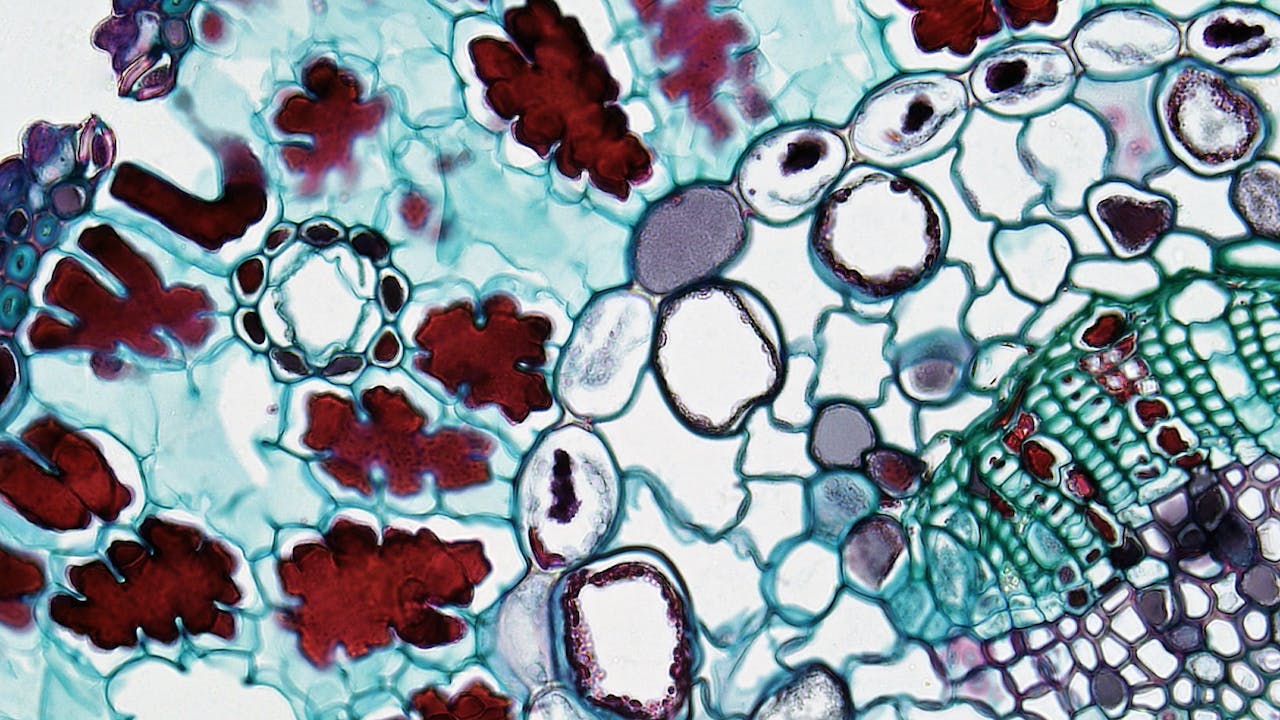
Spermidine is a polyamine. It's a small molecule found in every living cell, and your body produces it naturally, mostly by converting putrescine using a specific enzyme called spermidine synthase.
It's been in your cells your entire life. But here's the problem: your body makes less of it as you age. Spermidine levels decline significantly between your 40s and 70s, and this decline tracks closely with some of the most familiar hallmarks of aging, slower cellular cleanup, reduced mitochondrial function, and increased inflammation.
The reason spermidine matters so much for longevity researchers comes down to one word: autophagy.
The autophagy connection
Autophagy is your cells' internal recycling system. The word literally means "self-eating," which sounds alarming but is actually one of the most important processes for keeping you biologically young. Autophagy removes damaged proteins, clears out dysfunctional organelles, and recycles cellular components that would otherwise pile up and cause harm.
When autophagy works well, cells stay clean and functional. When it slows down, which it does with age, damaged material accumulates. This contributes to everything from cognitive decline to cardiovascular disease to accelerated skin aging.
Spermidine activates autophagy through a molecular cascade that researchers have been studying intensively over the past decade. The mechanism involves something called hypusination of a translation factor called eIF5A. When spermidine is present, it modifies eIF5A, which then activates TFEB, a master transcription factor that switches on autophagy genes throughout the cell.
The practical result is more active cellular cleanup. Better turnover. Faster removal of the junk that accumulates with age.
mTOR inhibition and the fasting connection
If you've read anything about longevity, you've probably heard of mTOR, the signaling pathway that drives cellular growth and is also one of the primary targets for extending lifespan. Rapamycin works by inhibiting mTOR. So does caloric restriction and intermittent fasting.
Spermidine sits in the same mechanistic neighborhood. A 2024 study published in Nature Cell Biology showed something striking: spermidine is actually required for rapamycin's longevity effects in animal models. When researchers blocked spermidine synthesis, rapamycin couldn't extend lifespan. The two pathways are intertwined more deeply than previously understood.
This is part of why spermidine is often called a "fasting mimetic." Fasting triggers a surge in endogenous spermidine production in yeast, flies, mice, and humans. Supplemental spermidine may partially replicate some of the same cellular signaling that makes fasting so powerful for longevity, without the hunger.
That doesn't mean it's a substitute for fasting. But it suggests that spermidine and fasting are working through overlapping biological machinery. For people already doing time-restricted eating or periodic fasting, spermidine may complement what they're already doing.
What the clinical research shows
The research base for spermidine is genuinely impressive for a longevity supplement, especially compared to compounds that have been studied for decades with much weaker human data.
Cognitive function: A randomized controlled trial in older adults with subjective cognitive decline found that 1.2mg of spermidine per day for three months improved memory performance compared to placebo. A year-long study using 3.3mg per day in adults with mild dementia found positive memory effects with no safety concerns.
Cardiovascular health: Population studies have found that higher dietary spermidine intake correlates with lower all-cause mortality and reduced cardiovascular disease incidence. The mechanism appears to involve cardioprotective autophagy in heart tissue and beneficial effects on mitochondrial function.
Hair growth: A 2017 randomized controlled trial with 100 participants found that spermidine supplementation for 90 days increased the proportion of hair follicles in the anagen (growth) phase by 12.8%. The effect persisted for more than three months after stopping supplementation. Earlier in vitro work showed spermidine upregulates markers of hair follicle stem cells.
Immune function: A 2024 trial combining spermidine with other compounds found measurable improvements in immune function and a reduction in biological age markers, the first study to demonstrate actual biological age reduction from a spermidine-containing protocol.
Safety: Studies have tested doses up to 40mg per day without serious adverse events. A 12-month study at 6mg per day found no safety concerns at all.
The honest caveat is that many of the longevity studies are in model organisms (yeast, worms, flies, mice), and the human trials are still relatively small. But the consistency of findings across different experimental systems, and the mechanistic understanding of how spermidine works, puts it in a stronger position than most longevity supplements.
If you want to check how spermidine might interact with other compounds in your stack, use the WinAging supplement interaction checker before adding anything new.
About Omre as a brand
Omre was founded by Dr. Pedram Kordrostami, an MD trained at Queen Mary University of London who worked in the UK National Health Service, including emergency medicine, until 2022. His clinical background is relevant: he describes seeing the same patterns of metabolic decline and early aging across patient populations repeatedly, which led him toward longevity-focused medicine.
The company's positioning is "doctor-led and research-first." They state that they only formulate products when there's solid published science behind the active ingredient, and they focus on dose transparency in a category where dosing is often obscured or understated.
Their current product line is intentionally small: spermidine, NMN with resveratrol, and quercetin with fisetin. That focused lineup is a good sign. Brands that try to sell everything usually compromise on quality or formulation somewhere.
The Omre spermidine product: what's actually in it
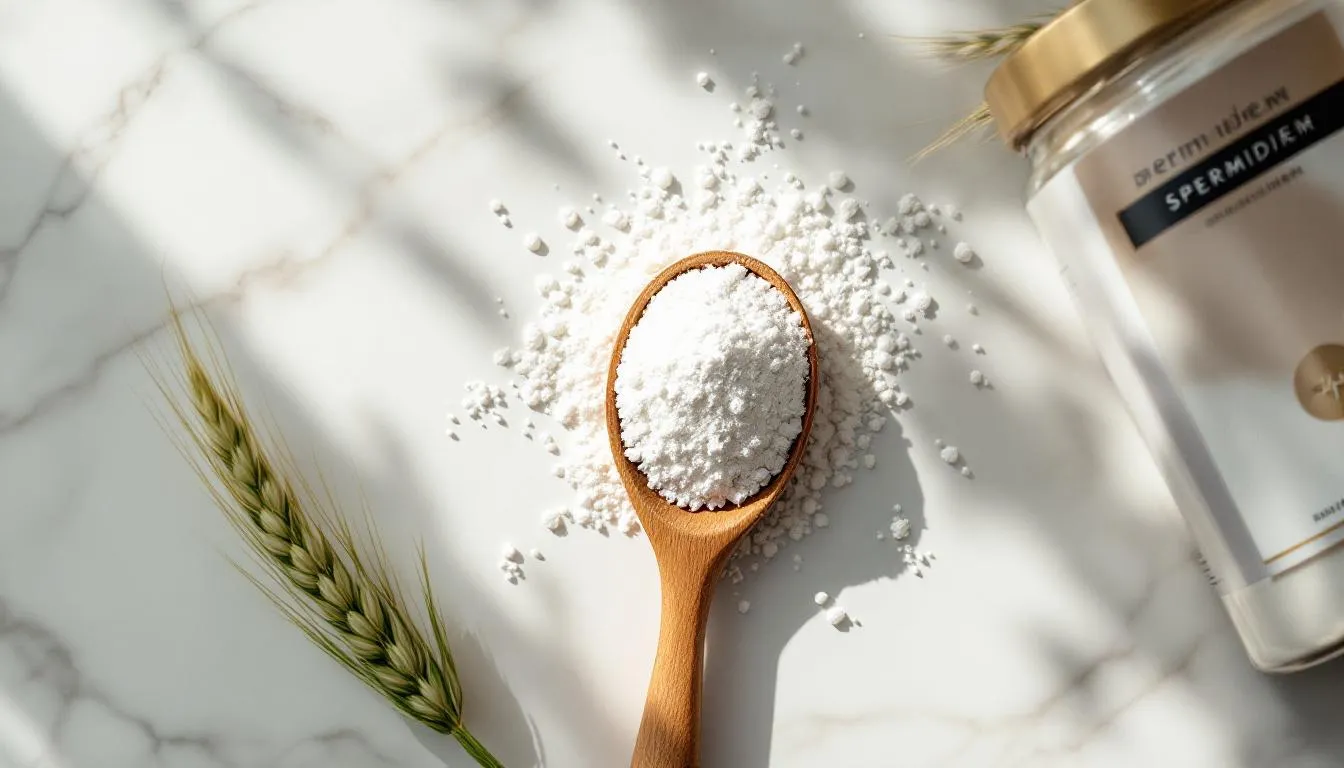
Product: Spermidine 10mg - Ultra Pure Wheat Germ Extract
Active ingredient: 1,000mg wheat germ extract per serving, standardized to a minimum of 1% spermidine, delivering a guaranteed 10mg natural spermidine.
Co-factors: The wheat germ extract naturally contains spermine and putrescine, the other two principal polyamines in the spermidine family. These compounds work synergistically with spermidine in cellular pathways.
Inactive ingredients: Nu-FLOW rice hull concentrate as a natural filler. No magnesium stearate, no silicon dioxide. The formulation is deliberately clean.
Form: Capsules in a glass jar. 60 capsules per bottle, a 30-day supply at 2 capsules per day.
Serving: 2 capsules daily, taken with food.
Important note on gluten: This product is derived from wheat germ and is not gluten-free. If you have celiac disease or a wheat allergy, this is not the right product for you. Several competitors offer chlorella-based spermidine as an alternative.
Certifications: Manufactured in an FDA-registered, GMP-certified US facility. Every batch is independently tested for spermidine content verification, bacterial contamination, fungal contamination, and heavy metals.
The third-party testing is important. Standardized botanical extracts can vary significantly in actual active content, so batch testing with dose verification is what separates a reliable product from a wishful one.

Spermidine in food: what you're working with before you supplement
Before getting into whether the supplement dose makes sense, it helps to understand dietary spermidine. This sets the baseline.
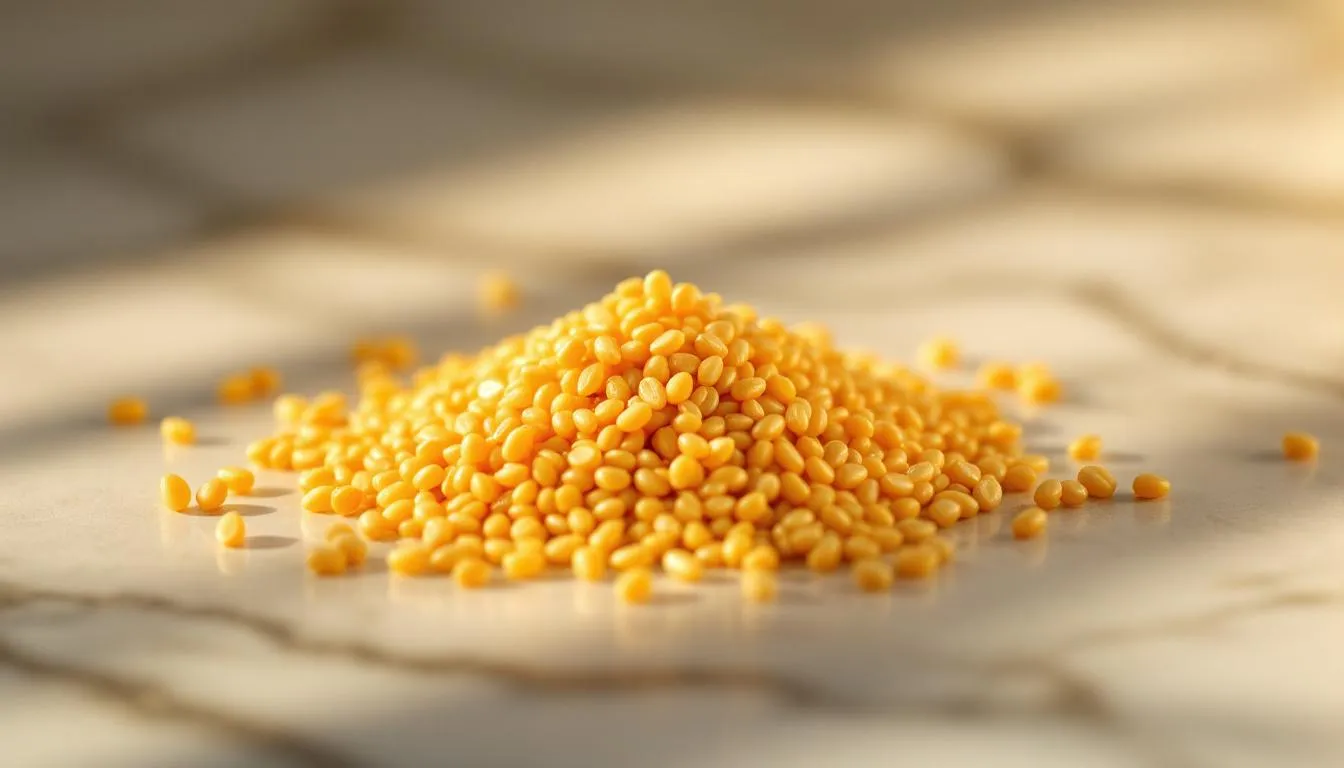
Wheat germ is one of the richest dietary sources, containing roughly 243-300mg of spermidine per kilogram (about 35mg per 100g serving). But most people don't eat meaningful amounts of wheat germ. Other sources include:
Natto (fermented soy): up to 20mg per 100g, but most Westerners don't eat it regularly. Soybeans: around 18mg per 100g. Shiitake and king trumpet mushrooms: up to 16mg per 100g. Pumpkin seeds, lentils, aged cheese: moderate amounts.
Check out spermidine-rich foods for a full breakdown of dietary sources and how much you'd need to eat to approach supplemental doses.
The key point: getting 10mg of spermidine from food alone would require eating quite a lot of wheat germ or natto every single day. For most people, diet alone doesn't come close to supplemental doses, especially as dietary spermidine intake has declined in modern Western diets alongside reductions in fermented food consumption.
This is the practical argument for supplementation. Not that food sources don't matter. They do. But hitting a consistent 10mg daily from food is genuinely difficult for most people.
The dose debate: does 10mg actually matter?
This is the most important question in the spermidine supplement category, and the honest answer is that the science is still evolving.
Here's what we know:
The cognitive trials used doses between 1.2mg and 3.3mg per day, and showed positive effects. The hair growth RCT used an unspecified dose from a commercial supplement. The safety study that tested 40mg per day found no adverse events and confirmed tolerability, but the researchers noted that plasma spermidine levels didn't change substantially even at high doses.
That last finding is interesting and somewhat puzzling. A 2024 pharmacokinetic study found that oral spermidine supplements below roughly 15mg per day don't reliably increase circulating plasma levels. This doesn't mean the supplements aren't doing anything. Spermidine may work primarily at the gut level and in intestinal cells before being metabolized, rather than through systemic circulation. But it does suggest that the mechanism of action for oral supplements may be different from what you'd expect based on plasma measurements alone.
Omre's 10mg sits near that threshold. It's higher than most competitors and closer to doses where we'd expect to see physiological changes, but still below the level where plasma elevations become consistent.
The counterargument from lower-dose brands like Primeadine is that the prebiotic approach (feeding gut bacteria that produce spermidine endogenously) is more effective than loading high doses of exogenous spermidine. This is a legitimate hypothesis, and it's supported by the understanding that the gut microbiome is a major site of spermidine production. But it's also not proven to be superior to higher-dose supplementation.
For now, the honest position is: 10mg is a reasonable, well-supported dose. It aligns with the safety data. It's above most competitor products. And it uses a natural, well-characterized source.
Not sure where spermidine fits in your broader protocol? The WinAging AI protocol builder can help you figure out how spermidine complements your existing stack based on your goals and age.
Omre vs. Primeadine: the main comparison
These are the two most commonly compared spermidine supplements, and the differences are genuinely meaningful.
Dose: Omre delivers 10mg per serving. Primeadine Original delivers 1mg. That's a 10x difference in spermidine content.
Source: Omre uses US-manufactured wheat germ extract, standardized to 1% spermidine. Primeadine uses Japanese wheat germ that meets Japan Health Food standards, or chlorella from Okinawa in the gluten-free version.
Philosophy: Primeadine includes FOS (fructooligosaccharide) prebiotic fiber in their original formula, plus spermine and putrescine. Their argument is that feeding the gut microbiome to produce spermidine endogenously is more important than loading high exogenous doses. Omre naturally contains spermine and putrescine from the wheat germ extract but doesn't add prebiotic fiber.
Price: Omre is $54/month. Primeadine is $90/month.
Third-party reviews: On bestspermidine.com, Omre ranks #2 overall (9.3/10) while Primeadine ranks #6 (8.3/10), largely due to dose transparency and verified spermidine content.
Gluten-free options: Omre has none. Primeadine offers a chlorella-based GF version.
If you want the highest confirmed spermidine dose at the lowest price, Omre wins. If you're drawn to the prebiotic ecosystem approach and can afford the premium, Primeadine's philosophy has merit. If you need gluten-free, go with Primeadine GF, partiQlar, or Double Wood.
You can read the full Primeadine review here to compare directly.
Omre vs. Young Goose spermidine
Young Goose isn't really a direct competitor. They sell topical skincare products using CelVio spermidine, packaged as serums and moisturizers targeting skin aging specifically. Their Cellular Duo bundles topical spermidine with spermidineLIFE oral supplements.
If skin aging is your primary concern, Young Goose is worth looking at. It's a different delivery mechanism targeting different outcomes. Omre is the better choice if you want systemic longevity benefits, cognitive support, hair growth, or cardiovascular protection.
Most people interested in serious longevity supplementation would want oral over topical anyway, since the benefits of spermidine go well beyond skin deep.
Omre vs. partiQlar NAD
One comparison worth making is Omre vs. partiQlar's pure spermidine product (which uses synthetic spermidine trihydrochloride / 3HCl rather than wheat germ extract). The partiQlar version delivers spermidine with extreme purity and no risk of wheat-related allergens, but it lacks the naturally co-occurring polyamines (spermine, putrescine) that come with wheat germ extract.
Whether the natural polyamine complex matters more than the purity advantage is unknown. It's probably individual. If you have no wheat sensitivity and want the companion polyamines, Omre makes sense. If you want a completely isolated compound at maximum purity, partiQlar is worth considering.
Customer experience: what people actually report
Omre has 4.7 out of 5 stars from 85 reviews, which is a solid score, though the review count is still modest. The most common reported benefits mirror what the clinical research would predict:
- Improved energy levels, particularly sustained energy rather than stimulant-type spikes
- Better sleep quality and increased deep sleep percentage (one independent six-month review documented deep sleep rising from 14% to 26% of total sleep)
- Faster workout recovery (one reviewer noted roughly 30% reduction in recovery time during marathon training)
- Skin appearance improvements
- Clearer thinking
The main reported downside is GI sensitivity in some people. Taking it with food reduces this substantially. The product page recommends food for a reason.
Onset timeline is worth setting expectations around: most people don't notice anything for the first 30 days. At 60 days, some start to see changes. The clearest effects tend to show up around the 90-day mark. This is consistent with how autophagy-based interventions work. Cellular cleanup is not a dramatic overnight process.
Who should consider Omre spermidine
Good fit:
- Adults 35+ concerned about cognitive aging, cardiovascular health, or hair thinning
- People who want a higher spermidine dose than most products provide
- Anyone already interested in autophagy-based longevity interventions (fasting, rapamycin, berberine)
- Longevity stackers who want a clean, well-formulated, third-party tested product
See spermidine benefits for men and spermidine benefits for women for audience-specific breakdowns.
Not a good fit:
- Anyone with celiac disease or wheat allergy
- People looking for a very low-cost entry into spermidine supplementation (there are cheaper options)
- Those who want the absolute highest purity isolated compound rather than a whole wheat germ extract
Side effects and safety
Spermidine has a strong safety record across published research. Studies have tested doses up to 40mg per day without serious adverse events. The most common side effects reported in trials and user reviews are:
- Mild GI discomfort, especially on an empty stomach (take with food to minimize)
- Occasional headache during the first week or two
- Some people report initial fatigue before energy improvements kick in
Wheat-derived products carry the standard wheat/gluten allergy risk. No serious drug interactions are known, but if you're on immunosuppressants or have autoimmune conditions, talk to your doctor. Spermidine affects immune cell autophagy in ways that could theoretically interact with immunosuppressive therapies.
Since spermidine shares mechanistic territory with fasting and mTOR inhibition, people stacking it with rapamycin or other mTOR-adjacent compounds should be thoughtful. The 2024 Nature Cell Biology research suggesting spermidine and rapamycin share overlapping pathways means the combination probably has additive rather than conflicting effects, but more data would be reassuring.

How to take Omre spermidine
Dose: 2 capsules daily (10mg spermidine total).
Timing: With food. This is genuine advice, not just liability-covering fine print. Taking it fasted increases GI discomfort for some people.
When to take it: There's no strong evidence that time of day matters for spermidine. Some people take it in the morning with their supplement stack, others at dinner. The main variable is food, not timing. For more thoughts on timing, see best time to take spermidine.
How long to take it: Most researchers suggest committing to at least 90 days before judging effects. Autophagy induction builds over time. Short-term trials won't tell you much.
Cycling: There's no established cycling protocol for spermidine. Unlike some compounds, there's no evidence of receptor downregulation or tolerance. Most people take it continuously.
Stacking spermidine with other compounds
Spermidine fits naturally into a broader longevity stack, and there are several complementary angles:
With NMN or NR: NAD+ precursors and spermidine work through different but complementary pathways. NMN supports mitochondrial function via SIRT1/NAD+ signaling. Spermidine targets autophagy via the eIF5A/TFEB pathway. Together they address cellular aging from two directions. Omre conveniently sells an NMN plus resveratrol product if you want to combine within the same brand.
With fasting or time-restricted eating: As noted above, fasting triggers endogenous spermidine production. Supplementing during fasting periods or time-restricted eating windows may produce additive effects.
With quercetin or fisetin: Senolytics clear senescent cells, which is a related but distinct mechanism from autophagy. Some longevity protocols combine senolytic compounds with spermidine for broader cellular housekeeping coverage.
With berberine: Berberine activates AMPK and inhibits mTOR through a different pathway. The combination is mechanistically logical, though direct combination studies in humans are lacking.
Always run your full stack through the supplement interaction checker before adding multiple compounds. Some combinations are fine. Others have timing considerations or potential interactions worth knowing about.
Is the price worth it?
$54/month for a 30-day supply puts Omre in the mid-range for quality longevity supplements. It's significantly cheaper than Primeadine ($90) and in line with reputable NMN products.
For the dose you're getting, 10mg of confirmed, third-party verified spermidine from a GMP-certified facility, the price is defensible. Cheaper options exist (Double Wood sells spermidine for around $20/month), but they use synthetic spermidine 3HCl and typically don't have the same degree of dose verification.
Omre's subscription discounts make the math better: quarterly saves 10%, semi-annual saves 20% (bringing the monthly cost to around $43). If you're planning to take spermidine long-term, the subscription option is worth considering.
If you're building a full longevity protocol and want to understand where spermidine sits relative to other priorities for your age and goals, WinAging's protocol builder can map out a personalized stack.
Frequently asked questions
What is Omre spermidine made from?
Omre spermidine is made from wheat germ extract, standardized to a minimum of 1% spermidine content. Each serving delivers 1,000mg of ultra-pure wheat germ extract, which provides 10mg of naturally occurring spermidine along with the companion polyamines spermine and putrescine.
Is Omre spermidine third-party tested?
Yes. Every batch is independently tested for spermidine content verification, bacterial contamination, fungal contamination, and heavy metals. It's manufactured in an FDA-registered, GMP-certified US facility.
How does 10mg compare to other spermidine supplements?
Most spermidine supplements deliver between 1mg and 5mg per serving. Omre's 10mg is at the high end of commercially available products. The clinical research has used doses ranging from 1.2mg to 40mg per day. Pharmacokinetic research suggests doses closer to 15mg may be needed to consistently raise plasma levels, making Omre's 10mg the closest to that threshold of most products.
Is Omre spermidine gluten-free?
No. It's derived from wheat germ and is not suitable for people with celiac disease or wheat allergies. For a gluten-free option, consider Primeadine GF (chlorella-based) or a synthetic spermidine 3HCl product.
How long does it take to see results from Omre spermidine?
Most users report changes between 60 and 90 days, with the clearest effects at 90 days. Sleep quality and energy tend to shift earlier. Hair growth changes typically require at least three months. Autophagy-based benefits operate at the cellular level and don't produce immediate obvious effects.
Can I stack Omre spermidine with rapamycin?
The 2024 Nature Cell Biology research shows spermidine and rapamycin work through overlapping pathways, with spermidine actually required for rapamycin's longevity effects. The combination is mechanistically logical. That said, if you're prescribed rapamycin by a physician, let them know about your supplement stack. Run the combination through the supplement interaction checker as well.
Where can I buy Omre spermidine?
Omre spermidine is available directly from omre.co and on Amazon (ASIN B0CCYSF28M). Buying directly typically gives you access to subscription discounts.
Related guides
- Primeadine spermidine review
- Young Goose spermidine review
- How much spermidine per day: dosage guide
- Best time to take spermidine
- Foods high in spermidine
Sources
- Nature Cell Biology: Spermidine essential for rapamycin longevity effects (2024)
- PMC: Spermidine in cognitive decline RCT
- PMC: Spermidine hair growth RCT
Spermidine is one of the more compelling longevity compounds in the current research landscape. It's got multiple clinical trials, a well-understood mechanism, and a strong safety record. Omre gives you 10mg in a clean, well-formulated, third-party tested product at a reasonable price.
If you're already tracking your biological age and optimizing your stack, spermidine belongs in the conversation. Explore the biological age calculator to understand where you're starting from, or use the WinAging protocol builder to see exactly how spermidine fits alongside your other longevity compounds.