Best time to take spermidine: morning, night, or with meals?
Morning or evening? With food or fasted? The honest breakdown on spermidine timing, the fasting connection, and how to stack it with NMN and resveratrol.
import { QuickAnswerBox, TableOfContents, TipBox, InfoBox, WarningBox, FAQSection, RelatedGuides, DataTable } from '@/components/articles'
<TableOfContents items={[ { id: "why-timing-matters", label: "Why timing actually matters for spermidine" }, { id: "morning-vs-evening", label: "Morning vs evening: the honest breakdown" }, { id: "with-food", label: "With food or on an empty stomach?" }, { id: "fasting", label: "Spermidine and intermittent fasting" }, { id: "stacking", label: "Stacking with NMN and resveratrol" }, { id: "dosage-timing", label: "Dosage and timing" }, { id: "absorption", label: "What actually gets absorbed" }, { id: "experts", label: "What the experts take and when" }, { id: "consistency", label: "Consistency over optimization" }, { id: "getting-started", label: "Getting started protocol" }, { id: "food-sources", label: "Boosting spermidine through food" }, { id: "faq", label: "Frequently asked questions" }, ]} />
You've probably already thought hard about supplement timing. NMN goes in the morning for the energy boost. Resveratrol needs a fatty meal. Magnesium belongs at night. And now you're looking at your spermidine bottle wondering whether the same logic applies here.
Here's the honest answer. For most people, the difference between morning and evening spermidine is minimal. No clinical trial has directly compared the two and found a meaningful winner. Both major brands, Primeadine and spermidineLIFE, say "morning or evening" with equal confidence, because the science genuinely doesn't give us a definitive answer on pure timing.
But here's the nuance that actually matters. Spermidine's core job is inducing autophagy, your body's cellular cleanup system. And autophagy isn't running constantly in the background. It has rhythms. It peaks during fasting and sleep. It's closely connected to when and what you eat. A landmark 2024 study published in Nature Cell Biology found that fasting and spermidine operate through the exact same molecular pathway. That changes how you should think about timing.
If you're doing intermittent fasting, when you take spermidine relative to your eating window genuinely matters. If you're not fasting, pick a consistent meal, morning or evening, and stick to it.
This guide walks through everything: the biological rationale for timing, the morning versus evening arguments, the fasting protocol, how to stack spermidine with NMN and resveratrol, what the research actually says about absorption, and a practical protocol for getting started. We'll also cover the food sources angle, because you might already be getting more spermidine than you realize.
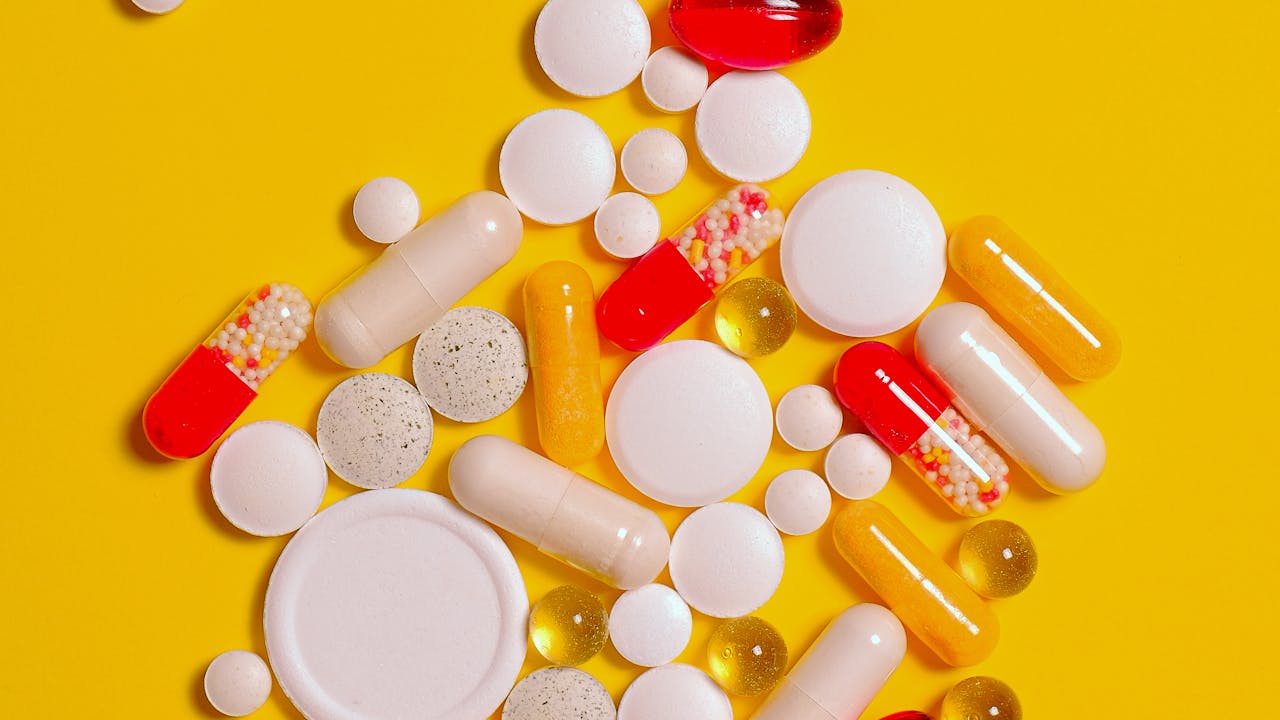
Why timing actually matters for spermidine {#why-timing-matters}
To understand why timing has any relevance at all, you need to understand what spermidine is actually doing in your body.
Spermidine is a polyamine, a class of small molecules found in every living cell. Your cells make it naturally from the amino acid ornithine, and it's also present in a wide range of foods. It's not a foreign molecule. It's something your body has been working with since birth. But here's the problem: spermidine levels drop significantly as you age, a pattern observed consistently across humans and animals. That's the gap supplementation is trying to address.
The main reason spermidine is interesting to longevity researchers is autophagy. Autophagy is the process by which cells break down and recycle damaged components, worn-out proteins, dysfunctional organelles, and cellular debris. Think of it as intracellular spring cleaning. When autophagy works well, cells stay healthier longer. When it fails, damaged components accumulate. That accumulation is a major driver of age-related dysfunction.
Spermidine induces autophagy by inhibiting an enzyme called EP300, a histone acetyltransferase. This shifts the balance of the cellular acetylproteome toward deacetylation, which triggers autophagy. That mechanism is distinct from how other autophagy inducers, like resveratrol or rapamycin, work. It's its own lane.
The 2024 Nature Cell Biology finding changes the picture. Researchers from the Free University of Berlin and the University of Graz published what is arguably the most important spermidine study in years. They found that fasting triggers the body to synthesize more spermidine endogenously. More importantly, they identified that both fasting and supplemental spermidine work through the same downstream pathway: eIF5A hypusination. When you block endogenous spermidine synthesis, fasting loses much of its life-extending effect. When you add supplemental spermidine, you can partially replicate what fasting does.
That's the biological reason timing matters. Fasting, particularly your overnight fast, creates an autophagic window. Spermidine works synergistically with that window. The question of when to take it is really the question of how to best position it relative to that fasting state.
There's a second timing consideration: circadian rhythms. Polyamine levels, the broader family that includes spermidine, oscillate throughout the day in a circadian pattern. A 2021 study published in Biomedical Research found that spermidine can reset circadian clock phase in cells, producing phase advances two to three times stronger than dexamethasone. Clock gene expression changed within 60 minutes of spermidine treatment. This means consistent, regular timing isn't just convenient. It actively supports stable circadian signaling. Taking spermidine at random times day to day could theoretically disrupt, rather than support, those rhythms.
Consistent timing, same meal every day, is therefore a genuine biological recommendation, not just a compliance habit.
Morning vs evening: the honest breakdown {#morning-vs-evening}
Let's go through both cases fairly, because both have real arguments behind them.
The case for morning
Morning timing aligns with the tail end of your overnight fast. When you wake up, your body has been in a fasted state for seven to ten hours. Autophagy is naturally elevated. Taking spermidine at this point may amplify that existing autophagic activity rather than trying to trigger it from scratch.
David Sinclair, Harvard's well-known longevity researcher, takes spermidine in the morning alongside NMN and resveratrol. He pairs his longevity supplements with his first meal, typically a late breakfast given his practice of skipping the early morning meal. His logic aligns with the idea of supporting the transition out of the overnight fast.
Primeadine, one of the most researched commercial spermidine supplements, recommends taking it with the first meal of the day. Their guidance cites morning as the time when the supplement's longevity benefits may be best optimized, though they don't cite specific human data on this.
The case for evening
Autophagy peaks during the sleep phase. If you're trying to maximize autophagic activity during your highest-peak window, an evening dose taken with your last meal positions spermidine to amplify what happens overnight while you sleep.
spermidineLIFE, the Austrian brand responsible for most of the clinical spermidine research, specifically recommends that intermittent fasting users take spermidine with their last meal of the day. Their reasoning: you're entering your longest daily fast right after that meal, and spermidine can support the body's move into ketosis and autophagy during that window.
Even outside of intermittent fasting, the logic holds. If autophagy peaks during sleep, then having spermidine on board as you enter that state is mechanistically reasonable.
Evening timing works best if you:
- Practice intermittent fasting (16:8 or longer)
- Have dinner as your last meal and want to support the overnight autophagic window
- Experience mild nausea with morning supplementation on a lighter stomach
The honest verdict. No human randomized controlled trial has directly compared morning versus evening spermidine dosing against any meaningful outcome. Both approaches have reasonable mechanistic support. The circadian biology actually suggests that regularity, taking it at the same time every day, matters more than which time you pick. Pick the one that fits your routine and actually stick to it. That will do far more for you than optimizing the hour.
With food or on an empty stomach? {#with-food}
This question has a clearer answer than morning versus evening.
Spermidine is absorbed rapidly in the duodenum, the upper part of the small intestine, and cleared quickly from the gut. The absorption itself is efficient regardless of food. But there are two good reasons to take it with a meal.
First, taking spermidine supplements with food, specifically with a meal that contains some healthy fat, may support absorption. Wheat germ extract, which is the primary source in commercial supplements like Primeadine and spermidineLIFE, contains both fat-soluble and water-soluble components. A fat-containing meal creates a better absorptive environment for these compounds. Something like olive oil, avocado, nuts, or even coconut yogurt works well.
Second, taking spermidine on an empty stomach increases the likelihood of mild gastrointestinal discomfort in some people. Nausea, bloating, and stomach upset are the most commonly reported side effects, and they're more common without food. A light meal or snack reduces this risk substantially.
That said, taking spermidine with water during an extended fast is perfectly acceptable. spermidineLIFE explicitly notes this in their FAQ: during extended wet fasting of 24 hours or more, take it at your normal time with water. Spermidine supplements contain essentially zero calories and will not break a fast.
Spermidine and intermittent fasting {#fasting}
This is where spermidine timing gets genuinely interesting.
The 2024 Nature Cell Biology study established something important: fasting doesn't just deplete nutrients. It actively triggers cells to synthesize more spermidine as part of the autophagic response. Spermidine levels increased during fasting in yeast, flies, mice, and human volunteers. And when the researchers blocked endogenous spermidine synthesis, fasting lost much of its life-extending effect in those organisms.
The practical implication: supplemental spermidine and fasting are working through the same biological pathway. They can stack. Dave Asprey has called spermidine "fasting in a pill," which captures the mechanistic overlap even if it's an oversimplification.
If you practice intermittent fasting, here's how to think about timing:
16:8 protocol (the most common). Take spermidine with your last meal of the eating window. You're about to enter your longest daily fast, typically 16 hours or more. Taking spermidine just before this window may help signal and amplify the autophagic state the body transitions into overnight. This is spermidineLIFE's specific recommendation for IF users.
18:6 or longer eating windows. Same logic applies. Last meal is the timing target. The longer your fast, the more you're already amplifying endogenous spermidine synthesis. Supplementing at the tail end of your eating window adds to that.
Extended fasting (24+ hours). If you're doing a longer fast, take spermidine with water at your normal supplementation time. You don't need food. The supplement's caloric content is negligible. And during extended fasting, your endogenous spermidine synthesis is likely already elevated, so supplemental spermidine is working alongside a strong autophagic state.
What about taking it at the start of the eating window instead? Some people prefer this because they take all their supplements with their first meal. That's fine. The mechanistic argument for last meal is stronger from a fasting-transition standpoint, but first meal timing still provides daily spermidine support. If your routine is already built around morning supplements with your first meal, don't upend it for a marginal theoretical difference.
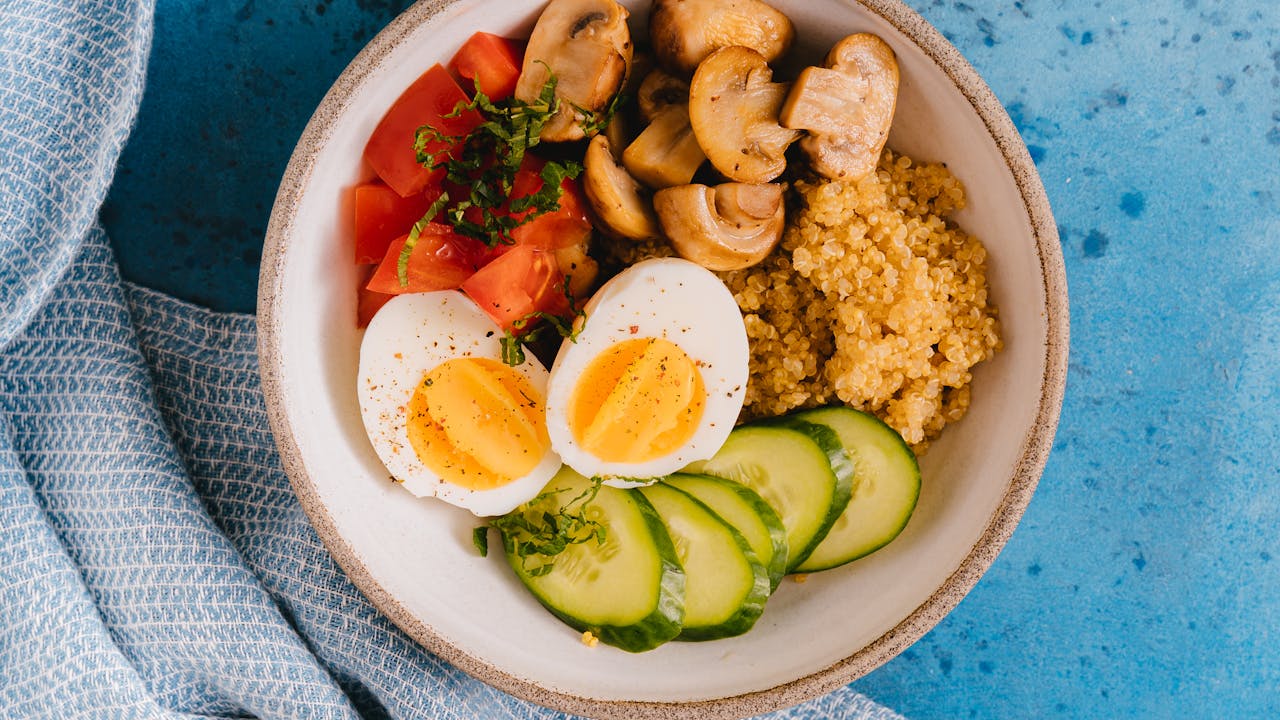
One more thing worth knowing: spermidine does not break a fast. If you're tracking pure fasting windows, spermidine capsules or extract taken with water won't affect your metabolic state. Calories are negligible, insulin response is essentially zero, and the compound itself may actually support the autophagic activity you're trying to achieve by fasting in the first place.
Stacking with NMN and resveratrol {#stacking}
The three most commonly co-administered longevity supplements are NMN (or NR), resveratrol, and spermidine. David Sinclair takes all three. And the good news is that their mechanisms don't compete. They actually complement each other through distinct but converging pathways.
NMN and spermidine. NMN supports NAD+ production, which fuels sirtuins (particularly SIRT1) and poly-ADP-ribose polymerases involved in DNA repair and energy regulation. Spermidine induces autophagy via the histone acetyltransferase inhibition pathway. These are separate systems. NMN handles the energy production and repair side; spermidine handles the cellular cleanup side. Research combining the two has shown additive benefits in some models, including improved fat digestion and reduced liver inflammation in mice.
NMN is best taken in the morning, ideally on an empty stomach or with a light first meal, because it has mild energizing effects through NAD+ and may interfere with sleep quality if taken late in the day. For more on why I stopped taking NMN (and what the research says about when it works), that guide covers the dosing controversies in detail.
Resveratrol and spermidine. These two are a particularly well-studied combination. A 2012 paper in the Journal of Cell Biology from Rockefeller University Press showed that spermidine and resveratrol induce autophagy through distinct pathways that converge on the acetylproteome. Resveratrol works primarily via the sirtuin/NAD+ axis. Spermidine works via histone acetyltransferase inhibition. The convergence means they may provide additive autophagy induction when combined. David Sinclair takes resveratrol with spermidine in the morning, mixing both with coconut yogurt (the fat in the yogurt helps with resveratrol absorption).
When thinking about whether resveratrol or NMN is the better choice for your specific goals, timing is one consideration. Both can reasonably be taken with the same meal as spermidine.
Practical stacking approach. If you're taking NMN, resveratrol, and spermidine together:
- Morning meal: all three together. The fat in the meal helps resveratrol absorption. NMN benefits from morning timing. Spermidine is flexible enough to go here.
- If you do IF and prefer last-meal spermidine: take spermidine with your evening meal, NMN and resveratrol with your first morning meal.
Don't start all three simultaneously if you're new to these compounds. Start with one, add another after two to three weeks once you know how you tolerate it. This makes it far easier to identify what's causing any side effects. You can check for potential interactions before building your stack using the supplement interaction checker.
Dosage and timing {#dosage-timing}
Most commercial spermidine supplements deliver 1 to 2 mg of spermidine per serving, extracted from wheat germ. spermidineLIFE and Primeadine both use this range as their standard dose. Some practitioners move to 3 to 5 mg over time.
For standard doses of 1 to 5 mg per day, once daily dosing is universally recommended. There's no evidence that splitting a 2 mg dose into two 1 mg doses provides any benefit. The only study that used split dosing was a high-dose pharmacokinetics trial at 15 mg per day, where researchers split morning and evening doses. At typical supplementation levels, that split is unnecessary.
How much spermidine per day covers the full dosage picture including the evidence base and what clinical trials have tested. The short version: 1 to 3 mg per day is the standard supplementation range. Higher doesn't automatically mean better.
Here's a summary of what clinical studies have used:
<DataTable headers={["Study", "Dose", "Timing protocol", "Duration"]} rows={[ ["SmartAge trial (JAMA Network Open, 2022)", "0.9 mg/day", "Daily, unspecified timing", "12 months"], ["Dementia trial (2021)", "1.2 mg/day", "Daily with meals", "3 months"], ["Pharmacokinetics study (Nutrients, 2023)", "15 mg/day", "5 caps AM + 5 caps PM", "5 days"], ["High-dose RCT (2024)", "40 mg/day", "Daily, unspecified", "7–28 days"], ["Graz epidemiology (Am J Clin Nutr, 2018)", "9–11.5 mg/day dietary", "Distributed across meals", "15-year observational"], ]} />
The epidemiological data from Graz found that people with dietary spermidine intake of 9 to 11.5 mg per day showed up to 60% lower all-cause mortality over 15 years. That's dietary spermidine distributed across multiple meals, not timed supplementation. The takeaway: total daily intake, consistently maintained over years, appears more important than precise timing.
What actually gets absorbed {#absorption}
This is the piece of spermidine research that every honest writer about this compound has to address.
A 2023 pharmacokinetics study published in Nutrients gave 15 participants 15 mg of spermidine per day for five days and then measured their blood levels. The finding was surprising: oral spermidine did not increase plasma spermidine levels. Instead, it increased plasma spermine, a closely related polyamine.
The conclusion: dietary spermidine undergoes conversion to spermine before entering systemic circulation. It essentially acts as a prodrug for spermine rather than directly raising blood spermidine. The researchers noted that doses below 15 mg per day may not exert detectable short-term effects on circulating polyamine levels at all.
David Sinclair himself acknowledged this concern, noting in a discussion that studies show spermidine may not get absorbed unchanged into the human body. He continues taking it, but the honest answer is that the field still has questions about exactly what systemic effects supplemental spermidine is producing versus what the body's own cellular response to it achieves.
The practical implication for timing: since plasma spermidine levels aren't the target anyway, there's no pharmacokinetic rationale for complex timing strategies. Consistent daily intake that supports cellular autophagy signaling is the goal. Once daily, with a consistent meal, is sufficient.
What the experts take and when {#experts}
David Sinclair takes 1 to 2 mg of spermidine in the morning as part of his core supplement stack, alongside NMN and resveratrol. He often takes all three with a small amount of coconut yogurt, which provides fat for resveratrol absorption. Morning timing for the full stack is his consistent approach.
Frank Madeo (University of Graz), the world's leading academic spermidine researcher, is more cautious about supplementation recommendations. His lab's epidemiological work found significant benefits from dietary spermidine intake. His position tends toward optimizing dietary sources first, with supplementation when dietary intake is insufficient. He doesn't publicly prescribe a specific timing protocol.
Primeadine (Oxford Healthspan) recommends taking their supplement with the first or last meal of the day. They emphasize gradual introduction, starting with one capsule and increasing over three days. Their guidance notes that consistent long-term use is important given the natural decline of spermidine with age, which connects to the broader picture of why the spermidine benefits for women and spermidine benefits for men research shows the most benefit in older populations.
spermidineLIFE recommends a meal-accompanied dose, with the specific note for intermittent fasting users to take it with the last meal of the day. Their maximum approved dose is 8 capsules per day by Austrian AGES and EFSA standards, though the standard protocol is 2 capsules (1 mg equivalent).
The consistency across all these approaches is striking: everyone recommends a meal. Nobody recommends fasted-only dosing as a first choice. And everyone emphasizes consistent daily use over years, not acute dosing strategies.
Consistency over optimization {#consistency}
Here's the thing that gets lost in all the timing discussion. Spermidine doesn't produce acute effects you'd notice in a day. It's not like caffeine or magnesium before sleep. You're not going to feel different tomorrow morning based on whether you took it at 7am or 7pm.
Spermidine works cumulatively. The cellular effects of autophagy induction accumulate over weeks and months of consistent intake. The epidemiological data showing 60% lower mortality came from people with consistently higher dietary spermidine intake over 15 years. That's the timeline you're playing in.
The circadian phase-resetting research actually strengthens the case for consistency over optimization. Taking spermidine at the same time every day supports stable circadian signaling. Taking it at variable times could introduce noise into those signals. So pick your meal, commit to it, and treat it like a daily habit rather than a precision intervention.
The most common spermidine mistake isn't getting the timing wrong. It's starting and stopping. Taking it for a month, forgetting for a week, restarting, dosing inconsistently. That's what undermines the cumulative benefit. A steady 1 to 2 mg daily, with any meal you can consistently hit, is far better than a theoretically optimal protocol that you can't stick to.
If you want to track whether your overall longevity approach is working over time, the biological age calculator is a useful baseline tool. And if you want a personalized protocol that integrates spermidine timing with your other supplements and goals, WinAging's AI protocol builder designs one based on your age, lifestyle, and experience level.
Getting started: a practical protocol {#getting-started}
If you're new to spermidine supplementation, the most important thing is a gradual introduction. Wheat germ extract can cause GI upset if you jump to a full dose immediately. Primeadine's recommended ramp-up is the right approach:
Day 1: One capsule with a meal. Morning or evening, your choice. Day 2: Two capsules with the same meal. Day 3 and beyond: Full serving (typically three capsules for Primeadine, two for spermidineLIFE).
This allows your gut to adjust, especially since wheat germ contains fiber and other compounds that can cause transient bloating in some people.
Once you're at your target dose, build the habit:
- Same meal every day. Don't switch between morning and evening randomly.
- With a fat-containing food when possible. Olive oil, nuts, avocado, yogurt.
- Don't overthink it on fasting days. Take it with water if you're doing extended fasting.
- Pair it with your other longevity supplements if the timing works, or take it alone if you prefer to keep things simple.
What to expect: nothing dramatic in week one. Spermidine is not a stimulant. You won't feel a buzz or a change in energy. The effects are slow and cumulative. Hair, skin, and nail quality are sometimes the first subjective improvements people notice, which connects to the spermidine skincare research showing benefits for skin elasticity and cellular renewal. Cognitive and energy benefits, if they occur, tend to become apparent over months.
Check supplements you're already taking for any interactions before adding spermidine to your stack. The supplement interaction checker flags combinations worth watching.
Boosting spermidine through food {#food-sources}
The Graz epidemiological study found that people consuming 9 to 11.5 mg of spermidine per day through food had dramatically lower mortality than those consuming less. Most commercial supplements deliver 1 to 2 mg. The gap is significant.
Spermidine-rich foods covers the full list, but the standouts are:
Wheat germ is the single most concentrated common dietary source. A tablespoon contains roughly 1.2 to 1.5 mg of spermidine. Adding it to morning yogurt, smoothies, or oatmeal is an easy way to stack dietary intake alongside supplementation. The fact that most commercial supplements are wheat germ extracts isn't a coincidence.
Natto is the fermented soybean product that's a dietary staple in Japan. It contains spermidine levels approaching 20 mg per 100 grams, partly because the fermentation process generates additional polyamines via bacterial synthesis. It's an acquired taste, but the spermidine content is exceptional.
Other notable sources include soybeans, broccoli, peas, shiitake mushrooms, aged cheeses, and durian fruit. Mediterranean diets naturally deliver higher polyamine intake through legumes, whole grains, and vegetables.
Your gut microbiome also produces spermidine endogenously. Bacteroides and Fusobacterium species synthesize polyamines in your intestine, meaning your gut health is itself a factor in your baseline spermidine levels. A fiber-rich diet that supports microbial diversity contributes to that endogenous production.
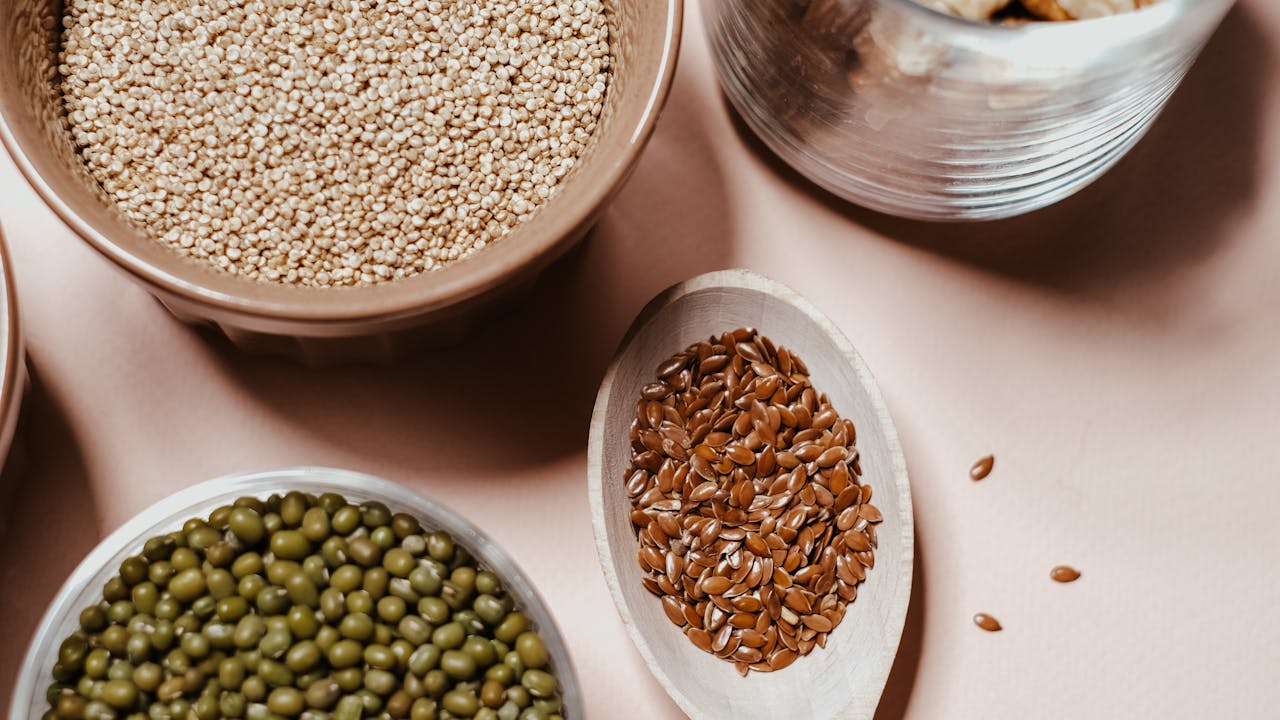
The practical approach: don't treat supplementation as a replacement for dietary spermidine. A tablespoon of wheat germ in your breakfast combined with 1 to 2 mg from a supplement gets you meaningfully closer to the dietary intake levels associated with longevity benefits in the epidemiological data.
What you're actually optimizing for
Step back for a moment and look at what all of this timing discussion is really about.
You're not trying to hit a pharmacokinetic peak. You're not trying to spike a blood level at a specific hour. You're trying to maintain consistently elevated cellular spermidine signaling over years, support your autophagic capacity, and complement the natural fasting rhythms your body already has.
Morning works. Evening works. With food is better than completely empty. Fasting window alignment is the strongest timing rationale if you're already doing intermittent fasting. And daily consistency is worth more than any optimization on any of those individual variables.
WinAging aggregates the research on spermidine and the broader longevity stack so you can cut through the noise and focus on what actually moves the needle. The science on spermidine is genuinely interesting, and it's still developing. The 2024 fasting-spermidine study changed how researchers think about the compound's role. Stay curious, stay consistent, and revisit your protocol as the evidence grows.
<FAQSection items={[ { question: "Does it matter if I take spermidine in the morning or at night?", answer: "For most people, no. No clinical trial has directly compared morning versus evening spermidine dosing and found a meaningful difference in outcomes. Both major brands say morning or evening are acceptable. The stronger principle is taking it at the same time every day. If you do intermittent fasting, taking it with your last meal has the best mechanistic support for supporting the overnight autophagic window." }, { question: "Can I take spermidine on an empty stomach?", answer: "You can, but a light meal is generally better. Taking spermidine with a small amount of food, especially something containing healthy fat, may support absorption of the wheat germ extract compounds and reduces the risk of mild nausea or bloating that some people experience on an empty stomach. That said, taking with water during a fast is acceptable and won't significantly reduce efficacy." }, { question: "Does spermidine break a fast?", answer: "No. Spermidine supplements contain negligible calories and trigger no meaningful insulin response. Taking spermidine capsules or extract with water during a fast won't disrupt your fasted metabolic state. In fact, spermidine works through the same autophagic pathway that fasting activates, so it can complement rather than oppose your fasting protocol." }, { question: "What is the best way to take spermidine for autophagy?", answer: "Consistent daily intake, timed to coincide with your fasting window if you practice intermittent fasting. Take spermidine with your last meal before your overnight fast for the strongest mechanistic alignment with autophagy induction. Stack it with other autophagy-supportive habits: regular overnight fasting, caloric restriction when practical, and physical exercise. The 2024 Nature Cell Biology study confirmed that fasting and spermidine work through the same pathway, so combining them is synergistic." }, { question: "Can I take spermidine with NMN and resveratrol together?", answer: "Yes. These three compounds work through distinct but complementary pathways. NMN supports NAD+ and sirtuins. Resveratrol activates autophagy via the sirtuin/NAD+ axis. Spermidine activates autophagy via histone acetyltransferase inhibition. Research shows spermidine and resveratrol together produce additive autophagy induction through independent mechanisms. David Sinclair takes all three together in the morning. Use the supplement interaction checker to confirm your full stack is clear before starting." }, { question: "How long does it take for spermidine to work?", answer: "Spermidine's effects are cumulative, not acute. Don't expect to notice a difference in days or even weeks. The epidemiological data showing the strongest longevity benefits comes from people with consistently high spermidine intake over many years. Some people notice improvements in hair, skin, and nail quality over two to three months of consistent use, which aligns with spermidine's role in supporting cell renewal. Cognitive and energy effects, if they occur, tend to become apparent over a similar timeframe." }, { question: "Can I get enough spermidine from food alone?", answer: "Potentially, if you eat a spermidine-rich diet. The Graz epidemiological study found meaningful longevity benefits at 9 to 11.5 mg of dietary spermidine per day. That's achievable with a diet rich in wheat germ (one to two tablespoons daily), natto, legumes, mushrooms, and broccoli. Most Western diets don't hit that target consistently, which is where supplementation fills the gap. A practical approach is to combine dietary sources with supplementation rather than relying on either alone." }, { question: "Should I cycle spermidine or take it every day?", answer: "Daily use is what both the research and major brands recommend. Unlike some longevity compounds such as rapamycin, which is typically taken weekly or cycled, spermidine has no established cycling protocol. Daily intake at consistent doses is safe across the durations studied. The cumulative nature of autophagy induction and the age-related decline in natural spermidine levels make consistent daily supplementation the most logical approach." } ]} />
Related guides
<RelatedGuides guides={[ { title: "How much spermidine per day: dosage guide", href: "/blog/how-much-spermidine-per-day" }, { title: "Best foods high in spermidine", href: "/blog/spermidine-rich-foods" }, { title: "Primeadine spermidine: is it worth it?", href: "/blog/primeadine-spermidine" }, { title: "Resveratrol or NMN: which should you take?", href: "/blog/resveratrol-or-nmn" }, ]} />
Sources
- Spermidine is essential for fasting-mediated autophagy and longevity (Nature Cell Biology, 2024)
- High-dose spermidine supplementation does not increase plasma spermidine levels (Nutrients, 2023)
- Higher spermidine intake is linked to lower mortality (American Journal of Clinical Nutrition, 2018)
Your longevity stack doesn't need to be complicated. Pick a meal, take your spermidine consistently, and let the cumulative biology do its work over months and years. For a full personalized protocol built around your goals, age, and experience, try the WinAging protocol builder. Or start exploring what the research says about the broader longevity stack at WinAging.