Young Goose Spermidine: Is It Worth the Price?
Young Goose uses CelVio™ spermidine alongside NAD and resveratrol in premium skincare. Here's what the science says and whether it delivers on its anti-aging claims.
Most anti-aging skincare is theater. Beautiful packaging, vague claims, and an ingredient list that reads like a chemistry exam. But every once in a while a brand does something genuinely different.
Young Goose is one of those brands.
They've built their entire line around longevity science: spermidine, NAD+, senolytics, autophagy activation. The same compounds longevity researchers are studying for lifespan extension, delivered topically to skin cells that are aging by the same mechanisms. It's a serious approach to a category that rarely earns the word serious.
But serious doesn't mean cheap. Their flagship spermidine serum, Youth Reset, runs nearly $200. Their full Cellular Duo system is over $450. So the real question isn't whether the science is sound. The science is sound. The question is whether you're getting anything from putting spermidine on your face that you couldn't get from taking it orally, and whether Young Goose is delivering more than the competition at that price point.
That's what we're going to figure out.
What is Young Goose?
Young Goose is a premium skincare brand founded in 2017 with a single obsession: applying the science of cellular aging to topical skincare. Their tagline is "skin bio-genesis." Their framework references the 12 hallmarks of aging, a scientific model developed by researchers studying why cells deteriorate over time.
That's not marketing language. Those are actual scientific concepts.
The company manufactures in Fort Lauderdale, Florida, and has attracted a serious following in the biohacking world. Their brand ambassadors include Ben Greenfield, Dave Asprey, and Dr. Stephanie Estima. They've also built a professional wholesale program, meaning aestheticians and practitioners actually use their products with clients.
Young Goose's core bet is this: skin ages through the same cellular mechanisms as the rest of your body. NAD+ depletion, failed autophagy, senescent cell accumulation, mitochondrial dysfunction. If you can address those mechanisms topically, you get skin that behaves younger. Not just looks younger at surface level. But actually functions younger at the cellular level.
Spermidine sits at the center of that approach. And understanding why requires a quick detour into what spermidine actually does inside a cell.
What spermidine does (and why skin cells care)
Spermidine is a polyamine compound found in every living cell. Your body makes it. You get more from food (wheat germ, aged cheese, mushrooms). And your levels decline with age, fairly predictably, starting in your 30s and dropping significantly by your 60s.
The reason this matters for longevity is autophagy. Specifically, spermidine is one of the most potent natural inducers of autophagy known to science.
Autophagy is your cells' internal recycling system. When it's working properly, damaged proteins and organelles get broken down and repurposed. Junk gets cleared. Mitochondria get replaced. The cell stays functional and efficient. When autophagy declines (which it does with age), that cellular housekeeping stops. Dysfunction accumulates. Inflammation rises. The hallmarks of aging accelerate.
Spermidine kicks autophagy back on through a specific mechanism: it inhibits an enzyme called EP300, which normally puts the brakes on autophagy. Remove the brake, autophagy runs. That's the core of how spermidine mimics the effects of caloric restriction and fasting, which both independently spike spermidine levels.
A landmark 2024 study published in Nature Cell Biology confirmed this is phylogenetically conserved, meaning it works this way in yeast, flies, mice, and humans. When researchers blocked spermidine synthesis in animals under caloric restriction, the longevity benefits of fasting disappeared entirely. The compound is load-bearing.
Now here's why skin cells care specifically. Spermidine's role in skin health goes beyond general autophagy. A 2021 study in Communications Biology showed that topical spermidine application for 28 days improved skin elasticity by 12.1%, reduced transepidermal water loss by 11.3%, and cut desquamation (surface cell shedding) by 18.4%. The mechanism included upregulation of collagen synthesis genes (COL1A1, COL3A1) and elastin genes.
That's not speculation. That's a human clinical trial with before-and-after measurements.
A 2025 study in the International Journal of Biological Macromolecules used spermidine-loaded nanoparticles and found 96% improvement in cell phagocytosis, 46% elevation in mitochondrial ATP expression, and 25% enhancement in cell migration. Topical penetration increased over 200% in vitro compared to unloaded spermidine.
The skin isn't just a passive barrier. It's metabolically active tissue, and it responds to the same aging signals as your organs. Spermidine addresses those signals directly.
Young Goose's spermidine products
Young Goose makes three core products containing spermidine: Youth Reset serum, Youth Daily moisturizer, and the LADR DNA Repair Serum. Each uses CelVio™, their branded spermidine ingredient.
Youth Reset serum
This is their flagship. At $196.50 for a full size, it's also their most talked-about product.
Youth Reset positions itself as targeting all 12 hallmarks of skin aging simultaneously. The formula stack includes CelVio™ spermidine, NAD (actual nicotinamide adenine dinucleotide, not just a precursor), enhanced fermented resveratrol, copper peptides (Palmitoyl Hexapeptide-12), MAP vitamin C, hyaluronic acid, squalane, ergothioneine, ectoin, and a combination of mushroom extracts.
Looking at the INCI list, spermidine appears as the 5th ingredient after water, glycerin, isoprene glycol, and resveratrol. That placement matters. Ingredients are listed from highest to lowest concentration, and position 5 indicates a meaningful dose rather than a trace amount.
The delivery system uses what they describe as NAD+ precursor nano-particles. Nano-sized particles penetrate deeper into the stratum corneum than standard ingredient sizes, which is the persistent challenge with any active topical. Most serums don't penetrate where they claim to. Young Goose is at least addressing the penetration problem explicitly.
Youth Daily moisturizer
At $176.50, this is the companion cream to Youth Reset. The formula logic is similar, with CelVio™ spermidine appearing 9th in the INCI after NAD, resveratrol, copper peptides, and beeswax. This is a richer formulation designed as the final step in a routine, with additional lipids and occlusive agents to seal in the actives applied underneath.
Notably, Youth Daily uses micro-encapsulated NAD+ precursors rather than raw NAD. Micro-encapsulation protects unstable actives from oxidation during storage and allows more controlled release into skin tissue. The two different delivery approaches (nano-particles in Youth Reset, micro-encapsulation in Youth Daily) suggest some actual formulation thinking rather than just adding ingredients to a base.
LADR DNA Repair Serum
This one is specific. At $196.50, the LADR serum is designed to be applied before red light therapy or near-infrared light sessions. The premise is that methylene blue (also in the formula) and spermidine both work on mitochondrial function, and near-infrared light works on cytochrome c oxidase (Complex IV of the mitochondrial electron transport chain). Stack them together and you get synergistic effects.
It's a niche product but a scientifically coherent one. Both methylene blue and spermidine have documented mechanisms in mitochondrial support. Pairing them with light therapy that targets the same organelle is logical rather than gimmicky.
Spermidine sits 6th in the LADR INCI list, again at meaningful concentration.
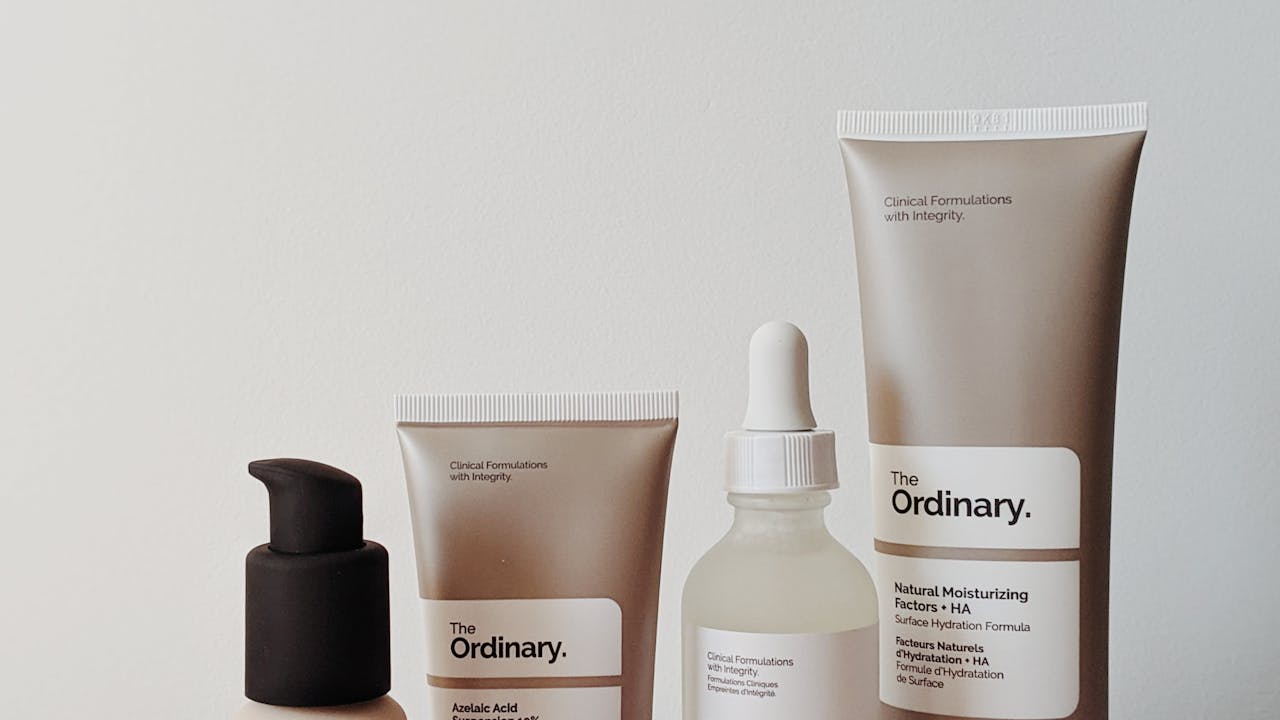
What's actually in the formula
Understanding Young Goose's products means understanding their ingredient philosophy. They don't use spermidine in isolation. Every spermidine formula layers multiple longevity-adjacent compounds.
CelVio™ spermidine
This is their branded spermidine source. Unlike some supplement brands that use plant-derived spermidine from wheat germ extract, CelVio™ is listed as spermidine (standard CAS 124-20-9) with a proprietary supplier designation. The fact that they use a branded form rather than generic spermidine suggests a quality control partnership with a specific ingredient supplier who can verify purity and concentration.
The CosIng database lists spermidine as having both antioxidant and hair conditioning functions. What it doesn't capture is the autophagy-induction and gene expression effects, which are the more compelling mechanisms for anti-aging application. Those are systemic effects that skin researchers are still characterizing.
NAD and NAD+ precursors
Most skincare brands use niacinamide (vitamin B3), which is a NAD+ precursor several steps upstream in the biosynthesis pathway. Young Goose uses NAD itself, plus separate micro-encapsulated precursors depending on the product. This is more direct, though the challenge with applying NAD topically is whether it can actually penetrate skin and get taken up by cells in the active dinucleotide form.
Their nano-encapsulation approach is the proposed answer to that penetration question.
Enhanced fermented resveratrol
Resveratrol has bioavailability problems when taken orally. It's rapidly metabolized and excreted. Topically, the challenge is similar: poor solubility and limited skin penetration. Fermented forms of resveratrol have demonstrated improved stability and potential bioavailability vs. standard resveratrol in cosmetic applications.
The combination with spermidine is synergistic at a biological level. Both are caloric restriction mimetics, but they work through different pathways. Resveratrol activates sirtuins (via SIRT1). Spermidine works through EP300 inhibition and autophagy. Layering both addresses the same aging biology from two different angles. Resveratrol and NMN work similarly when paired orally.
Ergothioneine
This compound appears in all three spermidine products. Ergothioneine is sometimes called "the longevity vitamin," though it's technically not a vitamin since your body can't synthesize it. It comes primarily from mushrooms and is found in high concentrations in cells under oxidative stress.
What makes ergothioneine notable is that humans have a dedicated transporter for it (OCTN1/ETT), suggesting evolutionary importance. It concentrates in metabolically active tissues and offers particularly strong mitochondrial protection. The fact that Young Goose includes it in every spermidine formula suggests they're treating it as a core synergist rather than a label decoration.
Ectoin
Derived from extremophile bacteria that survive in environments hostile to most life, ectoin is a natural stress-protection molecule. In cosmetics, it's documented for stabilizing cell membranes, protecting against UV damage, and reducing inflammation. It appears in all three spermidine products and serves as a kind of "molecular shield" for the cells receiving the more active compounds.
Copper peptides (Palmitoyl Hexapeptide-12)
Copper peptides have one of the stronger evidence bases in skincare. GHK-Cu variants have been studied for collagen synthesis, wound healing, and anti-inflammatory effects for decades. Young Goose uses Palmitoyl Hexapeptide-12, a copper-complexed peptide designed for enhanced skin penetration. Its presence alongside spermidine is additive: spermidine upregulates collagen synthesis genes, copper peptides support the actual collagen production machinery.
How spermidine addresses the hallmarks of skin aging
Young Goose claims their products target all 12 hallmarks of aging. That's a bold claim. But let's look at what spermidine specifically addresses and where the evidence is strongest.
Disabled autophagy. This is spermidine's primary mechanism and the best-documented effect. As skin cells age, autophagy declines. Cellular debris accumulates. Mitochondrial function degrades. Spermidine restores autophagy through EP300 inhibition and multiple downstream targets. This is not theoretical: it's been confirmed in multiple cell lines and animal models.
Stem cell exhaustion. Skin has its own stem cell populations, particularly in hair follicles and the basal layer of the epidermis. A 2011 study in PLoS One showed that spermidine at concentrations as low as 0.5 µM significantly prolonged the anagen (growth) phase in human hair follicles and upregulated stem cell markers K15 and K19. Stem cell maintenance is one of the harder mechanisms for any topical to address. Spermidine appears to do it.
Mitochondrial dysfunction. The 2025 nanoparticle study showed a 46% elevation in mitochondrial ATP expression after spermidine treatment. Skin cells that are producing more ATP are better able to carry out repair, synthesis, and barrier maintenance. This connects to the broader energy deficit that drives aging at the cellular level.
Genomic instability and DNA damage. This is where the LADR serum's methylene blue combination becomes relevant. Methylene blue has demonstrated effects on DNA repair mechanisms, and spermidine's anti-inflammatory properties reduce oxidative DNA damage indirectly.
Cellular senescence. Young Goose's ProCARE product (separate from the spermidine line) claims to be "the only topical product clinically proven to eliminate senescent cells in humans." Spermidine itself has anti-senescent effects in multiple cell types, though the specific ProCARE claim would need its study citation reviewed to verify.
Chronic inflammation. The 2025 study showed spermidine treatment inhibited TNF-α, IL-6, and MMP-1. These are key inflammatory mediators in skin aging. MMP-1 (matrix metalloproteinase-1) is particularly relevant: it degrades collagen and contributes directly to wrinkle formation. Suppressing it is a direct anti-aging action.
Not every hallmark has equal evidence for topical spermidine. But the compound addresses more mechanisms than most skincare ingredients, and it addresses them through real biological pathways rather than vague claims about "renewal."
Young Goose vs. other spermidine skincare
A few other brands use spermidine in skincare. Perricone MD includes it in their High Potency Growth Factor Firming serum line. Some smaller brands add it to lash serums. But none of them treat spermidine as a core pillar the way Young Goose does.
The more meaningful comparison is Young Goose vs. oral spermidine supplementation.
Primeadine is the most popular oral spermidine supplement, made from wheat germ. It's designed to raise systemic spermidine levels throughout the body, including in skin tissue. If you're already taking oral spermidine, does adding topical spermidine on top do anything extra?
The evidence suggests yes, for a specific reason: topical application delivers higher local concentrations to skin tissue than you'd achieve systemically through oral supplementation. How much spermidine per day is an active research question even orally, but typical dietary and supplemental intake results in blood levels far lower than what the Kim 2021 skin study used directly on tissue.
Topical delivery bypasses the liver, gut absorption variability, and tissue distribution questions that affect oral spermidine. You're getting spermidine directly to the cells that are showing up in the mirror. The two approaches aren't redundant; they address skin through different routes.
Against other luxury anti-aging brands (La Mer, SkinCeuticals, Tatcha), Young Goose is operating with a fundamentally different scientific framework. Those brands focus primarily on barrier repair, hydration, and surface-level ingredient delivery. Young Goose is specifically trying to modulate cellular aging biology. Whether you believe topicals can meaningfully do that is the core question. Based on the published evidence, there's more reason for optimism with spermidine, NAD, and copper peptides than with most of what's in a $500 luxury cream.
Who should use Young Goose spermidine products
The ideal user: Someone 35-65+ who is already thinking about longevity from a systems perspective. If you're taking NAD precursors, tracking your biological age, or following researchers like David Sinclair or Peter Attia, Young Goose's framework will make intuitive sense to you. You're not buying hope in a bottle. You're buying a product designed around mechanisms you already understand.
The skin concerns they're best suited for: Loss of firmness and elasticity. Fine lines in the 35-55 age range. Skin that's starting to look "tired" even after good sleep. Uneven texture. Dullness from accumulated cellular waste. These are all downstream effects of the cellular aging processes spermidine addresses.
Who it may not suit: People looking for dramatic immediate results will be disappointed. Autophagy induction and collagen gene upregulation are cumulative processes. The 2021 clinical study saw significant improvements at 28 days. You're not going to see a transformation in 72 hours.
Very oily or acne-prone skin should approach Youth Daily's cream formula with caution. It's a richer product. Youth Reset serum is generally well-tolerated across skin types given the alcohol-free, fragrance-free formulation.
Budget considerations: $196 for a serum is not accessible for everyone. If you have to choose between oral spermidine supplementation and Young Goose topicals, systemic oral supplementation probably does more for overall longevity biology. Skin health is just one output of the system. If you're already addressing the system orally and want to support skin specifically with higher local concentrations, that's when topical spermidine becomes a smart add-on rather than a luxury.
Not sure whether to prioritize oral or topical longevity compounds for your goals? WinAging's AI protocol builder creates personalized stacks based on your age, goals, and health profile.
The inside-out system: what Young Goose is building toward
The most interesting thing Young Goose is doing isn't any single product. It's the Cellular Duo concept.
Their bundled system pairs topical spermidine (Youth Reset + Youth Daily) with oral nadLIFE® Energy+ capsules, which contain NAD+ precursors and spermidine together. The $477 bundle is designed to work from both directions simultaneously: topical delivery saturating local skin tissue, oral delivery raising systemic levels that reach skin through circulation.
This dual-route approach mirrors how serious longevity protocols work. You don't just take one compound. You address the biology from multiple angles. WinAging covers this across the full longevity stack, and the logic here is sound: topical and oral delivery are genuinely complementary rather than redundant.
The CD38 angle in their Adaptogenic Cleanser is also worth noting. CD38 is an enzyme that breaks down NAD+ and is one of the primary reasons NAD+ levels decline with age. A cleanser formulated to suppress CD38 activity is designed to protect the NAD+ you're applying in subsequent steps. That kind of formula-level thinking is uncommon in skincare.
Reading the customer feedback honestly
Youth Reset sits at 4.8/5 across 78 reviews. Youth Daily is 4.8/5 across 63 reviews. For a product at this price point, those ratings are more telling than the star average itself. People who spend $196 on a serum and are disappointed tend to say so loudly.
The common reported outcomes: improved skin texture and firmness after 4-6 weeks, more radiant and even-toned skin, improved moisture retention. Some users report visible changes in fine line depth at the 8-week mark.
The less common but noted issues: the serum's consistency is thinner than some users expect at the price point. A small number of people with sensitive skin report mild initial irritation, which may relate to the resveratrol or copper peptide components rather than the spermidine. These effects tend to resolve after the first 1-2 weeks of use.
Nothing in the reviews suggests widespread ineffectiveness. And for a product making cellular biology claims, the alternative would be a 4.2 or lower with complaints about no visible difference. That's not what you see.

Is it worth the price?
Here's the honest answer: it depends on where you are in your longevity investment.
If you're spending $200+ per month on supplements and you're already tracking your biological age, yes. Young Goose sits at the intersection of a real scientific framework (spermidine-induced autophagy, NAD+/longevity biology) and a product format (topical) that delivers direct local effect to the tissue you're trying to improve. The clinical evidence for topical spermidine is real, not speculative. And Young Goose's formulation is one of the more sophisticated on the market.
If you're new to longevity optimization and this would be your only spend, there are higher-leverage investments first. Spermidine-rich foods in your diet, addressing sleep, optimizing oral supplementation through the biological age calculator to understand what to prioritize: these set the foundation. Expensive topicals are optimization on top of a good base, not a replacement for one.
Check for interactions between any new skincare compounds and your current supplement stack with the supplement interaction checker.
If Young Goose interests you but the full price is a stretch, start with Youth Reset as a standalone. It's their most concentrated spermidine product and the one with the most complete active stack. Add Youth Daily later when the serum has earned its keep.
How to use Young Goose spermidine products
Morning and evening routine placement:
Youth Reset serum goes on after cleansing and toning, before moisturizer. Apply 3-4 drops to the face and neck, press gently into skin, allow 60 seconds to absorb.
Youth Daily goes on last in the skincare routine before SPF in the morning. At night, it's the final step.
LADR serum is used specifically before red light therapy or NIR sessions. Apply, allow 5-10 minutes to absorb, then run your light session.
Layering with other actives: The formulas are stable alongside vitamin C (they contain it), retinoids (no known conflicts), and peptide-based products. Avoid using with strong acids (AHA/BHA peels) in the same step. If you're using a chemical exfoliant in your routine, use it on alternating evenings or on separate days.
Time to results: Based on the clinical evidence and typical user reports, expect to assess meaningfully at 6-8 weeks. Daily consistency matters more than frequency doubling. One application every day for 45 days will outperform two applications every day for 3 weeks.
Young Goose and the broader longevity stack
Young Goose isn't operating in isolation. Their brand philosophy aligns directly with what oral longevity supplementation is trying to accomplish systemically. Spermidine for longevity in men and spermidine for youth and cellular renewal cover the systemic mechanisms in more depth.
The interesting thing about topical spermidine at this level of formulation sophistication is that it represents the skincare industry finally catching up to what longevity researchers have known for a decade. The compound deserves to be taken seriously. So does the brand.
Whether you invest at the full Cellular Duo level or start with one product depends on your priorities. But if you're serious about skin aging and you're not satisfied with surface-level solutions, Young Goose is doing something worth knowing about.
Frequently asked questions
What is CelVio™ spermidine in Young Goose products?
CelVio™ is a branded spermidine ingredient used as Young Goose's source for spermidine in all three of their spermidine-containing products. It appears in the INCI list as "Spermidine (Celvio)" and is positioned at meaningful concentrations (5th-7th ingredient) rather than as a trace marketing ingredient.
Can topical spermidine work as well as oral spermidine for skin?
They work differently. Oral spermidine raises systemic levels that reach skin through circulation. Topical spermidine delivers higher local concentrations directly to skin tissue, bypassing the absorption and distribution variability of oral routes. The 2021 clinical trial on topical spermidine showed significant improvements in elasticity, hydration, and barrier function. Both approaches are beneficial, and the two routes are complementary rather than competing.
How long does it take to see results from Young Goose products?
The clinical evidence suggests meaningful changes at 28 days for hydration and barrier metrics, with firming and elasticity effects building through 6-8 weeks. Customer reviews generally report first noticeable changes at 4-6 weeks of daily use.
Is Young Goose spermidine suitable for sensitive skin?
The formulas are alcohol-free and fragrance-free, which makes them better suited for sensitive skin than many luxury serums. A small number of users report initial mild irritation, likely from resveratrol or copper peptides, which usually resolves within 2 weeks. Patch testing on the inner arm for 48 hours before full facial application is always sensible with any new active skincare.
What makes Young Goose different from other spermidine skincare brands?
Young Goose uses spermidine as a core pillar across multiple products paired with NAD, resveratrol, ergothioneine, and copper peptides in an integrated longevity-science framework. They also offer topical-oral synergy through their Cellular Duo bundle. Most brands that include spermidine use it as one ingredient among dozens without a clear formulation rationale. Young Goose is specifically designing around the cellular aging mechanisms that spermidine addresses.
How does topical spermidine interact with my other supplements?
Topical spermidine applied to the skin is unlikely to interact systemically with oral supplements at typical use levels. If you're on prescription medications or have medical conditions, consult your doctor before adding any new skincare actives. For general supplement stack safety, use the WinAging supplement interaction checker to screen your oral compounds.
Is the price justified compared to other luxury skincare?
At $196 for Youth Reset, Young Goose is priced comparably to SkinCeuticals CE Ferulic and high-end peptide serums. What you're getting that most luxury skincare doesn't offer is a formula built around actual longevity biology rather than hydration and surface-level repair. Whether that justifies the cost depends on your goals. For longevity-focused users who want to address skin aging through cellular mechanisms, it's a scientifically sounder investment than most alternatives at the price point.
Related guides
- Spermidine for skin and cellular health
- Primeadine spermidine supplement review
- How much spermidine per day
- Spermidine-rich foods for longevity
- Supplement interaction checker
Sources
- Kim et al. 2021, Communications Biology - topical spermidine clinical trial
- Hofer et al. 2024, Nature Cell Biology - spermidine and fasting-mediated longevity
- Madeo et al. 2018, Science - spermidine in health and disease
Skin aging is a cellular problem. Young Goose is one of the few brands treating it that way. If you're building a serious longevity stack, understanding the full picture of spermidine biology gives you the context to decide where topical application fits alongside the oral side. And for personalized guidance on how to layer supplements across your goals, the WinAging protocol builder is the fastest way to get a stack designed for you specifically.