Spermidine rich foods: top sources for longevity
Discover the best foods high in spermidine, how much you need daily, and why this compound may be the most powerful longevity tool in your kitchen.
Your cells have a built-in recycling system. It devours damaged proteins, dismantles dysfunctional organelles, and clears the molecular debris that accumulates over decades. When it works well, it's one of the most powerful longevity mechanisms your body has. When it stops working, things go wrong fast.
This system is called autophagy. And there's now strong evidence that it starts slowing down in your 40s partly because levels of one key compound are declining: spermidine.
You've probably seen spermidine mentioned alongside supplements. But the more interesting story is in food. A 20-year study of 829 people found that those who consistently ate more spermidine-rich foods had a 26% lower risk of dying from any cause, equivalent to being 5.7 years biologically younger than the low-intake group. That's from diet alone. Not a pill.
So which foods actually contain the most spermidine? How much do you need daily? And does cooking destroy it? This guide covers all of it, including the surprising 2024 discovery that links spermidine directly to fasting, what the research says about food versus supplements, and how to practically increase your intake starting today.
WinAging breaks down the longevity research so you don't have to spend hours on PubMed. Let's dig in.
What spermidine is and why it matters for aging
Spermidine is a polyamine, a class of small positively charged molecules your body makes from the amino acid arginine. It's found in every cell of every living organism, from bacteria to plants to humans. Your body produces it naturally, your gut bacteria synthesize it, and the foods you eat deliver it directly.
Despite the obscure name, spermidine isn't exotic. It's present in human breast milk, where it supports infant immune development. It's actively regulated in your bone marrow, muscles, and brain. Every cell in your body uses it as part of the machinery for DNA stabilization, cell division, and protein synthesis.
Here's the problem: spermidine levels drop with age. They decline steadily starting around your 40s, and by the time most people reach their 60s and 70s, tissue concentrations are significantly lower than in young adults. This decline tracks closely with impaired autophagy, immune senescence, cardiovascular dysfunction, and several other hallmarks of aging. Researchers now describe spermidine as an "autophagy-inducing nutraceutical," one of the few food-derived compounds with genuine geroprotective potential.
Spermidine sits within a broader family of three related polyamines: putrescine, spermidine, and spermine. These three work together in what biochemists call the polyamine salvage pathway, a recycling loop where the body interconverts them depending on cellular needs. You can't think about spermidine in isolation. When you eat spermidine-rich foods, some of it converts to spermine in your gut before entering circulation. But that doesn't mean it doesn't work. Both compounds are bioactive. The gut itself may be where many of the most important effects happen.
The fasting connection: spermidine as the molecular switch
When researchers tried to explain precisely why caloric restriction and fasting extend lifespan in animals, they kept arriving at the same answer: autophagy. Fasting triggers autophagy. Autophagy removes cellular garbage. Less garbage means healthier cells and a longer life.
But the actual switch that fasting flips to trigger autophagy was unclear for years. A landmark 2024 paper in Nature Cell Biology finally identified it.
When you fast, your cells increase endogenous spermidine production. That spermidine enables the hypusination of a translation factor called EIF5A, a specific chemical modification that changes how EIF5A works. Hypusinated EIF5A preferentially translates TFEB, a master transcription factor that controls the expression of autophagy-related genes. TFEB moves into the cell nucleus, activates the autophagy program, and cellular cleanup begins.
The chain is: fast, produce spermidine, modify EIF5A, express TFEB, induce autophagy.
A companion paper published in late 2024 showed the same mechanism for rapamycin, currently the most-studied longevity drug in existence. When researchers blocked spermidine synthesis, rapamycin lost its ability to extend lifespan in model organisms. Spermidine wasn't just one player in a crowded pathway. It was the actual mechanism explaining why both fasting and rapamycin work.
This is why dietary spermidine is being taken seriously by longevity researchers. If you can maintain spermidine levels through food and supplementation, you might partially replicate the cellular benefits of fasting without actually restricting calories. For people who want the longevity benefits of intermittent fasting but struggle to maintain it, dietary spermidine is one of the most scientifically grounded alternatives.
Use the supplement interaction checker to see how spermidine interacts with other compounds you might already be taking.
Top spermidine-rich foods, ranked
These rankings come from peer-reviewed polyamine food databases, primarily the research of Muñoz-Esparza et al. (2019) and Larqué et al. (2007). The amounts are milligrams of spermidine per 100 grams of food, under standard preparation conditions.

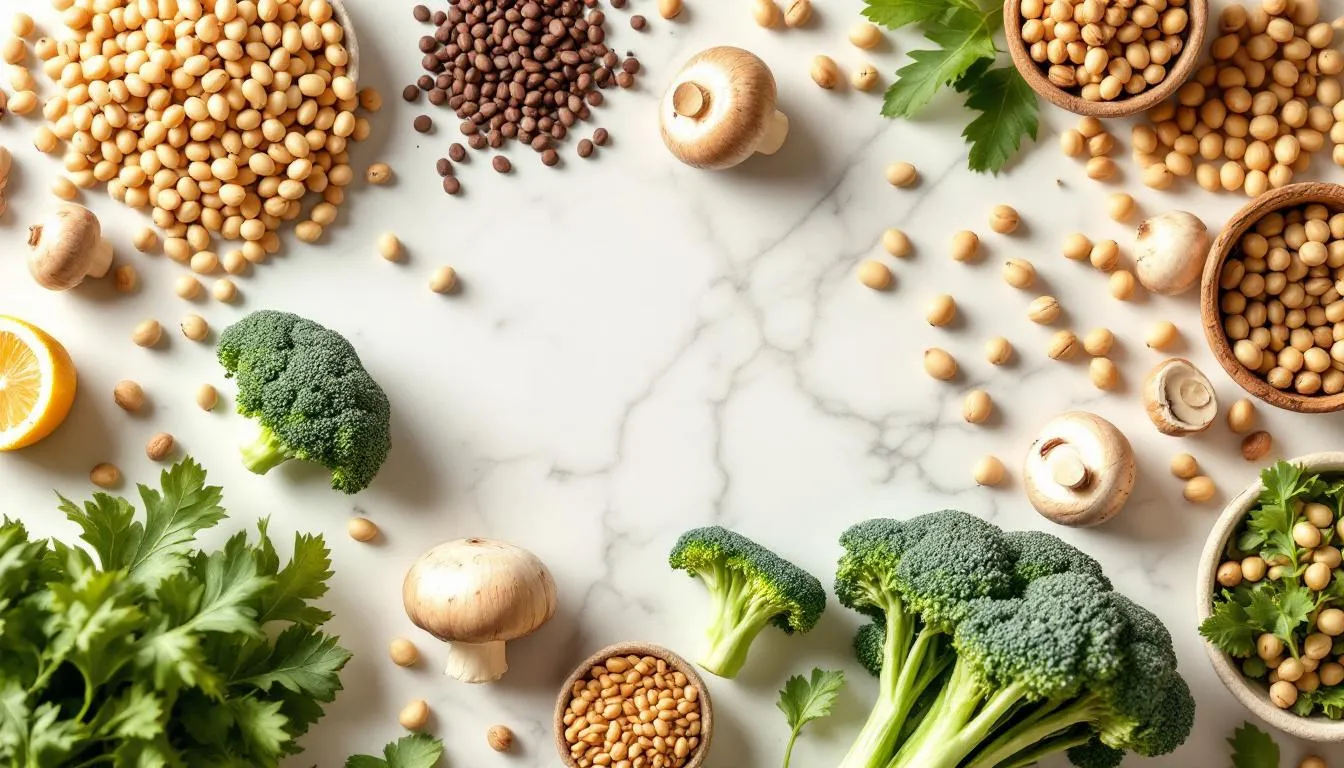
Wheat germ: 24.3 mg per 100g
Wheat germ is the undisputed champion. It contains roughly 24.3 mg of spermidine per 100g, more than any other commonly consumed food. The next-best sources have about half that.
Wheat germ is the embryo of the wheat kernel, the nutrient-dense core stripped away when milling white flour. It's sold raw, toasted, or as an extract. The flavor is mild and slightly nutty, easy to blend into other foods without noticing it.
Two tablespoons of raw wheat germ, roughly 30g, delivers approximately 7 mg of spermidine. That's close to the target intake associated with longevity benefits in epidemiological data. One simple breakfast habit can put you at or above the threshold the research supports.
The best approach is to eat it raw: stirred into yogurt, blended into smoothies, mixed into overnight oats, or scattered over salads. Heavy cooking degrades polyamines, so minimally processed wheat germ preserves more. A bag of raw wheat germ costs a few dollars and lasts weeks.
Two caveats. First, wheat germ contains gluten, so it's off the table for celiac disease or severe gluten sensitivity. Second, wheat germ goes rancid relatively quickly because of its high fat content. Buy it in small quantities, store in the fridge, and use within a few weeks of opening.
Natto and fermented soy: 12-20 mg per 100g
Natto is fermented soybeans, traditional in Japanese cuisine. It's also one of the richest and most bioavailable sources of spermidine available. Regular soybeans contain around 8-10 mg/100g. Natto and tempeh both come in at 12-20 mg/100g because fermentation concentrates polyamine content. The fermenting bacteria synthesize spermidine as a metabolic byproduct, actively enriching it in the final product.
Japan consistently shows up in longevity data as an outlier nation. Japanese populations have some of the lowest rates of cardiovascular disease and longest lifespans in the world. Researchers have speculated that natto, with its concentrated spermidine, vitamin K2, and probiotic content, is part of the reason.
Natto is an acquired taste. It has a strong smell and sticky, stringy texture that Western palates often find challenging. If that's you, tempeh is the more accessible alternative. Tempeh is pressed fermented soybeans with a firmer texture and mild, earthy flavor that works well in stir-fries, grain bowls, tacos, and sandwiches. It delivers significant spermidine plus substantial protein, roughly 19g per 100g, making it nutritionally useful on multiple fronts.
Plain soybeans, edamame, and tofu all contain meaningful amounts too, around 6-10 mg/100g, but fermented versions consistently outperform them.
Mushrooms: up to 12.3 mg per 100g
Certain mushrooms are surprisingly high in spermidine. Black shimeji mushrooms have the highest documented content, up to 12.3 mg/100g in some analyses. Oyster mushrooms, porcini, and cremini varieties all contain significant amounts in the 4-9 mg/100g range.
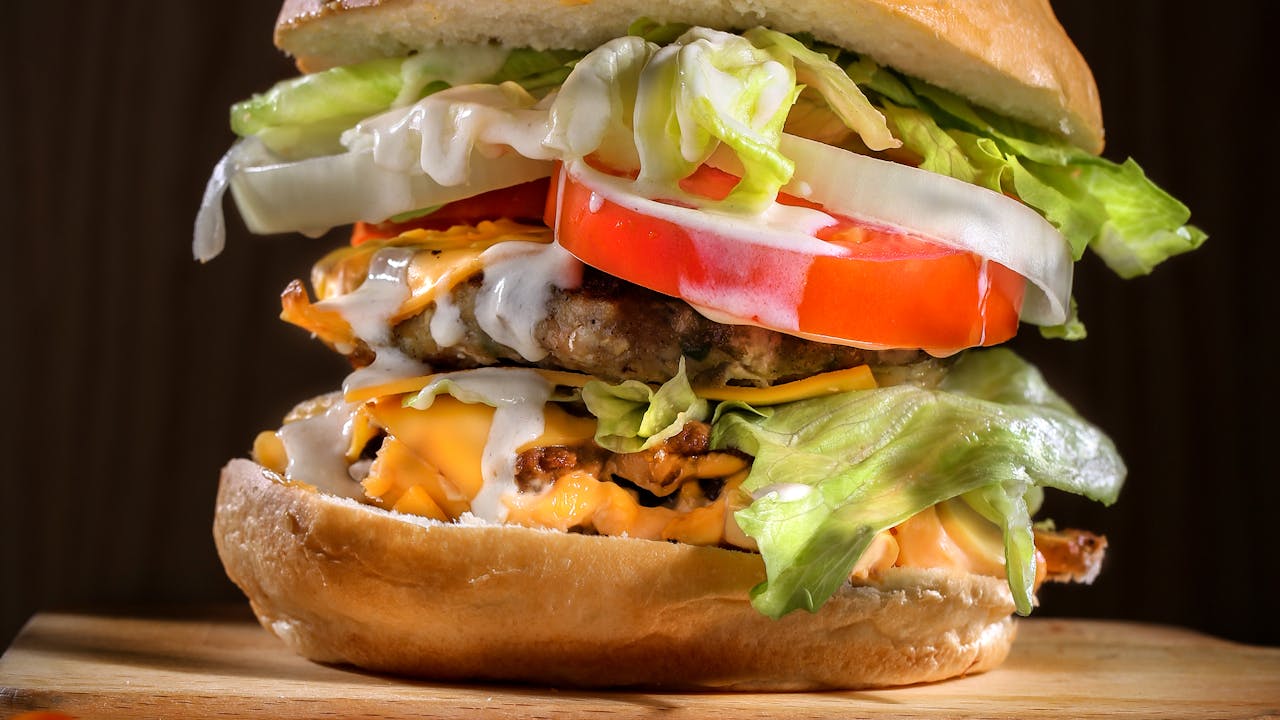
The challenge with mushrooms is that cooking method matters a lot. More on this in the cooking section. But the short version: lightly sautéed or raw (thinly sliced in salads) preserves significantly more spermidine than long-cooked or canned mushrooms.
Beyond spermidine, mushrooms bring ergothioneine (a longevity amino acid with its own growing evidence base) and beta-glucans that support immune function. There are multiple independent reasons to eat more mushrooms. Spermidine content is just one of them.
Aged cheese: 10-13 mg per 100g
This one surprises most people. Aged cheeses, particularly aged cheddar, gruyere, and parmesan, contain roughly 10-13 mg of spermidine per 100g. The aging process concentrates polyamines through microbial activity, similar to how fermentation works in natto and tempeh.
Young fresh cheeses like ricotta, cottage cheese, and fresh mozzarella contain far less. If you're going to eat cheese anyway, and you're choosing between a young cheese and a 12-24 month aged option, the older one is meaningfully higher in spermidine.
Realistic portion sizes matter here. A 30g serving of aged parmesan delivers around 3-4 mg of spermidine. Not your primary source, but a useful contributor when you're building up toward a daily target.
Legumes: lentils, chickpeas, and green peas at 6-11 mg per 100g
Lentils and chickpeas both come in around 8-11 mg/100g under good preparation conditions. Green peas are at approximately 6.5 mg/100g. These are versatile, inexpensive, and widely eaten across most diets, making them practical high-volume contributors.
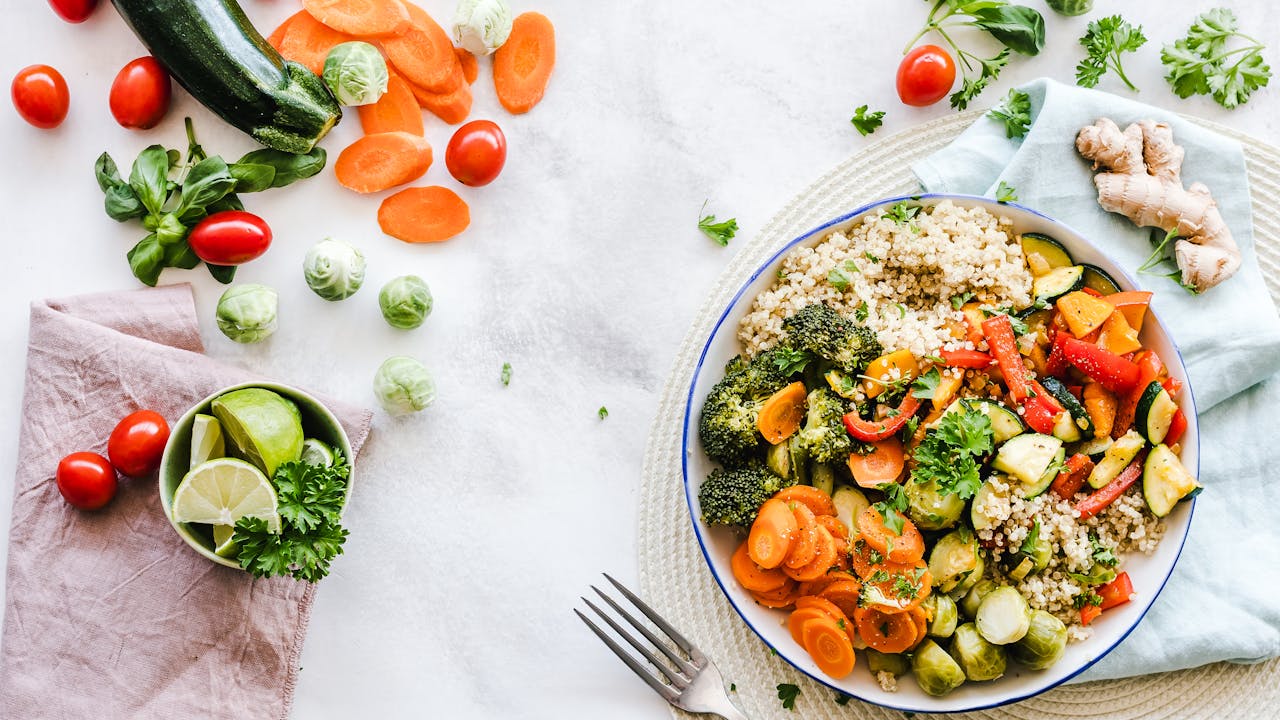
The issue with legumes is cooking method. Boiling significantly reduces polyamine content because spermidine is water-soluble and leaches into the cooking liquid. Losses of 30-60% are typical. If you boil dried lentils or chickpeas, using the cooking water in soups or stews rather than discarding it preserves some of what would otherwise be lost. Canned legumes tend to retain more because the polyamines stay in the can liquid.
Hummus made from chickpeas provides spermidine, though at somewhat lower levels than whole cooked chickpeas because of the processing. Still worth eating.
Broccoli and cruciferous vegetables: 5.5-7 mg per 100g
Broccoli contains 5.5-7 mg/100g of spermidine. Cauliflower, green beans, and spinach contain lower but notable amounts. Broccoli is also relatively stable during light cooking compared to legumes and mushrooms, making it a reliable contributor regardless of how it's prepared.
This fits the broader pattern. Diets high in cruciferous vegetables consistently show longevity associations in population research. Spermidine content is likely one contributor, though broccoli's sulforaphane, fiber, and other bioactives are probably also doing meaningful work.
Hazelnuts and other nuts: up to 6.3 mg per 100g
Hazelnuts have the highest documented spermidine content among nuts, up to 6.3 mg/100g. Almonds, cashews, and pistachios contain smaller but notable amounts. Nuts are easy to incorporate into existing meal patterns, shelf-stable, and calorie-dense (which is either an advantage or a concern depending on your goals).
A small handful of hazelnuts, roughly 30g, delivers around 1.5-2 mg of spermidine. Not transformative on its own, but another easy layer in a food-first strategy.
Chicken liver: 8-12 mg per 100g
Chicken liver contains around 8-12 mg/100g of spermidine. Organ meats in general are rich in polyamines because these are metabolically active tissues with high cellular turnover. Beef liver is similar, though specific spermidine data varies across analyses.
Chicken liver is inexpensive, nutrient-dense, and comes loaded with B12, folate, vitamin A, and iron on top of spermidine. It's not the most popular food in modern Western diets, but it's worth revisiting if you're building a longevity-oriented diet. Once a week is plenty to get a meaningful contribution.
Mangos: up to 10.6 mg per 100g
This one is genuinely surprising. Mangos contain up to 10.6 mg of spermidine per 100g in some analyses, though this varies considerably by ripeness and variety. Ripe mangos are a high-spermidine fruit, and they deliver it raw, without any cooking-related degradation.
Most other fruits contain much lower amounts. Mangos stand out as an outlier. If you eat tropical fruit regularly, this adds up.
How cooking and processing change spermidine content
This section matters more than most people expect. Knowing which foods are high in spermidine is useful. Knowing how preparation affects what you actually absorb from them is what lets you translate that knowledge into practice.
Boiling: greatest loss (30-60%). Spermidine is water-soluble and leaches directly into cooking water. The longer you boil and the more water you use, the more you lose. This is why boiled legumes can have half the spermidine of uncooked ones. If you're boiling lentils, chickpeas, or other legumes, use the cooking water in your dish.
Frying, roasting, grilling: moderate loss (30-60%). These methods lose less to water than boiling, but heat itself degrades polyamines through thermal breakdown and Maillard reactions. The effect varies by food and temperature.
Steaming: lower loss. Steaming preserves more spermidine than boiling because the food isn't immersed in water. A better default for vegetables and mushrooms.
Canning: about 14% loss. Surprisingly modest for mushrooms, where one study documented only around a 14% polyamine loss after canning. Most of what's lost goes into the can liquid, which most people discard. Use it if you can.
Raw consumption: maximum preservation. Raw wheat germ, raw mushrooms in salads, raw hazelnuts, and ripe raw mango all deliver the highest spermidine content. This is one of the reasons the raw wheat germ habit is the single highest-return food change you can make.
Fermentation: increases spermidine. Natto, tempeh, and aged cheese all contain more spermidine than their unfermented precursors. Fermentation bacteria synthesize spermidine, concentrating it in the final product. You're working with food science, not against it.
The practical takeaway: if you're serious about dietary spermidine, eat wheat germ raw, lightly sauté mushrooms instead of braising them, steam broccoli instead of boiling it, and favor fermented soy products over plain soybeans.
How much spermidine do you actually need?
There's no official dietary reference intake established for spermidine. But the research gives us workable benchmarks.
The average Western diet delivers an estimated 3-5 mg/day of spermidine, as part of a total polyamine intake of roughly 7-15 mg. Traditional Mediterranean and Japanese diets, which naturally include more legumes, fermented foods, whole grains, and vegetables, deliver an estimated 7-10 mg/day of spermidine.
The Kiechl Bruneck cohort study that found the 26% mortality reduction compared people with dietary spermidine intakes in the top third against those in the bottom third. The gap between those groups was roughly 7-10 mg/day versus under 4 mg/day. That gap appears to be where meaningful benefit begins.
For adults over 50, where endogenous spermidine production is measurably declining, most researchers working in this area suggest targeting at least 5-8 mg/day from diet, with some recommending 3-5 mg/day supplemental on top of dietary intake to compensate for the natural decline.
David Sinclair, the Harvard longevity researcher and author of Lifespan, takes 1 mg/day supplemental spermidine as part of his morning stack. He frames it as a fasting mimetic, a way to activate autophagy-adjacent pathways without actual food restriction. Peter Attia has reported taking approximately 6 mg/week supplemental while acknowledging that the human RCT evidence is still maturing.
A simple daily meal structure that hits 7-10 mg without supplements:
- Morning: 2 tablespoons raw wheat germ on yogurt (~7 mg)
- Lunch: 100g tempeh in a stir-fry or wrap (~12-15 mg)
- Dinner: 150g broccoli plus 30g aged parmesan (~12-15 mg)
That's potentially 30 mg+ if you hit all three. Well above any plausible target. Even hitting two out of three most days puts you comfortably in the range epidemiological evidence supports.
Use the biological age calculator to track your overall longevity profile and understand where your nutrition fits in the picture.
Spermidine food sources vs supplements: what the research shows
This is where a lot of supplement marketing oversimplifies. It's worth understanding what's actually going on.
When researchers gave healthy adults 15 mg/day of supplemental spermidine and measured blood levels, plasma spermidine didn't increase. Plasma spermine increased instead. Oral spermidine undergoes presystemic conversion in the gut wall, where it gets oxidized to spermine before entering systemic circulation. A 2024 trial that gave healthy older men 40 mg/day, nearly eight times what most commercial supplements provide, also found minimal changes to circulating blood polyamines.
Does this mean supplementation doesn't work? Not necessarily. Spermine is also bioactive, and the gut itself may be where many of the most important effects happen. Autophagy in gut epithelial cells, local anti-inflammatory effects, and changes to gut microbial composition may all be meaningfully influenced regardless of what shows up in plasma measurements.
But here's the honest truth: the strongest human evidence for spermidine's longevity effects, the Bruneck cohort data, was tracking dietary intake, not supplementation. The mortality associations were in people eating wheat germ, mushrooms, legumes, and aged cheese, not people taking capsules. Food-derived spermidine arrives packaged with companion polyamines, spermine and putrescine, which together engage what's called the polyamine salvage pathway, a cellular recycling loop that isolated synthetic spermidine doesn't activate in the same way.
If you're already eating wheat germ daily, consuming natto or tempeh several times per week, and including mushrooms and legumes regularly, you're likely hitting 8-12 mg/day. Supplementation probably adds marginal value at that point. If your diet is lower in these foods, or if you're past 60 and want to compensate for the natural production decline, a wheat germ extract supplement in the 2-5 mg/day range is a reasonable addition. Look for products that specify actual spermidine content in milligrams, not just "wheat germ extract" without quantification.
For a broader view of how spermidine fits a complete longevity stack, check out WinAging's free tools for stack-building and compound interaction checking.
The health benefits: what the evidence actually supports
Let's be specific about where the science is strong and where it's still developing.
Longevity and all-cause mortality
The Kiechl Bruneck cohort study remains the strongest human evidence. 829 participants, 20 years of follow-up, 341 deaths. Each standard deviation increase in dietary spermidine intake was associated with 26% lower all-cause mortality risk. The highest-intake tertile had the mortality risk equivalent to someone 5.7 years younger. Fatal cardiovascular events, specifically fatal heart failure, were reduced by roughly 40% in the highest versus lowest tertile.
Animal studies reinforce this. Supplemental spermidine extends lifespan in yeast, roundworms, fruit flies, and mice, across multiple independent research groups. The mouse data is particularly robust. These aren't single-study findings.
Spermidine is now the best-studied example of what researchers call a "caloric restriction mimetic," a compound that activates the same cellular pathways as fasting without requiring food restriction. This framing, developed largely by Frank Madeo at the University of Graz whose lab produced the foundational 2009, 2016, and 2024 papers, positions it as one of the most promising food-derived longevity compounds.
Cardiovascular health
The cardiovascular signal in the Bruneck data was strong and specific. The mechanistic research in mice adds to it. In animal models of cardiac aging and hypertension-induced heart failure, spermidine supplementation reduced cardiac hypertrophy and preserved diastolic function, the heart's ability to relax and fill between beats. The mechanism involves spermidine's effects on titin phosphorylation in cardiac muscle cells, improving the elasticity of heart tissue, and enhanced mitophagy, the selective removal of damaged mitochondria from heart muscle.
Diastolic dysfunction affects a large fraction of older adults and often precedes full heart failure. If spermidine genuinely preserves diastolic function in humans as it does in mice, that would be a clinically significant finding. The POLYCAD trial, an ongoing randomized controlled trial specifically testing spermidine in coronary artery disease patients, is expected to provide cleaner human data. Results are anticipated in mid-2026.
A 2024 Mendelian randomization study used genetic variation to test causal relationships and found genetic evidence that higher polyamine metabolism protects against hypertension and elevated blood glucose, two of the strongest risk factors for cardiovascular disease.
Brain health and cognitive function
The SmartAge trial is the most rigorous human RCT to date on spermidine and cognition. 100 participants aged 60-90 with subjective cognitive decline. They received either 0.9 mg/day of wheat germ spermidine extract or placebo for 12 months. The primary memory endpoint wasn't met. Exploratory analyses showed positive signals on verbal memory and inflammatory markers, but these are preliminary.
The authors' own conclusion was that the dose was probably too low to see a clear effect. Higher-dose cognitive trials are in development.
The mechanistic case is coherent. Autophagy removes misfolded proteins, including tau and beta-amyloid, the proteins associated with neurodegeneration. A brain with better autophagic function should, in theory, clear these proteins more effectively. National cohort data from the US (NHANES 2003-2014) shows inverse associations between dietary spermidine intake and cognitive decline. But definitive human RCT evidence at adequate doses doesn't exist yet.
WinAging covers the longevity compounds with the best evidence across multiple domains. Spermidine is one of the most interesting ones precisely because the mechanism is now well-understood at the molecular level.
Immune system function
This may be spermidine's most underappreciated benefit for people over 50. T cells, the core of your adaptive immune system, depend on functioning autophagy to remain active and effective. Aged T cells progressively lose autophagic capacity. They become slower to respond to pathogens and less effective at identifying and killing cancer cells.
Restoring spermidine availability to aged T cells in lab conditions rescues autophagic flux and recovers their ability to produce IFN-gamma and perforin, the key weapons T cells use against cancer cells and viruses. In aged mice, this translated to rejuvenated anti-cancer immunosurveillance, a restoration of the immune system's ability to detect and clear tumor cells.
A 2025 study reported that spermidine supplementation mitigated immune cell senescence in healthy older adults and enhanced autophagic flux. Whether this translates to meaningfully improved vaccine responses or reduced infection risk in humans remains an active area of research. But the mechanism is among the strongest of any longevity compound.
Check the supplement interaction checker before adding spermidine to an existing immune or longevity stack.
Spermidine and your gut microbiome
One dimension that doesn't get enough attention: your gut bacteria produce spermidine independently of what you eat. A healthy gut microbiome synthesizes significant polyamines in the colon, and this local production may be as important as dietary intake in determining your overall polyamine status.
Research on Bifidobacterium LKM512, a polyamine-producing probiotic strain, found that supplementation increased blood polyamine levels in mice, suppressed intestinal inflammation, and extended lifespan. Human studies with yogurt cultures containing polyamine-producing bacteria improved endothelial function and reduced atherosclerosis markers, suggesting that gut-derived spermidine reaches systemic circulation in ways that orally supplemented spermidine doesn't.
This creates a genuinely additive strategy: eat spermidine-rich foods, but also support the gut bacteria that produce their own. Prebiotic fibers, found in legumes, whole grains, garlic, and onions, feed polyamine-producing bacteria. Fermented foods like natto, tempeh, and kefir introduce beneficial bacterial strains directly.
The practical beauty here is that a diet naturally high in the best spermidine food sources, wheat germ, fermented soy, mushrooms, and legumes, will simultaneously feed the gut bacteria that produce spermidine endogenously. The two strategies reinforce each other rather than competing.
For more on how amino acids and similar compounds interact with longevity protocols, the glycine dosage for anti-aging guide covers another foundational amino acid from a similar research-first perspective.
Safety: who needs to be careful
For most healthy adults, spermidine is extremely well-tolerated. It's a naturally occurring compound your cells already make. Population data from long-term dietary studies shows no adverse signals even at consistently high intake levels. Short-term supplementation at 40 mg/day in healthy older men showed no significant adverse effects over 28 days.
But there are a few groups who should think carefully.
People with a history of cancer. This is the most legitimate concern. Polyamines support cell proliferation. Cancer cells often show elevated polyamine biosynthesis. For cancer prevention and immunosurveillance, spermidine looks protective. But in someone with an active tumor, higher polyamine availability could theoretically provide growth support. This isn't settled science and the population data on dietary spermidine doesn't suggest harm, but if you have active cancer or are in treatment, talk to your oncologist before supplementing.
Celiac disease or gluten sensitivity. Most commercial spermidine supplements come from wheat germ extract. If you're sensitive to gluten, you need a product specifically tested for gluten content, or you'll want to source spermidine from non-wheat foods. Mushrooms, tempeh, legumes, and mangos are all viable alternatives that can get you to adequate intake without wheat germ.
Pregnancy and breastfeeding. Dietary spermidine during pregnancy is completely normal and important for fetal development. Supplemental doses above dietary intake lack safety studies in pregnant women. Stick to food sources during pregnancy and lactation.
For everyone else, especially people over 40 who are actively working on longevity, the safety profile is excellent and the evidence base is stronger than for most supplements in this space.
Building a practical spermidine-rich eating pattern
You don't need to overhaul your entire diet. A few targeted habits can make a meaningful difference.
The highest-leverage single change: Two tablespoons of raw wheat germ every morning. Into yogurt, a smoothie, overnight oats, or anything you already eat regularly. This delivers 6-7 mg of spermidine before you've made any other changes. It takes about five seconds.
The fermented protein swap: Replace some animal protein with tempeh two or three times per week. A 150g serving of tempeh in a stir-fry or grain bowl delivers 15-20 mg of spermidine plus 28g of protein. It's a high-value swap on multiple dimensions.
The mushroom habit: Include mushrooms in meals several times a week. Lightly sauté them, add them to eggs, throw them in soups. Avoid overcooking. A 100g serving of shiitake or oyster mushrooms adds 5-9 mg.
The legume base: Use lentils or chickpeas as the base for lunches or dinners three or more times per week. Steam or use canned (with the liquid). A 200g serving adds 12-20 mg.
The cheese upgrade: When you eat cheese, choose aged varieties over fresh ones. The upgrade is effortless and adds 3-4 mg per serving.
Weekly organ meat: Chicken livers once a week if you eat meat. Inexpensive, nutrient-dense, and brings 8-12 mg per 100g serving.
Done consistently, these habits can easily push daily spermidine intake to 15-25 mg without any supplementation. That's well into the range associated with the strongest longevity outcomes in population data.
If you want to track how these dietary changes interact with your overall longevity protocol, the biological age calculator gives you a baseline for monitoring progress over time.
For a broader picture of how nutrition, supplements, and lifestyle stack up together, WinAging's supplement interaction checker and protocol tools help you build a coherent approach rather than a pile of random additions.
Frequently asked questions
What food is highest in spermidine?
Wheat germ has the highest concentration of any commonly consumed food, around 24.3 mg per 100g. Two tablespoons (30g) delivers roughly 7 mg. After wheat germ, fermented soy products like natto and tempeh are the next highest sources, ranging from 12-20 mg/100g. Aged cheeses, mushrooms, legumes, and broccoli are all meaningful contributors at 5-13 mg/100g.
How much spermidine should I get per day?
There's no established dietary reference intake. The Bruneck cohort data, the strongest human evidence we have, suggests that 7-10 mg/day from dietary sources is associated with meaningful longevity benefits, compared to less than 4 mg/day in lower-intake groups. For adults over 50, where endogenous production declines, some researchers recommend targeting 8-12 mg/day total between diet and supplementation.
Does cooking destroy spermidine?
Yes, cooking reduces spermidine content, sometimes substantially. Boiling causes the most loss (30-60%) because spermidine leaches into cooking water. Steaming causes less loss. Fermentation, as in natto and tempeh, actually increases spermidine content. Raw wheat germ and raw mushrooms preserve the most. If you're cooking legumes, using the cooking water in soups conserves some of what would otherwise be lost.
Is spermidine safe?
Yes, for most healthy adults. It's a naturally occurring compound your cells already produce and regulate. Population data shows no adverse effects even at consistently high dietary intake. Short-term supplementation at up to 40 mg/day has been tested and found safe in healthy older adults. The main group that should be cautious is people with active cancer, where the role of polyamines in tumor biology is genuinely complex.
Are spermidine supplements worth buying?
Maybe, depending on your diet. If you're eating wheat germ daily, tempeh or natto regularly, and including mushrooms and legumes consistently, you may already be hitting 8-12 mg/day and don't need to supplement. If your diet is lower in these foods or you're past 60, a wheat germ extract supplement in the 2-5 mg/day range is a reasonable addition. Look for products that specify the spermidine content in milligrams, not just wheat germ extract weight.
Can spermidine help with hair loss?
There's preliminary in vitro evidence showing spermidine shifts hair follicles from the shedding phase to the growth phase. But this is cell culture research, not clinical trials. The spermidine skincare article covers the topical evidence for skin and hair in more depth.
What's the relationship between spermidine and fasting?
Spermidine is now understood to be the molecular mechanism that connects fasting to autophagy. When you fast, your cells increase spermidine production. That spermidine activates EIF5A via hypusination, which drives expression of TFEB, the master autophagy regulator. This was definitively shown in a 2024 Nature Cell Biology paper. Rapamycin's longevity effects also appear to work through this same spermidine-mediated pathway.
Does berberine interact with spermidine?
There's no well-documented direct interaction. Berberine activates AMPK and inhibits mTOR, pathways that overlap conceptually with autophagy induction. Whether combining berberine and spermidine produces additive autophagy effects hasn't been directly tested. The supplement interaction checker can help you assess your full stack. For context on berberine's own mechanisms, the berberine with milk thistle guide covers its longevity-adjacent effects in detail.
Want a personalized stack tailored to your goals? Try the AI protocol builder to get a custom longevity protocol in minutes.
Related guides
- Spermidine skincare: the anti-aging evidence
- Glycine dosage for anti-aging
- Berberine with milk thistle
- Supplement interaction checker
- Biological age calculator
Sources
- Dietary spermidine and reduced mortality, Bruneck cohort - Kiechl et al., AJCN 2018
- Spermidine is essential for fasting-mediated autophagy and longevity - Nature Cell Biology 2024
- Polyamines in food - Muñoz-Esparza et al., PMC 2019
Spermidine doesn't require a radical diet. It doesn't cost much. Two tablespoons of wheat germ, some tempeh, a handful of mushrooms regularly. That's the version of this protocol most people can actually follow. And if the Bruneck data is any indication, the difference between a 4 mg/day diet and an 8-10 mg/day diet is equivalent to years of biological age.
Start with what the research supports. See where it takes you. And use WinAging's free tools to track where you stand and what else in your stack is moving the needle.