Methylene blue drip: what to know before your first IV
What a methylene blue IV drip does, how it compares to oral forms, what a session costs, who it's for, and the safety risks you need to understand.
Methylene blue has been around since 1876. It started as a textile dye, became one of the first synthetic drugs ever used in medicine, and is now showing up in IV lounges alongside NAD+ and glutathione. If you're looking at a methylene blue drip, you're looking at a therapy with one of the most interesting pharmacological profiles in the biohacking space and one of the most serious drug interactions lists you'll find in any wellness treatment.
That's the thing about methylene blue. It's not a trendy supplement someone invented last year. The FDA approved it for a specific emergency use. Cardiac surgeons use it to save lives. And now, longevity clinics across the country are offering it as a cognitive and mitochondrial boost for healthy people who want to feel sharper and age better.
Is it legitimate? Is it worth the $200-$450 per session price tag? And more importantly, is it safe for you specifically?
This guide covers everything: the science, the clinical evidence, what actually happens during a session, how IV compares to the oral forms, who should avoid it entirely, and how to find a reputable clinic if you decide to try it. WinAging breaks down the research so you're making an informed decision, not just following hype.

What is a methylene blue drip?
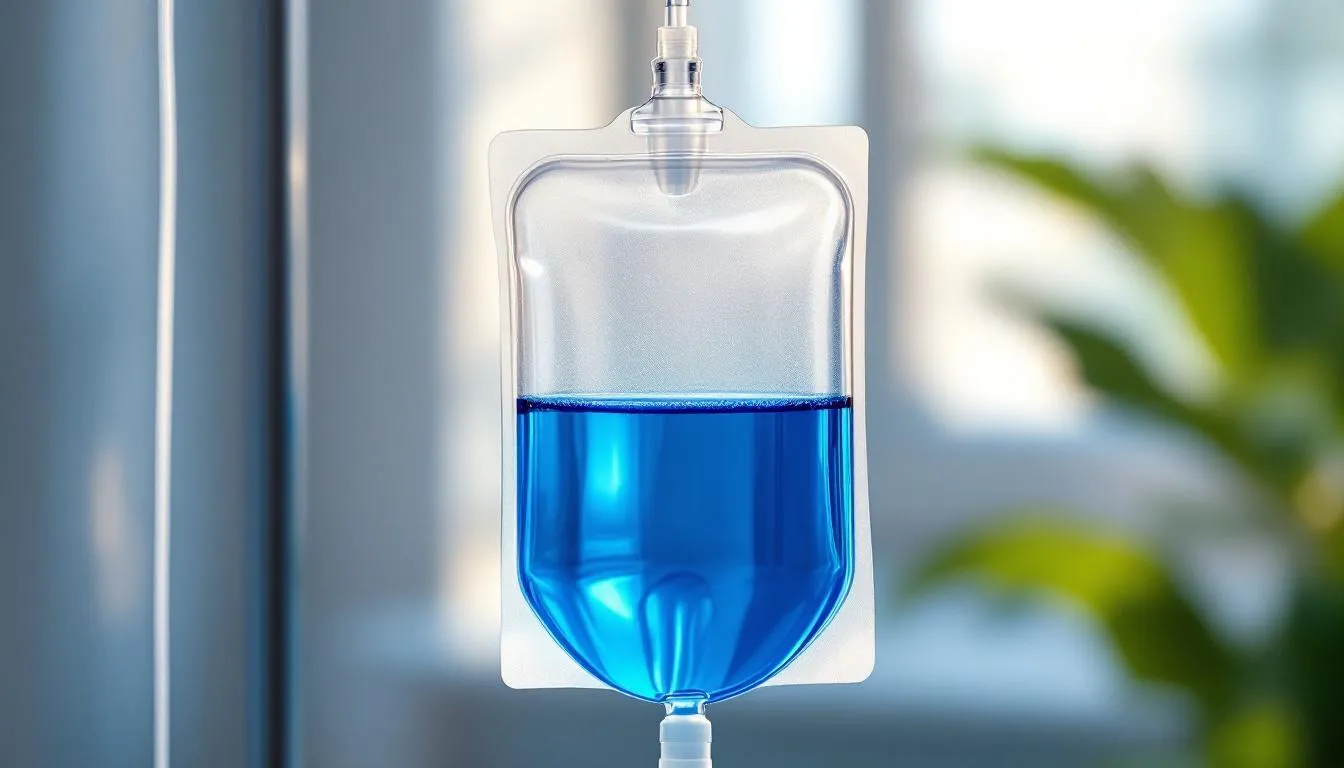
A methylene blue drip is an intravenous infusion of methylene blue (methylthioninium chloride) diluted in normal saline, administered slowly over 30-60 minutes through a catheter placed in a vein in your arm. The FDA-approved injectable product is called Provayblue, a 1% solution at 10 mg/mL. Wellness clinics use the same pharmaceutical-grade compound but at lower doses than you'd see in an emergency department.
The solution is visibly blue. Your urine will turn bright blue-green within hours of the infusion. This is normal, harmless, and expected. It's not a side effect; it's just the dye clearing through your kidneys.
Methylene blue has one FDA-approved indication: acquired methemoglobinemia. That's a condition where hemoglobin gets oxidized and loses its ability to carry oxygen, sometimes from drug exposures, sometimes from industrial chemical exposure. In that emergency context, 1 mg/kg of IV methylene blue can reduce methemoglobin levels within 30-60 minutes. It works. It's life-saving.
What wellness clinics offer is different. They're using the same compound for its effects on mitochondrial function, nitric oxide regulation, and neurotransmitter activity. The mechanism is real. But the clinical evidence in healthy people is much thinner than in acute medical use.
How methylene blue actually works
To understand why an IV drip might do anything useful, you need to understand the mechanism. And the mechanism is genuinely interesting.
Methylene blue is a redox mediator. It can accept and donate electrons, cycling between its oxidized form (methylene blue, the blue color) and its reduced form (leucomethylene blue, which is colorless). This electron-cycling ability is what makes it pharmacologically active.
In your mitochondria, it acts as an alternative electron carrier. The electron transport chain (the machinery that produces ATP, your cellular energy currency) has four main complexes. Methylene blue can accept electrons from Complex I and donate them directly to cytochrome c, bypassing Complexes II and III. In cells where these middle complexes are dysfunctional, which increasingly happens with age, methylene blue essentially creates a shortcut that keeps ATP production going.
A rat study found that 1 mg/kg methylene blue increased Complex IV (cytochrome oxidase) activity by 30% in brain tissue within 24 hours. This is the engine of mitochondrial activity, and more of it means more ATP.
Because methylene blue is lipophilic (fat-soluble) and small, it crosses the blood-brain barrier readily. It concentrates in tissues with high metabolic demand, including the brain. Brain concentrations after IV administration actually exceed blood concentrations. That's a big deal for cognitive applications: the compound goes where you want it.
Methylene blue also inhibits nitric oxide synthase (NOS), which is relevant to its cardiovascular and anti-inflammatory effects. Excessive nitric oxide causes vasodilation, which is why it's used in vasoplegic shock and why it might matter for post-COVID vascular inflammation. And at certain doses, it inhibits monoamine oxidase A (MAO-A), raising serotonin, dopamine, and norepinephrine levels. This is both its mood-supporting mechanism and its most dangerous drug interaction risk.
Medical uses: what the evidence actually shows
Before getting to the wellness claims, it's worth understanding where the clinical evidence is strongest. These are the uses where methylene blue has moved from theory to standard practice.
Vasoplegic syndrome. After cardiac surgery with cardiopulmonary bypass, patients sometimes develop refractory vasodilation. Their blood pressure drops and won't respond to standard vasopressors. Methylene blue, at 2 mg/kg IV over 20-30 minutes, restores vascular tone by blocking nitric oxide signaling. Multiple cardiac surgery centers use this routinely. The evidence here is strong.
Septic shock. A 2024 systematic review and meta-analysis in Frontiers in Medicine found that methylene blue in sepsis reduced time to vasopressor discontinuation, ICU length of stay, and days on mechanical ventilation. A 2023 randomized controlled trial in Critical Care showed hemodynamic benefit. This is an area where the evidence base is actively growing.
Ifosfamide-induced neurotoxicity. Ifosfamide is a chemotherapy drug that can cause encephalopathy. Methylene blue (50 mg IV every 4 hours) both prevents and treats it. This is now a standard adjunct in oncology units that use ifosfamide.
Surgical applications. Surgeons use it to visualize sentinel lymph nodes in breast cancer surgery, and to identify parathyroid tissue during thyroid operations. In these uses, it's a visualization tool rather than a treatment.
What all these applications have in common: they're in patients with serious conditions, administered under close medical supervision, at doses that are higher than what wellness clinics use. The safety profile at 1-2 mg/kg in otherwise healthy people is different from the safety profile at 1-2 mg/kg in a critically ill patient.
What wellness clinics are using it for
This is where things get more interesting and more uncertain. The biohacking world has grabbed methylene blue because its mechanism makes compelling predictions about what it should do for healthy people. The question is whether the mechanism translates into measurable benefits in practice.
Cognitive function. This is the primary pitch from most clinics. The best human data comes from a randomized, double-blind, placebo-controlled trial at the University of Texas. A single dose of about 280 mg (roughly 4 mg/kg oral, not IV) improved memory retrieval by 7% compared to placebo. fMRI showed increased activity in the insular cortex during attention and short-term memory tasks. That's meaningful. It's also one study, one dose, and oral rather than IV.
Mitochondrial support and energy. The mechanism is solid for this claim. Better electron transport chain function means more ATP in your cells. People with mitochondrial dysfunction, whether from aging, chronic illness, or other factors, stand to benefit the most. Whether healthy people with well-functioning mitochondria get a meaningful boost is less clear.
Mood support. Because methylene blue inhibits MAO-A, it raises monoamine levels. This is the same mechanism used by MAOI antidepressants. Several case reports and small studies suggest antidepressant-like effects at low doses. But this is also why serotonin syndrome with SSRIs is a real danger, not a theoretical one.
Lyme disease and co-infections. In vitro studies confirm antimicrobial activity against Borrelia (Lyme) and Bartonella. Several clinics, particularly in Florida and California, specifically market IV methylene blue for Lyme and co-infections. Clinical trial data in humans with Lyme doesn't exist yet. Clinics are running ahead of the research here.
Long COVID. A 2024 PMC review covers proposed mechanisms for COVID-related applications. Mitochondrial dysfunction and oxidative stress are prominent features of long COVID, which makes methylene blue a theoretically attractive intervention. Case reports of neurological improvement exist. Large trials don't.
Anti-aging. This one is really a downstream claim from the mitochondrial mechanism. If methylene blue genuinely maintains mitochondrial function in aging cells, the anti-aging implication follows. The challenge is that this is hard to measure in a single session, or even a short course of sessions.
If you're building a longevity protocol, WinAging's AI protocol builder can help you figure out how methylene blue might fit alongside other compounds based on your specific health data and goals.
What a session actually looks like
Knowing what to expect makes the whole process less intimidating. Here's how a typical session runs at a reputable wellness clinic.
Before your first infusion:
First-visit clinics should do a medication review (critical, given the serotonin syndrome risk) and order a G6PD enzyme test. G6PD is an enzyme that generates NADPH, which methylene blue needs to function correctly. People with G6PD deficiency can't process methylene blue safely and can develop severe hemolytic anemia. This test costs about $26 and takes a day or two to come back. Don't skip it. Don't use a clinic that skips it.
If you're on any serotonergic medication, including SSRIs, SNRIs, or even something like tramadol or St. John's Wort, the honest answer is that you should not be getting a methylene blue IV. Full stop. See the safety section below.
The infusion itself:
A nurse places a peripheral IV catheter in your arm. The methylene blue solution (diluted in 250-500 mL of normal saline) infuses slowly over 30-60 minutes. The rate matters. Rapid infusion causes chest pain, dizziness, and blood pressure spikes. There's no reason to rush this.
During the infusion, you'll be seated or reclined. Most clinics monitor your vital signs at intervals. Some offer red light therapy simultaneously, which has a photobiomodulation rationale: methylene blue is activated by certain wavelengths of light, and red/near-infrared light may amplify its effects. The combination is popular at Lyme and cognitive health clinics in particular, and aligns with what we cover in the methylene blue red light therapy guide.
You might notice a slight metallic taste or mild warmth during the infusion. Some people report a clarity or mild energy lift within hours. Others feel nothing notable during the session and notice effects the next day.
After the session:
Expect blue-green urine for 24-72 hours. This is harmless and will resolve on its own. Some people notice slight blue-green staining around the IV site, also temporary.
The half-life of methylene blue after IV administration is approximately 18.5 hours, ranging from 6-27 hours across individuals. That means the compound is still active in your body well past the infusion window.
IV vs. oral: what's actually different?
The bioavailability argument for IV over oral is real but more nuanced than clinics often present.
In gelatin capsule form, methylene blue has only about 6.5% bioavailability relative to an equivalent IV dose. That's poor. But as an aqueous oral solution (the kind used in liquid drops), bioavailability reaches about 72% of IV, with a peak around 2.2 hours.
So the honest comparison: oral drops get you about 72% of IV bioavailability, but the IV route gets you there in minutes instead of 2+ hours.
For acute medical uses (methemoglobinemia, shock), oral isn't viable. The speed matters too much. For wellness applications where you're taking methylene blue before a workday or a training session, the timing difference is meaningful but not absolute.
What IV does deliver that oral can't match: higher, more consistent peak brain concentrations. Because it bypasses the gut entirely and doesn't face first-pass liver metabolism, the IV route puts more methylene blue in your brain faster. For cognitive applications, particularly those depending on peak concentration effects, this matters.
There's also the absorption consistency issue. If your gut health isn't great, oral absorption will be more variable. IV eliminates that variable.
The methylene blue troche format (buccal/sublingual lozenges) sits between the two in terms of onset: about 15-20 minutes to effect, with high-quality absorption that also bypasses first-pass metabolism. For people who want something faster than capsules but don't want an IV, the methylene blue troche is worth understanding. And if you're comparing quality between different oral formats, the USP grade methylene blue guide covers what the pharmaceutical standards actually mean.
The practical question is whether you need IV specifically. If you're using methylene blue for general mitochondrial support or daily cognitive enhancement, high-quality oral drops or troches get you most of the benefit at a fraction of the cost. The IV format starts to make more sense if you're doing an intensive loading protocol for a specific condition, or if you want to combine it with other IV therapies like NAD+.
The NAD+ combination
Methylene blue and NAD+ is the most popular IV combination in the longevity clinic world, and the rationale is genuinely good.
NAD+ is a substrate for the electron transport chain. Methylene blue is an alternative electron carrier within the same chain. They support mitochondrial function through complementary pathways rather than overlapping ones. Combining them makes pharmacological sense.
The MB/NAD+ combo typically runs around $500 per session, with a loading protocol of two sessions per week for five weeks followed by monthly maintenance. For what this combo is targeting (cognitive decline, post-viral fatigue, anti-aging), the front-loaded protocol makes sense if the goal is meaningful cellular change rather than a one-off boost.
On the IV therapy content front, how long does NAD IV last covers the pharmacokinetics of the NAD side of the equation. For general IV therapy context, the taurine IV benefits and curcumin IV therapy guides cover how other longevity compounds are being delivered intravenously.
What it costs
Pricing varies substantially by geography, clinic type, and what's included.
Standalone methylene blue IV sessions in the US run from $172 (at Drip IV Co. in Louisiana, which includes red light therapy) to $450+ in major metropolitan areas. The UK runs around £240 per session.
The MB/NAD+ combination is usually in the $500 range per session. A full loading protocol of 10 sessions (2x/week for 5 weeks) can cost $2,500-$4,500 depending on the clinic.
The raw pharmaceutical cost of methylene blue is low: roughly $222 for a 10 mg/mL vial at retail pharmacy pricing. The clinic markup is 2-5x, which covers nursing time, supplies, monitoring, and overhead. Some clinics accept HSA/FSA funds, which changes the effective cost if you have funds available in those accounts.
First consultations are usually free. The G6PD test before your first infusion is about $26. Budget for that.
Safety: the part that actually matters
This is the section to read carefully. Methylene blue is not a high-risk supplement when used correctly. It becomes high-risk in specific combinations.
Serotonin syndrome: the most serious risk.
Methylene blue inhibits MAO-A, the enzyme that breaks down serotonin. Combine it with anything that raises serotonin (SSRIs, SNRIs, tricyclic antidepressants, tramadol, linezolid, dextromethorphan, buspirone, St. John's Wort), and you can trigger serotonin syndrome.
Serotonin syndrome progresses from tremor and agitation to hyperthermia, muscle rigidity, and seizures. Severe cases are fatal. The FDA issued a Drug Safety Communication specifically about this interaction in 2011. Even 1 mg/kg IV can cause serotonin toxicity in someone on an SSRI.
This isn't a "talk to your doctor and maybe it's okay" situation. This is a hard contraindication. If you're on any serotonergic medication, you should not be getting a methylene blue IV.
Medications to avoid:
- SSRIs (fluoxetine, sertraline, escitalopram, paroxetine, citalopram, fluvoxamine)
- SNRIs (venlafaxine, duloxetine, desvenlafaxine)
- MAO inhibitors (phenelzine, tranylcypromine, selegiline, rasagiline)
- Tricyclic antidepressants (clomipramine, amitriptyline, nortriptyline)
- Bupropion
- Buspirone
- Mirtazapine
- Linezolid (antibiotic)
- Tramadol
- Dextromethorphan (common cough medicine ingredient)
- St. John's Wort
G6PD deficiency.
People with G6PD deficiency can't safely receive methylene blue. The enzyme is required for methylene blue to function correctly; without it, the compound causes severe hemolytic anemia (red blood cell destruction). G6PD deficiency affects about 400 million people worldwide, with higher prevalence in people of African, Mediterranean, and Middle Eastern descent. Testing is simple and inexpensive. There's no excuse for a clinic to skip it.
High doses.
Methylene blue follows a hormetic dose-response curve. Low doses support mitochondrial function. Very high doses (above 3 mg/kg) start causing adverse effects: chest pain, wheezing, hypotension. Above 7 mg/kg cumulative you risk nausea, chest pain, dyspnea, and confusion. This is why dose matters and why reputable clinics use conservative dosing below 2 mg/kg.
Pregnancy.
Avoid. Methylene blue was historically used as an amniotic dye and was found to cause intestinal atresia (a serious fetal defect) and fetal demise. It's teratogenic. Don't use it during pregnancy.
Pulse oximetry interference.
This one is a practical safety issue rather than a health risk. Methylene blue turns blood blue. Pulse oximeters, which measure oxygen saturation through light wavelengths, give falsely low SpO2 readings for 20-30 minutes after infusion. In a wellness clinic setting, this means staff shouldn't panic over a temporarily low reading. In a medical setting, blood gas co-oximetry is used instead. A well-trained clinic knows this. A poorly run one might not.
Use the supplement interaction checker if you're building a stack and want to check methylene blue against other compounds you're taking.
Who is a good candidate?
Methylene blue IV therapy tends to make the most sense for people in a few specific situations.
People dealing with conditions where mitochondrial dysfunction is a central feature: Lyme disease and co-infections, long COVID, chronic fatigue syndrome, and post-surgical cognitive decline. The mechanism is directly relevant here, and the people seeing the most compelling clinical results in anecdotal reports are in these groups.
People doing a structured longevity protocol who want to go beyond oral supplementation. If you're already optimizing sleep, exercise, diet, and foundational supplements, and you're specifically targeting brain function and cellular energy, a periodic IV protocol can make sense as an intensive tool alongside daily oral compounds.
People who have tried high-quality oral or sublingual methylene blue and want to compare the effect. The methylene blue capsule and methylene blue troche formats give most people a reasonable signal. If you've tested oral and want to go deeper, IV is the logical next step.
People who are not good candidates: anyone on serotonergic medications, anyone with G6PD deficiency, anyone pregnant, anyone with severe renal impairment, and anyone looking at this as a quick fix without understanding the safety picture.

Finding a reputable clinic
Not all IV clinics are equal. For methylene blue specifically, there are minimum standards worth checking.
The clinic should require a full medication review before your first session. If they don't ask about your current medications, walk out. The serotonin syndrome risk is too serious for a clinic to ignore this step.
They should perform or require a G6PD test before your first infusion. Some clinics do this in-house; others send you to a lab. Either way, it should happen before the needle goes in.
The infusion should be administered slowly, over at least 30 minutes. Rapid infusion causes cardiovascular effects. A clinic doing 15-minute infusions should raise a flag.
The clinic should have a physician or nurse practitioner overseeing the treatment, even if a nurse is doing the actual administration. This isn't a drip bar supplement. It has FDA-controlled status and real pharmacological activity.
Look for clinics that mention specific dosing (in mg/kg, not just "our standard dose"), discuss contraindications proactively, and can explain the mechanism of action. If the staff can't explain why G6PD testing matters, their clinical standards may not be where you'd want them.
For context on quality standards across methylene blue products more broadly, the comparison between reagent vs USP grade methylene blue explains what pharmaceutical grade actually means. For IV specifically, this standard matters: the compound being infused needs to be pharmaceutical grade, not a lab reagent.
What the research still doesn't answer
There are genuine gaps in the evidence worth being honest about.
The cognitive studies in healthy humans are few. The University of Texas memory study is the standout, and it used oral dosing rather than IV. We don't have large randomized controlled trials on IV methylene blue for cognitive function in healthy aging adults. The mechanism predicts benefit. We're still waiting for the trials to catch up.
The optimal dosing regimen for wellness purposes isn't established. Medical uses have clear protocols because they're treating acute conditions. The biohacking use case is: how much, how often, for how long? Current clinic protocols are based on reasonable extrapolations from pharmacokinetics and clinical experience, not from rigorous outcome data.
Long-term effects of repeated IV sessions over months or years haven't been studied in wellness populations. The compound has a century of medical use, and the safety profile at reasonable doses is well-characterized in the short term. Chronic repeated low-dose IV use in healthy people is a different question that nobody has formally answered yet.
Is it worth it?
For most people, starting with high-quality oral or sublingual methylene blue makes more sense before jumping to IV. The cost is lower, the safety logistics are simpler, and for daily mitochondrial support, oral aqueous solution at 72% bioavailability does the job well. The best methylene blue capsules guide covers what to look for in oral formats.
The IV format earns its place for loading protocols targeting specific conditions, when you want peak brain concentrations that oral can't fully replicate, or when you're stacking it with NAD+ IV in a supervised clinical setting.
What it doesn't do is transform the safety picture. The serotonin syndrome risk exists with IV or oral methylene blue. The G6PD deficiency contraindication applies equally. IV just delivers the compound faster and at higher peak concentrations. It doesn't make methylene blue a different drug.
If you're building a broader longevity stack and want to understand where methylene blue fits against other compounds you're considering, the supplement interaction checker is a good place to start. And if you're working with biomarkers and want to track whether an intervention like this is actually moving your biological metrics, the biological age calculator gives you a baseline worth tracking.
Frequently asked questions
What is a methylene blue drip used for?
Clinically, it's FDA-approved for acquired methemoglobinemia, an emergency condition where hemoglobin can't carry oxygen. Off-label medical uses include vasoplegic and septic shock, ifosfamide neurotoxicity, and surgical visualization. Wellness clinics offer it for cognitive enhancement, mitochondrial support, brain fog, Lyme disease, long COVID fatigue, and anti-aging protocols.
How much does a methylene blue IV drip cost?
Prices range from $172 to $450+ per session in the US, depending on geography and clinic. The popular MB/NAD+ combination runs around $500 per session. A full loading protocol (10 sessions) can cost $2,500-$4,500. Some clinics accept HSA/FSA funds.
Is a methylene blue IV safe?
For people without contraindications and not on serotonergic medications, it's considered reasonably safe at therapeutic wellness doses under medical supervision. The critical risks are serotonin syndrome (with SSRIs, SNRIs, and other serotonergic drugs) and hemolytic anemia (with G6PD deficiency). Both are serious and both require screening before your first infusion.
How long does a methylene blue IV drip session take?
The infusion itself takes 30-60 minutes. Including pre-infusion vital signs, IV placement, post-infusion observation, and clinic time, plan for 1.5-2 hours for a full visit.
Can I take methylene blue IV if I'm on an antidepressant?
Generally no. If you're on an SSRI, SNRI, tricyclic antidepressant, MAO inhibitor, or other serotonergic medication, methylene blue IV carries a serious serotonin syndrome risk. This isn't a borderline caution. It's a contraindication documented in an FDA Drug Safety Communication. Consult a physician experienced with this interaction before making any decisions.
How does methylene blue IV compare to oral drops?
Oral aqueous methylene blue solution reaches about 72% of IV bioavailability, with a peak at 2.2 hours. IV reaches near-100% bioavailability with a peak in minutes. IV also bypasses first-pass metabolism and produces higher brain concentrations relative to blood levels. For most wellness purposes, oral drops or troches get most of the benefit. IV is better for intensive loading protocols and time-sensitive applications.
How often should you get methylene blue IV therapy?
Loading protocols at wellness clinics typically run two sessions per week for five weeks, then monthly maintenance. For general cognitive support, some people do single monthly sessions. There's no established optimal frequency from clinical trials. Follow your clinic's protocol and monitor your response.
Does methylene blue IV turn your urine blue?
Yes. Methylene blue is eliminated through the kidneys, and it will turn your urine bright blue-green for 24-72 hours post-infusion. This is normal and harmless. It resolves on its own as the compound clears.
Related guides
- Methylene blue troche: sublingual delivery guide
- USP vs reagent grade methylene blue: what the difference means
- Methylene blue red light therapy: the synergy explained
- How long does NAD IV last
- Methylene blue for Lyme disease