Methylene blue and Lyme disease: what the research says
Methylene blue targets Borrelia burgdorferi persister cells and biofilms that antibiotics miss. Here's what Johns Hopkins research found and what practitioners are using.

Thousands of people with chronic Lyme disease are turning to an old blue dye. Not because it's trendy. Because standard treatment failed them, and the science on this particular compound is actually more interesting than most people realize.
Methylene blue has been around since 1876. It was the first fully synthetic drug used in medicine. It treated malaria in the early 1900s. Robert Koch used it to study bacteria. Paul Ehrlich used it as a nerve stain. It's been sitting in labs and pharmacies ever since, quietly doing things chemists find useful. But now it's showing up in Lyme disease clinics, and the reasons why are worth understanding carefully.
This isn't a story about miracle cures. The clinical trial data in humans with Lyme disease doesn't exist yet. What does exist is solid in vitro research from Johns Hopkins showing methylene blue kills the dormant, antibiotic-resistant forms of Borrelia burgdorferi that standard treatment misses entirely. There are also in vitro studies showing it eradicates Bartonella biofilms when used in the right combinations. And there's decades of evidence on its neuroprotective and mitochondrial-supporting properties that matter directly for the brain fog and fatigue that define chronic Lyme.
The picture isn't complete. But it's coherent. This guide walks through all of it, including what's evidence-based, what's practitioner-observed, what's theoretical, and what's genuinely uncertain. WinAging covers the full methylene blue research stack, from USP grade sourcing to clinical dosing protocols.
What is Lyme disease and why does chronic Lyme exist?
Lyme disease is caused by Borrelia burgdorferi, a spiral-shaped bacterium (spirochete) transmitted through the bite of infected black-legged ticks (Ixodes scapularis in the eastern US, Ixodes pacificus in the west). The CDC estimates approximately 476,000 Americans are diagnosed and treated for Lyme disease each year, though reported cases based on laboratory confirmation run considerably lower. It's the most common vector-borne disease in the United States.

The infection moves through stages. In the early localized stage, within one to four weeks of a tick bite, most people develop erythema migrans: the bull's-eye rash that appears in at least 75% of cases. Fever, fatigue, headache, and muscle aches follow. This is the stage where a two to four week course of doxycycline or amoxicillin is genuinely effective. Catch it early, treat it promptly, and most people recover completely.
The problem is when you don't catch it early.
The three stages
In early disseminated Lyme (weeks to months after infection), the bacteria spread through the lymphatics and bloodstream to reach other organs. This is where things get serious. Neurological symptoms emerge: facial palsy (Bell's palsy), meningitis, radiculopathy. Cardiac involvement can cause heart block. Multiple skin lesions may appear. Joint pain and swelling become common.
Late disseminated Lyme, months to years after infection, brings persistent arthritis (particularly in the knees), neurological complications including encephalopathy, and cognitive difficulties. At this stage, treatment still involves antibiotics, typically IV ceftriaxone for neurological disease, but the response is less reliable.
Why 10-20% don't recover
Here's where the controversy lives. Standard guidelines from the Infectious Diseases Society of America (IDSA) hold that four weeks of antibiotics are sufficient for most cases and that prolonged antibiotic therapy doesn't benefit patients with persistent symptoms. But 10 to 20% of treated Lyme patients continue experiencing fatigue, cognitive difficulties, and musculoskeletal pain for six months or more after treatment ends. This is called post-treatment Lyme disease syndrome, or PTLDS.
The mainstream view holds that PTLDS is likely driven by immune dysregulation rather than active infection. A 2022 study found that even when diagnosed and treated early, 14% of patients developed PTLDS, with 36% reporting new-onset fatigue, 20% widespread pain, and 45% neurocognitive difficulties at six months. These are real, severe symptoms. The debate is about their cause.
The alternative view, held by integrative and Lyme-specialized physicians, is that residual bacterial forms are playing a role. Specifically, persister cells and biofilms.
Persister cells: the core problem
Borrelia burgdorferi can shift into dormant, non-replicating forms under stress. Antibiotics work by disrupting processes in actively growing bacteria: cell wall synthesis, protein production, DNA replication. A bacterium that isn't doing any of those things is, by definition, resistant to that antibiotic's mechanism of action. These dormant persisters survive treatment, and when conditions improve, they resuscitate and repopulate.
This isn't theoretical. A landmark 2015 study published in Antimicrobial Agents and Chemotherapy confirmed that Borrelia burgdorferi forms drug-tolerant persister cells. The researchers found that standard Lyme antibiotics, doxycycline and ceftriaxone, fail to eradicate stationary phase cultures even at high concentrations.
B. burgdorferi also forms biofilms: complex communities of bacteria encased in a protective matrix of polysaccharides and extracellular DNA. Research published in Frontiers in Neurology found biofilm structures in cerebrospinal fluid and brain tissue of Lyme neuroborreliosis patients. Biofilm bacteria can be 10 to 1,000 times more resistant to antibiotics than planktonic (free-floating) bacteria. The extracellular DNA matrix facilitates genetic exchange among bacteria, potentially spreading resistance genes. Standard antibiotics don't penetrate these structures effectively.
This is the gap that methylene blue is being evaluated to fill.
Methylene blue: how it works
To understand why methylene blue might help with Lyme disease, you need to understand what this compound actually does. Because it does a remarkable number of things.
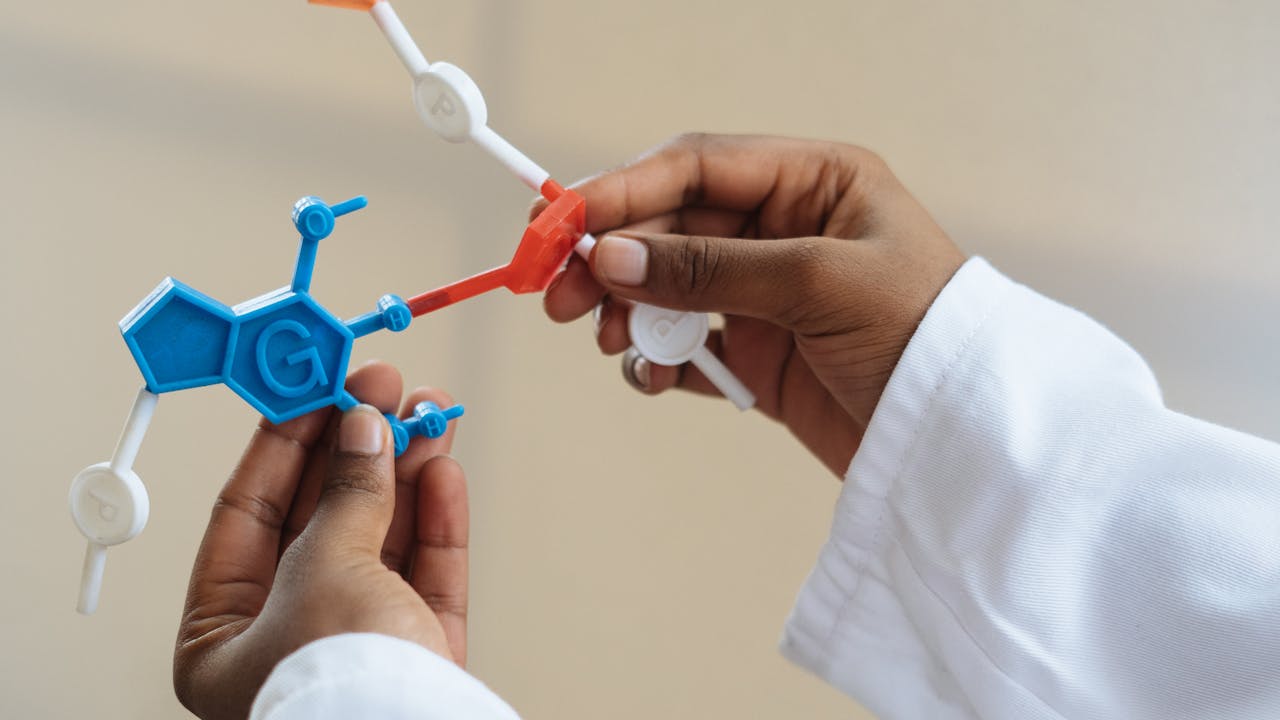
Methylene blue (methylthioninium chloride, chemical formula C16H18ClN3S) is a phenothiazine dye that exists in oxidized (blue) and reduced (colorless, "leuco") forms. It cycles between these states continuously in biological systems, and that redox cycling is the basis for most of its effects.
Mitochondrial electron carrier and ATP booster
The mitochondrial mechanism is the most important for understanding chronic Lyme applications.
Your mitochondria produce energy (ATP) through the electron transport chain (ETC), a series of protein complexes (I through IV) that shuttle electrons and pump protons to drive ATP synthesis. When complexes I or III are damaged or inhibited, electron flow stalls, ROS (reactive oxygen species) accumulate, and ATP production drops.
Methylene blue acts as an alternative electron carrier. It accepts electrons from NADH at Complex I, converts to leucomethylene blue, then donates those electrons directly to cytochrome c, effectively bypassing Complexes I and III entirely. Research published in PMC by Bhurtel et al. (2018, "From Mitochondrial Function to Neuroprotection: An Emerging Role for Methylene Blue") confirmed this bypass mechanism and found that methylene blue increases Complex IV activity, promotes oxygen consumption, and boosts ATP production even when the normal ETC pathway is damaged.
The practical implication: at low doses, methylene blue can restore mitochondrial function in cells whose normal electron transport has been compromised by oxidative damage, infection, or inflammation. Chronic Lyme disease is strongly associated with mitochondrial dysfunction. The fatigue, brain fog, and exercise intolerance that characterize PTLDS look a lot like what you'd expect from impaired ATP production.
ROS reduction and antioxidant effects
By rerouting electrons away from the leaky points in the ETC (Complexes I and III are where most mitochondrial ROS is generated), methylene blue significantly reduces oxidative stress. It also activates the Nrf2/ARE signaling pathway, upregulating the body's internal antioxidant enzymes including superoxide dismutase and catalase.
Chronic Lyme disease involves substantial oxidative stress. The immune response to persistent infection generates free radicals continuously. Mitochondria under metabolic stress generate more ROS than healthy ones. Methylene blue addresses both the production and the downstream damage.
MAO-A inhibition and neurotransmitter effects
Methylene blue is a potent inhibitor of monoamine oxidase A (MAO-A), the enzyme that breaks down serotonin, dopamine, and norepinephrine. A study published in PMC (Ramsay et al., 2007, "Methylene blue and serotonin toxicity: inhibition of monoamine oxidase A confirms a theoretical prediction") confirmed this mechanism directly.
By inhibiting MAO-A, methylene blue raises levels of these neurotransmitters in the brain. This is relevant to the depression, anxiety, and cognitive symptoms common in chronic Lyme. It's also a significant drug interaction risk (more on that in the safety section).
It also inhibits acetylcholinesterase, the enzyme that breaks down acetylcholine. Higher acetylcholine levels improve memory consolidation and cognitive function. The cholinesterase inhibition may directly contribute to the improvements in brain fog and memory that Lyme patients report.
Nitric oxide synthase inhibition
Methylene blue inhibits nitric oxide synthase (NOS) and guanylyl cyclase. This has two effects. First, it reduces nitric oxide-mediated vasodilation (which matters for POTS and autonomic symptoms common in Lyme). Second, it reduces neuroinflammation, since nitric oxide in excess contributes to inflammatory signaling in the brain.
Blood-brain barrier penetration
One of methylene blue's most important properties for Lyme disease is that it crosses the blood-brain barrier readily. Brain tissue concentration reaches up to ten times serum concentration within one hour of IV administration. This matters because Lyme neuroborreliosis and the neurological complications of chronic Lyme involve the central nervous system directly, and many compounds can't reach it.
Antimicrobial mechanism
Methylene blue kills bacteria through multiple mechanisms. It generates reactive oxygen species (both singlet oxygen via Type II photodynamic mechanisms and superoxide/hydroxyl radicals via Type I mechanisms) that cause oxidative damage to bacterial membranes, proteins, and DNA. It intercalates into DNA, disrupting replication and transcription. It interferes with bacterial electron transport chains, depleting ATP.
Crucially, these mechanisms work on dormant bacteria as well as actively growing ones. Standard antibiotics target growth-phase processes. Methylene blue's ROS generation and DNA intercalation don't require a bacteria to be growing. This is the foundation of its potential against persister cells. For a practical overview of methylene blue dosage and what concentrations are used clinically, see our dosage guide. The Dr. Scott Sherr methylene blue guide covers how these mechanisms inform modern clinical dosing strategies.
What the research actually shows for Lyme disease
Let's be specific about what the evidence is, where it comes from, and what it actually demonstrates.
The Johns Hopkins FDA drug library screen (2015)
The most-cited evidence in methylene blue and Lyme disease discussions comes from a research group at Johns Hopkins, led by Dr. Ying Zhang, that systematically screened an FDA-approved drug library against stationary phase Borrelia burgdorferi cultures.
The first study (published in Emerging Microbes and Infections, 2014, "Identification of novel activity against Borrelia burgdorferi persisters using an FDA approved drug library") identified 27 top hits. A follow-up study ("Identification of Additional Anti-Persister Activity against Borrelia burgdorferi from an FDA Drug Library," published in Antibiotics, 2015, PMC4790293) screened additional compounds and identified methylene blue among the agents with high activity against stationary phase B. burgdorferi.
What the study found specifically: Methylene blue reduced residual viable B. burgdorferi cells to approximately 40% of initial population after treatment, compared to 93% in untreated controls and 75% for doxycycline. The SYBR Green fluorescence assay showed an "over range" result due to methylene blue's own staining properties (it absorbs in the same wavelength range), but epifluorescence microscopy confirmed genuine anti-persister activity. The mechanism is consistent with ROS-mediated damage and does not depend on bacterial growth phase.
The context: The researchers identified 165 FDA-approved drugs with better activity against Lyme persisters than doxycycline and amoxicillin. Methylene blue was among the most active. Daptomycin showed the highest activity overall. The paper explicitly states that agents affecting cell membranes, energy production, and ROS production are generally more active against persisters than conventional antibiotics, which is exactly how methylene blue works.
Important limitation: This is in vitro research. The cells are in a lab dish, not a living organism. In vitro activity does not automatically translate to clinical efficacy. No human or animal trials have tested methylene blue specifically for Lyme disease. For practical context on how these findings inform dosing, see how much methylene blue to take daily and the pharmaceutical grade methylene blue capsules guide for sourcing considerations.
Bartonella research: stronger evidence for co-infections
A critical detail: much of the strongest recent research on methylene blue and tick-borne infections actually involves Bartonella henselae rather than Borrelia burgdorferi. Bartonella is a common co-infection in Lyme disease patients (transmitted by the same ticks), and the mechanistic similarities matter.
A 2020 study published in BMC Microbiology (Zheng et al., "Effect of different drugs and drug combinations on killing stationary phase and biofilms recovered cells of Bartonella henselae in vitro") is the most directly relevant piece of research for practitioners using methylene blue in Lyme clinics.
What the Bartonella study found: The researchers tested methylene blue alone and in combination against both stationary phase and biofilm-derived B. henselae cells. The results were striking.
Against stationary phase bacteria, methylene blue reduced viable cell populations to approximately 25% of controls, outperforming rifampin and most standard antibiotics in dormant-phase killing.
Against biofilms, four two-drug combinations completely eradicated the biofilm Bartonella within six days of treatment: azithromycin/methylene blue, rifampin/methylene blue, azithromycin/ciprofloxacin, and rifampin/ciprofloxacin. The azithromycin/methylene blue and rifampin/methylene blue combinations also eliminated stationary phase cells within 24 hours.
Why this matters for Lyme patients: Most patients with chronic Lyme disease have Bartonella co-infection, and their symptoms often overlap substantially. If methylene blue addresses Bartonella persisters and biofilms more effectively than antibiotics, that's a meaningful clinical finding, even if the Borrelia data is less complete. For patients building a comprehensive protocol, WinAging's tools help you organize and check supplement combinations systematically.

Richard Horowitz and the dapsone combination protocols
Dr. Richard Horowitz, one of the most prominent Lyme-specialized physicians in the US, has incorporated methylene blue into his treatment protocols. His dapsone combination therapy protocol uses methylene blue at 50 mg alongside dapsone, rifampin, and doxycycline.
A retrospective chart review of his double-dapsone combination therapy found tick-borne symptom improvements in 98% of patients, with 45% remaining in remission for one year or longer after treatment. A follow-up case series reported that roughly 33% of patients went into long-term remission after high-dose pulsed therapy including methylene blue.
These are retrospective clinical observations, not randomized controlled trials. The combination protocols involve multiple agents simultaneously, making it impossible to attribute outcomes specifically to methylene blue. But the clinical signals are consistent with what the in vitro research predicts.
Photo-inactivation: methylene blue plus red light
Here's where the research gets particularly interesting.
Methylene blue is a photosensitizer. Its peak absorption occurs around 660 nm, which corresponds to red light. When methylene blue is activated by red light, its ROS generation is dramatically amplified through the Type II photodynamic mechanism, converting ground-state oxygen to singlet oxygen with high efficiency. This is the basis of photodynamic inactivation (PDI), a well-established antimicrobial technique.
A 2015 study published in Antimicrobial Agents and Chemotherapy ("Bacterial Photodynamic Inactivation Mediated by Methylene Blue and Red Light Is Enhanced by Synergistic Effect of Potassium Iodide") demonstrated significant enhancement of methylene blue's antimicrobial activity against both gram-positive and gram-negative bacteria when combined with red light and potassium iodide. The addition of potassium iodide creates iodine species from the ROS generated, further amplifying microbicidal activity.
Some clinics now combine IV methylene blue with ultraviolet blood irradiation (UBI), where blood is passed through a chamber exposed to light as the methylene blue-containing IV runs. The theoretical premise is sound: activating methylene blue photodynamically would significantly amplify its antimicrobial effects in the bloodstream.
There are no published clinical trials on this combination for Lyme disease specifically. But the photodynamic mechanism of methylene blue is well-established in the broader microbiology literature, and practitioners using it report clinical observations consistent with the theoretical benefit. Our dedicated guide on methylene blue red light therapy covers the protocols and evidence in detail.
How methylene blue addresses chronic Lyme symptoms
Even setting aside the direct antimicrobial evidence, methylene blue has pharmacological properties that address several of the most debilitating chronic Lyme symptoms directly.

Brain fog and cognitive impairment
Brain fog is perhaps the most universally reported symptom among chronic Lyme patients and one of the hardest to treat. Standard antibiotics don't cross the blood-brain barrier well. Antibiotic treatment doesn't directly address neuroinflammation.
Methylene blue does.
It crosses the blood-brain barrier, reaching brain tissue at concentrations 10 times higher than blood levels. A double-blinded, randomized, placebo-controlled clinical trial published in PMC (Wrubel et al., 2007, "Methylene blue modulates functional connectivity in the human brain") found a 7% increase in memory retrieval and improved response in brain regions associated with short-term memory and attention after a single low dose in healthy adults.
An fMRI study (Bhurtel et al., 2016) found that a single low dose of methylene blue modulates functional MRI activity during sustained attention and working memory tasks.
The mechanisms: mitochondrial ATP restoration improves neuronal energy supply (a primary driver of brain fog), MAO-A inhibition raises serotonin and dopamine in the prefrontal cortex, cholinesterase inhibition elevates acetylcholine for memory consolidation, and anti-inflammatory effects reduce the neuroinflammation that impairs cognition directly. For patients stacking cognitive support compounds alongside methylene blue, glycine offers complementary neuroprotective and mitochondrial benefits. Use WinAging's tools to track biological age markers and cognitive function over time.
Dr. Erica Lehman, an integrative physician and tick-borne disease specialist, has reported significant improvements in fatigue, depression, brain fog, and anxiety among her chronic Lyme patients treated with methylene blue. These are clinical observations, not trial data, but they're consistent with the known pharmacology.
Fatigue and mitochondrial dysfunction
The debilitating fatigue of chronic Lyme is not normal tiredness. It doesn't improve with rest. It's driven by mitochondrial dysfunction: cells that cannot produce adequate ATP regardless of how much sleep or nutrition they receive.
The research on methylene blue and mitochondrial function is robust. By bypassing damaged complexes I and III, methylene blue restores electron flow and ATP production in compromised mitochondria. This is the mechanism behind its investigation for conditions like traumatic brain injury, Parkinson's disease, Alzheimer's disease, and stroke recovery.
Chronic Lyme patients often show markers of mitochondrial dysfunction including elevated lactate-to-pyruvate ratios, reduced ATP production on biopsy, and structural mitochondrial abnormalities. The same mechanism that makes methylene blue useful in neurodegeneration applies here. Compounds like taurine and glycine also support mitochondrial function and are commonly used alongside methylene blue in integrative Lyme protocols.
Depression and anxiety
Major depression and anxiety disorders are highly prevalent in chronic Lyme disease, occurring in rates far above the general population. Some of this is reactive (living with a chronic, debilitating, and often disbelieved condition). But there are direct biological mechanisms too: neuroinflammation, neurotransmitter dysregulation, and the direct effect of Borrelia toxins on brain tissue.
Methylene blue's MAO-A inhibition provides antidepressant and anxiolytic effects through the same mechanism as conventional antidepressants, by preventing breakdown of serotonin, dopamine, and norepinephrine. Historically, methylene blue was investigated as an antidepressant in the 1970s and showed efficacy in small trials, though pharmaceutical development was abandoned because there was no patent opportunity.
Neurological symptoms
Lyme neuroborreliosis produces peripheral neuropathy (burning, tingling, numbness), autonomic dysfunction, and in more severe cases, encephalopathy. The neuroinflammatory component involves microglial activation and cytokine production that methylene blue's anti-inflammatory mechanisms can modulate.
Its inhibition of nitric oxide synthase reduces excessive NO production, which contributes to neuroinflammation and, in the context of dysautonomia (common in Lyme), vasoregulatory dysfunction.
Who is using methylene blue for Lyme and how
Dr. Marty Ross, MD
Dr. Marty Ross, a Lyme-specialized physician in Seattle, uses methylene blue as part of his persister-targeting protocol. His standard recommendation is 50 mg twice daily from a compounding pharmacy, used specifically to address the stationary phase and biofilm forms of Borrelia and Bartonella. He emphasizes the need to screen for G6PD deficiency before starting (more on this below) and uses it as part of combination approaches rather than monotherapy.
Dr. Scott Sherr, MD
Dr. Scott Sherr, an integrative physician and one of the prominent voices on methylene blue in the functional medicine community, takes a more nuanced dosing approach. For chronic infections including Lyme, he typically targets 1 mg/kg. For Bartonella specifically, he recommends starting at 8 mg and titrating up every five to seven days, with some patients going to 50 mg twice daily or even higher. He emphasizes that methylene blue should function as a synergistic treatment alongside other antimicrobial and supportive interventions, not as a standalone. His view is that the antimicrobial, mitochondrial, and neuroprotective effects work together to address the multi-system nature of chronic tick-borne illness.
WinAging covers Dr. Sherr's complete methylene blue protocol in the dedicated guide on dr scott sherr methylene blue. His work on dosing, forms, and safety represents the most detailed publicly available framework from a clinician who uses it regularly.
Dr. Richard Horowitz, MD
Horowitz incorporates 50 mg methylene blue as part of his combination dapsone protocol for chronic Lyme and associated co-infections. His retrospective data (published in MDPI Antibiotics and Microorganisms) provides the largest available clinical dataset on combination approaches including methylene blue, though again, isolating methylene blue's specific contribution is not possible from these designs.
Forms of methylene blue for Lyme disease
Understanding the different delivery forms matters because they have different characteristics and appropriate uses.
Oral capsules and powder (most common)
This is the standard form used by most practitioners for chronic Lyme treatment. Methylene blue powder is compounded into capsules by compounding pharmacies, typically at 50 mg per capsule. The GI absorption of methylene blue is efficient, and it crosses into the bloodstream and brain readily from oral administration. Half-life is approximately five to six hours, which supports twice-daily dosing.
The blue color causes characteristic staining: urine will turn blue or green, and teeth and mouth can discolor temporarily. This is harmless but startling if you're not expecting it.
Oral methylene blue costs approximately $250-300 per month for liposomal preparations from compounding pharmacies. Standard capsule preparations are considerably cheaper. For a comparison of available products, best methylene blue capsules covers the top compounding and commercial options.
Troches (sublingual lozenges)
Methylene blue troches dissolve under the tongue for buccal absorption, which bypasses first-pass liver metabolism and may achieve more consistent blood levels. Some practitioners prefer troches for patients with GI sensitivity or absorption concerns. The dose control with troches can be finer-grained than with standard capsules, which matters when titrating carefully.
Methylene blue tablets are also available from certain sources and function similarly to capsules for standard oral administration. Pharmaceutical grade methylene blue capsules from compounding pharmacies are the preferred source for clinical use, as purity matters.
IV methylene blue
Intravenous administration delivers methylene blue directly into the bloodstream, achieving higher peak concentrations faster than oral administration and achieving those very high brain concentrations (up to 10 times serum levels) within an hour. IV is used in some integrative clinics for more aggressive treatment of severe or refractory cases.
The IV route is also what's used when combining with ultraviolet blood irradiation (UBI) or similar light-activation approaches. The blood circulates through a light chamber during the infusion, theoretically activating the photodynamic antimicrobial properties.
IV methylene blue carries higher risk than oral, both in terms of potential for serotonin syndrome at therapeutic doses and the general risks of IV administration. This should only be administered under direct medical supervision with appropriate monitoring.
Liquid drops
Methylene blue in liquid form allows precise dose titration, which is particularly useful for sensitive patients who need to start very low and increase slowly. Some practitioners start at just a few milligrams, well below the 50 mg standard oral dose, to assess tolerance before escalating.
Quality and sourcing
USP grade methylene blue is the standard for human consumption. USP grade means the product meets United States Pharmacopeia purity standards, with heavy metal contamination and other impurities controlled to safe limits. Reagent-grade methylene blue (sold for laboratory use) may contain heavy metals and other contaminants at levels unsafe for human consumption. This distinction matters more than most supplement quality considerations because the contamination risk is real and significant. Established sources include Mitozen and Compass Laboratory, two of the most clinically referenced compounding suppliers for methylene blue.
WinAging's supplement interaction checker can help you assess how methylene blue interacts with other compounds in your current stack, which is particularly important given the drug interaction concerns below.
Dosing for Lyme disease: what practitioners use

There are no established clinical trial-derived dosing protocols for methylene blue in Lyme disease. What follows is drawn from practitioner protocols and the available in vitro research.
Standard oral protocol
The most commonly reported dose for chronic Lyme and Bartonella is 50 mg twice daily from a compounding pharmacy. This is the dose used by Dr. Marty Ross, consistent with what Dr. Richard Horowitz uses in his combination protocols.
Some practitioners start lower, at 25 mg twice daily or even 10 mg twice daily, to assess tolerance and watch for any interactions before escalating to the 50 mg twice daily target.
Dr. Sherr's weight-based protocol
Dr. Scott Sherr uses a weight-based approach targeting 1 mg/kg for chronic infections. For a 75 kg person, that's 75 mg per day, which might be split into 37.5 mg twice daily or 25 mg three times daily, depending on the practitioner's preference and patient response.
For more acute or aggressive infection presentations, he reports using up to 2 mg/kg for shorter durations before stepping down.
The critical ceiling: 2 mg/kg
This is important. At doses below 2 mg/kg, methylene blue is generally considered safe in people without G6PD deficiency and who are not on serotonergic medications. Above 7 mg/kg, significant toxicity emerges. The FDA's prescribing information for intravenous methylene blue (approved for methemoglobinemia) uses doses of 1-2 mg/kg. The serotonin syndrome risk increases meaningfully at higher doses, particularly with IV administration.
For a 75 kg person, 2 mg/kg equals 150 mg total daily. Most Lyme protocols target well below this ceiling.
Starting low and titrating up
Because individual sensitivity varies considerably, and because the serotonin syndrome risk is real (and hard to predict without a complete medication review), most careful practitioners start at a lower dose and titrate up every five to seven days. This allows identification of any adverse reactions before reaching therapeutic doses.
Safety: what you need to know before considering methylene blue for Lyme
This is the section that matters most if you're a Lyme patient considering methylene blue. The safety profile is manageable, but there are real risks that require attention.
G6PD deficiency: absolute contraindication
This is the most important safety screening point.
Glucose-6-phosphate dehydrogenase (G6PD) deficiency is a genetic enzyme deficiency affecting approximately 400 million people worldwide and roughly 5% of the general population, with higher rates in people of African, Mediterranean, and Southeast Asian ancestry.
G6PD is required to generate NADPH in red blood cells. NADPH is what allows red blood cells to reduce oxidized methylene blue back to leucomethylene blue. Without this reduction cycle working properly, methylene blue accumulates in its oxidized form and causes severe hemolytic anemia, the rupture of red blood cells.
G6PD deficiency is an absolute contraindication for methylene blue. Get a G6PD blood test before starting. It's a simple, inexpensive test that any doctor can order. Don't skip this step.
Serotonin syndrome: the critical drug interaction
Methylene blue is a potent MAO-A inhibitor. MAO-A inhibitors combined with serotonergic drugs can cause serotonin syndrome, a potentially life-threatening condition involving hyperthermia, agitation, delirium, rapid heart rate, and seizures.
The FDA issued a safety communication specifically about this interaction: methylene blue should not be used by patients taking SSRIs (like fluoxetine, sertraline, escitalopram), SNRIs (like venlafaxine, duloxetine), tricyclic antidepressants, lithium, or other serotonergic agents.
This is particularly relevant for Lyme patients because depression and anxiety are so prevalent in this population, and many are already on antidepressants.
The serotonin syndrome risk is dose-dependent. It's much more likely at IV doses (5 mg/kg) than at low oral doses (1-2 mg/kg), but the interaction risk exists across the dose range. Oral methylene blue at typical Lyme doses doesn't have the same risk profile as IV methylene blue in surgical settings (where most reported cases occurred), but caution and a complete medication review are non-negotiable.
Use WinAging's supplement interaction checker to flag potential interactions, but this tool doesn't replace a clinical pharmacology review for drugs with this severity of interaction potential.
Interactions with Lyme antibiotics
The common antibiotics used for Lyme disease don't appear to have significant pharmacokinetic interactions with methylene blue, but there are points worth understanding.
Rifampin is a potent inducer of cytochrome P450 enzymes and can significantly reduce plasma levels of many drugs. The interaction with methylene blue specifically hasn't been well-characterized, but practitioners using both together (as in the dapsone protocols) haven't reported obvious problems at standard doses.
Doxycycline doesn't have significant P450 interactions and is generally considered safe to combine with methylene blue in terms of direct drug-drug interactions. The concern with any combination is additive serotonergic or cardiac effects, which require individual assessment.
Metronidazole has some concern for potentiating adverse effects and should be discussed with your prescribing physician.
Kidney and liver considerations
In people with impaired kidney function, methylene blue may accumulate longer and cause more prolonged effects. Standard precaution is dose reduction or avoidance in significant renal impairment. Liver impairment similarly slows metabolism. Baseline kidney and liver function should be checked before starting.
Pregnancy and breastfeeding
Methylene blue is contraindicated in pregnancy. IV methylene blue administered during pregnancy (historically used for amniocentesis) has been associated with intestinal atresia in offspring. Oral methylene blue at lower doses hasn't been studied in pregnancy, but avoidance is the appropriate approach.
The Jarisch-Herxheimer reaction
Some Lyme patients on antimicrobial therapy experience Herxheimer reactions: temporary worsening of symptoms as bacteria are killed and release endotoxins. These include increased fatigue, flu-like symptoms, headache, and intensified neurological symptoms. The duration is typically 24-72 hours.
Practitioners report that some patients experience Herxheimer-like reactions when starting methylene blue, consistent with antimicrobial activity. This isn't confirmation of efficacy on its own, but it's a clinical observation worth knowing about. If you experience significant symptom worsening after starting methylene blue, that warrants communication with your prescribing physician rather than automatic discontinuation.
Common, non-serious side effects
Expect blue urine. This is universal and harmless, just methylene blue being excreted. Stool can also turn blue or green. Temporary tooth and mouth staining can occur, which resolves. Headache, mild nausea, and dizziness have been reported particularly at higher doses. See how much methylene blue to take daily for dose-specific side effect profiles across the dosage range.
What practitioners observe vs. what the research shows
Let's be direct about the state of the evidence.
What the research actually shows:
In vitro (laboratory), methylene blue kills stationary phase Borrelia burgdorferi more effectively than standard antibiotics in the Johns Hopkins drug screening study. In vitro, methylene blue in combination with azithromycin or rifampin completely eradicates stationary phase and biofilm Bartonella henselae. Mechanistically, the reasons this might work in a living person are well-established: ROS generation, DNA intercalation, and mitochondrial disruption don't require growing bacteria.
The cognitive and mitochondrial effects have human trial support, not in Lyme patients specifically, but in healthy adults and neurological patients. A 7% improvement in memory retrieval, improved working memory on fMRI, and neuroprotective effects in animal models of Alzheimer's, Parkinson's, and traumatic brain injury all support the neurological mechanisms.
What is practitioner-observed and anecdotal:
Clinical improvements in fatigue, brain fog, depression, and neurological symptoms in chronic Lyme patients treated with methylene blue. These observations come from physicians like Horowitz, Ross, Lehman, and Sherr, who treat this population regularly. Their clinical experience is meaningful, but it's not randomized trial evidence.
The combination protocol data from Horowitz's retrospective series shows high rates of symptom improvement (98% of patients), but the multi-drug design prevents attributing specific outcomes to methylene blue.
What remains genuinely uncertain:
Whether in vitro activity against Borrelia persister cells translates to clinical benefit in humans. Whether oral dosing achieves tissue concentrations sufficient to eradicate persister cells in vivo. The optimal dose, duration, and combination for Lyme-specific applications. Long-term safety data for extended oral use (most safety data comes from IV use in acute medical settings).
The bottom line on evidence quality:
Methylene blue for Lyme disease is a rational hypothesis with meaningful supportive in vitro evidence and consistent clinical observations. It does not have randomized clinical trial support for this specific indication. In the framework of integrative medicine for a condition where standard treatment often fails, those thresholds mean different things to different people. If you're a patient who has completed standard antibiotic courses and continues to suffer, "promising in vitro evidence plus practitioner clinical experience" looks different than it does to an academic reviewing the literature for a clinical guideline.
Who might benefit most
Based on the available evidence and mechanistic rationale, certain patient profiles appear more likely to benefit from methylene blue as part of a broader Lyme treatment approach.
Patients with ongoing cognitive symptoms (brain fog, memory problems, concentration difficulties) may benefit from the neuroprotective and neurotransmitter-modulating effects independent of any direct antimicrobial benefit. These mechanisms are well-supported and don't depend on the still-uncertain persister-killing efficacy. The methylene blue dosage dropper format allows sensitive patients to titrate very carefully, starting as low as 1-5 mg per day.
Patients with marked fatigue and suspected mitochondrial dysfunction benefit from the ETC bypass and ATP restoration mechanisms. If standard bloodwork suggests mitochondrial involvement (elevated lactate, low functional testing), this rationale is stronger. Track your biological function over time with WinAging's biological age calculator to see objective changes as treatment progresses.
Patients with confirmed Bartonella co-infection have the strongest in vitro evidence base specifically. The 2020 BMC Microbiology study on Bartonella biofilms is more detailed and consistent than the Borrelia persister data, and combination protocols including methylene blue showed complete eradication in the laboratory setting.
Patients who have completed multiple antibiotic courses without adequate improvement and who are working with a Lyme-literate physician open to integrative approaches. Methylene blue is not a first-line treatment. It's a consideration for refractory or persistent cases.
What it's not: methylene blue is not a substitute for standard Lyme disease treatment. Acute Lyme caught early responds well to doxycycline, and there's no reason to reach for methylene blue when standard treatment is likely to work. It's also not a solo treatment for chronic Lyme: the practitioners seeing the best results are using it as part of combination approaches that address the multiple facets of persistent infection simultaneously.
Building a methylene blue protocol for Lyme disease
If you're working with a physician who is considering methylene blue as part of your Lyme treatment, here's the framework of what a thoughtful protocol looks like based on current practitioner approaches.
Before starting:
Get G6PD enzyme activity tested. This is non-negotiable. Review all current medications with a physician or pharmacist specifically for serotonin syndrome risk. Check kidney and liver function. Establish baseline cognitive and fatigue scores to track response objectively. Use WinAging's supplement interaction checker to screen your current regimen, then bring the output to your prescribing physician.
Starting protocol:
Most practitioners start at 25-50 mg daily (often 25 mg twice daily or 50 mg once daily) and assess for one to two weeks before adjusting. Some start even lower (10 mg or less) for highly sensitive patients.
Titration:
If initial dose is tolerated, increase by 25-50 mg every five to seven days toward a target of 50-100 mg twice daily, depending on weight and response. Watch for any signs of serotonin syndrome (agitation, confusion, elevated temperature, heart rate changes) at each step.
Combination context:
Methylene blue is used alongside, not instead of, other treatment modalities. In the Horowitz protocol, it combines with dapsone, rifampin, and doxycycline. In the Marty Ross protocol, it's part of a broader persister-targeting approach that may include herbal antimicrobials, biofilm disruptors (like NAC, lumbrokinase, or serrapeptase), and mitochondrial support compounds like taurine and glycine. Check your full stack with the supplement interaction checker before combining compounds.
Assessment timeline:
Clinical responses in functional medicine settings are assessed at 4-8 week intervals. Cognitive improvements from the neuroprotective mechanisms may be noticed earlier (some patients report changes within one to two weeks). Antimicrobial benefits, if they occur, may take longer and may involve Herxheimer-like reactions in the interim.
Monitoring:
Follow-up G6PD and CBC (complete blood count) to watch for hemolytic anemia. Liver and kidney function tests at regular intervals during treatment. Ongoing medication reconciliation as treatment regimens change.
You can use WinAging's biological age calculator to track functional aging biomarkers over time as you work through a treatment protocol, giving you objective data points alongside symptom tracking.
Why Lyme patients are turning to methylene blue
The direct answer is that standard treatment fails a significant minority, and the mainstream medical establishment hasn't produced better answers for them.
The IDSA doesn't recommend extended antibiotic treatment for PTLDS. The evidence they cite is real: multiple randomized trials of prolonged IV antibiotics showed no durable benefit and significant risk of catheter-related infections and adverse drug reactions. Their position makes sense from a traditional evidence-based perspective.
But for the patient who is still severely debilitated two years after treatment, that evidence-based position isn't an answer. It's a closed door. Lyme-literate physicians and integrative practitioners exist because that door gets closed in front of real people with real symptoms.
Methylene blue appeals to these patients and their physicians for several reasons that aren't primarily wishful thinking. The Johns Hopkins research is from a legitimate, well-funded academic center with rigorous methodology. The Bartonella biofilm research is peer-reviewed and specific. The mechanistic rationale for the neurological and mitochondrial benefits is solid. And the compound has 150 years of human use history, so while the Lyme-specific application is new, the basic safety profile is not.
It's also not expensive, not proprietary, and not patentable. A two-month supply of compounded oral methylene blue costs less than a single round of IV antibiotics. That accessibility matters to patients who have spent years and substantial money pursuing treatments. WinAging's blog covers the full range of forms, from methylene blue powder to troches to capsules, so you can find what fits your protocol and budget.
The honest position is that methylene blue for chronic Lyme is a rational, mechanistically coherent approach with meaningful in vitro evidence and consistent clinical observations, but without the randomized trial evidence that would make it standard of care. That's a lower bar than most people want for their medical decisions. But for patients with limited options and ongoing illness, it's a bar that has to be weighed against the alternative of doing nothing.
Frequently asked questions
Does methylene blue kill Borrelia burgdorferi?
In laboratory studies, yes. Researchers at Johns Hopkins found methylene blue reduced viable stationary phase B. burgdorferi cells more effectively than standard antibiotics like doxycycline. Whether this in vitro activity translates to clinical benefit in living humans hasn't been tested in controlled trials. The in vitro data is meaningful but not the same as clinical evidence.
Can methylene blue be taken with doxycycline?
Doxycycline doesn't have significant direct pharmacokinetic interactions with methylene blue, and practitioners like Dr. Horowitz use both together in his combination protocols. The primary concerns with methylene blue are serotonin syndrome (with antidepressants, not antibiotics) and G6PD deficiency, not interactions with standard Lyme antibiotics. Discuss any combination with your prescribing physician. You can also use WinAging's supplement interaction checker to flag potential concerns with your current stack.
What is the recommended dose of methylene blue for Lyme disease?
The most commonly reported dose among Lyme-specialized practitioners is 50 mg twice daily from a compounding pharmacy. Some practitioners use weight-based dosing (1 mg/kg per day), which for a 70 kg person would be 70 mg daily. There are no established clinical trial-derived dosing guidelines for this indication. Starting lower (10-25 mg daily) and titrating up is a prudent approach. See how much methylene blue to take daily for a more complete dosing breakdown.
Is methylene blue safe with antidepressants?
No. This is one of the most important safety points. Methylene blue inhibits MAO-A and can cause serotonin syndrome when combined with SSRIs, SNRIs, tricyclic antidepressants, or other serotonergic drugs. This is a serious, potentially life-threatening interaction. Anyone on antidepressants should not take methylene blue without careful specialist guidance, and in most cases should avoid it entirely. The FDA has issued safety communications specifically on this interaction. Run your medications through the supplement interaction checker as a first screening step before talking to your physician.
Does methylene blue work for Bartonella co-infections?
The in vitro evidence for Bartonella is actually stronger than for Borrelia specifically. A 2020 peer-reviewed study in BMC Microbiology demonstrated that methylene blue combined with azithromycin or rifampin completely eradicated both stationary phase and biofilm-derived Bartonella henselae in vitro. Practitioners treating chronic Lyme with co-infections report clinical improvements with methylene blue-containing protocols. This is one of the more compelling aspects of the methylene blue case for tick-borne disease.
Can you do red light therapy with methylene blue for Lyme?
Methylene blue is a photosensitizer with peak absorption around 660 nm (red light). When activated by red light, its ROS generation is amplified through photodynamic mechanisms, potentially enhancing antimicrobial activity. Some clinics combine methylene blue with UV blood irradiation or red light therapy. The photodynamic mechanism is scientifically established; whether it translates to meaningful clinical benefit in Lyme disease specifically is unknown. Methylene blue red light therapy covers the combined approach in more detail.
Do I need to test for G6PD deficiency first?
Yes. G6PD deficiency is an absolute contraindication for methylene blue, affecting about 5% of the population. People with this genetic condition who take methylene blue are at risk for severe hemolytic anemia. A simple G6PD enzyme activity blood test should be done before starting. This test is widely available and inexpensive. Do not skip it. Make sure you're also sourcing USP grade methylene blue rather than reagent grade, which introduces separate safety concerns.
How long does it take for methylene blue to work for Lyme?
Clinical timelines vary. Practitioners report that cognitive and energy improvements from the mitochondrial and neuroprotective effects may begin within one to four weeks for some patients. Antimicrobial benefits, if they occur, likely take longer and may involve a Herxheimer-like worsening phase before improvement. Most clinical assessments in Lyme treatment are done at four to eight week intervals. There's no clinical trial data to give a precise answer. Track your progress objectively using WinAging's biological age calculator.
Not sure where to start? WinAging's AI protocol builder creates a personalized longevity plan based on your goals, age, and experience level.
Related guides
- Methylene blue red light therapy
- Dr. Scott Sherr methylene blue protocol
- Methylene blue dosage: how much to take daily
- Methylene blue troches vs. capsules
- Supplement interaction checker
Sources
- Identification of Additional Anti-Persister Activity against Borrelia burgdorferi from an FDA Drug Library - PMC
- Effect of different drugs and drug combinations on killing stationary phase and biofilms recovered cells of Bartonella henselae in vitro - BMC Microbiology
- From Mitochondrial Function to Neuroprotection: An Emerging Role for Methylene Blue - PMC
Standard treatment works for most Lyme patients. But not all of them. For those living with persistent symptoms after treatment, the search for answers leads to compounds like methylene blue: not because the evidence is definitive, but because it's coherent, the safety profile is manageable when screened properly, and the mechanistic rationale addresses the specific biology of what standard antibiotics miss.
The decision to use methylene blue for Lyme disease is one that belongs with a qualified physician who understands both the evidence and your specific situation. What this guide gives you is the foundation to have that conversation informed by what the research actually shows, not what either side of the Lyme controversy wants it to say.
Explore WinAging's free tools to track your biological age markers and supplement interactions as you work through any longevity or chronic disease protocol.