Methylene blue and red light therapy: the complete guide
How methylene blue and red light therapy work together to boost ATP production, protect neurons, and slow cellular aging. Mechanisms, protocols, dosing, and safety.
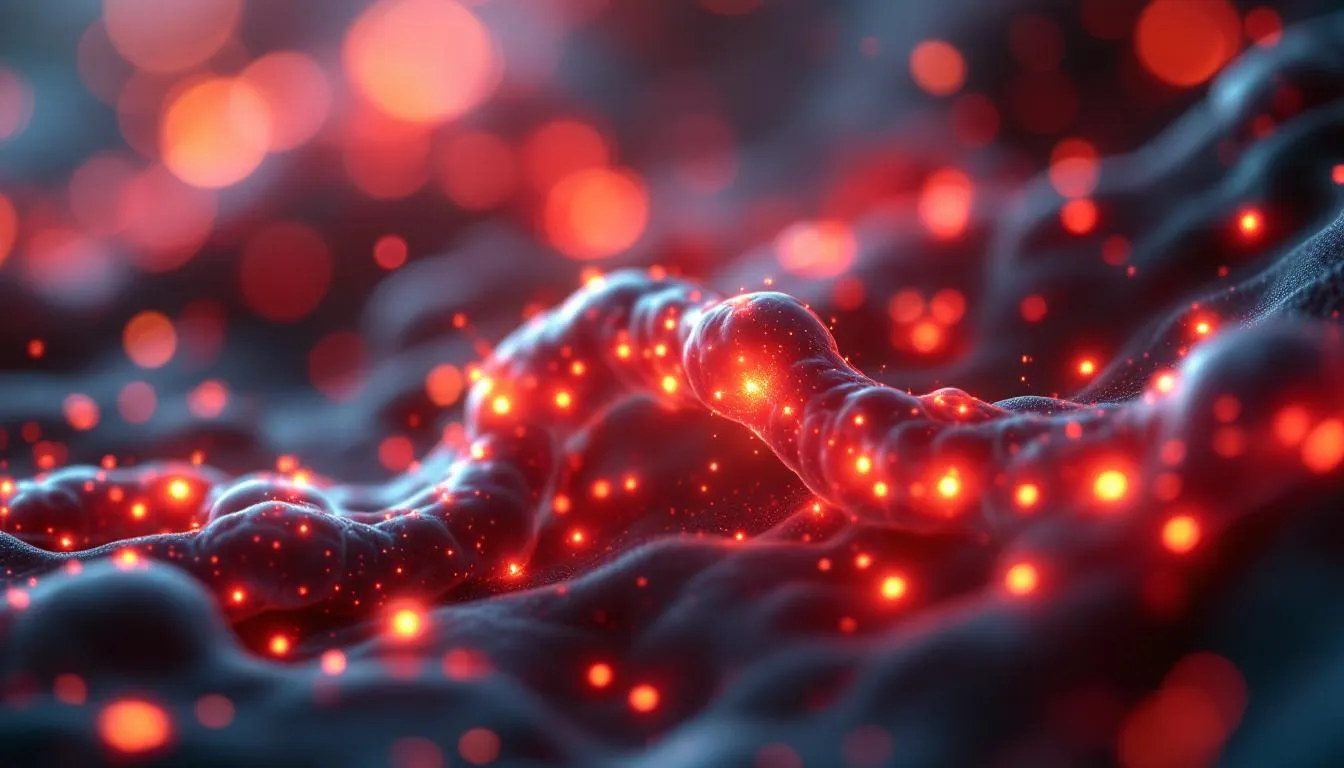
Two of the most talked-about tools in the modern longevity toolkit are methylene blue and red light therapy. Separately, each has a real body of science behind it. Together, they share something unusual: the same cellular target. Both work primarily through mitochondria, and more specifically through cytochrome c oxidase, the terminal enzyme of the electron transport chain. That's not a coincidence. It's the basis of why serious biohackers are stacking them.
This guide covers the mechanisms in depth, what the actual research says about combining them, how to use them together safely, and where the real benefits are versus where the hype outstrips the data. You'll also find specific dosing protocols, wavelength guidance, and the safety considerations that most content on this topic glosses over.
This is the full picture.
What methylene blue actually does
Methylene blue has been used in medicine since the 1890s. Its original application was treating methemoglobinemia, a condition where hemoglobin loses the ability to carry oxygen. Hospitals still use it intravenously for that purpose today. But the longevity community's interest in MB is about something different: its behavior inside mitochondria at low doses.
The molecule is small and lipid-soluble. It crosses most biological barriers without difficulty, including the blood-brain barrier, which is why researchers studying cognitive enhancement became interested in it. Once inside cells, it preferentially accumulates in mitochondria, driven by the membrane potential gradient. And inside those mitochondria, it does something quite specific.
The electron carrier mechanism
Your mitochondria produce ATP through a process called oxidative phosphorylation. Electrons stripped from the food you eat pass down a series of protein complexes called the electron transport chain: Complex I, II, III, and IV. At each step, the energy released pumps protons across the inner mitochondrial membrane. That proton gradient then drives ATP synthase, which is what actually makes ATP.
The problem is that the chain isn't perfect. Electrons sometimes escape, particularly at Complexes I and III. These escaped electrons react with oxygen to form superoxide, a reactive oxygen species that damages DNA, proteins, and membranes. More electron leakage means more oxidative damage over time. This is one of the fundamental mechanisms of biological aging.
Methylene blue acts as an alternative electron carrier. It can accept electrons directly from NADH at Complex I and donate them to cytochrome c near Complex IV. This creates a shortcut that bypasses the leaky early complexes. The result is two things happening simultaneously: reduced ROS production, because fewer electrons are escaping, and continued or enhanced ATP synthesis, because the electron chain keeps flowing.
At low doses, in the range of 0.5 to 4 micromolar in cell culture, MB also directly stimulates Complex IV, known as cytochrome c oxidase. It upregulates the activity of this enzyme. That matters because Complex IV activity declines progressively with age, and this decline is associated with reduced mitochondrial output and cognitive deterioration. Research on methylene blue for muscles demonstrates that this mechanism extends beyond the brain into skeletal tissue as well.
The hormetic dose curve
This is where MB gets complicated, and where most casual content gets it wrong.
Methylene blue follows a classic hormetic dose-response. Low doses stimulate. High doses inhibit. The beneficial range, where MB enhances electron transport and acts as an antioxidant, is roughly 0.5 to 5 micromolar in cell culture, which corresponds to oral doses of approximately 0.5 to 4 mg per kilogram of body weight in humans. For a 70 kg person, that's roughly 35 to 280 mg total, though most biohacking protocols work far below the upper end.
Beyond this range, the picture reverses. At higher concentrations, MB causes uncoupling of oxidative phosphorylation. It photodynamically inactivates Complex I, Complex II, and ATP synthase. Instead of enhancing ATP production, it actively suppresses it. This is not a theoretical concern. A study published in Free Radical Biology and Medicine (Luz et al., 2020) examined the photodynamic and direct actions of MB on mitochondrial energy metabolism and documented this inhibitory flip clearly. The message is simple: more is not better with MB. The hormetic window is real, and you need to stay inside it.
How MB gets into the brain
One reason researchers are particularly excited about MB for cognitive applications is how efficiently it enters the central nervous system. After oral administration, MB reaches peak plasma concentration within about 30 to 60 minutes. But in brain tissue, it accumulates at concentrations up to ten times higher than what's found in the blood. The compound actively concentrates in neurons.
Dr. Francisco Gonzalez-Lima, Professor of Neuroscience at the University of Texas at Austin, has spent decades studying this. His lab has produced extensive work showing that MB preferentially enters neuronal mitochondria and, at low doses, forms an electron cycling redox complex that donates electrons to the mitochondrial electron transport chain. The Gonzalez-Lima lab's 2015 paper in Frontiers in Cellular Neuroscience, titled "Protection against neurodegeneration with low-dose methylene blue and near-infrared light," is one of the seminal papers on how MB and light therapy share a common mitochondrial mechanism.
For full pharmacokinetics and dosing frameworks, how much methylene blue to take daily covers oral dosing in detail. And if you're deciding between formats, the comparison between methylene blue tablets, troches, and powder matters because bioavailability differs significantly by format.

What red light therapy is and how it works
Red light therapy, also called photobiomodulation (PBM) in the scientific literature, uses specific wavelengths of red and near-infrared light to trigger biological responses in cells. It's not heat therapy, it's not UV therapy, and it's not the same as laser surgery. The mechanism is photochemical, meaning the light directly interacts with specific molecules in cells to trigger downstream biological effects.
The field goes back to Hungarian physician Endre Mester, who in 1967 accidentally discovered that low-power ruby laser light could stimulate hair regrowth in mice. Over the following decades, researchers mapped the biological effects more precisely. By the 1990s, it was becoming clear that the primary target for red and near-infrared light was cytochrome c oxidase, which is the same Complex IV that methylene blue targets.
Cytochrome c oxidase as the photoacceptor
Cytochrome c oxidase (CCO) is a large protein complex embedded in the inner mitochondrial membrane. It's the final step in the electron transport chain, accepting electrons from cytochrome c and reducing molecular oxygen to water. In doing so, it pumps protons across the membrane, contributing to the gradient that drives ATP synthesis.
CCO contains four metal centers: two copper sites (CuA and CuB) and two iron-containing heme groups (heme a and heme a3). These metal centers absorb light in specific wavelength ranges. Research by Tiina Karu and others established that CCO has absorption peaks at approximately 620 nm, 680 nm, 760 nm, and 820 nm. The 660 nm and 850 nm peaks are the most therapeutically relevant.
When photons in these wavelength ranges hit CCO, something happens to its activity. Specifically, light appears to dissociate inhibitory nitric oxide (NO) from the enzyme. Nitric oxide binds competitively to the oxygen binding site of CCO, partially blocking its function. Photobiomodulation releases this NO inhibition, restoring or enhancing CCO activity. The enzyme then operates more efficiently, electron flow improves, more protons get pumped, and ATP synthesis increases.
A study published in Scientific Reports (Dong et al., 2016) demonstrated direct correlation between near-infrared light absorption by CCO and increased hemoglobin oxygenation, confirming that the light-induced CCO activation has measurable systemic effects, not just in vitro ones. The PMC review "Mechanisms and Mitochondrial Redox Signaling in Photobiomodulation" (Hamblin, 2018) is a thorough treatment of the full signaling cascade downstream of CCO activation.
The wavelengths that matter
The 630 to 850 nm window is where most therapeutic PBM research sits. Within that window, specific peaks get the most attention.
660 nm red light is absorbed primarily by the oxidized (ferric) form of the heme iron centers in CCO. This wavelength penetrates a few millimeters into tissue, making it ideal for skin surface applications and areas where you want superficial effects.
850 nm near-infrared penetrates deeper, reaching several centimeters into tissue including through the skull. It's absorbed by the reduced (cuprous) form of the copper centers in CCO. For brain applications, transcranial PBM studies predominantly use 810 nm to 850 nm wavelengths.
810 nm is often cited as the single most efficient wavelength for transcranial delivery because of its penetration depth and CCO absorption characteristics.
The biphasic dose response in PBM mirrors the hormetic curve in MB. Too little light has no measurable effect. The right amount produces benefits, including increased ATP, reduced oxidative stress, and downstream signaling effects. Too much light can paradoxically inhibit CCO and increase ROS rather than reducing it. Getting the dose right means paying attention to total energy density (joules per square centimeter), not just time or wattage.
Effects beyond mitochondria
PBM doesn't only work through CCO. Once the mitochondrial response is initiated, secondary signaling cascades amplify the effects throughout the cell. These include upregulation of antioxidant enzymes through the Nrf2 pathway, release of nitric oxide that causes local vasodilation and improves blood flow, activation of transcription factors including NF-kB that regulate inflammation and cell survival, and promotion of BDNF (brain-derived neurotrophic factor) in brain tissue, which supports neuronal growth and plasticity.
For skin applications specifically, PBM at 630 to 660 nm has shown in clinical trials the capacity to increase type I collagen synthesis by approximately 31% and elastin by 19%, with measurable wrinkle reduction and improved skin density in controlled studies.
Methylene blue as a photosensitizer: the key connection
Here's where the story gets genuinely interesting. Methylene blue is not just a mitochondrial electron carrier. It's also a photosensitizer. A potent one.
A photosensitizer is a molecule that absorbs light at specific wavelengths and then uses that energy to trigger chemical reactions, usually involving oxygen. Methylene blue's absorption spectrum peaks at approximately 660 to 668 nm. That's directly within the red light therapeutic window. This is not a coincidence of nature. It's the molecular property that makes the MB and red light combination particularly synergistic.
How photosensitization works
When a photosensitizer molecule like MB absorbs a photon, it gets promoted to an excited singlet state. From there, two things can happen. It can release that energy through fluorescence and return to ground state. Or it can undergo intersystem crossing to a longer-lived excited triplet state.
In the triplet state, MB can interact with molecular oxygen through two pathways. Type I reactions involve direct electron or proton transfer to generate hydroxyl radicals or superoxide. Type II reactions involve energy transfer to oxygen to generate singlet oxygen. Singlet oxygen is highly reactive and can trigger apoptosis in nearby cells, which is why methylene blue-mediated photodynamic therapy has been studied for cancer treatment, wound care, and antimicrobial applications.
This sounds alarming when you're thinking about using MB + red light for longevity. But the key distinction is dose. At the low doses used in biohacking protocols (4 to 20 mg orally), the circulating concentration of MB in tissues is far below the range where photodynamic damage becomes a concern. The photosensitizing effect at these concentrations is a benefit, not a hazard: MB in mitochondria absorbs additional photons from your red light device, increasing the total photon dose available to CCO and amplifying the ATP response.
Think of it as MB acting like an antenna. When you take MB and then expose your body to 660 nm red light, the MB molecules distributed throughout your tissues, including your mitochondria, absorb those photons and channel the energy into the same mitochondrial pathways that red light activates directly. Some researchers and clinicians have described this as MB boosting photon absorption by 20 to 30%, though direct human trials confirming this specific magnitude are limited.
The peak absorption overlap: 660 nm and 668 nm
MB's primary absorption peak at approximately 660 to 668 nm overlaps almost exactly with one of the main therapeutic wavelengths in red light therapy. CCO also has an absorption peak in this range. This means that at 660 nm, you're simultaneously activating CCO directly through the normal PBM mechanism and activating MB molecules that are co-located in the same mitochondria.
This dual activation at a single wavelength is the mechanistic heart of the MB + red light synergy. Both signals converge on the same enzyme, Complex IV. Both push in the same direction, toward more efficient electron transport and more ATP production. And both demonstrate the same hormetic dose relationship, meaning that getting more is still not better at extremes, but within the therapeutic window, you're essentially getting two complementary inputs working through the same output.

The research: what studies actually show
It's important to be honest here. The direct clinical research on combining oral MB with red light therapy in humans is limited. The mechanistic overlap is well-established from separate bodies of research on each intervention. But head-to-head combination studies with human endpoints are mostly in animal models or preliminary clinical settings.
That said, the existing evidence is worth examining carefully.
The Gonzalez-Lima 2015 paper
The foundational paper specifically addressing the MB + near-infrared light combination is Gonzalez-Lima and Auchter (2015), "Protection against neurodegeneration with low-dose methylene blue and near-infrared light," published in Frontiers in Cellular Neuroscience (PMC4428125). This review synthesized evidence from multiple animal models of neurodegeneration and proposed that the shared mechanism, enhancement of CCO activity and mitochondrial respiration, explains why both interventions show protection against neuronal damage across diverse insults including ischemia, neurotoxicity, traumatic brain injury, and neurodegenerative disease models.
The paper identified that both MB and near-infrared light share these common properties: low-dose hormetic dose-responses, enhancement of mitochondrial respiratory capacity, upregulation of cytochrome oxidase activity, reduction of oxidative stress, and neuroprotective effects in models of hypometabolism. The review concludes that the combination may offer additive or synergistic benefits precisely because they address the same target through overlapping but distinct mechanisms.
The COVID-19 combination study
A pilot clinical study published in Antioxidants (PMC9686966, 2022) by Ferreira and colleagues provides the most direct real-world data point on combining MB and PBM. Eight subjects with COVID-19 were treated with a protocol combining topical MB photodynamic viral inactivation (MB-PDI) in the oral and nasal cavities at 49 J/cm² for 5 minutes using 1% MB solution, oral MB ingestion, and systemic photobiomodulation using 660 nm LED panels.
Significant clinical improvement occurred in most subjects within 12 to 24 hours of starting the protocol. None required hospitalization. At 12-month follow-up, none showed reinfection. While the study is too small and too specific in its clinical context to draw broad conclusions, it demonstrates that the combination of oral MB, topical MB, and 660 nm red light was safe and produced measurable clinical effects, and it specifically leveraged MB's photosensitizing properties at 660 nm.
MB's direct cognitive enhancement research
Dr. Gonzalez-Lima's group has produced compelling human data on MB alone for cognition. A randomized double-blind placebo-controlled fMRI study (Bhatt et al., 2016, PMC5084971) found that a single low oral dose of MB increased fMRI response in the visual cortex during a short-term memory task and was associated with a 7% improvement in correct responses during memory retrieval. A separate study found that low-dose MB increased gray matter volume in multiple brain regions after sustained use.
These cognitive benefits are relevant to the combination protocol because the primary proposed mechanism for cognition improvement is the same as for PBM: enhanced CCO activity, better neuronal energy metabolism, and reduced oxidative stress in the brain.
Red light therapy's cognitive research
Transcranial PBM has been studied for cognitive applications, including Alzheimer's disease, traumatic brain injury, and depression. A case series (Saltmarche et al., 2017, PMC5568598) showed that five mild to moderately severe dementia patients treated with combined transcranial and intranasal PBM for 12 weeks showed significant cognitive improvement, including +2.60 points on the MMSE and -6.73 points on the ADAS-cog (lower is better on ADAS-cog). Larger trials are underway but not yet reported.
For athletic populations, systematic reviews of red light pre-conditioning show consistent improvements in muscle endurance, with some studies reporting time-to-exhaustion improvements when light is applied before exercise. The mechanism is consistent: better mitochondrial function in muscle cells.
Anti-aging research on MB specifically
Research in human skin fibroblasts published in Scientific Reports (Xiong et al., 2017) found that MB reduced oxidative stress markers and improved mitochondrial function in aging skin cells. MB increased Complex IV activity by more than 100%, reduced cellular oxidant levels by 28%, and showed a significantly lower rate of telomere erosion in treated cells compared to untreated controls. Among four tested antioxidants (N-acetyl cysteine, MitoQ, Tiron, and MB), MB was the most effective at reducing mitochondrial ROS and promoting cell proliferation.
This research underlies the emerging interest in methylene blue cream for topical skin applications, where combining it with red light exposure at 660 nm to 670 nm creates a localized photodynamic boost to skin cell mitochondria.
The synergy explained: why they work better together
Here's a clear mechanistic model of why MB + red light may be synergistic rather than just additive.
Red light at 660 to 850 nm activates CCO by releasing the NO inhibition at its active site. This increases CCO activity and drives more electron flow through Complex IV. But red light does not change the availability of electrons entering the chain at Complexes I and II.
Methylene blue addresses exactly this upstream problem. By acting as an alternative electron shuttle, it increases electron availability to cytochrome c, which feeds directly into CCO. MB also directly stimulates CCO activity through a separate mechanism from the light-induced NO displacement.
When you use both together, you're targeting CCO from two directions at once. You're increasing electron supply (MB), and you're increasing CCO's capacity to process those electrons (PBM via NO release). You're also potentially increasing photon absorption in the MB-laden mitochondria, because MB at 660 nm is itself a photon absorber. The result is a more complete enhancement of the electron transport chain than either intervention alone.
The analogy: imagine a bottleneck in a factory. Red light therapy is like clearing one obstruction in the production line. Methylene blue is like simultaneously increasing the supply of raw materials and improving machine throughput. Together, you're attacking the bottleneck from multiple angles.
The downstream effects compound as well. More ATP from the mitochondria means more cellular energy for repair processes, protein synthesis, membrane maintenance, and DNA repair. Reduced ROS from the more efficient electron chain means less accumulative oxidative damage. And in neurons specifically, better energy metabolism correlates with better synaptic function, faster signal processing, and resistance to neurotoxic stress.
WinAging tracks these compound interactions so you don't have to spend hours correlating papers. The supplement interaction checker can flag any conflicts in your broader stack.
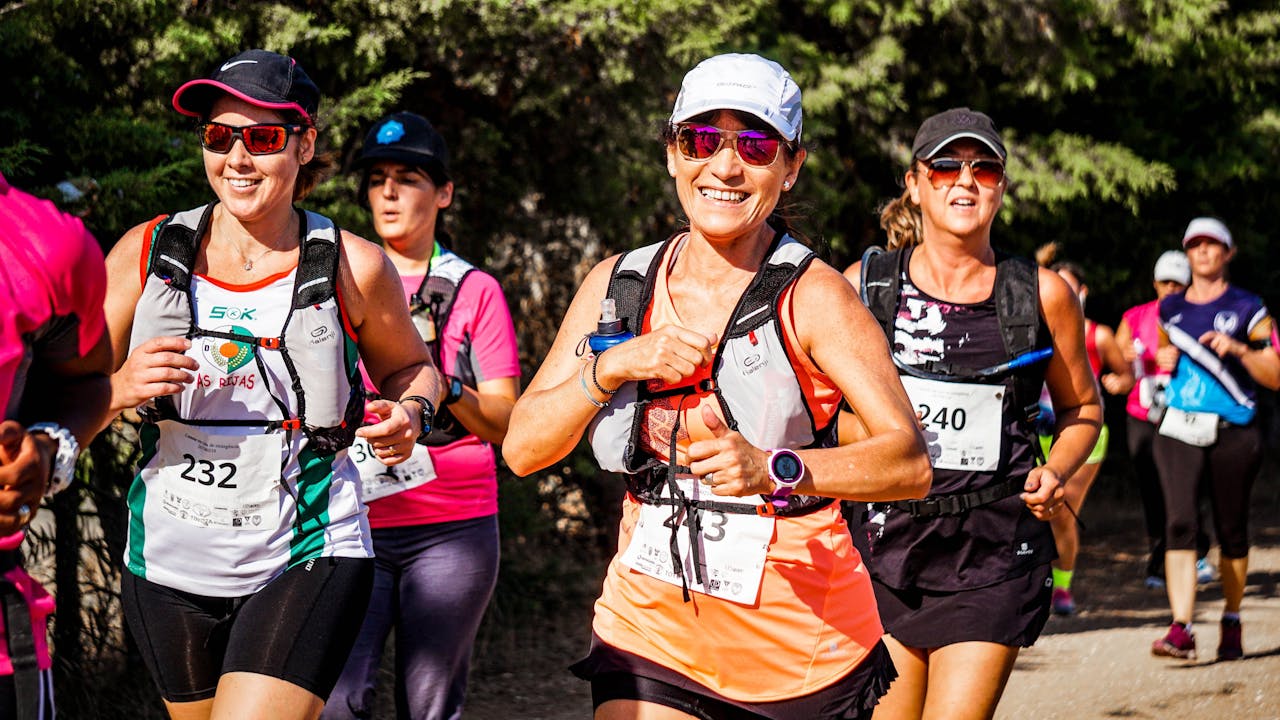
How to use methylene blue and red light therapy together
This is the practical section. What protocols are people using, what timing works, and what devices and doses are reasonable?
Methylene blue dose for combination use
For cognitive enhancement and mitochondrial support, the consensus in the biohacking community, aligned with the published research, is to work in the low-dose range.
Starting dose: 4 to 10 mg per day. Dr. Scott Sherr, co-founder of Troscriptions and one of the most prominent clinicians working with MB, recommends starting at 4 mg (one quarter of a 16 mg troche) for 3 to 5 days, then gradually increasing by 4 mg every 3 to 5 days until desired effects are felt. His framework is built around USP-grade pharmaceutical formulations, which is the right approach. Dr. Scott Sherr's full MB methodology is worth reading before starting any MB protocol.
Maintenance range for combination use: 8 to 16 mg per day. Most users doing MB + red light work in this range. It keeps circulating levels in the beneficial hormetic zone while providing enough MB in tissues to act as a photosensitizer during light sessions.
Timing: Take MB 30 to 60 minutes before your red light session. This allows time for MB to absorb, reach peak plasma levels, and distribute into tissues. You want MB present in mitochondria when the photons arrive.
Format matters for bioavailability. Liquid MB solution has approximately 72% oral bioavailability versus IV. Dry gelatin capsules absorb significantly less. Sublingual troches dissolve between cheek and gum and bypass some first-pass metabolism. For combination use with red light, maximizing how much MB gets into tissues matters. Methylene blue troches and liquid formats are preferable to standard capsules for this application.
Pharmaceutical grade is non-negotiable. Reagent-grade MB, the kind sold for lab use, contains heavy metals including lead and arsenic at concentrations unsafe for human consumption. USP grade methylene blue is the minimum standard. The difference is documented and serious. Heavy metals in reagent vs USP grade methylene blue makes this contrast very clear.
Red light therapy device parameters
For combination use with MB, the most relevant wavelengths are 660 nm and 850 nm. Most quality home panels offer both.
660 nm red light: This is the wavelength that overlaps with MB's absorption peak. Use this for superficial applications, skin, joints, and the face or scalp. This wavelength doesn't penetrate deeply, so for brain applications you need either very high-powered devices or near-infrared wavelengths.
850 nm near-infrared: This penetrates deeper and is better for transcranial work and deep tissue. Some combination devices offer both simultaneously, which is the most practical approach.
Irradiance and dose: For surface applications, a typical protocol uses 10 to 100 mW/cm² for 5 to 20 minutes per area, delivering approximately 10 to 60 J/cm² of total energy. For brain applications using transcranial PBM, 810 to 850 nm is preferred at whatever your device delivers, positioned close to the scalp.
Session frequency: 3 to 5 times per week. Research suggests daily sessions have diminishing returns compared to spaced sessions, and the hormetic principle applies here too. You need recovery time between stimuli.
Distance from device: 6 to 12 inches from the panel for most full-body devices. Closer means higher irradiance. Most protocols suggest staying within 12 inches for therapeutic benefit. Beyond 18 to 24 inches, the power drops off significantly.
A practical combined protocol
Here's a protocol framework based on the available evidence and common biohacker practice.
Take 8 to 16 mg of USP-grade MB in liquid or troche form on an empty stomach or with light food. Wait 30 to 45 minutes. Then do your red light session: 10 to 15 minutes per target area at 6 to 12 inches from the device, using a panel that includes 660 nm and 850 nm wavelengths. Most people target the face and chest for general systemic benefit, and optionally the scalp for brain applications.
Do this 3 to 5 days per week. Take at least 2 days off. Monitor your energy, sleep quality, cognitive clarity, and recovery over 4 to 8 weeks before drawing conclusions.
Morning sessions are typically preferable because both MB and red light have mild stimulant-like effects. MB mildly inhibits MAO-A, which can increase dopamine and serotonin activity. Red light can shift circadian rhythms. Evening use isn't contraindicated, but some users report disrupted sleep if they use both in the late afternoon or evening.
The HBOT triple stack
For completeness: some clinics and advanced biohackers combine MB + red light + hyperbaric oxygen therapy (HBOT). The rationale is layering three oxygen-enhancing interventions: HBOT increases dissolved oxygen in plasma, MB enhances the electron chain's ability to use oxygen, and red light optimizes CCO. Noah Clinics and HBOT USA have published protocols for this triple combination. The timing guidance for the triple stack is: at lower HBOT pressures (1.3 to 1.5 ATA), red light can be used before the hyperbaric session. At higher pressures (1.7 to 2.8 ATA), use red light later the same day, not immediately before. MB pairs well with HBOT regardless of pressure. This level of stacking goes beyond what most people reading this guide will use, but it illustrates where the cutting edge is headed.
Specific applications: where the combination makes sense
Not every application has equal evidence. Let's be honest about what's better supported and what's more speculative.
Cognitive enhancement and neuroprotection
This is the best-supported application for both interventions individually, and the one where the shared mechanism makes combination use most logical.
MB's neuroprotective effects have been demonstrated across multiple animal models of Alzheimer's, Parkinson's, stroke, and traumatic brain injury. The human data, while smaller, is consistent: MB improves memory retrieval, increases brain metabolic activity visible on fMRI, and has shown slower cognitive decline in Alzheimer's patients at 138 mg per day. Transcranial PBM has similarly shown cognitive benefits in dementia case series and small trials, with effects on MMSE scores, sleep quality, and behavioral markers.
The Gonzalez-Lima lab's proposal is that both interventions share a common mechanism for neuroprotection: they both fight the mitochondrial hypometabolism that underlies neurodegenerative disease. The combination may protect against cognitive decline through additive effects on brain energy metabolism.
For healthy users seeking cognitive enhancement, the data is promising but less definitive. MB's 7% improvement in memory task performance in a single-dose double-blind study is real but modest. Red light applied transcranially shows improvements in sustained attention and working memory in small studies. Together, they're targeting the same neuronal mitochondria from two angles. The subjective reports from experienced biohackers are consistently positive, but controlled combination studies in healthy adults haven't been done yet.
Skin anti-aging
This is where the MB + red light combination has the clearest direct photosensitizer application.
Applying MB topically (in a serum or cream) to the skin before red light exposure creates a localized photodynamic effect. MB in skin cells absorbs the 660 nm photons and uses that energy to enhance mitochondrial function in dermal fibroblasts and keratinocytes. The result is more ATP available for collagen synthesis, better clearance of damaged proteins, and reduced ROS-related oxidative damage to the skin matrix.
Troscriptions and several other brands have explored MB-based skincare specifically for this application. The methylene blue cream format is designed for topical photosensitizer use, not just antioxidant skincare. At low concentrations (0.01 to 0.1%), applied before a red light session at 660 nm, it creates a targeted boost to skin cell mitochondria.
This combination has real practical appeal: unlike oral MB, topical application carries none of the systemic drug interaction risks. It's localized, it clears quickly, and the photodynamic effect is self-limiting as the MB is consumed or deactivated by the light exposure.
Athletic performance and recovery
Both MB and red light therapy have been studied for athletic applications through the same mitochondrial lens.
For red light, a systematic review of 13 clinical trials found consistent improvements in muscle endurance and strength when light was applied before exercise. Some studies report 13% improvements in muscle performance and 22% reductions in creatine kinase (a muscle damage marker) post-exercise.
For MB, the mechanisms that benefit neurons also apply to muscle: more efficient electron transport, less ROS production during high-intensity effort, and potentially faster recovery. Methylene blue for muscles covers the athletic angle specifically.
The combination before exercise is being used by athletes in practice, though controlled combination studies in athletic populations specifically don't yet exist. The theoretical case is strong, and both interventions appear safe to combine before training. The protocol is the same as the general approach: MB 30 to 60 minutes before your light session, light session before training.
Longevity and cellular anti-aging
This is the most speculative application, where the evidence exists at the cellular and animal level but human longevity data is decades away.
MB delays cellular senescence in human fibroblasts, reduces SA-beta-galactosidase activity (a senescence marker), and slows telomere erosion rate. It extended the lifespan of female mice by 6% when included in food. These are promising signals but not proof that oral MB at biohacker doses extends human lifespan.
Red light therapy's anti-aging effects are better documented for skin (collagen, elastin, wrinkle reduction) and more speculative for systemic aging. The mitochondrial activation it provides is consistent with multiple longevity pathways.
Together, the combination addresses one of the central hallmarks of aging: mitochondrial dysfunction. The hypothesis is that by consistently supporting mitochondrial efficiency and reducing chronic oxidative stress, you accumulate less cellular damage over time. Whether this translates to measurable longevity in humans remains to be seen.
What's not speculative: reducing oxidative stress, improving energy metabolism, and protecting against neurodegeneration are valuable at any age. The combination does all three with a reasonable safety profile at the doses discussed here.
Safety: the honest picture
This section matters a lot. Both interventions have real safety considerations that deserve clear-eyed attention rather than dismissal.
Serotonin syndrome: the hard limit
The most serious concern with methylene blue is its interaction with serotonergic medications. MB inhibits monoamine oxidase A (MAO-A). When combined with SSRIs, SNRIs, tricyclic antidepressants, or other serotonergic compounds, this MAO-A inhibition can produce life-threatening serotonin toxicity.
The FDA issued an explicit Drug Safety Communication about this interaction, particularly following cases in surgical settings where IV MB was given to patients taking SSRIs. Cases of serotonin syndrome with MB have been reported in patients on sertraline, venlafaxine, and clomipramine. There is at least one reported fatality. The onset can be rapid, within hours of combination use.
If you take any SSRI, SNRI, MAOI, or similar medication, do not take methylene blue without direct physician oversight and explicit guidance. This isn't a minor caution. It's a hard line. The interaction doesn't disappear at low doses. Reports of serotonin syndrome have occurred at MB doses previously considered safe.
G6PD deficiency
Glucose-6-phosphate dehydrogenase deficiency is a genetic condition affecting approximately 400 million people worldwide. It's more prevalent in people of African, Mediterranean, and Middle Eastern ancestry. People with G6PD deficiency cannot efficiently generate NADPH, which is required for MB to complete its electron cycling mechanism. In G6PD-deficient individuals, MB can cause hemolytic anemia. This is a hard contraindication. Testing for G6PD is simple and worth doing before starting MB.
Photosensitivity with sun exposure
Because MB is a photosensitizer, oral use can increase skin sensitivity to sunlight. This is distinct from the intentional therapeutic photosensitization you're using with controlled red light devices. If you're taking oral MB, avoid prolonged unprotected sun exposure for at least 24 hours after your dose, or use SPF 30+ sunscreen and protective clothing. Multiple medical references confirm this photosensitivity risk.
The controlled indoor red light environment is fine with MB because you're using specific wavelengths at low-to-moderate power. Uncontrolled UV-containing sunlight is the concern.
High dose toxicity
At doses above approximately 5 mg per kilogram of body weight, MB paradoxically causes methemoglobinemia, the exact condition it treats at therapeutic doses. At biohacker doses (5 to 20 mg total daily), you're nowhere near this range for most people. But it underscores that more is not better, and that anyone pushing to "see what happens at higher doses" is moving in the wrong direction.
Red light therapy safety
Red light therapy's safety profile is excellent at standard therapeutic parameters. It's non-ionizing, non-thermal at the power levels used in panels, and doesn't penetrate deeply enough to cause organ damage. The main concerns are: don't look directly at bright LED panels without appropriate eye protection (particularly near-infrared, which is invisible), and avoid very high irradiance for very long sessions, which can cause paradoxical inhibition or mild skin irritation.
There are no known harmful interactions between red light therapy and common medications. This is one of its advantages over MB: it's a clean intervention from a pharmacological standpoint.
Pregnancy
Methylene blue is contraindicated in pregnancy. It carries a pregnancy category X designation. Avoid entirely during pregnancy and breastfeeding.
What combination use does not require
It doesn't require physician oversight for a healthy adult with no serotonergic medications, no G6PD deficiency, and no pregnancy, using USP-grade MB at 4 to 16 mg daily with standard red light therapy panels. That said, working with a longevity or functional medicine physician familiar with these compounds is the optimal approach, particularly if you're adding MB to an existing supplement stack or have any ongoing medical conditions.
Use the supplement interaction checker to flag other stack interactions before you start.
Choosing the right products
Methylene blue quality standards
The quality gap between MB products is significant. Three things separate safe, effective products from risky ones.
USP grade is the floor. USP (United States Pharmacopeia) designation means purity of 98% or higher and defined limits on specific impurities including heavy metals. Reagent-grade MB, which is sold for lab staining, is not appropriate for human use. Pharmaceutical grade methylene blue capsules breaks down the specific quality differences.
Third-party testing and COA. A Certificate of Analysis from an independent lab should show purity percentage, heavy metal test results (lead, arsenic, mercury, cadmium), and compound identification. If a company won't provide this, look elsewhere.
GMP manufacturing. Good Manufacturing Practice certification means standardized quality control in production.
For combination use with red light, formats with higher bioavailability are preferable to dry capsules. Liquid drops, troches, and sublingual formulations deliver more MB to tissues per mg taken. Methylene blue dosage dropper covers liquid dosing specifically.
Red light therapy devices
Home panel devices from reputable manufacturers typically specify their wavelengths (usually 660 nm and 850 nm), irradiance (mW/cm² at a standard distance), and total power output. Key features to look for:
Combination 660 nm + 850 nm panels cover both the MB photosensitizer activation wavelength and deeper tissue penetration. Panels with an irradiance of at least 50 mW/cm² at 12 inches are appropriate for therapeutic use. Full-body panels allow systemic treatment. For brain-specific applications, smaller near-infrared devices or helmet-style devices designed for transcranial PBM are available.
Avoid devices that don't specify exact wavelengths, as some use broad-spectrum incandescent or fluorescent sources that don't deliver the concentrated wavelengths needed for CCO activation.
Frequently asked questions
Can you use red light therapy and methylene blue on the same day?
Yes, and this is the point. Using them together, with MB taken 30 to 60 minutes before the light session, is the intended protocol for combination use. MB is present in tissues when the photons arrive, amplifying the light therapy's effects through the photosensitizer mechanism.
What wavelength activates methylene blue?
MB has a primary absorption peak at approximately 660 to 668 nm, which is within the red light therapeutic range. This wavelength both activates CCO directly (the standard PBM mechanism) and is absorbed by MB molecules in tissues, amplifying the mitochondrial response. Near-infrared at 810 to 850 nm doesn't activate MB significantly but does penetrate more deeply and still activates CCO.
Is it safe to use methylene blue with red light if you're on medication?
This depends entirely on the medication. If you're on any serotonergic medication (SSRIs, SNRIs, MAOIs, certain pain medications), do not combine with MB without physician guidance. The serotonin syndrome risk is real. Red light therapy itself has no known drug interactions. So if you're on an SSRI, red light therapy alone remains an option, but MB should be discussed with your doctor.
How long before you feel effects from the combination?
Subjective effects like improved focus and energy can appear within a few days at 10 mg MB + red light. Structural effects on mitochondrial function likely require 4 to 8 weeks of consistent use. Don't judge the protocol by the first week. Give it a full 6 to 8 weeks before drawing conclusions.
Does MB turn your skin blue under red light?
No. At the low oral doses used for longevity purposes, circulating MB doesn't accumulate enough in skin to cause visible discoloration from light exposure. The blue-tongue effect (from liquid MB) is separate and occurs at the site of contact in the mouth. Your urine will likely be blue-green after taking MB, which is expected and harmless.
Can you do red light therapy without methylene blue?
Absolutely. Red light therapy has its own evidence base independent of MB. If you have any contraindication to MB (serotonergic medications, G6PD deficiency, pregnancy), red light therapy remains an excellent standalone intervention. The combination amplifies the mitochondrial effects, but the base intervention is effective on its own.
What about topical MB plus red light for skin?
This is a well-supported application with an established photodynamic mechanism. Apply a low-concentration MB serum or cream (0.01 to 0.1%) to the target area, wait 5 to 10 minutes for absorption, then do your red light session at 660 nm for 10 to 15 minutes. The localized photodynamic effect enhances skin cell mitochondria directly and carries none of the systemic interaction risks of oral MB. Methylene blue cream covers this application in detail.
Is there research on this combination specifically in humans?
Limited but growing. The Gonzalez-Lima lab's work establishes the shared mechanism through extensive basic research. The COVID-19 pilot study (Ferreira et al., 2022) is the most direct combination study in humans to date, combining oral MB, topical MB-PDI, and 660 nm PBM with clear clinical outcomes. Human trials specifically testing the combination for cognition, longevity, or athletic performance don't yet exist in published form. The field is developing rapidly.
Stacking with other longevity compounds
MB and red light don't exist in a vacuum for most people using them. Here's how they fit with the most common longevity stack additions.
NAD+ precursors (NMN, NR). NAD+ is upstream of the electron transport chain. NMN and NR replenish NAD+, which is the molecule that NADH is made from. More NAD+ means more substrate for Complex I. MB works downstream in the same system. These are complementary approaches to the same problem. Why people stop taking NMN is relevant here because MB offers a fundamentally different angle on mitochondrial support that doesn't require the NAD+ precursor mechanism.
Resveratrol and other sirtuin activators. Sirtuins are NAD+-dependent enzymes involved in cellular maintenance. Resveratrol vs NMN covers this comparison. No known interaction with MB, and the combination addresses different longevity pathways (sirtuin activation vs. direct ETC support).
Berberine. Berberine activates AMPK and has mTOR-inhibiting properties that overlap with rapamycin's mechanism. Berberine synergy covers stacking considerations. No interaction with MB. They work through different mechanisms (metabolic sensing vs. direct electron transport) and can be combined without concern.
Glycine. Glycine supports mTOR regulation and sleep quality. Glycine dosage for anti-aging covers the research. No interaction with MB, and the combination is common in longevity stacks.
Taurine. Taurine supports mitochondrial biogenesis and has shown longevity signals in animal research. Taurine for sleep covers that angle. No known interaction with MB.
Rapamycin. mTOR inhibition addresses aging biology through a completely different mechanism. Rapamycin cost covers the practical acquisition side. The combination requires physician oversight since rapamycin has genuine pharmacological activity.
Need help building your stack? The WinAging protocol builder designs a personalized longevity plan based on 30+ data points about your health and goals.
Related guides
- How much methylene blue to take daily: dosing guide
- USP grade methylene blue: why purity matters
- Dr. Scott Sherr methylene blue: protocols and clinical approach
- Methylene blue for muscles: athletic performance research
- Supplement interaction checker
Sources
- Gonzalez-Lima & Auchter (2015), Protection against neurodegeneration with low-dose methylene blue and near-infrared light - PMC4428125
- Ferreira et al. (2022), Novel Approach Combining MB-PDI, PBM, and Oral MB in COVID-19 Management - PMC9686966
- Luz et al. (2020), Photodynamic and direct actions of methylene blue on mitochondrial energy metabolism - PubMed
The science behind methylene blue and red light therapy is genuinely interesting, and the mechanistic case for their synergy is well-grounded. Both target cytochrome c oxidase. Both follow hormetic dose curves. Both improve ATP production and reduce oxidative stress through overlapping but distinct mechanisms. And MB's absorption peak at 660 to 668 nm means it acts as a photosensitizer amplifying exactly the wavelength that activates CCO most directly.
What you do with this depends on where you are in your longevity protocol. If you're new to both, start with one and establish your baseline. Red light therapy is simpler to start: minimal contraindications, no drug interactions, straightforward to use. Add MB once you've confirmed no contraindications (especially serotonergic medications and G6PD status) and sourced a USP-grade product.
The biological age calculator gives you a baseline. Use it before you start stacking interventions so you have something to measure against. And the supplement interaction checker on WinAging exists precisely for moments like this: when you're adding a new combination and want to make sure nothing in your stack creates a problem you didn't anticipate.
Start low. Verify quality. Check interactions. Give it enough time to work. That's the full protocol.