Standard Process berberine: review, dosage, and alternatives
Standard Process Berberine Active reviewed: the practitioner-grade Phellodendron extract, dosage breakdown, how it compares to cheaper alternatives, and whether it's worth $76.

import { QuickAnswerBox, ComparisonGrid, FAQSection, RelatedGuides, DataTable, TipBox, WarningBox } from '@/components/articles'
Your chiropractor or naturopath recommended Standard Process berberine. Maybe it was on a care plan, or they had it in their office, or they handed you a sheet with three supplements circled. Standard Process has that kind of reputation. Practitioners trust it.
But then you looked it up. Berberine Active. $75.99 for 60 tablets. And right next to it on a quick Google search: other berberine supplements for $18 a bottle. Same compound. Same dosage range. A quarter of the price.
So is Standard Process berberine actually worth it? Or are you paying a premium for a label? This review covers the specific product, how it works, how it compares to alternatives, and what the research says about berberine in general. No fluff.
<QuickAnswerBox title="Standard Process berberine: the short version" answer="Standard Process Berberine Active is a practitioner-grade Phellodendron amurense extract delivering 200 mg berberine per tablet. It's well-made and from a trusted clinical brand, but at $76 for 60 tablets it's significantly more expensive than comparable options. The underlying compound, berberine, is well-researched for blood sugar regulation, metabolic health, and longevity pathways. You don't need to pay this price to get those benefits." stats={[ { label: "Berberine per tablet", value: "200 mg" }, { label: "Tablets per bottle", value: "60" }, { label: "Daily dose (recommended)", value: "400–800 mg" }, { label: "Price per bottle", value: "$75.99" } ]} />
What Standard Process actually is
Before we get into the specific berberine product, it's worth understanding what Standard Process is. Because the brand model matters here.
Standard Process was founded in 1929 by Dr. Royal Lee. The company's philosophy is whole-food nutrition. They grow the majority of their key ingredients on a USDA-certified organic farm in Palmyra, Wisconsin. Low-temperature, high-vacuum drying preserves enzymatic activity. They test over 2,100 samples per week in-house.
That's the Standard Process line. The Berberine Active product actually comes from MediHerb, an Australian herbal company that Standard Process acquired and distributes exclusively in the US. MediHerb is Standard Process's dedicated botanical and herbal extract arm. Different philosophy, same quality commitment, same distribution channel.
And that distribution channel is the defining feature of the brand. Standard Process does not sell on Amazon. It's not in stores. Products are only available through licensed healthcare practitioners: chiropractors, naturopaths, MDs, functional medicine doctors. Or through their Patient Direct portal, which requires an access code from a practitioner.
This isn't accidental. The practitioner-distribution model is a deliberate positioning choice. It keeps their products in clinical contexts, prevents counterfeiting, and maintains the trust of the health professionals who recommend them.
WinAging covers practitioner-grade supplement brands across the longevity stack because quality sourcing genuinely matters for compounds like berberine. But brand reputation alone doesn't equal bioavailability.

The Berberine Active product
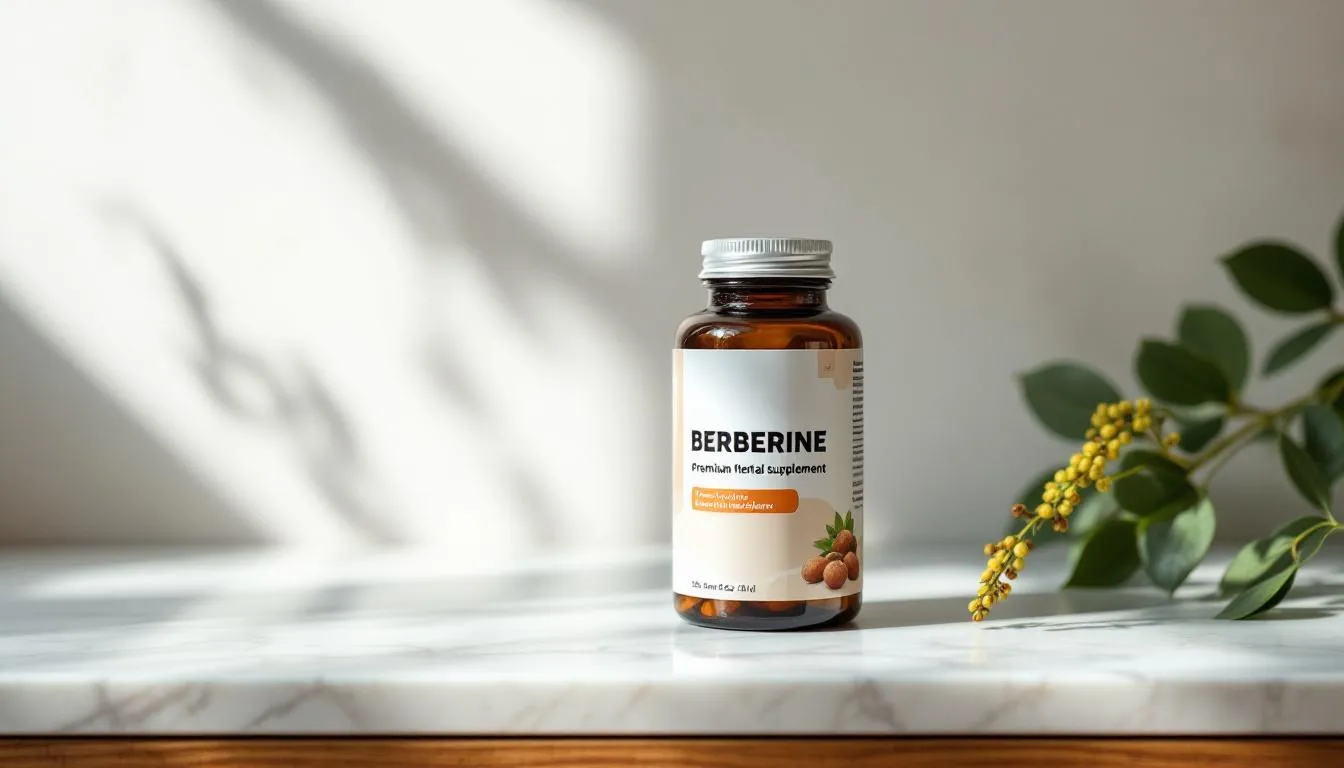
Product: Standard Process Berberine Active (product code M1650, MediHerb line)
What's in it:
Each tablet contains 440 mg of a Phellodendron amurense stem bark 20:1 extract, standardized to deliver 200 mg berberine per tablet. The 20:1 concentration means the extract is equivalent to 8.8 grams of the dried herb.
Phellodendron amurense, also called Amur cork tree, is one of the primary natural sources of berberine. It's been used in traditional Chinese medicine for gut function, liver support, and inflammation. The bark contains berberine as its dominant isoquinoline alkaloid, alongside related compounds like palmatine and coptisine.
The recommended dosing: 1 tablet, 2 to 4 times daily. That's 400 to 800 mg berberine per day.
At 4 tablets per day, the bottle lasts 15 days. Monthly cost: roughly $152. At 2 tablets per day, it lasts 30 days at $76/month.
Form of berberine:
This is a whole-plant extract, not isolated berberine hydrochloride (HCl). Most clinical research on berberine has been done with pure berberine HCl, not Phellodendron extract. Standard Process's argument (implied rather than explicitly stated) is that cofactors in the whole plant may support activity and absorption. There's traditional medicine support for this idea, but the direct comparative data doesn't exist.
Standard berberine HCl has notoriously poor oral bioavailability, often cited at under 5%. Berberine phytosome (phospholipid-complexed berberine) improves this by 5 to 10 times. Where Phellodendron whole extract falls on that spectrum is genuinely unknown. Use the supplement interaction checker to understand how berberine interacts with other things in your stack before adding any form.
How berberine works
Berberine is one of the most interesting compounds in the longevity space. It's not a single-mechanism molecule. It hits multiple pathways that matter for aging and metabolic health simultaneously.
AMPK activation. Berberine activates AMP-activated protein kinase, the cellular energy sensor. When AMPK goes up, cells switch into a "fuel conservation and repair" mode. Glucose uptake improves. Fat oxidation increases. And mTOR, the growth-and-aging pathway, gets suppressed. This is the same pathway activated by exercise, fasting, and metformin.
mTOR inhibition. mTOR drives cell growth, protein synthesis, and inflammation. Chronically elevated mTOR, which happens with aging and excess nutrition, accelerates biological aging. Berberine is one of the few supplements with solid evidence for mTOR downregulation through AMPK activation. This makes it relevant for longevity beyond its metabolic effects.
PCSK9 inhibition. Berberine upregulates LDL receptors on liver cells and reduces PCSK9 expression. PCSK9 is the protein that degrades LDL receptors. Inhibit PCSK9, you get more receptors, more LDL clearance. This mechanism is completely different from how statins work, which is why some research shows synergistic effects with statin therapy.
Gut microbiome modulation. Berberine reshapes the gut microbial community: enriches short-chain fatty acid producers, reduces pathogenic bacteria, improves gut barrier integrity, reduces intestinal permeability.
FOXO and autophagy. A 2025 study in C. elegans showed berberine at 10 µM extended healthy lifespan by 27%. It activated DAF-16/FOXO, HSF-1, and SKN-1/NRF2 longevity transcription factors and reduced lipofuscin, a biomarker of cellular aging. Animal data, yes. But the pathways are conserved.

What the research shows: the main benefits
Blood sugar and insulin sensitivity
This is where berberine's clinical evidence is strongest. Multiple meta-analyses show:
Berberine reduces HbA1c by an average of 0.57% versus placebo. Fasting blood glucose drops by roughly 6 mg/dL. Two-hour postprandial glucose drops more significantly, around 27 mg/dL. These are clinically meaningful numbers. For context, metformin's effect on HbA1c averages around 0.8 to 1.2%, so berberine sits in a similar tier for blood sugar management, especially in pre-diabetic ranges.
The mechanism combines improved insulin sensitivity at peripheral tissues, reduced hepatic gluconeogenesis (the liver making less glucose from scratch), and better glucose uptake into muscle and fat cells. All driven by AMPK.
If you're tracking blood sugar or A1c and want to understand what's normal for your biological age, WinAging's biological age calculator can give you a starting point for your biomarker context.
Cholesterol and cardiovascular
Clinical trials consistently show berberine reduces:
- LDL by roughly 10 to 18 mg/dL
- Triglycerides by 24 to 30 mg/dL
- Total cholesterol meaningfully
These effects work through PCSK9 inhibition and LDL receptor upregulation, not by blocking cholesterol synthesis like statins. This matters because statins deplete CoQ10. Berberine doesn't.
Berberine also has antihypertensive properties, mild antiarrhythmic effects, and reduces vascular inflammation. The cardiovascular profile is legitimately impressive.
Gut health and antimicrobial effects
Berberine's antimicrobial properties are old knowledge. Traditional Chinese medicine used Phellodendron specifically for bowel complaints and liver function. Modern research confirms it's active against bacteria implicated in SIBO, particularly hydrogen-producing strains.
It modulates the gut microbiome toward more short-chain fatty acid producers, reduces intestinal permeability, and decreases inflammatory cytokines in the gut lining. For people dealing with metabolic dysfunction, fixing the gut is often where the metabolic improvement starts.
Weight management
Berberine's effect on weight isn't dramatic in most trials. But the mechanisms are real. AMPK activation promotes fat oxidation. Suppression of PPAR-gamma inhibits new fat cell formation. And there's evidence it promotes browning of white adipose tissue via UCP1 upregulation, which increases metabolic rate.
Clinical trials in metabolic syndrome populations show modest but consistent weight reductions. More important is body composition: reductions in visceral fat measured by waist circumference often exceed what the scale shows.
Longevity pathways
This is where it gets interesting for the biohacker audience. Berberine activates AMPK, inhibits mTOR, induces autophagy, activates FOXO transcription factors, and extends lifespan in animal models. These aren't theoretical effects. They're the same mechanisms targeted by fasting, caloric restriction, exercise, and rapamycin.
Berberine won't replace any of those. But as a compound that layers onto those pathways without requiring a prescription or aggressive fasting protocols, it's become a standard part of longevity stacks.
WinAging covers the full longevity compound stack in detail, including how berberine fits relative to NMN, rapamycin, metformin, and other mTOR modulators. The tools help you understand what makes sense for your specific situation.

Standard Process vs. the competition
Here's where you need to make a real decision.
<DataTable
headers={["Brand", "Product", "Form", "Dose", "Price", "Monthly cost"]}
rows={[
["Standard Process (MediHerb)", "Berberine Active", "Phellodendron extract", "200 mg/tab, 2-4x/day", "$75.99 / 60 tabs", "$76–152"],
["Thorne", "Berberine (Dual Action)", "HCl + Phytosome", "450 mg HCl + 550 mg phytosome / 2 caps", "$55 / 30 servings", "$55"],
["Pure Encapsulations", "Berberine UltraSorb", "Berberine phytosome", "550 mg phytosome / cap", "$52 / 60 caps", "$26"],
["Integrative Therapeutics", "Berberine", "Berberine HCl", "500 mg / cap", "$36 / 90 caps", "$12"],
["Designs for Health", "Berberine Synergy", "HCl + synergistic herbs", "Varies", "$53 / 60 caps", "$27"]
]}
/>
A few things stand out:
Standard Process is the most expensive by a significant margin. At therapeutic dosing (3-4 tablets per day), the monthly cost is $76 to $152. Integrative Therapeutics delivers the same 500 mg per day at under $15/month.
The lowest dose per tablet. 200 mg per tablet means you need 2 to 4 tablets to reach the research-supported range of 900 to 1,500 mg per day. At 4 tablets, you're at 800 mg, still below the most commonly studied therapeutic range.
Phellodendron extract vs. isolated berberine HCl. Standard Process uses a whole-plant approach. Thorne and Pure Encapsulations use berberine phytosome, which has documented superior bioavailability. If absorption is your concern, phytosome formulations have the evidence edge.
The practitioner trust factor. This is real. Standard Process's quality controls, extraction standards, and testing protocols are excellent. If your practitioner recommends it and you want to follow a clinical protocol, there's a legitimate case for it. But you're not paying for a better molecule. You're paying for the brand, the distribution model, and the clinical relationship.
If you want to read deeper reviews of the practitioner-grade options, Integrative Therapeutics berberine and Pure Encapsulations berberine are both covered in detail. And for a broader comparison across all berberine brands, the best berberine supplement guide ranks them by form, value, and use case.
<ComparisonGrid title="Standard Process berberine: who it makes sense for" good={[ "Working with a practitioner who uses Standard Process protocols", "You want a whole-plant Phellodendron extract specifically", "Budget is not a concern and brand trust matters to you", "You prefer a practitioner-distribution model with clinical oversight", "You want to keep your supplement brands consolidated under one clinical system" ]} bad={[ "Budget-conscious supplementation", "You want maximum berberine bioavailability (phytosome wins here)", "You want to reach 1,200-1,500 mg/day (requires too many tablets)", "You're self-managing without a practitioner recommending it", "You want to buy easily on Amazon or retail without practitioner codes" ]} />
Dosage and how to take it
Standard Process recommends 1 tablet, 2 to 4 times daily with food. That's 400 to 800 mg berberine per day from this product.
The clinical research on berberine generally uses doses of 900 to 1,500 mg per day, split into 3 doses of 300 to 500 mg each. This matches the compound's short half-life. Berberine clears the bloodstream relatively quickly, so spreading doses through the day maintains more consistent plasma levels than a single large dose.
Practical dosing approach:
- Blood sugar management: 400 to 500 mg with each main meal (1,200 to 1,500 mg/day total). With Standard Process tablets, that means 2 tablets with each of your 3 meals, or 6 tablets daily, which is above their recommended maximum and makes the cost even higher.
- Cholesterol and metabolic support: 500 mg twice daily with meals (lower end works here)
- Longevity stack maintenance dose: 500 mg once or twice daily is common in self-experimenters following protocols like Bryan Johnson's
Take berberine with meals, not on an empty stomach. It reduces GI side effects and the presence of food helps absorption. If you're stacking it with berberine and inositol or berberine and alpha-lipoic acid, both combinations are worth understanding before you start.
Check any combinations you're considering with the WinAging supplement interaction checker before adding berberine to a stack with medications.
Side effects and who should avoid it
Berberine is generally well-tolerated at standard doses. The most common side effects are gastrointestinal, especially when starting: diarrhea, constipation, gas, nausea, stomach discomfort. These are usually dose-dependent and improve after the first week or two. Starting at 200 to 300 mg daily and gradually increasing helps.
Drug interactions to know:
Berberine inhibits the CYP3A4 enzyme system in the liver. This matters if you're on medications that are metabolized through this pathway:
- Metformin: Berberine can increase metformin blood levels and compound the blood sugar lowering and GI effects. If you're on metformin, don't self-add berberine without your doctor knowing. The combination isn't necessarily dangerous, but it needs monitoring.
- Warfarin and blood thinners: Mild antiplatelet effects from berberine increase bleeding risk when combined with warfarin, aspirin, or other anticoagulants.
- Cyclosporine: Berberine can increase cyclosporine levels significantly through CYP3A4 inhibition. Not safe to combine without medical supervision.
- Statins: Some statins are CYP3A4-metabolized. Levels may increase with berberine. Worth monitoring LDL and liver enzymes if combining.
- Macrolide antibiotics: The combination can have amplified effects on gut bacteria.
For personalized stack analysis, the supplement interaction checker covers berberine alongside commonly co-administered compounds.
Is Standard Process berberine worth it?
Honest answer: it depends on your situation.
If you're working with a practitioner who uses Standard Process as their clinical formulary and they've built a protocol around it, there's nothing wrong with following that protocol. The product is well-made. The extraction quality is real. The practitioner knows your full picture.
But if you're buying it independently because you've heard berberine is good for metabolic health or longevity, you don't need to pay this price. The underlying research on berberine was done with generic berberine HCl, not with Phellodendron extract from a premium brand. Integrative Therapeutics delivers the same therapeutic dose at under $15 a month. Thorne's dual-action formula gives you phytosome technology with documented superior bioavailability for around $55/month.
Standard Process Berberine Active is a premium product in a crowded market where the commodity version works just as well for most people. The brand premium is real. The quality is real. The justification for the price premium depends entirely on whether you need what the brand provides: practitioner oversight, clinical system integration, and institutional trust.
For the biohacker building their own stack? Start with the best berberine supplement guide and pick the form that matches your goals and budget. For metabolic or longevity purposes, berberine HCl at 900 to 1,500 mg/day from a trusted brand like Integrative Therapeutics or Thorne gets you to the same destination.
Use the WinAging tools to figure out where you currently stand. Your baseline biomarkers, biological age estimate, and current supplement stack will tell you whether berberine belongs at the top of your priority list or whether other compounds should come first.
Frequently asked questions
<FAQSection faqs={[ { question: "What is Standard Process Berberine Active?", answer: "Standard Process Berberine Active is a practitioner-grade botanical supplement made under the MediHerb brand, which Standard Process distributes exclusively in the US. Each tablet contains a 20:1 Phellodendron amurense extract delivering 200 mg berberine. It's designed for blood sugar support, metabolic health, and cardiovascular function." }, { question: "Where can I buy Standard Process berberine?", answer: "Standard Process products are only available through licensed healthcare practitioners (chiropractors, naturopaths, MDs, functional medicine doctors) or through their Patient Direct portal, which requires a practitioner access code. They're not sold on Amazon or in retail stores." }, { question: "How does Standard Process berberine compare to other brands?", answer: "Standard Process Berberine Active is more expensive than most alternatives, at roughly $76 per bottle for 15 to 30 days of use at therapeutic doses. Integrative Therapeutics and Pure Encapsulations offer comparable or higher-bioavailability berberine at significantly lower cost. The main advantage of Standard Process is brand trust in practitioner settings and whole-plant Phellodendron extract formulation." }, { question: "What's the right dosage for berberine?", answer: "Clinical research supports 900 to 1,500 mg per day, split into 3 doses of 300 to 500 mg taken with meals. Standard Process recommends 1 tablet (200 mg) 2 to 4 times daily (400 to 800 mg/day), which is on the lower end of the therapeutic range. For blood sugar management specifically, most protocols use 500 mg with each main meal." }, { question: "Can I take Standard Process berberine with metformin?", answer: "Not without medical supervision. Berberine can increase metformin blood levels and compound both the blood sugar lowering effect and GI side effects. If you're on metformin and interested in adding berberine, discuss it with your prescribing physician. Check the supplement interaction checker for berberine's other drug interactions." }, { question: "Is berberine the same as metformin?", answer: "They share AMPK activation as a primary mechanism and both lower blood sugar effectively, but they're different compounds. Berberine is a plant-derived alkaloid available as a supplement. Metformin is a pharmaceutical drug with decades of diabetes and longevity research behind it. Some researchers refer to berberine as 'natural metformin' for the overlapping mechanisms, but they're not interchangeable." }, { question: "Does Standard Process berberine use the same form as the clinical research?", answer: "Not exactly. Most clinical trials use isolated berberine hydrochloride (HCl). Standard Process uses a whole Phellodendron plant extract standardized for berberine content. The berberine content itself (200 mg per tablet) is real and standardized, but the carrier matrix is different. Whether the whole-plant cofactors improve or change the absorption is not well-studied." }, { question: "What's the best berberine supplement for longevity?", answer: "For longevity purposes, you want consistent berberine plasma levels at 900 to 1,200 mg/day to maintain AMPK activation and mTOR suppression. Berberine phytosome (like Thorne or Pure Encapsulations UltraSorb) offers better absorption, potentially letting you get effects at lower doses. Standard berberine HCl at higher doses is a cost-effective alternative. See the full best berberine supplement comparison for specifics." } ]} />
If you're not sure how to put the pieces together, WinAging's AI protocol builder can create a custom longevity stack matched to your biology and goals.
Related guides
- Best berberine supplement: complete rankings
- Pure Encapsulations berberine review
- Integrative Therapeutics berberine review
- Berberine and inositol: combination guide
- Supplement interaction checker
Sources
- Standard Process Berberine Active product page
- Berberine metabolic effects meta-analysis, PMC 2025
- Berberine and longevity pathways, PMC comprehensive review
Berberine is one of the most research-backed compounds in the metabolic and longevity stack. Standard Process makes a solid product. But the molecule doesn't care what bottle it came from. Start with the best berberine supplement guide to find the right form and dose for your goals, then use the WinAging tools to track whether it's actually moving your biomarkers.