Ancient Bliss Berberine: Honest Review and Results
Ancient Bliss Berberine reviewed: ingredients, dosage, side effects, and how it compares to other berberine supplements. Science-backed breakdown.
Most people shopping for berberine have no idea whether the brand matters. They see 500mg on one label, 1200mg on another, plain berberine next to one blended with cinnamon and bitter melon, and they just grab whatever Amazon suggests. Then they wonder why their A1c barely moved after three months.
Brand matters more than most people think. Bioavailability, formulation, dose per serving, and what's combined with the berberine all affect whether you actually get results. Ancient Bliss is one of the most searched berberine brands right now, and it takes a specific approach: pairing 1200mg of berberine HCL with organic Ceylon cinnamon, bitter melon, and green tea extract in one formula.
Here's the full breakdown. What's in it, how it works, what the science says about each ingredient, whether 1200mg is the right dose, and whether this particular formula is worth your money or whether you'd do better with a different berberine product.
We'll cover the mechanism of action, the synergy between berberine and Ceylon cinnamon that two recent clinical trials have confirmed, and the side effect profile you should know before you start. If you're already taking other supplements, run your stack through the supplement interaction checker first. Berberine interacts with a handful of common drugs, and it's worth knowing before you add it.
What is Ancient Bliss berberine?
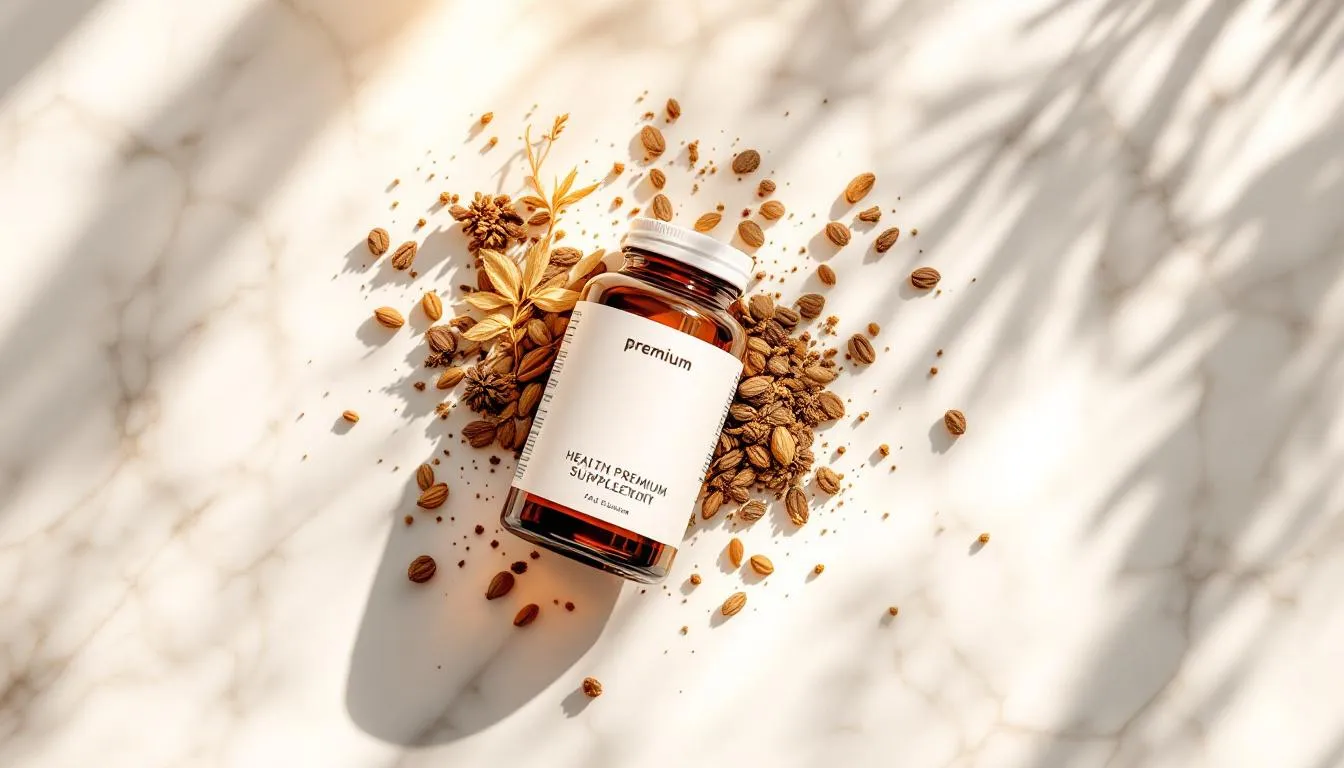
Ancient Bliss is a supplement brand that positions itself squarely in the metabolic health space. Their flagship berberine product is a 120-capsule bottle, with a serving size of two capsules providing a combined 1200mg of berberine HCL along with three supporting botanicals.
The formula contains:
- Berberine HCL: 1200mg per serving (two capsules)
- Organic Ceylon cinnamon: 100mg per serving
- Bitter melon: 100mg per serving
- Green tea extract (EGCG): 50mg per serving
The product is vegan, gluten-free, non-GMO, and free from artificial colors, preservatives, and fillers. Ancient Bliss states it's third-party tested, which matters for berberine since purity and heavy metal contamination are real concerns in the supplement industry.
You can find it on Amazon, Walmart, and directly through the Ancient Bliss website. Pricing typically lands in the mid-range for berberine, sitting cheaper than specialty brands like Pure Encapsulations berberine or Integrative Therapeutics berberine while offering more ingredients than a basic single-compound product.
The recommended serving is two capsules daily, ideally split across meals. We'll talk about optimal timing in the dosage section, because when you take berberine matters as much as how much you take.
The ingredient breakdown
The four-ingredient formula is where Ancient Bliss differentiates itself. Let's look at each compound and what it actually does.
Berberine HCL (1200mg)
Berberine is a plant alkaloid found naturally in several plants, including barberry (Berberis vulgaris), goldenseal, and Oregon grape root. It's been used in traditional Chinese medicine for centuries, but Western researchers only started taking it seriously in the last couple of decades.
The active research started picking up around the early 2000s after a landmark study found that berberine matched metformin for blood glucose control in type 2 diabetics. Berberine doesn't work like most supplements. It has a drug-like mechanism that's well understood and well documented.
The HCL form means berberine hydrochloride, the most common and most studied form of the compound. It dissolves readily in water and has reasonable bioavailability, though not as high as berberine phytosome (which is berberine bound to a phospholipid complex for better absorption). If bioavailability is a priority, you'd want to read up on berberine phytosome supplements specifically. But for most people, berberine HCL at the right dose gets the job done.
The 1200mg serving in Ancient Bliss is on the lower end of the research-supported range (most studies use 1,000 to 1,500mg daily, often split into three doses), but it's within the effective window. More on whether you should take both capsules at once or split them later.
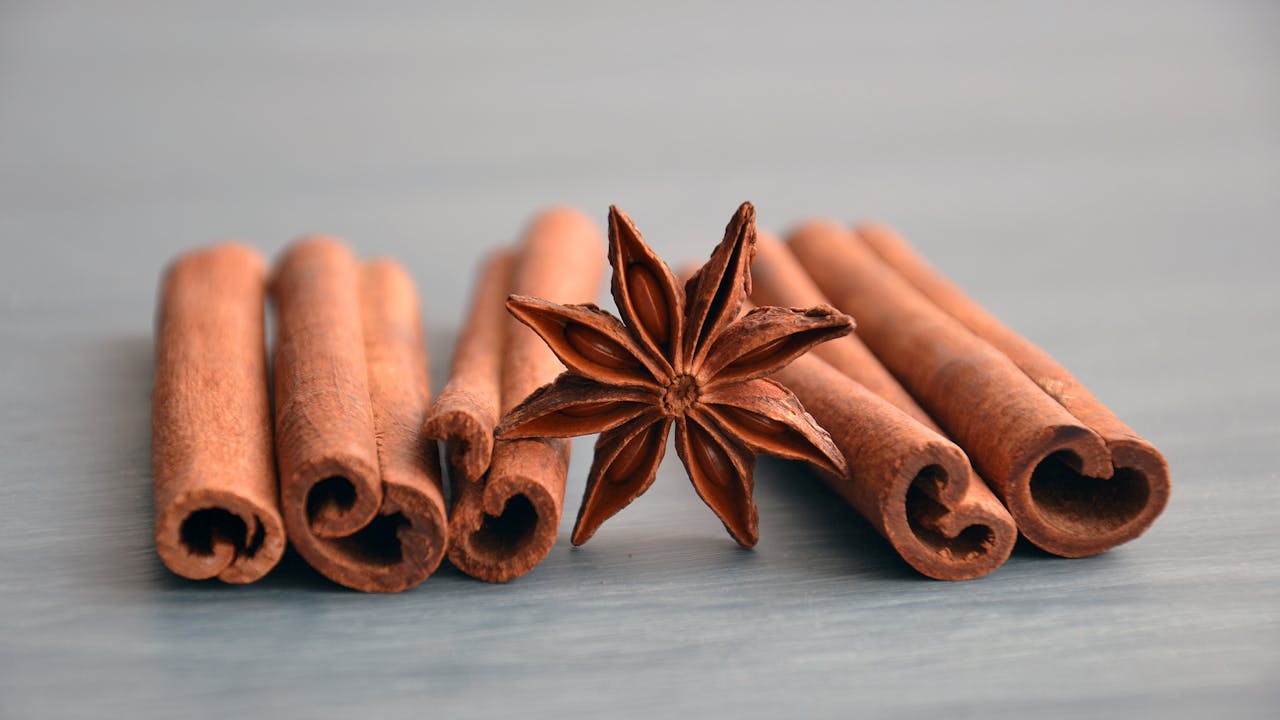
Organic Ceylon cinnamon (100mg)
This is where the Ancient Bliss formula gets interesting. Not all cinnamon is equal. Most cinnamon sold in the US is Cassia cinnamon, which contains high levels of coumarin. Coumarin is mildly hepatotoxic at high doses. Ceylon cinnamon (Cinnamomum verum) contains very little coumarin, making it the safer choice for daily supplementation.
Ceylon cinnamon works through a different mechanism than berberine but hits some of the same targets. The polyphenols in Ceylon cinnamon, particularly cinnamaldehyde and proanthocyanidins, improve insulin sensitivity by enhancing glucose uptake in cells. They essentially mimic some of insulin's effects, which means that pairing cinnamon with berberine creates a layered approach to glucose regulation rather than just hitting AMPK over and over.
A randomized clinical trial published in early 2025 found that twelve weeks of berberine combined with cinnamon supplementation significantly reduced fasting blood sugar, HbA1c, and LDL-C compared to placebo. That's a meaningful result. The combination was statistically better than either compound alone.
100mg is a modest dose of Ceylon cinnamon on its own, but it's a reasonable supporting amount in a multi-ingredient formula. If you wanted to add more Ceylon cinnamon separately, that would be fine. It's a low-risk compound at normal doses.
Bitter melon (100mg)
Bitter melon (Momordica charantia) is a tropical plant with a long history in Ayurvedic and traditional East Asian medicine. Its fruit and seeds contain compounds that mimic insulin action, including charantin and polypeptide-p, which activate GLUT4 receptors to increase cellular glucose uptake.
The evidence for bitter melon is less robust than for berberine, but it's directionally consistent. Human studies show modest reductions in fasting blood glucose. It's particularly useful as part of a combination formula because it works through yet another distinct pathway, giving this formula three different glucose-regulatory mechanisms: AMPK activation (berberine), insulin sensitization (cinnamon), and GLUT4 upregulation (bitter melon).
At 100mg in the Ancient Bliss formula, bitter melon is again a supporting ingredient rather than a therapeutic dose. But that's the right way to think about combination formulas: each ingredient amplifies the others rather than needing to carry the load on its own.
Green tea extract (EGCG, 50mg)
The green tea extract provides EGCG, epigallocatechin gallate, the catechin responsible for most of green tea's health benefits. At 50mg, this is a low dose, but EGCG has documented effects on metabolic health even at modest amounts.
EGCG inhibits an enzyme called COMT (catechol-O-methyltransferase), which helps extend the half-life of catecholamines like norepinephrine, mildly boosting metabolism. It also has antioxidant properties that reduce oxidative stress, one of the underlying drivers of insulin resistance and metabolic dysfunction.
50mg of EGCG won't transform your metabolic health on its own. But in a compound formula like this, it contributes synergistically. Think of it as the finishing ingredient that ties the anti-inflammatory and antioxidant properties together.
How berberine works in the body
Berberine's mechanism is one of the most studied in the supplement world. And it's fascinating, because berberine doesn't just tweak one pathway. It triggers a cascade that touches glucose regulation, lipid metabolism, cellular aging, and even autophagy.
AMPK: the metabolic master switch
The primary mechanism of berberine is activation of AMPK, adenosine monophosphate-activated protein kinase. AMPK is often called your body's metabolic master switch. When AMPK is activated, it tells your cells to burn more fuel, take up glucose more efficiently, reduce fat synthesis, and limit inflammation.
Berberine activates AMPK by mildly inhibiting complex I of the mitochondrial respiratory chain. This temporarily reduces ATP production, which raises the AMP-to-ATP ratio, which triggers AMPK. It's a very similar mechanism to how metformin works. That's why the two compounds are often compared, and why some researchers call berberine "nature's metformin."
This isn't a minor effect. AMPK activation has downstream consequences across basically every major metabolic pathway in your body. When AMPK is chronically low, which happens with sedentary behavior, poor diet, and aging, your cells become metabolically inflexible. Berberine helps reverse that.
mTOR inhibition and longevity
Here's the part that most berberine reviews skip over but shouldn't.
When AMPK is activated, it inhibits mTOR, the mammalian target of rapamycin. mTOR is one of the most important longevity targets in biology. High mTOR activity is associated with accelerated aging, reduced autophagy, and increased cancer risk. Low mTOR activity (which rapamycin mimics) is associated with longevity in nearly every organism studied.
Berberine doesn't inhibit mTOR as potently as rapamycin. But it does push the same levers. If you care about longevity, not just blood sugar, this mechanism is why berberine is worth paying attention to beyond its glucose effects.
Research published in the journal Aging found that berberine suppresses gero-conversion, the process by which cells in cell-cycle arrest turn into senescent cells, sometimes called zombie cells. Senescent cells accumulate with age and drive inflammation. Berberine doesn't just protect against metabolic disease. It has genuine anti-aging properties at the cellular level.
For a full picture of your biological age and how supplements like this might be moving the needle, the biological age calculator is a good place to start.
Autophagy and cellular cleanup
Berberine also induces autophagy, the cellular self-cleaning process where your cells break down and recycle damaged proteins and organelles. Autophagy declines with age. Chronic caloric excess, insulin resistance, and high mTOR activity all suppress it. Berberine, by activating AMPK and suppressing mTOR, helps restore autophagy function.
This is the mechanism that ties berberine to longevity protocols like intermittent fasting. Both fasting and berberine activate AMPK and suppress mTOR. They're additive when used together, which is why many people take berberine during their eating window as part of a fasting-adjacent protocol.
What the research actually shows
Let's get specific about evidence. What do controlled trials actually demonstrate about berberine's benefits?
Blood sugar and HbA1c
The evidence base here is substantial. A 2023 umbrella meta-analysis published in Pharmacological Research reviewed multiple systematic reviews of randomized controlled trials and found that berberine supplementation significantly improved glycemic parameters and inflammatory markers in adults with metabolic disorders.
Key findings across trials:
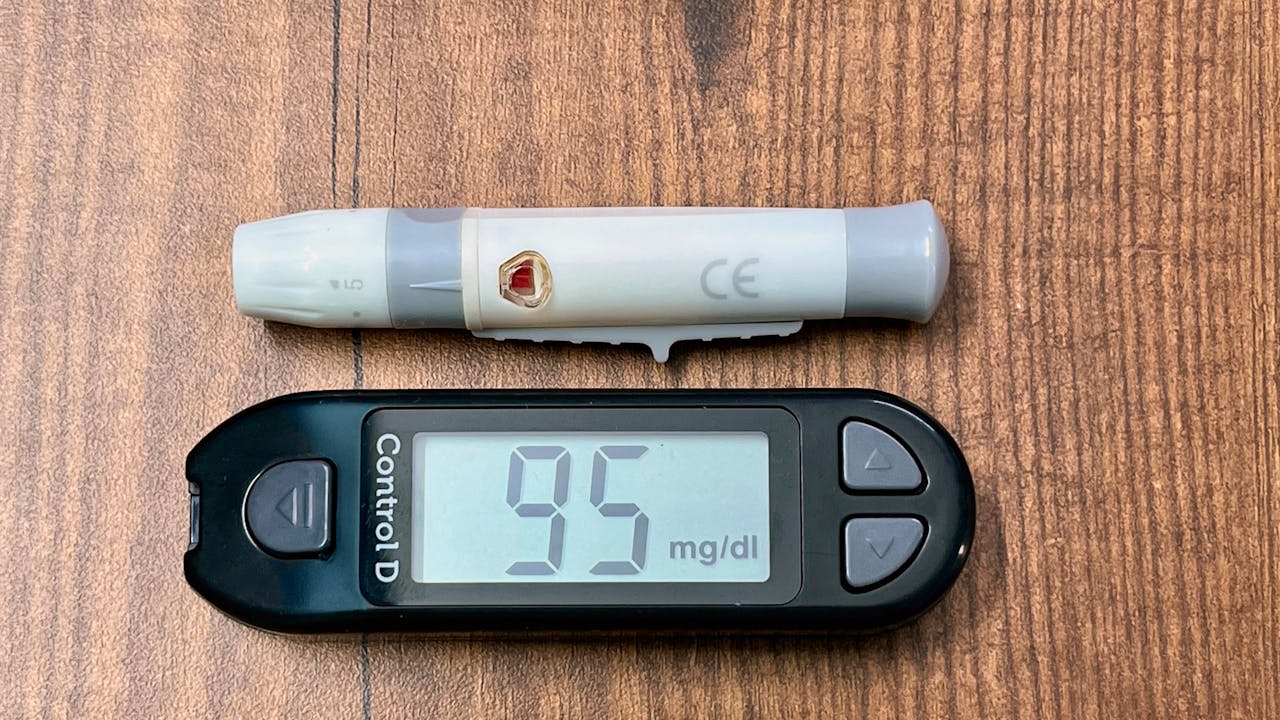
- HbA1c reductions of 0.5 to 1.5 percentage points in type 2 diabetics
- Fasting blood glucose reductions of 10 to 20 mg/dL in most studies
- Postprandial glucose improvements comparable to some medications
The most cited comparison comes from a 2008 study published in Metabolism, where researchers randomized 116 type 2 diabetics to receive either berberine (500mg three times daily) or metformin (500mg three times daily). After three months, HbA1c dropped by 2.0% in the berberine group versus 2.6% in the metformin group. Not quite as effective, but in the same ballpark, and with a better lipid profile.
Lipid benefits
This is where berberine outperforms metformin. Multiple meta-analyses have found that berberine significantly reduces total cholesterol, LDL-C, and triglycerides while modestly raising HDL. In a side-by-side comparison, berberine is consistently better for lipids than metformin.
A 2025 meta-analysis in PMC examined the efficacy and safety of berberine on metabolic syndrome components. The researchers found statistically significant improvements in fasting blood glucose, insulin sensitivity, triglycerides, and LDL-C across the included trials.
For people dealing with elevated triglycerides alongside blood sugar issues, berberine is genuinely interesting. The best berberine supplement guide goes deeper on the evidence if you want the full clinical picture.
Anti-inflammatory effects
Berberine reduces NF-kB activity, one of the master regulators of inflammation. Chronic low-grade inflammation is a driver of insulin resistance, metabolic syndrome, and accelerated aging. By downregulating inflammatory signaling, berberine addresses a root cause rather than just a symptom.
This anti-inflammatory effect is also part of why berberine and alpha lipoic acid is a popular stack: both compounds reduce oxidative stress and inflammation through complementary pathways.
The berberine and Ceylon cinnamon synergy
The most compelling scientific case for the Ancient Bliss formula specifically isn't just that it contains berberine. It's that it combines berberine with Ceylon cinnamon, and there's now direct clinical evidence that this combination is superior to either alone.
A randomized clinical trial published in a 2025 issue of PLOS ONE assigned type 2 diabetic patients to three groups: berberine alone, cinnamon alone, or berberine plus cinnamon. After twelve weeks, the combination group showed significantly lower fasting blood sugar and HbA1c than either single-compound group. LDL-C also dropped more in the combination group.
The mechanism makes biochemical sense. Berberine works primarily through AMPK and mTOR. Cinnamon works primarily through insulin receptor sensitization and GLUT4 upregulation. They target different steps in the same pathway, which is why combining them produces additive effects rather than redundant ones.
Ceylon cinnamon specifically (not Cassia) is what you want for long-term daily use. Cassia cinnamon's coumarin content is fine for occasional cooking but accumulates to potentially concerning levels with daily supplementation. Ancient Bliss uses organic Ceylon cinnamon, which is the right call.
The 100mg of Ceylon cinnamon in the formula isn't a mega-dose, but it doesn't need to be. In a combination formula, you're layering mechanisms, not competing for effect. If you wanted to add more Ceylon cinnamon (up to 1-3 grams daily in studies), that's a reasonable addition and would be very low-risk.
Is 1200mg the right dose?
Most clinical trials on berberine use 900mg to 1500mg per day, typically divided across two or three meals. The standard protocol in many studies is 500mg three times daily, which lands at 1500mg total.
Ancient Bliss provides 1200mg per serving, taken as two capsules. The label recommends taking both capsules daily, but it doesn't specify whether that means together or split across meals.
For blood sugar management, splitting doses across meals is more effective. Berberine's half-life in plasma is relatively short. Taking it in smaller doses with each meal keeps levels more stable and reduces the GI side effects that come from taking a large dose all at once.
If you take both Ancient Bliss capsules at breakfast, you're getting 1200mg in one hit. That's not ideal. A better approach: take one capsule with lunch and one with dinner, or split across three meals (one cap with lunch, one with dinner, and if you want to add a third dose, supplement with additional plain berberine separately).
Some people ask about taking berberine before bed. If blood sugar management is the primary goal, taking it with meals is more strategic. But if you're taking it primarily for its AMPK and mTOR effects, timing relative to meals matters less. The can I take berberine before bed guide breaks down the nuances of timing.
There's also a question of whether to take berberine with food or without. Can you take berberine on an empty stomach? Short answer: it's less effective and harder on your GI system. Take it with meals.
Side effects and safety
Berberine is generally well-tolerated, but it's not without issues. About 34.5% of people experience some gastrointestinal side effects, especially in the first few weeks. These include:
- Nausea
- Constipation or diarrhea
- Abdominal cramping
- Bloating and gas
These are typically mild and resolve within the first month as your gut microbiome adjusts. Taking berberine with meals (rather than on an empty stomach) significantly reduces GI irritation. Starting with a lower dose and gradually increasing also helps.
Drug interactions
This is the most important safety consideration. Berberine inhibits CYP3A4 and CYP2D6, two major liver enzymes that metabolize many pharmaceutical drugs. If you take any of the following, talk to a doctor before adding berberine:
- Metformin or other diabetes medications (berberine adds to their glucose-lowering effect, potentially causing hypoglycemia)
- Statins (berberine can increase statin blood levels)
- Blood thinners like warfarin
- Cyclosporine or tacrolimus (immunosuppressants)
- Certain antidepressants or antipsychotics
Use the supplement interaction checker to screen your current stack before starting. Berberine isn't dangerous in isolation, but the combination with certain medications can be.
Who should avoid berberine
- Pregnant or breastfeeding women (berberine can cross the placenta)
- Children and teenagers
- Anyone about to undergo surgery (stop 2 weeks prior)
- People with severe liver disease
Who can use it cautiously
- People already on diabetes medication: start low, monitor blood sugar closely
- Anyone with low blood pressure: berberine can have modest blood pressure-lowering effects
Who benefits most from Ancient Bliss berberine

Not everyone needs berberine. But for specific populations, it's one of the most well-evidenced supplements available.
People with insulin resistance or prediabetes
This is berberine's primary use case. If your fasting blood sugar is running between 100 and 125 mg/dL, your A1c is creeping above 5.7%, or your doctor has mentioned insulin resistance, berberine is worth a serious look. It's not a replacement for lifestyle changes, but it adds a biochemical assist that diet and exercise alone sometimes can't provide.
The berberine complex and berberine synergy guides go deep on combination formulas if you want to compare options.
Longevity-focused biohackers
People following the David Sinclair or Bryan Johnson protocol paradigm use berberine specifically for its AMPK and mTOR effects. The goal isn't blood sugar control per se, it's mimicking the cellular environment of caloric restriction without actually restricting calories.
Berberine pairs well with other longevity compounds. Berberine and inositol is a popular stack for women, particularly those dealing with PCOS. Glycine dosage for anti-aging is another complementary protocol.
If you're building a longevity stack from scratch, the free tools on WinAging help you map out your protocol and check for interactions before you start spending money.
People with high triglycerides or elevated LDL
The lipid benefits of berberine are underappreciated. If you're managing elevated cholesterol or triglycerides and want to try a supplement approach before or alongside medication, berberine is one of the few compounds with genuine clinical evidence for lipid improvement.
Weight management
Berberine has modest but real effects on body weight. Across multiple trials, participants taking 770 to 1600mg daily lost roughly 2 to 4 pounds over 2 to 6 months on average. That's not dramatic. But it's directionally consistent and mechanistically explained through AMPK activation and reduced de novo lipogenesis. If weight loss is the primary goal, check out best berberine for weight loss for a more focused breakdown.
People experiencing hair-related concerns
Interestingly, some users report hair health benefits from berberine. This may be linked to its effects on androgen metabolism and insulin-like growth factor signaling. Berberine and hair loss covers what the evidence actually says.
How Ancient Bliss compares to other berberine brands
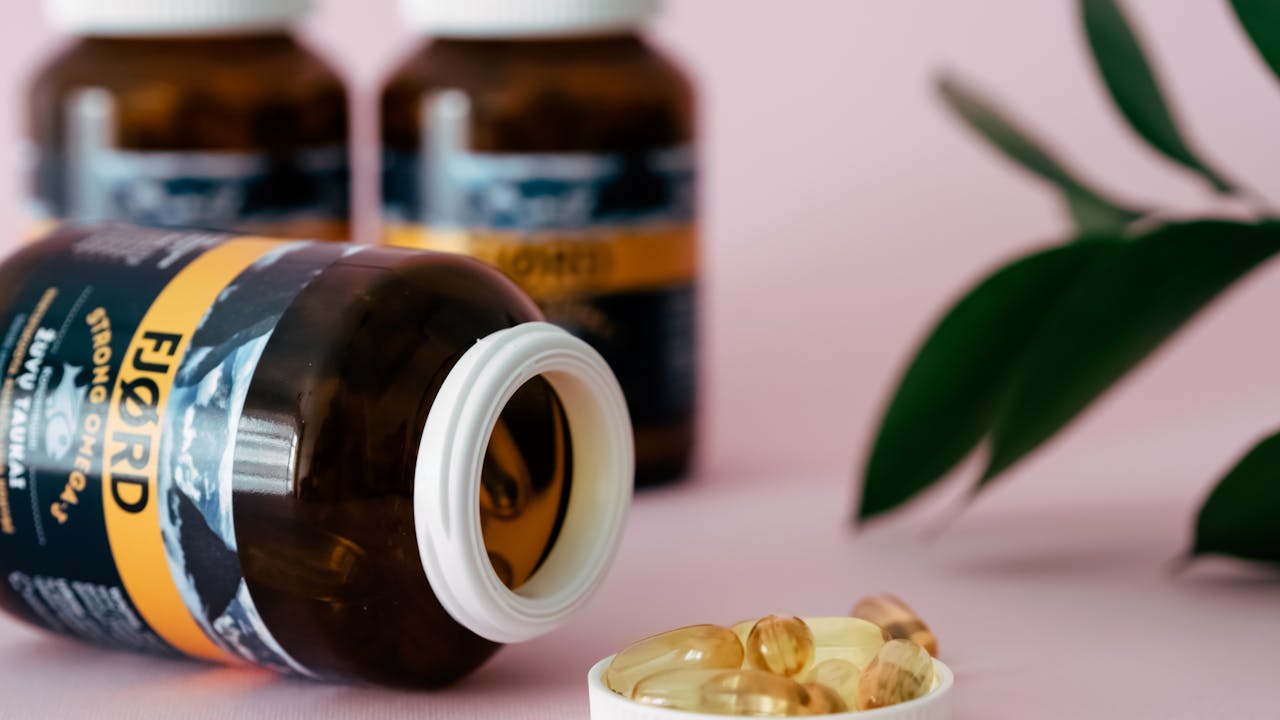
The berberine market is crowded. Here's how Ancient Bliss positions against the main alternatives.
Ancient Bliss vs plain berberine supplements
Single-ingredient berberine (like bulk berberine powder or plain 500mg capsules) gives you control over dosing and lets you dial in the exact amount. But it gives you no synergistic support from complementary compounds. If you're purely optimizing for the berberine science and nothing else, plain berberine at 1500mg daily split across three meals is the strictest interpretation of the research.
But the Ancient Bliss formula isn't just berberine with filler. The Ceylon cinnamon has direct clinical evidence for combination use. The bitter melon adds a third mechanism. For most people who aren't splitting hairs about dose precision, the combination formula makes more practical sense.
Ancient Bliss vs berberine phytosome
Berberine phytosome products (like those covered in berberine phytosome supplements) have significantly better bioavailability than berberine HCL. Studies show phytosome berberine is absorbed roughly five times more effectively. If you're at a lower dose or bioavailability concerns you, phytosome is the upgrade.
But phytosome berberine is more expensive, usually around $40 to $60 for a month's supply compared to Ancient Bliss's more accessible price point. For budget-conscious buyers who don't want to spend premium supplement prices, Ancient Bliss at 1200mg HCL may deliver comparable real-world results simply through the higher dose compensating for lower absorption.
Ancient Bliss vs branded specialty supplements
Luma Nutrition berberine, NativePath berberine, and Pure Encapsulations berberine are examples of more premium branded options. They tend to focus on single-ingredient purity, pharmaceutical-grade manufacturing, and clean-label positioning.
If you want the cleanest possible single-compound berberine from a brand with a long track record in practitioner-grade supplements, Pure Encapsulations or Integrative Therapeutics are the gold standard. But they cost significantly more and don't include the synergistic compounds in the Ancient Bliss formula.
For a comprehensive comparison of the best options overall, best brand of berberine covers the full landscape.
Value assessment
Ancient Bliss sits in the sweet spot for most people: mid-priced, combination formula, third-party tested, no artificial junk, and available on Amazon with Prime shipping. It's not the absolute cheapest berberine on the market, but it's not trying to be. For what you get (four synergistic ingredients at meaningful doses), it represents solid value.
If you want to compare it against the budget end of the market, Just Ingredients berberine is worth looking at. For the premium end, Pure Encapsulations berberine is the benchmark.
Milk thistle and berberine: a common stack question
One combination worth addressing because it comes up constantly: berberine with milk thistle. Milk thistle (silymarin) is a liver-protective herb, and some people stack it with berberine to help protect the liver from any potential stress during berberine use.
There's a reasonable case for it. Berberine is extensively metabolized by the liver, and while it's not hepatotoxic at normal doses, people who use berberine long-term sometimes add milk thistle as a precaution. The berberine with milk thistle guide breaks down the rationale. Ancient Bliss doesn't include milk thistle, so if you want that protection, you'd add it separately.
WinAging's tools can help you figure out whether adding milk thistle makes sense for your specific situation and whether any interactions exist in your current stack.
Frequently asked questions
How long does it take for Ancient Bliss berberine to work?
Most people notice meaningful changes in fasting blood sugar and energy within 4 to 8 weeks of consistent use. HbA1c changes require 3 months minimum because HbA1c reflects a 90-day average. Lipid improvements tend to show up around 8 to 12 weeks. Don't judge this supplement at 2 weeks. Give it a full quarter.
Can I take Ancient Bliss berberine every day?
Yes. Studies show berberine is safe for daily use up to at least 6 months, and many users take it continuously. Some longevity-focused users cycle it, for example 5 days on, 2 days off, to prevent potential receptor desensitization, but there's no strong clinical evidence that cycling is necessary.
Should I take both capsules at once or split them?
Split them. One capsule with lunch and one with dinner works well for most people. If you can manage three smaller doses (one cap per meal), that's closer to the study protocol that showed the best results. Splitting reduces GI side effects and keeps berberine levels more stable throughout the day.
Does Ancient Bliss berberine cause weight loss?
It can contribute to modest weight loss as a side effect of improved insulin sensitivity and AMPK activation. Don't expect dramatic results from berberine alone. Across studies, participants lost an average of 2 to 4 pounds over 2 to 6 months. That said, the metabolic improvements (lower blood sugar, better insulin sensitivity, improved lipids) are valuable regardless of scale changes.
Is Ancient Bliss berberine the same as metformin?
Not exactly, but they work through similar mechanisms. Both activate AMPK by inhibiting mitochondrial complex I. Both lower blood sugar. Both have lipid benefits. Metformin has decades more research, a standardized pharmaceutical dose, and FDA regulation. Berberine is unregulated as a supplement and has more variable potency between brands. They're mechanistically related but not interchangeable. Don't replace prescribed metformin with berberine without talking to your doctor.
Can I stack Ancient Bliss berberine with other supplements?
Yes, with some caveats. Berberine stacks well with berberine and inositol (especially for PCOS), alpha lipoic acid (as covered in berberine and alpha lipoic acid), and most foundational supplements. But it interacts with several pharmaceutical drugs (see the drug interactions section above). Always check the supplement interaction checker before combining.
What's the difference between berberine HCL and berberine phytosome?
Berberine HCL is the standard form used in most studies. It's absorbed at lower rates than berberine phytosome, which is berberine bound to phospholipids (like those in lecithin) for significantly better bioavailability. If you're sensitive to dosing or want maximum absorption from a lower dose, phytosome is worth the extra cost. At 1200mg, Ancient Bliss HCL likely still reaches effective plasma concentrations for most people.
Not sure where to start? WinAging's AI protocol builder creates a personalized longevity plan based on your goals, age, and experience level.
Related guides
- Best berberine supplement: the complete 2026 comparison
- Berberine and inositol: the synergistic stack explained
- Berberine phytosome: better absorption, better results?
- Check your supplement interactions
- Calculate your biological age
Sources
- Berberine + cinnamon RCT, glycemic outcomes (PubMed, 2025)
- Berberine and health outcomes: overview of systematic reviews (BMC, 2025)
- Berberine vs. metformin in T2D: metabolic efficacy (PMC)
Berberine is one of the most evidence-backed supplements in the metabolic health space. Ancient Bliss takes the right approach by pairing it with Ceylon cinnamon, which has direct clinical backing as a synergistic compound, rather than just stuffing in cheap botanicals to inflate the label. At 1200mg HCL with thoughtful complementary ingredients, it's a solid, accessible option for most people.
If you want to go deeper on longevity protocols, track biomarkers, or find what else might work in your stack, explore the WinAging tools and start with the biology before the shopping cart.