Compass Laboratory methylene blue: complete review
Compass Laboratory methylene blue reviewed: USP-grade purity, full product line, dosing protocols, and how it stacks up against Mitozen and Troscriptions.
You search "methylene blue" and immediately run into a problem. There are dozens of products, wildly different concentrations, and no straightforward way to know which one is actually safe. Some are sold for aquariums. Some are lab reagents dressed up in supplement packaging. And a small number are genuinely pharmaceutical-grade products made for human use.
Compass Laboratory sits firmly in that last category.
They've quietly built one of the most-reviewed methylene blue brands on Amazon, with a 4.66 out of 5 rating across more than 600 verified purchasers. Their products are USP-grade, made in the USA, free of formaldehyde, and third-party tested. And unlike some competitors, they make the actual testing data accessible. That matters more than most people realize when it comes to a compound with as many unregulated knockoffs as methylene blue.
This review covers everything: the company, their product line, how to dose it, what the science actually says about methylene blue's benefits, who should and shouldn't take it, how Compass Lab compares to major competitors, and where to get the best value. If you're already familiar with the basics of methylene blue as a compound, this is your deep dive into Compass Laboratory specifically. If you're newer to it, we'll cover the foundational science too, so you're not flying blind.
WinAging tracks the compounds serious longevity researchers actually use. Methylene blue has earned its place on that list, and Compass Laboratory has earned its place as a leading brand.
What is Compass Laboratory?
Compass Laboratory is a US-based supplement company focused on high-purity methylene blue products for cognitive and mitochondrial health. They're not a massive supplement conglomerate. They're a specialized operation that built a reputation in one specific niche and has held it.
What you notice immediately when looking at their products is the emphasis on traceability. Their methylene blue is manufactured in the United States, formulated with USP-grade ingredients, and sent to independent third-party labs for verification. That third-party testing piece is where many supplement companies cut corners. Compass Lab doesn't.
Their product pages lead with the things that actually matter for a compound like methylene blue: grade, purity, the absence of formaldehyde, and the manufacturing standard. These aren't marketing buzzwords in this case. They're genuine differentiators in a market where the same compound is sold for fish tanks and lab research right alongside products made for human consumption.
The company distributes through Amazon, Walmart, their own website, and a growing network of functional medicine clinics and wellness practitioners. You'll find Compass Laboratory stocked at integrative health centers, physical therapy practices, and nutritionist offices that have vetted the product line before recommending it to patients. That kind of institutional trust doesn't happen with cheap, poorly-sourced products.
They're not the only legitimate USP-grade methylene blue brand. Mitozen Scientific's Lumetol Blue takes a different approach, focusing on high-dose troches and bars with photobiomodulation specifically in mind. But Compass Laboratory's liquid dropper format and multiple concentration options make them the more flexible choice for most people building a daily protocol.

What is methylene blue?
Before getting into Compass Lab's products, it helps to understand what methylene blue actually is and why serious longevity researchers are paying attention to it.
Methylene blue is a synthetic compound, a phenothiazine dye, first synthesized in 1876 by the German chemist Heinrich Caro. For most of its history it was used as a textile dye, a laboratory stain, and a treatment for malaria. Paul Guttmann and Paul Ehrlich first used it therapeutically in 1891. It remained a medical workhorse in various applications through the 20th century and received FDA approval in 2016 under the brand name Provayblue for treating methemoglobinemia, a condition where hemoglobin can't carry oxygen properly.
The modern biohacking interest in methylene blue is different. It centers on the compound's behavior at the mitochondrial level.
The core mechanism: Methylene blue acts as a redox agent, meaning it can accept and donate electrons. Inside your cells, it functions as an alternative electron shuttle in the mitochondrial electron transport chain. It can bypass dysfunctional segments of the chain, specifically complexes I through IV, to maintain ATP production even when those complexes are impaired. For aging cells, where mitochondrial efficiency naturally declines, this is meaningful. You're essentially giving the cell an alternate route to make energy.
The reduced form of methylene blue also scavenges reactive oxygen species, the free radicals that accumulate as a byproduct of normal cellular metabolism and accelerate with age. Less oxidative stress means slower cellular aging. It's not magic. It's basic biochemistry, but the implications compound over time.
Methylene blue can cross the blood-brain barrier, which means these mitochondrial effects are accessible inside neurons. The brain is one of the most metabolically demanding organs in the body. Neurons run almost entirely on ATP. When mitochondrial efficiency drops, cognitive performance drops with it. Methylene blue's ability to support neuronal energy production is the mechanism behind the nootropic interest in the compound.
For a comprehensive look at the science across all methylene blue formulations, our methylene blue guide covers the full landscape. But the short version: this is a well-studied compound with over a century of medical use, and the evidence for mitochondrial and cognitive benefits at low doses is genuinely interesting.
What "USP grade" means in practice: Methylene blue isn't just sold as a supplement. It's also sold for aquariums, textile dyeing, and laboratory research. Those grades are not manufactured for human consumption. They can contain heavy metals, residual industrial solvents, and other contaminants that are acceptable for staining microscope slides but dangerous to ingest. USP-grade methylene blue meets the standards set by the United States Pharmacopeia for pharmaceutical-grade compounds: purity at 98% or higher, heavy metals below strict limits, manufactured under GMP (Good Manufacturing Practices). That's what you want when you're putting something into your body daily.
The difference between reagent grade and USP grade methylene blue is not minor. It's the difference between a pharmaceutical and a lab chemical. Understanding that distinction is prerequisite knowledge for buying any methylene blue product.
The Compass Laboratory product line
Compass Laboratory keeps their product line focused. They make two core methylene blue solutions in multiple sizes. That simplicity is actually a feature.
Methylene blue 1% solution
This is their flagship product and the one most people start with. A 1% concentration means each milliliter of liquid contains 10mg of methylene blue.
Available sizes:
- 50ml glass dropper bottle
- 150ml glass dropper bottle
- 237ml glass dropper bottle
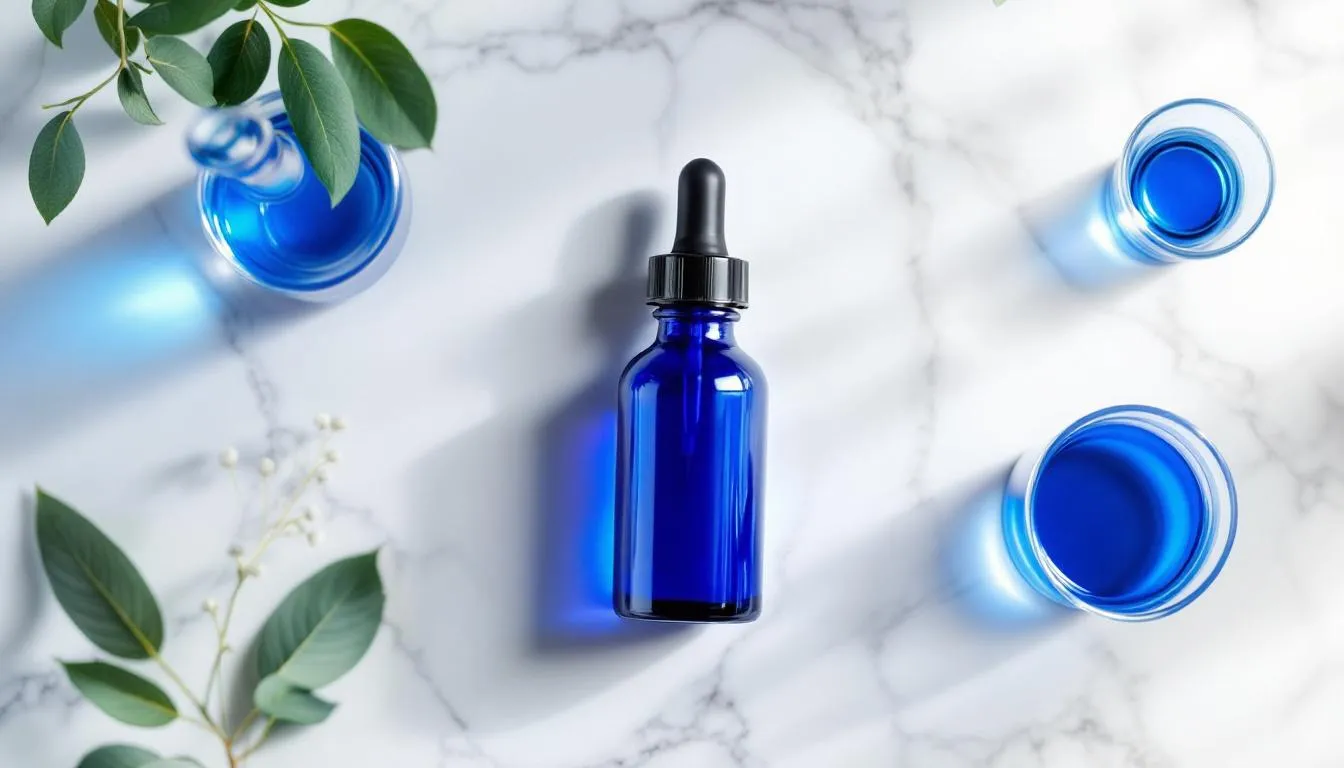
The dropper bottle design gives you precise dosing control. Each drop delivers a small, measurable amount. At 1%, a single drop is approximately 0.5mg of methylene blue. For someone starting at a conservative dose of 5-10mg per day, that's 10-20 drops, easily measured and adjusted.
The glass bottle matters. Methylene blue is light-sensitive and can react with certain plastics over time. Compass Lab packages their products in amber glass to protect the compound's stability and prevent degradation. It's a quality decision that adds cost but preserves potency.
Their 1% solution targets brain function and cognitive health, which aligns with where the majority of human research on methylene blue at low doses has been conducted. A University of Texas study found that USP-grade methylene blue increased fMRI brain activity during sustained attention and short-term memory tasks, with memory retrieval improving by roughly 7% compared to placebo. That kind of finding, from a controlled trial with pharmaceutical-grade methylene blue, is what drives the current biohacker interest.
The 237ml bottle represents the best value for people who plan to use methylene blue consistently over months. It's available on Amazon and direct from Compass Laboratory's website.
Methylene blue 0.5% solution
This is a more specialized product, formulated specifically for burning mouth syndrome.
Burning mouth syndrome is a chronic pain condition characterized by a persistent burning or scalding sensation on the tongue, lips, or other oral tissues, often without any visible cause. It affects primarily postmenopausal women and has historically been notoriously difficult to treat.
A pilot study published in the Journal of Oral Medicine and Oral Surgery found that a 0.5% methylene blue mouth rinse applied for 5 minutes three times daily over 7 days reduced burning mouth pain by two-thirds in patients with the condition, with effects persisting at 3 and 6 month follow-ups. Compass Lab's 0.5% solution is formulated for this specific use case.
Dosing for the 0.5% solution: At 0.5% concentration, each drop delivers 0.25mg of methylene blue. For burning mouth syndrome use, this allows very conservative dosing at the oral level while minimizing systemic absorption. The lower concentration is gentler and better suited to topical oral application.
For general cognitive and mitochondrial use, most people stick with the 1% formula for more efficient dosing without needing to take large volumes of liquid.
Why USP grade matters more than anything else
Let's be direct about this. The grade of methylene blue you use isn't a minor quality consideration. It's the most important buying decision you'll make with this compound.
The supplement market has a methylene blue problem. Industrial methylene blue, reagent-grade methylene blue, and aquarium methylene blue are all the same compound in name. But they're manufactured to entirely different standards, and those differences have real consequences when you're consuming something daily.
Reagent grade is made for laboratory use. It might be 95% pure on a good day, but the remaining 5% isn't just filler. It can include heavy metals like lead, arsenic, and mercury; residual solvents from the manufacturing process; and other byproducts that are entirely acceptable for staining microscope slides but not for human ingestion. The American Chemical Society standards for reagent-grade chemicals don't include requirements for human safety. They're not designed to.
USP grade is a different category entirely. The United States Pharmacopeia sets the standard for pharmaceutical-grade compounds used in medicine. USP methylene blue must be at least 98% pure. Heavy metals must fall below strict limits: typically under 10 ppm combined for lead, arsenic, mercury, and cadmium. It must be manufactured under GMP conditions, which means documented processes, controlled environments, and batch-by-batch testing. The formaldehyde-free certification Compass Lab highlights matters too. Formaldehyde is sometimes present in lower-grade methylene blue products as a processing artifact, and it's something you don't want anywhere near your daily protocol.
Third-party testing closes the loop. Any company can claim USP grade on a label. What you want is independent verification by an accredited laboratory that has no financial relationship with the manufacturer. Compass Lab's third-party testing means an outside lab confirmed what the label says is actually in the bottle.
Our guide to USP-grade methylene blue goes into the manufacturing standards in more detail. But the practical takeaway is simple: when you're comparing methylene blue products, filter first by grade. If a product isn't explicitly USP pharmaceutical grade with third-party testing, skip it.
This is also why pharmacy-compounded methylene blue, like what you'd get from a licensed compounding pharmacy, is another legitimate route. The compounding pharmacy version is made to prescription pharmaceutical standards and is typically recommended by functional medicine physicians as an alternative to retail products. Compass Laboratory's retail product meets the same grade standard, which is why it gets stocked by clinics that otherwise only recommend pharmacy-sourced options.
How to dose Compass Laboratory methylene blue
Dosing methylene blue correctly is more important than with most supplements. The compound follows what researchers call a hormetic dose-response curve: low doses enhance mitochondrial function and cognitive performance; high doses can overwhelm the redox system and produce the opposite effect. The sweet spot matters.
Understanding the math: Compass Lab's 1% solution contains 10mg of methylene blue per milliliter. The dropper tip delivers approximately 20 drops per milliliter, meaning each drop is about 0.5mg. Verify this with your specific dropper by counting drops per 1ml in a measuring vessel before your first use.
Starting dose: Most experts recommend starting at 0.5-1mg per kilogram of body weight. For a 70kg (154 lb) person, that's 35-70mg. But many people find it more practical to start lower, at 5-10mg per day, and titrate up based on response. Gary Brecka, one of the more visible proponents of methylene blue in mainstream biohacking circles, recommends starting at 1mg/kg to assess tolerance, with a common general dose of 10mg in the morning and 10mg at night, particularly when stacking with red light therapy.
Therapeutic range: The research consensus on safe dosing sits below 2mg/kg per day. At that level for a 70kg person, that's 140mg maximum. Most people taking it for general cognitive and longevity purposes stay well below that, in the 10-50mg range. At doses above 7mg/kg, adverse effects become more likely. At doses above 10mg/kg, some studies show a reversal of cognitive benefits. Don't chase higher doses thinking more is better.
Timing: Most people take methylene blue in the morning. It's a mild stimulant at cognitive-supporting doses and can disrupt sleep if taken late in the day. If you're stacking with red light therapy, take your methylene blue 30-60 minutes before the light therapy session. That timing allows it to circulate systemically during exposure, which amplifies the photobiomodulation effect significantly.
How to take it: Compass Lab's liquid is typically mixed into a small amount of water or taken sublingually (under the tongue) for faster absorption. The sublingual route absorbs the compound more directly into the bloodstream without first-pass liver metabolism. Either approach works. Expect your urine to turn blue or green, especially at higher doses. This is normal and harmless.
Our dropper dosing guide walks through the math in detail if you want help calculating your specific dose. And how much methylene blue to take daily covers the scientific rationale behind different dosing strategies.
Cycling: Many longevity practitioners recommend cycling methylene blue rather than taking it continuously. A common pattern is 5 days on, 2 days off, or 3 weeks on, 1 week off. The reasoning is partly receptor sensitivity and partly allowing the body to maintain its own mitochondrial signaling pathways without becoming reliant on exogenous support. There's no hard clinical data mandating cycling, but it's a reasonable precaution with a compound this potent.
What the science says about methylene blue's benefits
The research on methylene blue spans over a century of medical use, which is unusual for something now being marketed as a biohacking supplement. Most of that research involved high-dose pharmaceutical applications for conditions like methemoglobinemia. The modern longevity interest centers on much lower doses and different mechanisms.
Here's what the evidence actually supports.
Mitochondrial energy production
The most fundamental benefit of methylene blue is its role as an electron shuttle in the mitochondria. As cells age, the efficiency of the electron transport chain declines. Complexes I through IV, the protein structures that convert nutrients to ATP, become less efficient. Mitochondrial dysfunction is one of the core hallmarks of cellular aging and is associated with virtually every major age-related disease.
Methylene blue bypasses damaged sections of the electron transport chain by accepting electrons from NADH and delivering them directly to cytochrome c oxidase (Complex IV). This allows ATP production to continue even when the upstream machinery is impaired. A 2024 study found that methylene blue increased maximal lifespan in genetically diverse female mice, consistent with this mitochondrial mechanism. Studies targeting skeletal muscle aging specifically found that methylene blue treatment improved mitochondrial function in aged muscle tissue.
This isn't subtle biochemistry for most users. The energy effect is often the first thing people notice. Improved mitochondrial efficiency translates to more available cellular energy. Users consistently report reduced fatigue and a cleaner energy profile compared to stimulants.
Cognitive performance and memory
The brain runs almost entirely on glucose-derived ATP, making it especially sensitive to mitochondrial efficiency. Methylene blue's ability to cross the blood-brain barrier and support neuronal energy production is the mechanism behind its cognitive effects.
The human trial that gets cited most often is a University of Texas study using USP-grade methylene blue. Researchers found it increased activity in brain regions associated with sustained attention and short-term memory tasks on fMRI imaging. Memory retrieval improved by approximately 7% compared to placebo. That's a meaningful effect from a supplement, particularly one that doesn't carry the tolerance and dependency issues of traditional stimulants.
Animal research reinforces this. In D-galactose-induced Alzheimer's mouse models, methylene blue reduced hippocampal amyloid-beta accumulation and oxidative stress while improving cognitive performance on maze tests. The compound also reversed scopolamine-induced memory deficits, which is a standard pharmacological model for cholinergic cognitive impairment. These are interesting findings that need replication in larger human trials, but the mechanistic logic is sound.
WinAging tracks this research as it develops. The longevity compound space moves fast, and methylene blue has earned a serious spot in the conversation.
Neuroprotection and oxidative stress
Methylene blue's redox activity makes it an antioxidant in the classical sense: it neutralizes reactive oxygen species before they damage cellular structures. But the effect goes beyond generic antioxidant activity. The compound specifically protects neuronal mitochondria, which face high oxidative load from the brain's intensive metabolism.
Research published in PMC found that methylene blue and near-infrared light together offered significant neuroprotection against oxidative neurodegeneration, with the combined effect substantially exceeding either intervention alone. The compound's ability to support mitochondrial Complex IV activity also reduces the generation of superoxide radicals as a byproduct of ATP production, addressing the root cause rather than just scavenging free radicals after the fact.
Anti-aging and longevity
The longevity angle is where methylene blue research is still early but promising. A 2024 paper published in Aging Cell found that methylene blue extended lifespan in genetically diverse mice, a more rigorous model than single-strain studies because it better reflects human genetic diversity. The mechanism was mitochondrial: better mitochondrial function in aged tissue, less oxidative damage, slower cellular deterioration.
For human longevity purposes, methylene blue fits into a broader mitochondrial support strategy. You can check how your current supplement stack interacts using WinAging's supplement interaction checker, and track your biological age progress with the biological age calculator.
Stacking methylene blue with red light therapy
This combination has become one of the more talked-about protocols in serious biohacking circles, and there's legitimate scientific rationale behind it.
Methylene blue and red light therapy (photobiomodulation) both target mitochondrial function, but through different mechanisms. Methylene blue works biochemically, donating electrons to the electron transport chain. Red light therapy works biophysically, delivering photons that are absorbed by cytochrome c oxidase (the same Complex IV that methylene blue supports), stimulating ATP production through a photochemical reaction.
When you combine them, the effects are synergistic rather than merely additive. Methylene blue enhances the light-absorbing capacity of mitochondria, allowing red light to penetrate more deeply and activate more cytochrome c oxidase. The result is a larger ATP boost than either intervention produces independently.
The protocol is straightforward: take your methylene blue 30-60 minutes before your red light therapy session. At that point, it's absorbed and circulating in your tissues and neuronal mitochondria. Then expose yourself to red/near-infrared light (typically 660nm and 850nm wavelengths). The timing allows the compound to be present at the mitochondrial level when the photons arrive.
Gary Brecka explicitly recommends this stack, suggesting 10mg in the morning with red light therapy as a foundational protocol. Dr. Frank Lipman has written about it as a "perfect pairing" for mitochondrial anti-aging. The Psychology Today piece from late 2024 summarizing the combined research for brain health added mainstream visibility to what had been primarily a biohacker protocol.
This is also where Compass Lab's liquid dropper format has a practical advantage. You can dose precisely and time it accurately. You're not waiting for a capsule to dissolve or a troche to absorb. The liquid gets into your system quickly, which matters when timing relative to another intervention.
Side effects and who shouldn't take it
Methylene blue at low doses has a strong safety profile in healthy adults. But there are real contraindications you need to know.
Common and expected effects:
- Blue-green urine: This is universal and harmless. At any meaningful dose, expect blue or green urine. Some people find it alarming the first time. It's not.
- Mild stimulation: At cognitive doses, methylene blue has a mild stimulating effect. Most people find this pleasant. Take it in the morning to avoid interfering with sleep.
- Skin and saliva: At higher doses, temporary blue-green discoloration of skin and saliva can occur. This resolves as the compound clears.
- Nausea: At doses above 2mg/kg, some people experience nausea. Staying in the 0.5-1mg/kg range avoids this for most users.
Serious contraindications:
SSRIs, SNRIs, and MAOIs: This is the most important interaction and can be life-threatening. Methylene blue is a potent, reversible inhibitor of monoamine oxidase A (MAO-A). When combined with serotonergic medications, it can precipitate serotonin syndrome, a potentially fatal condition characterized by hyperthermia, agitation, tremors, and autonomic instability. The FDA issued an explicit drug safety communication about this. If you're taking any SSRI (fluoxetine, sertraline, escitalopram, etc.), SNRI (venlafaxine, duloxetine), tricyclic antidepressants, or tramadol, do not take methylene blue without consulting a physician who understands this interaction.
G6PD deficiency: Glucose-6-phosphate dehydrogenase deficiency is a genetic condition more common in people of African, Mediterranean, and Asian descent. It affects roughly 400 million people worldwide. In G6PD-deficient individuals, methylene blue can trigger hemolytic anemia, where red blood cells break down faster than they're produced. G6PD deficiency is easy to test for and should be ruled out before starting methylene blue.
Pregnancy: Methylene blue is not recommended during pregnancy. There's a documented association between methylene blue injection during amniocentesis and fetal intestinal abnormalities.
Dose is still dangerous territory above therapeutic levels: While 0.5-2mg/kg is considered safe for most people, doses above 7mg/kg produce adverse effects. At 10mg/kg and above, some cognitive effects reverse. The hormetic curve is real. Stay in the therapeutic range.
Use WinAging's supplement interaction checker before adding methylene blue to an existing stack. Check your biological age calculator to establish a baseline before starting, so you can measure whether the protocol is actually moving the needle for you.
How Compass Laboratory compares to competitors
The serious methylene blue market has a handful of legitimate players. Here's how Compass Lab stacks up against the brands you'll most likely encounter.
Compass Laboratory vs. Mitozen Scientific
Mitozen's Lumetol Blue is the other major liquid methylene blue brand that consistently comes up in serious longevity discussions. The comparison is meaningful because both products are USP-grade pharmaceutical quality.
The key differences are formulation and dosing philosophy. Mitozen's Lumetol Blue Bars+ contain 175mg of methylene blue per bar, combined with photoactive polyphenols, essential oils, and probiotics in an organic palm oil base. Their Bullet+ delivers 60mg in the same format. These are high-dose formats designed for practitioners working with Dr. John Lieurance's clinical protocols and for users specifically stacking with hyperbaric oxygen or intensive red light therapy.
Compass Lab's 1% liquid is more flexible. You dial in exactly how many milligrams you want, from a conservative 5mg starting dose up to 50mg or beyond. The liquid form absorbs faster than a solid troche-style product. For most people building their first methylene blue protocol, Compass Lab's liquid dropper gives you more control.
Mitozen's troche format has advantages if you specifically want the co-formulated polyphenols or if you prefer a solid delivery mechanism. Compass Lab wins on price-per-milligram and dosing flexibility.
Compass Laboratory vs. Troscriptions
Troscriptions (owned by Dr. Scott Sherr's team) makes methylene blue in troche form, which is a pressed tablet that dissolves sublingually. Their Blue Cannatine troches contain 4mg of methylene blue alongside caffeine, CBD, and nicotine for a targeted nootropic effect. Their straight methylene blue troches come in various strengths.
The troche delivery mechanism offers precise dosing in a convenient format. But it's fixed: each troche is what it is. You can't easily micro-dose or titrate as precisely as you can with a liquid dropper. And methylene blue troches as a category tend to be priced higher than liquid solutions per milligram of active compound.
For Dr. Scott Sherr's full protocol and recommendations, that coverage goes deep into his clinical approach and how Troscriptions fits into it. If you want the liquid format with more flexibility, Compass Lab wins. If you prefer the convenience and co-formulation of a troche, Troscriptions is worth considering.
Compass Laboratory vs. Vital Reaction / VitalFlow
Vital Reaction and VitalFlow both make USP-grade methylene blue in liquid form. Vital Reaction's 1% drops retail around $39.95 for 30ml, making them more expensive per milliliter than Compass Lab. VitalFlow is Canadian-made, USP-grade, and competitive on quality, but carries higher shipping costs for US buyers and isn't as widely distributed through domestic retail channels.
Compass Lab's advantage is distribution and value. Being available on Amazon Prime, Walmart, and through domestic health clinics makes them the most accessible legitimate option for most US buyers.
Compass Laboratory vs. pharmacy-compounded methylene blue
Pharmacy-compounded methylene blue is made to prescription standards at a licensed compounding pharmacy, often under physician oversight. This is arguably the gold standard for purity, since compounding pharmacies operate under FDA oversight with full pharmaceutical manufacturing standards. Pharmaceutical-grade methylene blue capsules cover this route in detail.
The practical difference: compounding pharmacy methylene blue typically requires a prescription and a relationship with a functional medicine physician. It costs more. But for people with complex health situations, history of medication interactions, or who prefer physician oversight, the compounding pharmacy route makes sense. Compass Lab serves the self-directed supplement buyer who wants pharmaceutical-grade quality without the prescription process.

Pricing and where to buy
Compass Laboratory's pricing varies by size, and buying larger is substantially more economical per milligram.
1% solution pricing:
- 50ml: approximately $30.90 (620mg total methylene blue, ~$0.05 per mg)
- 150ml: larger bottle, better value per ml
- 237ml: best value, available on Amazon Prime
At the 50ml bottle with conservative dosing of 10mg per day, you're looking at about 62 days per bottle. That puts the cost at roughly $0.50 per day at the entry level, which is competitive with other legitimate USP-grade options.
Where to buy:
- Amazon: Prime-eligible, free shipping, easy returns. The 50ml and 237ml sizes are regularly available.
- Compass Laboratory's website (compasslaboratory.com): Ships within 2 business days domestically and internationally.
- Walmart.com: Both 50ml and 237ml sizes available online.
- Functional medicine clinics: Meridian Medical Centre, Pack Physical Therapy, Performix House, and Nutritionist Meets Chef all carry Compass Lab products, among others.
The Amazon listing includes customer Q&A that's worth reading before purchase. And the Judge.me review page has over 600 verified reviews if you want to read actual customer experiences in detail.
Frequently asked questions
Is Compass Laboratory methylene blue safe?
For healthy adults without contraindications, yes, at recommended doses (0.5-2mg/kg). The USP-grade formulation means you're getting pharmaceutical purity without the contaminants found in reagent or aquarium-grade products. The two main contraindications are SSRIs/MAOIs (serotonin syndrome risk) and G6PD deficiency (hemolytic anemia risk). Check our supplement interaction guide before stacking.
What concentration should I start with?
Most people start with the 1% solution and begin at a low dose, 5-10mg per day, before titrating up. The 0.5% solution is specifically formulated for burning mouth syndrome as a topical oral rinse and isn't the right choice for general cognitive or mitochondrial support.
How many drops is 10mg from the 1% solution?
At 1%, each milliliter contains 10mg. A standard dropper delivers roughly 20 drops per milliliter, making each drop approximately 0.5mg. So 10mg is approximately 20 drops. Verify your specific dropper by counting drops per measured milliliter before your first dose. Our detailed dosing guide covers this calculation in full.
Can I take methylene blue every day?
Many people do. Cycling (5 days on, 2 days off, or 3 weeks on, 1 week off) is a reasonable approach to prevent adaptations and maintain receptor sensitivity. There's no definitive research mandating cycling, but the practice is common among experienced users.
Why does my urine turn blue?
This is universal and harmless. Methylene blue is excreted renally, and the blue pigment colors urine blue or green. The intensity correlates roughly with dose. If you see this and weren't expecting it, don't be alarmed. It means the compound is in your system and working its way out.
Does Compass Lab methylene blue interact with anything?
The serious interaction is with serotonergic medications (SSRIs, SNRIs, MAOIs, tramadol). Methylene blue inhibits MAO-A, and combining it with these medications can cause serotonin syndrome. It also interacts with G6PD-deficient individuals to cause hemolytic anemia. Beyond those specific interactions, methylene blue stacks well with red light therapy (synergistic), CoQ10 (complementary mitochondrial support), and other longevity compounds. Use WinAging's interaction checker to verify your specific combination.
What's the difference between Compass Lab's 0.5% and 1% solution?
The 1% solution is their general-purpose formula for cognitive and mitochondrial support. The 0.5% solution is specifically designed for burning mouth syndrome and is used as a topical oral rinse, not swallowed for systemic effect. If you're buying methylene blue for brain and energy benefits, choose the 1%.
How does Compass Lab compare to pharmacy-compounded methylene blue?
Both are pharmaceutical-grade and meet USP purity standards. Pharmacy-compounded typically requires a prescription and a physician, offers the highest possible manufacturing oversight, and is recommended for people with complex health situations. Compass Lab is accessible without a prescription, widely available, and third-party verified. For most self-directed supplement users, Compass Lab provides equivalent purity and quality at lower cost and without the prescription requirement.
If you're not sure how to put the pieces together, WinAging's AI protocol builder can create a custom longevity stack matched to your biology and goals.
Related guides
- Mitozen methylene blue: Lumetol Blue complete guide
- USP-grade methylene blue: what it means and why it matters
- Heavy metals in reagent vs USP methylene blue
- Methylene blue dosage dropper: how to measure accurately
- Supplement interaction checker
Sources
- From Mitochondrial Function to Neuroprotection: An Emerging Role for Methylene Blue, PMC
- Effects of USP Methylene Blue on Cognitive and fMRI Brain Activity, ClinicalTrials.gov
- Could methylene blue be used to manage burning mouth syndrome? Journal of Oral Medicine and Oral Surgery
Building a longevity stack that actually works takes research. Compass Laboratory makes the grade question easy. USP certification, third-party testing, made in the USA, no formaldehyde, glass packaging. For most people buying their first methylene blue product or switching from a lower-grade option, Compass Lab is the right starting point. Get your baseline biomarkers with the biological age calculator, verify your full stack with the supplement interaction checker, and check back on WinAging as the research continues to develop. The mitochondrial support angle on aging is real. The evidence is building. And the product you use needs to be genuine pharmaceutical grade for any of it to matter.