Methylene blue wholesale: quality sourcing guide
Who buys methylene blue wholesale, what quality grades exist, how to verify purity with a COA, and where to source pharmaceutical-grade MB for clinics and brands.
Most people buying methylene blue are individuals. They order a bottle, try it, maybe upgrade their format from drops to troches or capsules. That's the retail market.
But there's another market entirely. IV therapy clinics need sterile pharmaceutical-grade solution for infusions. Supplement brands need bulk powder to manufacture and label. Compounding pharmacies need verified API to compound patient prescriptions. Functional medicine practices need reliable sourcing for their protocols. And yes, serious biohackers buy wholesale too, because the per-gram cost difference between retail and bulk is substantial.
If you're reading this, you're probably not your average supplement buyer. You want to understand how the wholesale market actually works, what quality standards matter, which suppliers are worth your time, and how to verify you're getting what you paid for. This guide covers all of it.
One note before we go further: WinAging covers the full longevity stack, and methylene blue is one of the more scientifically interesting compounds in that space. This guide is about sourcing responsibly, not about promoting bulk buying for its own sake. The quality distinctions here matter enormously, and understanding them will help you make better decisions whether you're buying for a clinic, a brand, or yourself.
Who actually buys methylene blue wholesale
Before getting into grades and suppliers, it's worth understanding who's in this market. The wholesale MB buyer landscape breaks down into a few distinct groups.
IV therapy clinics are the fastest-growing segment. The market for methylene blue IV therapy has expanded significantly over the past few years, with chains like REVIV operating at 100+ global locations alongside independent longevity clinics, drip bars, and integrative wellness centers. These clinics need sterile, pharmaceutical-grade 10 mg/mL solution for infusion. They can't use off-the-shelf consumer products. They go through compounding pharmacies that source USP-grade raw material and compound it under sterile conditions.
Compounding pharmacies are the primary institutional buyers of USP-grade bulk powder. They purchase through pharmaceutical API distributors, compound it into capsules, troches, creams, and sterile IV solutions, then supply to patients and clinics. Because ProvayBlue (the FDA-approved injectable) is expensive and limited to methemoglobinemia treatment, compounding pharmacies fill the gap for off-label longevity and cognitive health applications.
Supplement brands buying bulk powder to formulate, bottle, and sell at retail need to source USP-grade raw material and handle third-party testing before they can responsibly label a product. Companies like Mitozen, 365 Labs, and Compass Laboratory all have their own sourcing relationships for the raw API they use.
Functional medicine and integrative medicine practices often work through their affiliated compounding pharmacy rather than buying raw powder directly. The compounding relationship handles the sourcing, manufacturing, and quality assurance.
Serious biohackers buy USP-grade powder in 5-100g quantities from specialty suppliers. At this volume, they're typically mixing their own solutions or preparing their own capsules. The cost per gram at this level is still dramatically lower than buying pre-formulated retail products.
Research institutions buy through scientific supply houses like Sigma-Aldrich or Fisher Scientific, or directly from API manufacturers. The grade they need depends on their application. In vitro research can use lab-grade material. Any application involving humans requires pharmaceutical grade.
Understanding which category you fall into matters because it determines which suppliers are appropriate for your needs, what documentation you should require, and what regulatory constraints apply to your situation.
 Pharmaceutical-grade manufacturing requires rigorous testing at every stage, from raw API to finished product
The three quality grades and why they're not interchangeable
This is where most wholesale buyers make mistakes. Methylene blue comes in three meaningfully different quality tiers, and the differences between them aren't academic.
Industrial and aquarium grade
Industrial grade methylene blue is manufactured for textile dyeing, fabric treatment, and aquarium use. It's cheap. A kilogram from a Chinese supplier might cost $6-10. The problem is that it's produced with no requirement to control for human safety. Heavy metals like lead, arsenic, cadmium, and mercury can be present at significant concentrations. Azure dye contaminants (Azure A, B, C) are common. Residual solvents from the manufacturing process may not be tested.
Aquarium grade is sold for fish tank treatment and follows similar quality standards, which is to say essentially none that would qualify it for human use. Many of the consumer methylene blue products sold cheaply online are essentially industrial or aquarium grade in different packaging.
Don't put this in your body. Full stop.
Reagent and laboratory grade
Lab-grade methylene blue is used for scientific research applications: staining tissue samples, microscopy, laboratory chemistry experiments. The American Chemical Society (ACS) sets purity standards for this tier. An ACS Reagent Grade product will pass an identity test and meet minimum assay requirements for its stated research application.
But ACS standards aren't designed for human consumption. A reagent-grade certificate doesn't require:
- A 24-element heavy metals panel with specific ppm limits
- Azure B content measured by HPLC chromatographic purity
- Residual solvent testing per ICH Q3C guidelines for pharmaceutical preparations
- Manufacturing under 21 CFR 211 current Good Manufacturing Practice (cGMP) conditions
Reagent grade is also expensive at retail, $20-40 per gram from suppliers like Sigma-Aldrich. But its suitability for human use isn't validated. Some well-meaning biohackers have bought lab-grade thinking it was sufficient. It isn't.
USP pharmaceutical grade
USP pharmaceutical grade is the only grade appropriate for human use. It must comply with the United States Pharmacopeia (USP) monograph for methylene blue, which specifies exactly what the product must contain and what it must not.
The USP monograph requirements include:
- Assay: 98.0-103.0% on a dry basis (by HPLC)
- Azure B content: less than 2.5% (by chromatographic purity)
- Arsenic: less than 2-8 ppm (lot-specific)
- Copper: less than 55 ppm
- Zinc: passes turbidity test
- Residual solvents: methylene chloride less than 126 µg/g, chloroform less than 12 µg/g
- Manufactured under cGMP (21 CFR 211)
Manufacturing under cGMP means the facility has procedures, documentation, and quality controls in place throughout the manufacturing process. The FDA can inspect these facilities. Deviations must be documented and corrected. Batch records must be kept.
The difference between USP grade and the tiers below it isn't primarily about chemical purity on a basic assay. It's about comprehensive safety testing, controlled manufacturing conditions, and documentation that lets you trace the product back to its origin.
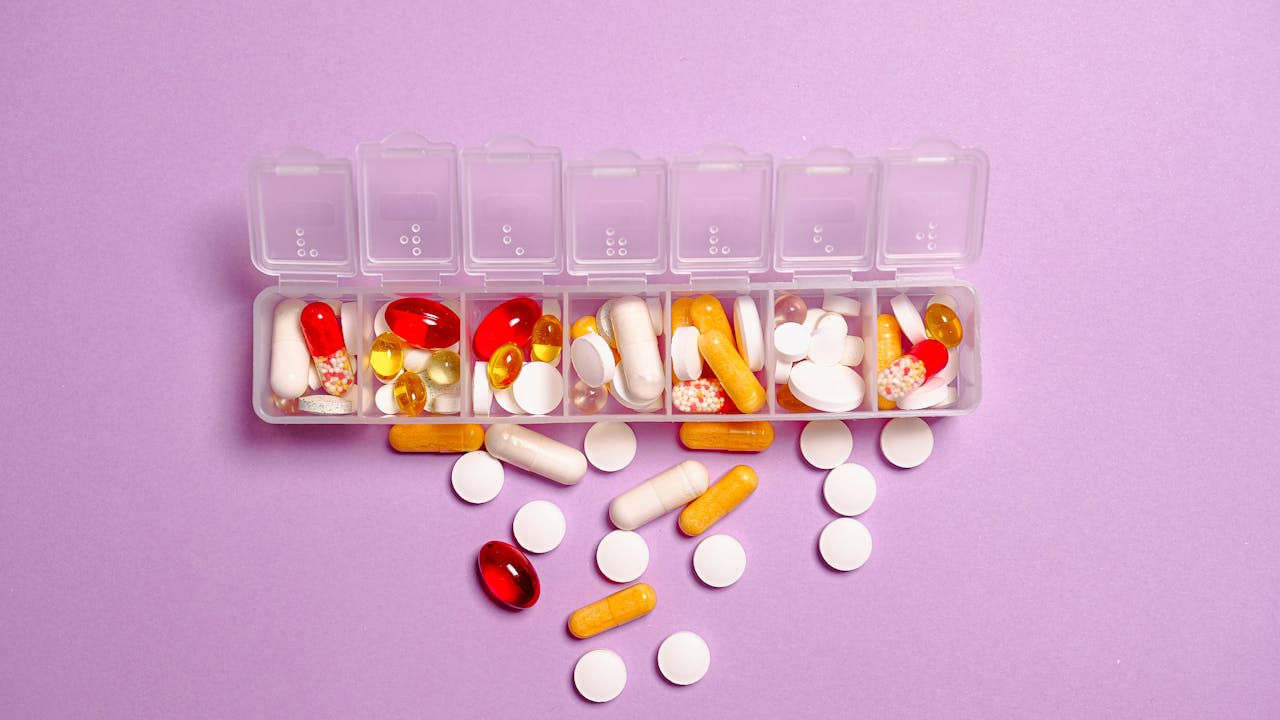 Pharmaceutical-grade MB manufacturing includes precise formulation, rigorous testing, and batch traceability at every stage
The contamination problem: why this isn't overcautious
You might wonder if the grade distinction is overblown. It isn't. A historical analysis of 38 commercial methylene blue samples found metal concentrations ranging from 0.02% to over 25% by weight. That means some commercial products were nearly a quarter heavy metals by mass.
A 2022 review published in PMC concluded that "safety issues in the modern use of methylene blue are rampant due to the use of non-USP products available online, irregularities in pharmacy quality control practices, and in some cases low awareness of the potential toxicant load in methylene blue raw material."
Heavy metals accumulate. Lead, arsenic, cadmium, and mercury don't metabolize out quickly. At low doses like 5-10 mg per day for longevity purposes, the compound-specific toxic load is small. But if your methylene blue contains 2% lead by weight and you're taking 10 mg per day, you're consuming 0.2 mg of lead daily. That adds up. The tolerable daily intake for inorganic lead is essentially zero, with no safe threshold established.
Azure B contamination is a separate issue. Azure B is a demethylated analog of methylene blue with its own pharmacological profile. If your methylene blue contains significant Azure B, you're not taking what you think you're taking. The USP limit of less than 2.5% Azure B exists because the two compounds aren't equivalent, and unknowingly dosing Azure B alongside your methylene blue changes the actual effects.
For the heavy metals question specifically, the research is clear: reagent grade sources have documented contamination issues that pharmaceutical grade controls for. This is a real risk, not a theoretical one.
The right check before adding any methylene blue to your stack is the supplement interaction checker, and knowing your MB is genuinely pharmaceutical grade is the baseline requirement before any interaction check matters.
Major wholesale suppliers of pharmaceutical-grade methylene blue
There are reliable sources and unreliable ones. Here's a breakdown of the main players in the US-focused market.
US-based suppliers
UFCBIO is one of the more accessible US-based suppliers of USP-grade methylene blue powder. Their public retail pricing runs from $12.50 per gram at 1g to approximately $6 per gram at 5g. They accept OEM and wholesale inquiries and ship within the continental US. They use amber glass vials for their smaller quantities. The drop in per-gram cost between retail and OEM pricing makes this a reasonable starting point for brands or practitioners at modest volume.
MacsChem (macschem.us) is a US-based supplier offering ultra-high purity methylene blue powder meeting cGMP standards. Their specification includes a minimum 99.5% assay, heavy metals under 1 ppm for mercury, arsenic, cadmium, and lead combined, and freedom from Azure A, B, C, and Thionin contaminants. Available in 50g, 100g, and 500g HDPE jars. Pricing is by quote rather than publicly listed, which is standard for wholesale pharmaceutical API.
Biopharm, Inc. (bphchem.com) sells a premade USP-grade 1% solution by the bottle, with volume discounts of 10% off 12+ bottles and 20% off 24+ bottles. For buyers who don't want to work with powder, this is a straightforward option. Their products come with batch documentation and are widely used in the compounding and clinical space.
Medisca (medisca.com) is one of the primary pharmaceutical API distributors serving US compounding pharmacies. They stock USP-grade methylene blue powder in 25g, 100g, and 1kg sizes. Access requires a trade account (licensed pharmacy or legitimate business). Cold storage at 2-8°C is specified for their pharmaceutical-grade stock. If you're a compounding pharmacist sourcing API, Medisca is likely already in your supply chain.
International suppliers shipping to the US
Wuhan Fortuna Chemical (fortunachem.com) is a Chinese manufacturer offering methylene blue powder meeting USP, EP, BP, JP, and CP standards with a minimum 1 kg order. Their COAs show 99%+ assay. Pricing is on a quote basis. Shipping is in 1 kg foil bags or 25 kg drums. For supplement brands needing larger quantities, this is the kind of supplier that makes per-gram economics work at scale, provided you've done thorough vetting and independent third-party testing on receipt.
ProVita Biotech (provitabio.com) is a Chinese supplier of GMP, Kosher, and Halal certified bulk MB powder. Their published COA data shows 99.47% HPLC assay with extremely low heavy metals: lead under 0.05 ppm, arsenic at 0.0151 ppm, cadmium at 0.532 ppm, mercury at 0.0159 ppm. Available in 25 kg drums. Quotes required for pricing.
Macsen Labs (macsenlab.com) is an Indian manufacturer with US FDA, EU GMP, WHO GMP, and ISO certification specifically for injectable pharmaceutical-grade MB USP. They're one of the few internationally based manufacturers with US FDA certification for this compound, which makes them appropriate for 503B compounding applications.
A word on all international suppliers: verifying them takes work. Look up their facility registration number on the FDA website (for US FDA-registered facilities). Demand a COA tied to your specific lot number. Have an independent US-accredited lab test your received shipment before use. This isn't paranoia. It's basic supply chain hygiene.
How to read a certificate of analysis
A COA (certificate of analysis) is only as valuable as the information it contains and the lab that produced it. Most suppliers will hand you a COA. Most buyers don't know how to evaluate one.
Here's what a legitimate COA for pharmaceutical-grade MB must include:
Lot or batch number. This must match the batch you received. Generic COAs not tied to a specific lot are meaningless. Ask for the COA for your specific lot before or at the time of purchase.
Assay result. Should show 98.0-103.0% by HPLC. Not "passes assay." An actual percentage with a test method listed.
Chromatographic purity or Azure B content. Should be reported as a percentage. Azure B should be under 2.5%. If the COA doesn't test for Azure B specifically, that's a red flag.
Heavy metals panel with element-specific results. Not "passes heavy metals test" or "complies with USP limits." Actual ppm or ppb values for at minimum: arsenic, lead, cadmium, mercury, copper, zinc. A COA that only says "ND" (not detected) without stating the detection limit tells you nothing. "Not detected above X ppm" is meaningful. "ND" without a limit is not.
Residual solvents. Should include testing for methylene chloride, chloroform, and other ICH Q3C solvents relevant to the manufacturing process.
Loss on drying. Standard moisture content check.
Identity confirmation. IR spectroscopy or HPLC fingerprint matching a reference standard.
Name and accreditation number of the testing laboratory. A legitimate COA will list the specific lab that ran the tests, not just "tested internally." If the supplier claims third-party testing, verify the lab's accreditation at A2LA (a2la.org) or UKAS databases. The accreditation number should be listed.
Red flags on a COA: No lot number. Generic "passes" statements without actual measurements. Heavy metals listed only as "complies" or "NMT" (not more than) without the actual measured value. No identifiable testing laboratory. A COA that looks like it was made in a word processor without authentic test report formatting.
The pharmaceutical-grade methylene blue capsules guide covers the consumer side of quality assessment. For wholesale, the same principles apply but you're evaluating the raw material rather than a finished product.
Pricing breakdown: wholesale vs retail
Understanding the economics helps you assess whether a supplier is offering genuine wholesale pricing or just slightly discounted retail.
Here's a realistic breakdown of what to expect at different volumes and grades:
Aquarium/industrial grade runs $5-10 per gram retail, $1-3 per gram in kilogram quantities from Chinese suppliers. Again, not for human use.
Reagent/lab grade runs $20-40 per gram retail (Sigma-Aldrich tier). Wholesale laboratory purchasing can bring this to $8-15 per gram. Still not suitable for human use, and not cost-effective versus proper pharmaceutical grade.
USP pharmaceutical grade powder at small retail quantities (1-5g): roughly $6-15 per gram from suppliers like UFCBIO. At 25g through trade channels (Medisca): roughly $10-20 per gram. At 100g: approximately $8-12 per gram. At 1 kg from international pharma-grade suppliers: can approach $6-8 per gram with strong documentation.
Pre-made 1% solution (retail consumer): $30-70 per 50-60 mL bottle (roughly $0.50-1.20 per mL, which at 1% concentration is $50-120 per gram of actual MB). At 24+ unit wholesale: 30-60% lower.
Compounded capsules for patients: $1-3 per capsule retail through compounding pharmacies, with the pharmacy taking a 3-10x margin above their powder cost.
Sterile IV solution for clinics (via 503B): $50-150 per vial to the clinic. Clinics charge patients $150-450 or more per infusion.
The economics of wholesale purchasing are clear: if you're sourcing for consistent use at volume, buying properly-documented USP-grade powder is dramatically cheaper per dose than buying finished consumer products. But the savings evaporate quickly if your "wholesale" source is selling you non-pharmaceutical grade material that doesn't meet USP standards.
Storage requirements for bulk methylene blue
Methylene blue powder requires specific storage conditions to maintain purity over time.
For bulk powder, store at 15-25°C in a cool, dry location. Keep in tightly sealed containers because the compound is slightly hygroscopic. It will absorb moisture from air if left open, which affects both purity and weight-based dosing accuracy. Use amber or opaque containers to protect from light and UV exposure. Store away from oxidizing agents, strong acids, and strong bases. Standard pharmaceutical-grade shelf life when properly stored is approximately two years from manufacture date.
Medisca specifies cold storage at 2-8°C for their pharmaceutical-grade stock. If your supplier includes a cold storage requirement, follow it. A refrigerated compound held out of cold storage for extended periods may not maintain USP compliance specs at the end of its labeled shelf life.
Prepared 1% solutions: do not freeze. Store at room temperature away from light. Most producers advise use within 12-24 months.
For supplement brands formulating capsules or troches from bulk powder: work with a qualified formulation chemist who can advise on the stability profile of your specific finished form and set appropriate shelf life testing parameters.
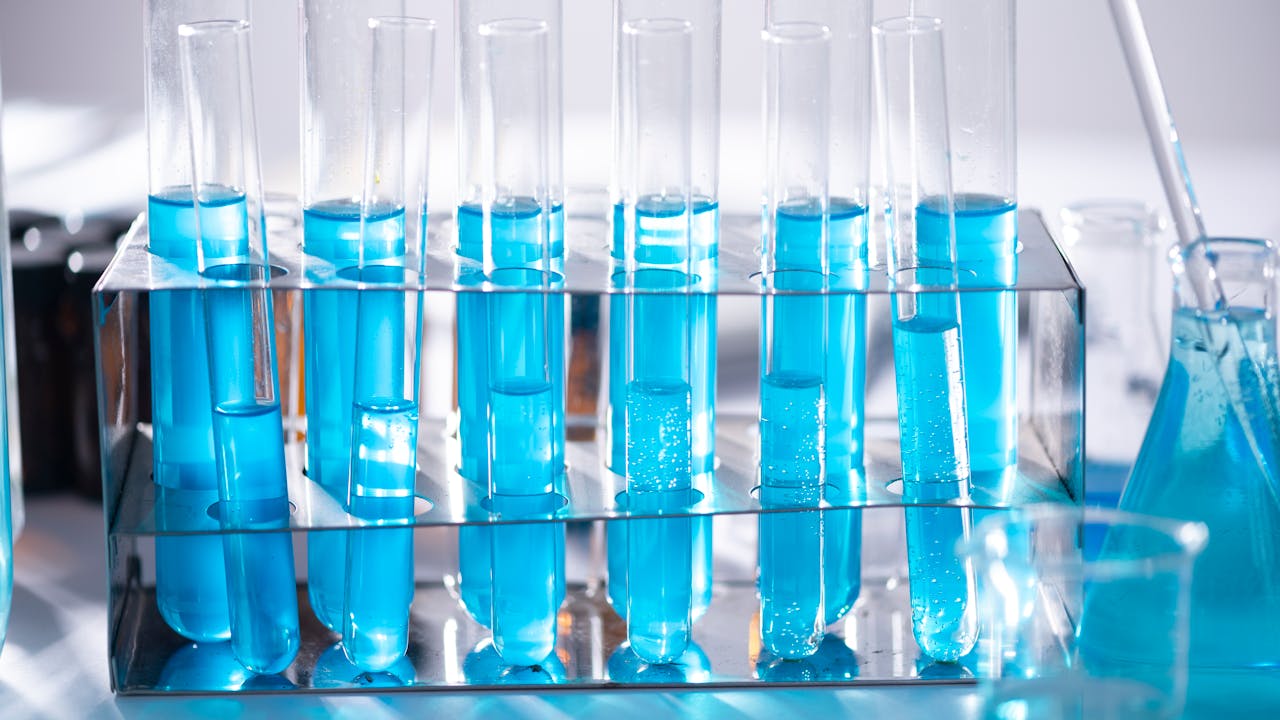 Proper storage conditions maintain pharmaceutical-grade purity throughout the product's shelf life
Legal landscape: what's regulated and what isn't
Methylene blue is not a controlled substance. It has no DEA scheduling at the federal or state level. Any individual or business can legally purchase it wholesale in the US without a special license.
The FDA picture is more nuanced. ProvayBlue (methylene blue injection 10 mg/mL, from American Regent and Provepharm) is the only FDA-approved pharmaceutical form, approved for treating methemoglobinemia. Using it for longevity or cognitive applications would be off-label.
Oral MB has no FDA-approved form. The FDA hasn't approved any oral methylene blue drug application. This creates a gray zone where it's sold as a supplement despite not having clear DSHEA (Dietary Supplement Health and Education Act) status as a recognized supplement ingredient. The FDA has been aware of this gray area for years and hasn't aggressively enforced it, but has issued warning letters to companies making therapeutic claims about MB, particularly for Alzheimer's treatment or cancer treatment.
The practical takeaway: selling methylene blue wholesale as a raw ingredient for supplement use is legal. Making disease treatment claims in your marketing crosses into unapproved drug territory and invites FDA action. Brands operating in this space keep their marketing focused on structure/function claims, not disease claims.
For compounding pharmacies, 503A pharmacies can compound MB on a patient-specific basis with a valid prescription. 503B outsourcing facilities can produce larger batches for supply to healthcare entities that administer to patients, but they cannot wholesale distribute for resale. This is why you can't simply buy sterile IV MB from a 503B pharmacy unless you're a clinic or other qualifying healthcare entity.
The IV therapy supply chain
Understanding how methylene blue actually reaches patients in a clinical IV setting demystifies the wholesale market considerably.
The supply chain has multiple steps. A physician (MD, DO, or NP depending on state scope of practice) writes a prescription for IV methylene blue. The clinic contracts with a 503A or 503B compounding pharmacy that holds sterile compounding certification. Major compounders active in this space include:
Empower Pharmacy (Houston, TX) holds both 503A and 503B registration. They compound sterile methylene blue solutions and oral capsules, serving clinics nationally. They have a dedicated clinic liaison team for account setup.
Wells Pharmacy Network operates as a 503B registered outsourcing facility producing sterile methylene blue solution at 10 mg/mL per cGMP standards. Hospital and clinic accounts purchase through them directly.
Strive Pharmacy and similar specialty compounders serve functional medicine practices and integrative clinics, handling both sterile and non-sterile MB preparations.
The compounding pharmacy sources its raw USP-grade API from a pharmaceutical distributor (Medisca being the primary channel) or directly from an FDA-registered API manufacturer. The chain goes: API manufacturer → pharmaceutical distributor → compounding pharmacy → clinic → patient.
This is why you can't replicate a clinical IV methylene blue protocol by ordering drops online and self-infusing. The sterile compounding, pharmaceutical-grade raw material, and clinical administration are all distinct steps that require separate infrastructure.
What you can reasonably do on your own is take pharmaceutical-grade oral MB (drops, capsules, or troches) as part of a longevity protocol under the guidance of a physician familiar with the compound. The dosage dropper guide and pharmaceutical-grade capsules guide cover the oral options in detail.
 IV therapy clinics source sterile methylene blue through licensed compounding pharmacies, not through retail supplement channels
For supplement brands entering the MB market
If you're a supplement brand considering methylene blue products, the sourcing and quality story is your entire proposition. The category has real quality problems. Consumers who've done any research know this. Brands that can demonstrate verified pharmaceutical-grade sourcing, third-party testing, and transparent COA documentation have a genuine differentiator.
Minimum viable quantity to start: most US-based USP-grade suppliers will work with you at 25-100g for OEM pricing conversations. At 100g, the per-gram economics become genuinely compelling versus retail. International suppliers typically have 1 kg MOQs, which is a larger commitment but opens up even better pricing.
Quality testing requirements before launch:
- Have an independent, ISO/IEC 17025 accredited US lab test your received raw material, not just the supplier's COA
- Test for assay, Azure B content, and a full heavy metals panel at minimum
- Test finished product for uniformity of dosage (each capsule or troche must contain the stated amount within specification)
- Establish your shelf life testing protocol (accelerated stability testing)
Format considerations: the three main formats for consumer MB products are drops (liquid solution), capsules, and troches. Each has different manufacturing requirements and user preferences. The methylene blue powder guide covers raw powder handling in more detail.
Want to understand how to position MB alongside a complete longevity stack? The WinAging AI protocol builder shows how compound combinations work in personalized protocols. It's worth understanding from a consumer education angle even if you're thinking about this from a brand perspective.
Branding caution: the regulatory line between supplement claims and drug claims matters here. "Supports mitochondrial function" is defensible. "Treats cognitive decline" is not. Working with a regulatory consultant before launch is worth the investment.
USP grade alone isn't the full story
One more thing worth saying directly: USP grade is a threshold, not a quality ceiling.
Two products can both be USP pharmaceutical grade and still differ meaningfully. One might have an assay of 98.5% with Azure B at 2.4% (just within the limit) and measured lead at 7.9 ppm (just within limit). Another might have a 99.8% assay, Azure B at 0.3%, and lead under 0.1 ppm.
Both are technically USP compliant. One is clearly higher quality.
When evaluating suppliers, look at the actual numbers on the COA, not just whether it says "USP grade." The best suppliers will have assays above 99%, Azure B well under 1%, and heavy metals measured in tenths of ppm rather than near the limit.
The USP-grade methylene blue guide explains this distinction in consumer terms. For wholesale buyers, the same principle applies with higher stakes since you're either consuming more of it or putting it in products that others will consume.
Frequently asked questions
Is it legal to buy methylene blue wholesale in the US?
Yes. Methylene blue is not a controlled substance and has no DEA scheduling. Any individual or business can legally purchase it wholesale without a special license. The regulatory complexity comes in if you're manufacturing pharmaceutical preparations for human use (which requires FDA compliance) or making disease treatment claims in marketing (which requires drug approval).
What's the actual difference between reagent grade and USP pharmaceutical grade?
Reagent grade is designed for laboratory research applications, not human consumption. It meets ACS standards for chemical purity in scientific use but doesn't require a full heavy metals panel with human safety limits, Azure B chromatographic purity testing, residual solvent screening per pharmaceutical guidelines, or cGMP manufacturing. USP pharmaceutical grade requires all of these. The contamination risks with reagent grade are real: historical analyses have found methylene blue samples with heavy metals at percent-level concentrations.
Can I buy pharmaceutical-grade methylene blue powder without a pharmacy license?
Yes, you can buy USP-grade MB powder as an individual or business without a pharmacy license. Suppliers like UFCBIO and MacsChem sell to non-licensed buyers. The pharmaceutical license requirements come into play when you're compounding finished drug products for patient administration (which requires 503A/503B registration) or making pharmaceutical drug claims about your product.
What's the minimum order for true wholesale pricing?
It varies by supplier. For US-based suppliers like UFCBIO and MacsChem, meaningful OEM pricing conversations typically start at 25-100g. For international suppliers like Fortuna Chemical, standard MOQs are 1 kg. At 100g from a US supplier, you're looking at approximately $8-12 per gram for pharmaceutical grade, depending on negotiated pricing. At 1 kg from an international pharmaceutical-grade supplier, prices can approach $6-8 per gram.
How should I store bulk methylene blue powder?
Store at 15-25°C in a tightly sealed, amber or opaque container away from direct light, moisture, oxidizing agents, and strong acids or bases. Some pharmaceutical-grade specifications require cold storage at 2-8°C. Shelf life under proper conditions is typically 2 years from manufacture date. Always check your supplier's specific storage requirements in the COA or product specification sheet.
Which compounding pharmacy provides methylene blue for IV use?
Empower Pharmacy (Houston, TX) is one of the most widely used for IV methylene blue, holding both 503A and 503B registrations. Wells Pharmacy Network and Strive Pharmacy are also active in this space. Access requires a physician prescription. Clinics establish direct accounts with compounders. Individual patients receive compounded MB through a patient-specific prescription filled at a 503A pharmacy.
Is methylene blue a controlled substance?
No. Methylene blue is not on any DEA controlled substance schedule at the federal or state level. It can be purchased, possessed, and used by adults without restriction related to controlled substance laws. The regulatory considerations around it relate to pharmaceutical manufacturing rules and supplement marketing claims, not controlled substance law.
How do I verify that a supplier's COA is legitimate?
Request the COA for your specific lot number before purchase. Look for element-specific heavy metals values in ppm (not just "passes" statements), actual assay percentages by HPLC, Azure B content by chromatographic purity, residual solvents data, and the name and accreditation number of the testing laboratory. Verify the testing lab's accreditation at A2LA (a2la.org) for US-accredited labs. A legitimate COA is tied to a specific batch and produced by an identifiable, accredited third-party laboratory.
What's the shelf life of pharmaceutical-grade methylene blue?
When properly stored (15-25°C, away from moisture and light, in sealed containers), bulk pharmaceutical-grade MB powder typically has a 2-year shelf life from manufacture date. Pre-made 1% solutions are generally rated for 12-24 months. Cold storage specifications from some suppliers may extend effective shelf life, but you should follow the storage conditions specified in your supplier's documentation.
Related guides
- USP-grade methylene blue: why pharmaceutical grade matters
- Heavy metals in reagent vs USP-grade methylene blue
- Pharmaceutical-grade methylene blue capsules
- Best methylene blue capsules
- Supplement interaction checker
Sources
- APC Pure: What is USP grade? Methylene blue case study
- PMC: Methylene Blue, a controversial diagnostic acid and medication? (PMC9618115)
- Massey Drugs: Why you should use pharmacy-grade methylene blue
The wholesale methylene blue market isn't complicated once you know the quality tiers, what to look for in a COA, and which suppliers are appropriate for your use case. The single most important decision is insisting on USP pharmaceutical grade from a verifiable source, regardless of price pressure from lower-grade alternatives. For anyone taking or supplying this compound regularly, that's not optional.
Use WinAging's free tools to check interactions in your stack and understand how compounds like methylene blue fit into a complete longevity protocol.