TMG for smokers: why methyl donors matter
Smoking depletes your methyl donors, drives homocysteine up, and accelerates epigenetic aging. Here's how TMG helps and exactly how to use it.

If you smoke, or if you used to smoke, your methylation system is under attack in ways most people never think about.
It's not just your lungs. It's not just cardiovascular risk. It's your body's ability to regulate gene expression, repair DNA, and maintain the epigenetic patterns that keep your cells functioning like young cells. Smoking depletes the raw materials your body needs for all of that. And one of the most direct fixes is a compound most longevity-focused people already know about, just not in this context.
TMG, trimethylglycine, is a methyl donor. It provides the methyl groups your body needs to remethylate homocysteine, replenish SAM (the universal methyl donor), and run hundreds of enzymatic reactions that depend on methylation. In smokers specifically, the evidence is striking. One study found that smokers in the highest quartile of betaine intake had a 49% lower lung cancer risk than those in the lowest quartile. Non-smokers? No significant effect. The benefit was specific to the people who needed it most.
This is the guide to understanding why. How smoking depletes your methylation capacity, what homocysteine actually does to your cardiovascular system, how TMG's mechanism works, what dosing looks like for smokers versus the general population, and how to build a protocol that addresses the real damage. WinAging covers the full longevity stack, but for smokers and ex-smokers, methylation support is one of the most underappreciated places to start.

What smoking does to your methylation system
Smoking doesn't just damage the tissues it touches. It attacks the infrastructure your body uses to regulate itself at the molecular level.
Three things happen simultaneously, and they compound each other badly.
The folate and B12 destruction problem
Cigarette smoke generates enormous quantities of reactive oxygen species (ROS). These directly oxidize and destroy circulating folate, specifically 5-methyltetrahydrofolate (5-MTHF), the active form your cells actually use. A systematic review of 37,822 subjects across 32 studies found that 71% of high-quality studies showed statistically significant folate reductions in smokers. Active smokers had nearly double the risk of suboptimal folate status compared to passive smokers (OR=1.91 vs 1.20).
Vitamin B12 is hit too. Studies comparing smokers to non-smokers show 189 ng/L vs 245 ng/L (p<0.01). That's not a small difference. That's the cofactor that drives the primary methylation pathway in your body, and it's consistently depleted.
This matters because folate and B12 run what's called the methionine synthase pathway. This is how your body takes homocysteine and converts it back to methionine, the precursor to SAM. When folate and B12 are depleted, this pathway slows down. Homocysteine accumulates. And SAM, the methyl donor that drives DNA methylation and hundreds of other reactions, falls short.
Nicotine directly depletes SAM in lung tissue
This one gets less attention but may be the most direct hit.
Animal research demonstrated 15-fold and 9-fold reductions in lung SAM levels with nicotine isomers compared to controls. A 4-fold increase in liver SAH (S-adenosylhomocysteine) was also observed. SAH is a potent inhibitor of methyltransferase enzymes. So you get SAM going down and SAH going up simultaneously. The SAM/SAH ratio, which is the measure of your methylation capacity, collapses on both sides at once.
Put differently: nicotine doesn't just slow the production of methyl groups. It actively suppresses the enzymes that use them.
DNA methyltransferase suppression
Nicotine downregulates DNMT1 (DNA methyltransferase 1) mRNA and protein expression. DNMT1 is the maintenance methyltransferase responsible for copying methylation patterns during cell division. Suppress it, and you lose methylation fidelity across the genome with every cell division.
The epigenetic signature of a smoker is measurable and severe. The AHRR gene (aryl hydrocarbon receptor repressor, a tumor suppressor) shows consistent hypomethylation at site cg05575921, and this hypomethylation correlates with cardiovascular disease risk independent of other smoking biomarkers. The F2RL3 gene shows 12% lower methylation in smokers, and levels never fully return to non-smoker baseline even after 20 years of cessation.
Smoking accelerates airway cell epigenetic aging by 4.9 years and lung tissue aging by 4.3 years. You're not just accumulating damage. You're running your biological clock faster.

How homocysteine becomes the smoking gun
Here's what all this methylation collapse leads to: elevated homocysteine.
Homocysteine is an intermediate amino acid that should be quickly remethylated back to methionine or converted to cystathionine. When the remethylation pathways are impaired (depleted folate and B12, reduced DNMT activity, low SAM), homocysteine builds up. And it's toxic.
The numbers
Smokers have homocysteine levels around 11.7 μmol/L vs 10.07 μmol/L in matched non-smoker controls. That doesn't sound dramatic. But it's a dose-response relationship. More cigarettes per day, longer duration of smoking, higher homocysteine. And in patients with coronary artery disease, smokers showed 31.83 ± 1.09 μmol/L vs 15.94 ± 2.65 μmol/L in smoking controls. That's a catastrophic elevation.
The synergy with smoking is especially concerning. A large European case-control study found that smokers with homocysteine above 12 μmol/L had a 12-fold increased cardiovascular disease risk compared to non-smokers with normal homocysteine. The Nygard et al. NEJM study (one of the landmark papers on homocysteine and mortality) showed mortality ratios of 3.3x for homocysteine 9.0-14.9 μmol/L, 6.3x for 15.0-19.9 μmol/L, and 9.9x for ≥20 μmol/L in coronary artery disease patients.
The combination is synergistic in the worst way. Smoking damages vessel walls directly via oxidative stress and inflammation. Elevated homocysteine promotes thrombosis, impairs endothelial function, and accelerates atherosclerosis. They hit different mechanisms and compound each other.
Why TMG becomes critical here
There are two ways your body can remethylate homocysteine. Route 1: folate plus B12 via methionine synthase. Route 2: betaine (TMG) via an enzyme called BHMT (betaine-homocysteine S-methyltransferase). These are independent pathways. Route 2 doesn't need folate. It doesn't need B12. It works even when both are depleted.
When smoking destroys your folate and B12, Route 1 slows down. Route 2 via betaine becomes the rescue pathway. Research confirms the association of betaine with homocysteine is more pronounced in participants with low folate status. In mouse models with no functional MTHFR enzyme (so Route 1 is completely blocked), betaine supplementation restored homocysteine remethylation. The backup pathway can carry real load.
This is why TMG has a different risk-benefit calculation for smokers than for the general healthy population. You're not just optimizing. You're replacing capacity that smoking has destroyed.
The BHMT mechanism: how TMG works
TMG is a methyl donor. It contains three methyl groups on its nitrogen atom. The BHMT enzyme takes one of those methyl groups and transfers it to homocysteine, converting homocysteine to methionine. The TMG becomes DMG (dimethylglycine) in the process.
That methionine can then be adenosylated to regenerate SAM, restoring the universal methyl donor that powers hundreds of enzymatic reactions including DNA methylation, neurotransmitter synthesis, and phosphatidylcholine production.
BHMT is a zinc metalloenzyme expressed mainly in liver and kidney. It's the liver's primary route for managing homocysteine during periods of low folate availability, which is exactly the state a smoker is often in.
The MTHFR angle
If you carry the MTHFR C677T polymorphism (about 10-15% of most populations are homozygous C677T), your folate-dependent remethylation is already compromised, with enzyme activity reduced by around 70% in homozygous individuals. Smokers who also carry this variant face a double hit: oxidative destruction of folate from smoking, plus genetically reduced ability to use the folate that remains.
For these people, the BHMT/betaine pathway may be the primary functional remethylation route. Period. Getting TMG right isn't a nice-to-have, it's filling in for a broken system.
You can check your supplement stack compatibility using the WinAging supplement interaction checker before adding TMG to your protocol.

The lung cancer data
This is where the research gets interesting in a specific way.
A large case-control study (Xu et al., PLOS ONE) enrolled 2,821 lung cancer cases and 2,923 controls. Researchers found that higher dietary betaine intake was significantly associated with reduced lung cancer risk, but only in smokers. Current smokers in the highest betaine quartile had a 49% reduction in lung cancer risk (OR=0.51, 95% CI 0.39-0.66) compared to the lowest quartile. Former smokers showed a 30% reduction (OR=0.70, 95% CI 0.55-0.88). In never-smokers, there was no significant association at all.
The absence of effect in never-smokers is the key finding. This isn't a non-specific antioxidant effect. It's something specific to the interaction between betaine status and smoking-induced damage. The proposed mechanism is that higher betaine intake counteracts smoking-induced DNA hypomethylation at cancer-relevant gene loci. When methylation is maintained, tumor suppressor genes stay regulated. When methylation falls apart, the brake system that prevents uncontrolled cell growth starts failing.
This doesn't mean TMG is a smoking solution or a cancer prevention drug. It's not. The data is observational. But it's the kind of finding that makes the mechanistic case much more compelling: the people whose methylation systems were most stressed by smoking were the ones who benefited most from higher betaine availability.
What the clinical evidence shows on homocysteine
The homocysteine data for betaine supplementation is some of the cleaner data in the supplement world.
A meta-analysis of five RCTs (206 total participants, doses 4-6 g/day, duration 6-24 weeks) showed betaine reduced plasma homocysteine by 1.23 μmol/L (11.8% from baseline). These studies used participants with normal baseline homocysteine. Smokers typically start higher. The absolute reduction for someone starting at 14 μmol/L would likely be proportionally larger.
The dose-response is clear. One study examined 1.5 g/day, 3 g/day, and 6 g/day in a controlled design. Results: 12%, 15%, and 20% reduction respectively. Even a single oral dose of 3-6 g lowered plasma homocysteine within 2 hours.
For a smoker starting at 12 μmol/L (above the threshold associated with 12x cardiovascular risk when combined with smoking), even an 11.8% reduction brings levels to approximately 10.6 μmol/L, which may move them below that critical threshold. That's a meaningful clinical outcome from a supplement with a strong safety record.
TMG dosing for smokers
There's no dedicated clinical trial that has enrolled active smokers, given them TMG, and measured methylation endpoints. That gap is real. What follows is evidence-based inference based on what we know about smoker physiology and betaine's mechanisms.
The framework
General population longevity use (NMN supplementation context, David Sinclair's protocol): 500-1,000 mg/day. This covers the methyl drain from NMN metabolism and provides baseline methylation support.
Homocysteine management with mild elevation (8-12 μmol/L): 1,500-3,000 mg/day. This is where most smokers should start.
Clinical homocysteine reduction with moderate-to-high elevation (above 12-15 μmol/L): 4,000-6,000 mg/day. These are the doses from the meta-analysis trials.
The lipid concern
There's a real caveat. Doses at or above 4 g/day are associated with modest increases in LDL cholesterol and triglycerides in healthy adults. Given that smokers already carry elevated cardiovascular risk, this matters. Most protocols for smokers suggest staying in the 2,000-3,000 mg/day range while aggressively optimizing folate and B12. If homocysteine testing shows levels above 15 μmol/L despite diet and B-vitamin optimization, the 4-6 g range may be warranted with lipid monitoring.
The protocol
Start low, 500-1,000 mg/day with meals for the first two weeks. Move to 1,500-2,000 mg/day split into two doses (morning and afternoon). Test homocysteine at 8-12 weeks. Target below 10 μmol/L. If you're still elevated, either increase TMG to 3 g/day or address folate and B12 first.
Timing: take with food to reduce GI discomfort. Morning is the primary dose. Split dosing maintains more stable blood betaine levels throughout the day.
Form: betaine anhydrous is the relevant form for methylation support. Betaine HCl (often used for digestive support) is a completely different application and doesn't serve as a methyl donor in the same way. Don't confuse them. Powder and capsule have similar absorption kinetics; powder is more economical at higher doses.
Use the biological age calculator to establish a baseline before starting, so you can track whether your interventions are actually working over time.
TMG versus folate and B12: getting the hierarchy right
TMG is not the first line of defense. It's the backup pathway, and it works best when the primary pathway is also supported.
The methionine synthase pathway (Route 1) has higher capacity under normal conditions. Folic acid supplementation lowers homocysteine more than betaine in head-to-head comparisons in healthy adults. B12 is the cofactor that makes the enzyme run.
The correct hierarchy for smokers:
First, optimize folate. For most people, 400-800 mcg of methylfolate daily. If you carry MTHFR C677T, methylfolate is more effective than folic acid because it bypasses the conversion step your enzyme can't efficiently perform. Dietary sources include leafy greens, legumes, and fortified foods.
Second, optimize B12. 1,000 mcg of methylcobalamin daily is a reasonable target. B12 deficiency is common even in the general population and more pronounced in smokers. Sublingual or methylcobalamin forms have better absorption than cyanocobalamin in some individuals.
Third, add TMG. Now you're running both pathways. Folate/B12 via methionine synthase, betaine via BHMT. They're independent enzymes, they're additive, and they cover each other's gaps. One combination supplement in a controlled trial that included folate, B12, B6, B2, zinc, and betaine reduced homocysteine from 21.5 to 10.0 μmol/L (more than 55% of participants achieving below 10 μmol/L). The synergy is real.
Also add B6. B6 drives the transsulfuration pathway (Route 2 for homocysteine disposal, converting it to cystathionine), which is separate from remethylation. Covering all three disposal routes simultaneously is the comprehensive approach.
Other benefits of TMG relevant to smokers
The homocysteine and methylation story is the primary reason smokers should care about TMG. But there are secondary benefits that are specifically relevant to the damage profile smoking creates.
Liver protection
Smokers have elevated hepatic oxidative stress. Betaine protects the liver by restoring the SAM/SAH ratio in liver cells, increasing glutathione synthesis via the methionine pathway, suppressing NF-κB and downstream pro-inflammatory cytokines, and inhibiting NLRP3 inflammasome activation. Human clinical trials in non-alcoholic steatohepatitis showed decreased grades of histological steatosis, inflammation, and fibrosis at 3-4 g/day.
Smokers with fatty liver (common as this demographic ages) have a specific benefit here that goes beyond homocysteine management.
Cardiovascular mechanistic support
Beyond homocysteine reduction, betaine has been shown to reduce atherosclerotic lesion area in animal models, lower inflammatory markers (CRP) in observational studies with higher choline and betaine intake, and preserve mitochondrial function in cardiac tissue under oxidative stress. The mechanistic picture is consistent with the kinds of damage smoking causes to the vascular system.
The caveat bears repeating: the lipid increase at high doses remains a concern for smokers. Stay monitored if you go above 3 g/day.
The TMAO question
The common worry about betaine is that it converts to TMAO (trimethylamine N-oxide), which is associated with cardiovascular disease in some observational studies. The evidence doesn't support this concern at typical supplement doses. Betaine itself shows cardiovascular-protective effects in the same studies that show TMAO concern. Elevated TMAO correlates with fish consumption, red meat (via L-carnitine), and egg yolk (via choline), not betaine from supplements. Whether betaine meaningfully increases TMAO depends heavily on individual gut microbiome composition and the overall dietary context.
Foods high in TMG: the dietary angle
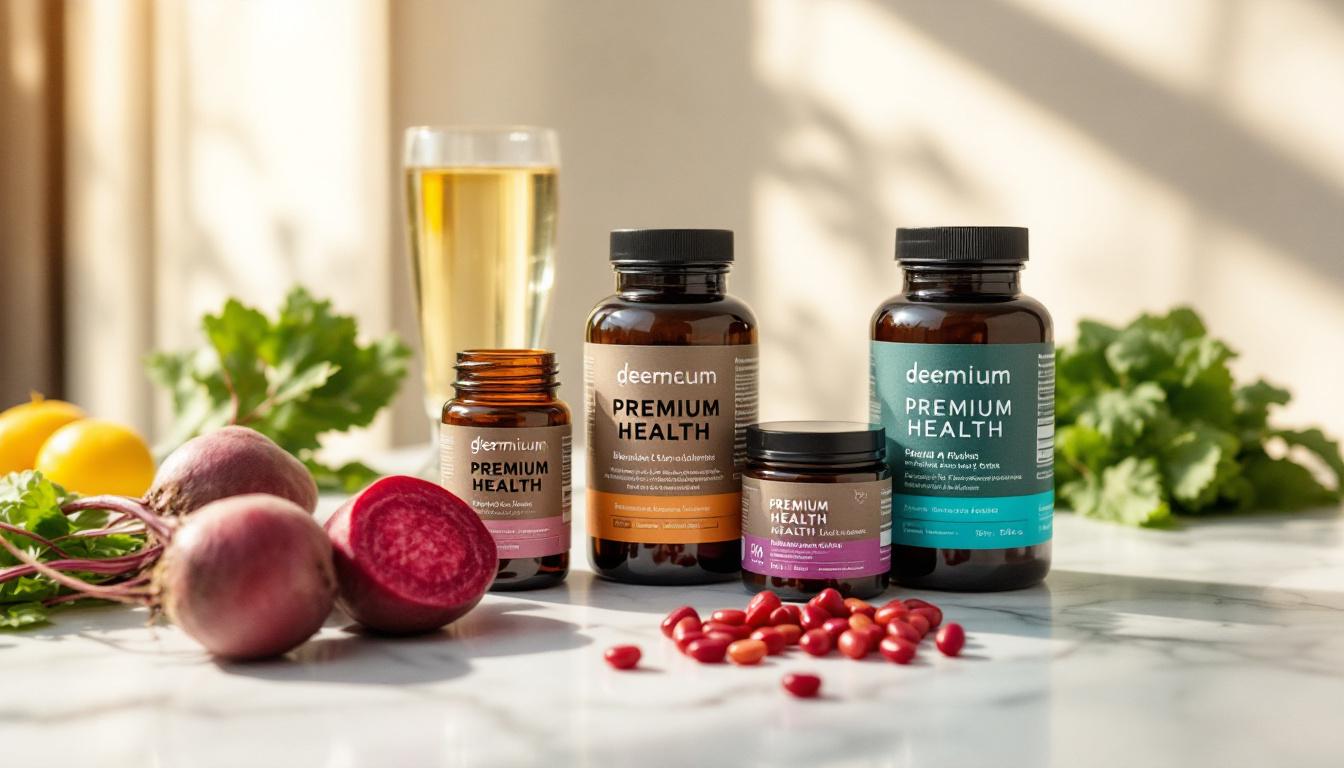
If you're not ready to supplement, you can meaningfully increase betaine intake through food. Beets are the richest source at around 127-145 mg per 100g. Spinach provides roughly 600-800 mg per 100g (highest concentration in cooked form). Quinoa, wheat germ, rye, and whole wheat products are also substantial sources.
The problem for smokers is that they average 42.7 mg/day of dietary betaine vs 55.7 mg/day for non-smokers, and they're starting from a depleted baseline due to oxidative destruction of folate and nicotine's direct SAM depletion. Food sources help but probably can't fully compensate for smoking-induced methylation deficits. Supplementation bridges the gap.
This is also why the lung cancer study finding is so useful: it shows a dose-response with betaine intake across quartiles, meaning even modest improvements in dietary betaine showed dose-dependent risk reduction. Every little bit counts. But the top quartile effect (49% risk reduction) required intake substantially above the average.
For ex-smokers: how long does this matter?
This is a practical question people don't ask enough.
The epigenetic signature of smoking is remarkably persistent. F2RL3 methylation (one of the most studied smoking-associated CpG sites) only approximates non-smoker levels after about 20 years of cessation, and may never fully recover. AHRR methylation improves faster but still lags. The global hypomethylation pattern caused by smoking takes years to decades to partially resolve.
Homocysteine levels improve after cessation, but the trajectory depends on whether the B-vitamin depletion has been addressed. Many ex-smokers assume their metabolic status normalizes quickly after quitting. It doesn't. The B12 and folate destruction, the SAM depletion in lung tissue, the DNMT suppression, these don't reverse overnight.
For ex-smokers in the first five years post-cessation, the methylation support argument is nearly as strong as for active smokers. After that, the case weakens somewhat, though people who smoked heavily for many years should probably continue monitoring homocysteine and methylation biomarkers. The damage was cumulative and the repair is also cumulative.
WinAging tracks the emerging research on longevity interventions for different risk profiles, including smokers and ex-smokers. The methylation angle on smoking damage is still underrepresented in mainstream longevity discussions, and it deserves more attention given how long the damage persists.
What to test before and during supplementation
Testing homocysteine is the most direct proxy for methylation function in this context. Target below 10 μmol/L. Above 12 μmol/L warrants active intervention. Results above 15-20 μmol/L require more aggressive management, often in consultation with a physician.
Plasma folate and serum B12 tell you where your primary pathway stands before you layer on TMG.
If you want a more complete picture, an MTHFR gene test (available from most direct-to-consumer genetic testing services) will tell you whether you're carrying the C677T variant that shifts the hierarchy toward betaine dependence.
Lipid panel, specifically LDL and triglycerides, if you plan to use 4+ g/day of TMG long term.
You can use the supplement interaction checker to verify that TMG fits safely with other compounds in your stack. TMG interacts favorably with B12, folate, B6, and zinc. No significant interactions with common longevity compounds at supplement doses.
Safety profile and who should be cautious
TMG has FDA approval at therapeutic doses (as Cystadane for homocystinuria, where doses reach 6-20 g/day). At supplement doses, the safety record is very good.
GI discomfort (nausea, loose stools) is the most common issue with higher doses, especially on an empty stomach. Start low and titrate, and always take with food.
Fishy body odor is rare and indicates trimethylaminuria (TMAU), a genetic condition affecting TMA metabolism. If this occurs, stop use. It's a contraindication.
At very high doses (therapeutic range for disease), hypermethioninemia (elevated methionine) can occur, and in severe cases has caused cerebral edema. At typical supplement doses of 500-3,000 mg/day in healthy individuals, this is not a realistic concern.
The lipid concern at 4+ g/day is real for smokers with existing cardiovascular risk. Keep doses below 4 g/day unless working with a physician, and monitor lipid panels if you use higher doses.
Kidney stones: betaine's metabolism can produce oxalate as a byproduct. Those with a history of calcium oxalate kidney stones should be cautious and discuss with their doctor.
Practical protocol: TMG for smokers and ex-smokers
Here's how to structure this:
Step 1: Address the primary pathway. Methylfolate (400-800 mcg), methylcobalamin (1,000 mcg), and B6 (50 mg, preferably P5P form). This restores what smoking destroys.
Step 2: Add TMG as the independent backup. Start at 500-1,000 mg with breakfast. After two weeks, move to 1,500-2,000 mg split into morning and afternoon doses.
Step 3: Test at 8-12 weeks. Homocysteine below 10 μmol/L is the target. If you're still above 12 μmol/L, increase TMG to 2,500-3,000 mg/day before considering the 4-6 g clinical dosing range.
Step 4: Optimize dietary sources alongside supplementation. Add beets and spinach regularly. These aren't just trendy health foods. They're direct sources of the compound your methylation system needs.
Step 5: Track your progress over time. Retest homocysteine at 3-6 month intervals. If you've quit smoking recently, expect the trend to improve as you address both the cessation itself and the nutrient depletion.
You can explore the full suite of longevity tools on WinAging's tools page to build a more complete picture of where your health stands and which interventions make the most sense for your profile.
Frequently asked questions
What does TMG do for smokers specifically?
TMG provides methyl groups via the BHMT enzyme pathway, which is independent of folate and B12. Since smoking depletes both folate and B12 (the primary remethylation pathway's cofactors), TMG becomes the backup route for managing homocysteine and restoring SAM, the universal methyl donor. For smokers, this backup pathway carries more load than in non-smokers.
How much TMG should a smoker take?
Most smokers should start with 1,500-2,000 mg/day split into morning and afternoon doses. Test homocysteine at 8-12 weeks. If levels remain above 12 μmol/L, increase to 2,500-3,000 mg/day. The clinical range of 4-6 g/day shows greater homocysteine reduction but is associated with modest LDL increases, which matters for smokers with existing cardiovascular risk.
Is betaine the same as TMG?
Yes. TMG stands for trimethylglycine. Betaine anhydrous is the same compound. "Betaine" is the scientific name; "TMG" is a common supplement marketing name. They're chemically identical and used interchangeably in research. Betaine HCl (betaine hydrochloride) is different: it's used to increase stomach acid and does not serve as a methyl donor in the same way.
Does TMG help with nicotine cravings or quitting?
No. TMG's role is in methylation biochemistry, not addiction neuroscience. It doesn't affect nicotinic acetylcholine receptors, dopamine systems, or nicotine withdrawal. It addresses the metabolic damage smoking causes but does not help with cessation directly.
Should ex-smokers take TMG?
For the first five years post-cessation, the case is nearly as strong as for active smokers. The methylation damage from smoking is persistent. Homocysteine elevation, B-vitamin depletion, and epigenetic disruption don't reverse overnight. Heavy ex-smokers should test homocysteine and make a decision based on their actual levels rather than assuming cessation resolved everything.
Can I just eat more beets instead of supplementing?
Beets are an excellent source of betaine (127-145 mg per 100g), and increasing dietary intake does move the needle. The observational research on betaine and lung cancer risk was based on total dietary intake, not supplementation. But smokers average 42.7 mg/day of dietary betaine, and the top quartile that showed 49% cancer risk reduction was substantially above average. Getting there through food alone is possible but requires consistent, high intake. Supplementation is the more reliable way to hit therapeutic doses for homocysteine management.
Can I take TMG with NMN?
Yes. David Sinclair takes TMG specifically alongside NMN to offset the methyl drain created when NMN is metabolized to nicotinamide and then excreted via NNMT. For smokers taking NMN, this makes TMG even more relevant: you're addressing the NMN-related methyl drain on top of the smoking-related methylation deficit. Check your full stack with the supplement interaction checker to confirm there are no concerns.
Looking for a complete protocol, not just one compound? The WinAging protocol builder creates personalized longevity stacks based on your specific goals and health profile.
Related guides
- Best berberine supplement: the complete guide
- Glycine dosage for anti-aging: what the research says
- Resveratrol or NMN: which one should you take?
- Check your supplement interactions
- Calculate your biological age
Sources
- Associations between dietary betaine and lung cancer risk - PMC (Xu et al., 2013)
- Betaine supplementation and homocysteine: meta-analysis - PMC
- Cigarette smoking and DNA methylation - Frontiers in Genetics
Your methylation system is fixable. The damage smoking does to folate, B12, and SAM is real, but it's addressable. Start with the B-vitamins, add TMG as the independent backup pathway, test your homocysteine, and adjust based on what your actual numbers show. Science-backed, no fluff. Explore the full longevity toolkit at WinAging and take the first step toward reversing the damage, not just accepting it.