Instantized Creatine: Benefits, Dosage, and Best Brands
Instantized creatine mixes cleaner but works identically to standard monohydrate. Learn what it is, whether the premium is worth it, and optimal dosing for longevity.
import { QuickAnswerBox, TableOfContents, TipBox, WarningBox, InfoBox, ComparisonGrid, DataTable, FAQSection, RelatedGuides, NumberedSteps } from '@/components/articles';
Most creatine shoppers focus on price. They see two tubs side-by-side — one labeled "creatine monohydrate," the other "instantized creatine" at twice the cost — and pick the cheaper option without a second thought. That's not necessarily wrong. But if you've spent any time reading labels, you've probably wondered what "instantized" actually means and whether it's worth paying more for.
The short answer: instantized creatine is the same molecule as regular creatine monohydrate. The longer answer explains why that distinction matters, what changes in the processing, and why serious longevity users care about the details.
Creatine is one of the most studied compounds in all of sports nutrition and increasingly in longevity science. Over 500 peer-reviewed publications examine it. A 2025 study linking creatine intake to epigenetic aging markers made researchers sit up straight. The compound works. The form you choose mostly comes down to how you want to drink it. But let's break down exactly what you're buying when you see "instantized" on the label, and why it might actually matter more as you get older.
<TableOfContents items={[ { id: "what-is-instantized-creatine", title: "What is instantized creatine?" }, { id: "instantized-vs-regular", title: "Instantized vs regular creatine monohydrate" }, { id: "creapure", title: "What is Creapure and does it matter?" }, { id: "other-forms", title: "Other creatine forms: what the research actually says" }, { id: "the-science", title: "The science behind creatine monohydrate" }, { id: "longevity", title: "Creatine for longevity and aging" }, { id: "dosage", title: "Dosage guide" }, { id: "side-effects", title: "Side effects and safety" }, { id: "how-to-choose", title: "How to choose quality instantized creatine" }, { id: "who-benefits", title: "Who benefits most?" }, { id: "stacking", title: "Stacking creatine with longevity compounds" }, { id: "faq", title: "Frequently asked questions" }, ]} />
What is instantized creatine? {#what-is-instantized-creatine}
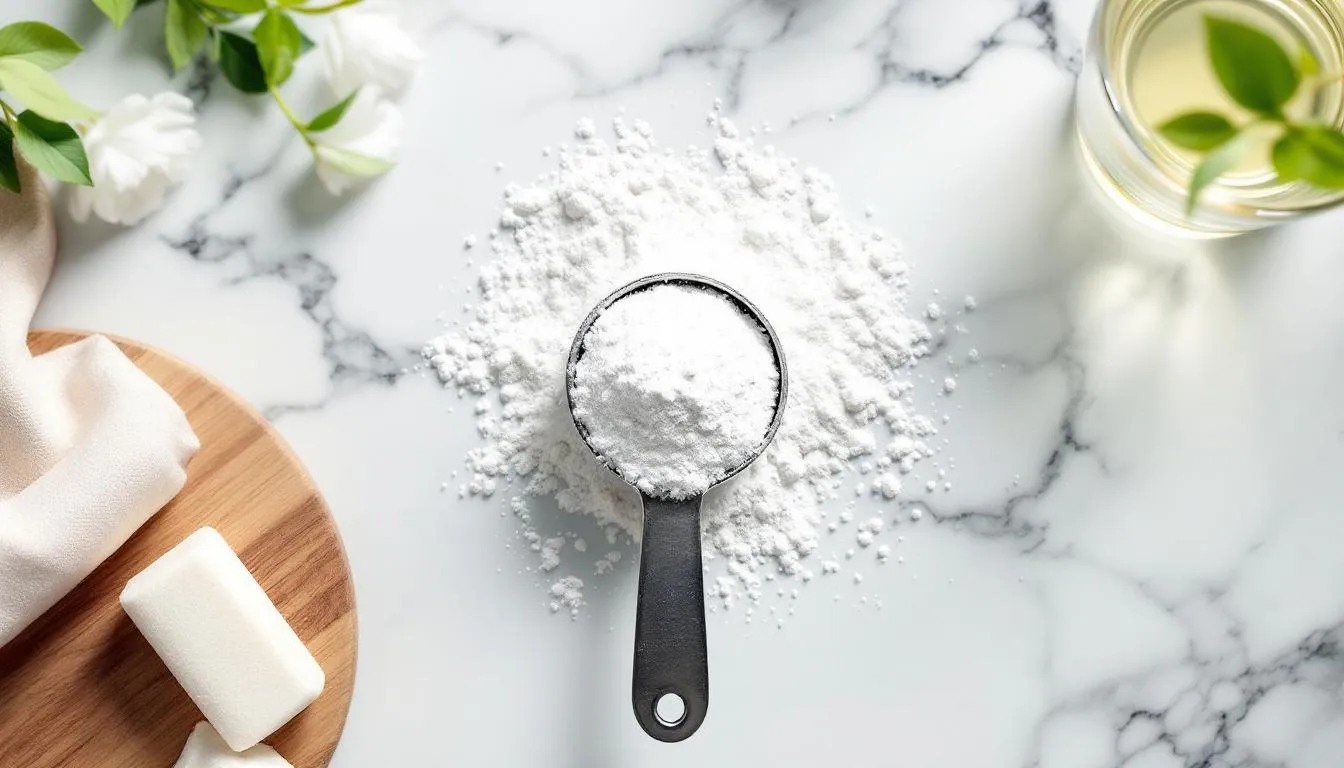
Instantized creatine is not a different compound. It's not a proprietary formulation. It's creatine monohydrate that has gone through an additional mechanical processing step called micronization.
During micronization, manufacturers grind standard creatine crystals using high-pressure milling equipment until the particles reach approximately 600 mesh fineness. To put that in perspective: regular creatine monohydrate typically has larger particles that settle into clumps and leave a gritty texture at the bottom of a shaker bottle. Instantized creatine particles are roughly 20 times smaller, which dramatically increases the total surface area per gram of powder.
More surface area means faster interaction with water. That's the whole story, mechanistically. Smaller particles disperse more evenly through liquid rather than sinking to the bottom.
This matters for a simple practical reason. If you're taking creatine daily for years (which is the longevity use case), palatability and convenience affect whether you actually stick to it. A supplement you hate taking is a supplement you stop taking. Instantized creatine dissolves cleanly in cold water without requiring you to stir vigorously or chug your shake immediately before the powder settles. You can mix it into yogurt or oatmeal without a sandy texture. For some people, especially those with sensitive stomachs, finer particles may also reduce mild GI discomfort that occasionally accompanies standard monohydrate.
What instantized processing does NOT change: the chemical structure of creatine, its absorption rate in the gut, its efficacy in muscle tissue, or any of its studied health benefits. The creatine kinase pathway functions identically regardless of particle size. Your muscles don't know or care how finely ground their fuel source was before you drank it.
So when you're comparing products, "instantized" tells you about the physical processing of the powder. It says nothing about purity, source, or whether the product has been tested for contaminants. For those details, you need to look elsewhere.
Instantized vs regular creatine monohydrate {#instantized-vs-regular}
Let's put the key differences side by side.
<DataTable
headers={["Property", "Regular creatine monohydrate", "Instantized creatine"]}
rows={[
["Particle size", "Standard (larger crystals)", "20x smaller (micronized)"],
["Mixability in cold water", "Moderate, clumps easily", "Disperses quickly, minimal clumping"],
["Texture/mouthfeel", "Gritty if undissolved", "Smooth, clean"],
["Chemical structure", "Creatine monohydrate", "Creatine monohydrate (identical)"],
["Bioavailability", "99% absorbed", "~99% absorbed (unchanged)"],
["GI tolerance", "Good for most; some report grit", "Slightly better for sensitive users"],
["Athletic performance", "Gold standard across 500+ studies", "Identical to regular monohydrate"],
["Price", "Lower", "Moderately higher due to extra processing"],
]}
/>
The bioavailability point is worth emphasizing. Dissolving faster in water is not the same as being absorbed faster by your intestines. Absorption is controlled by intestinal creatine transporters (SLC6A8 and SLC6A9), not by particle size. Both forms saturate muscle creatine stores equally over time. There is no human clinical trial demonstrating superior performance outcomes, lean mass gains, or faster creatine saturation from instantized versus standard monohydrate.
The practical wins for instantized are real: mixability, texture, and potentially GI comfort. But they're not biochemical wins. If cost is your main concern, regular monohydrate is a perfectly rational choice. If you value convenience and a smooth-tasting supplement you'll actually enjoy taking, instantized is worth the modest premium.
Use our supplement interaction checker to verify that creatine works with the rest of your stack before you start.
What is Creapure and does it matter? {#creapure}
While shopping for instantized creatine, you'll often see the Creapure name on the label. This is a separate quality designation from "instantized," and it's worth understanding what it means.
Creapure is a brand name for creatine monohydrate manufactured exclusively by AlzChem Trostberg GmbH in Trostberg, Germany. The company uses a proprietary synthesis process starting from sarcosinate and cyanamide that minimizes two impurities found in lower-quality creatine: dicyandiamide (DCD) and dihydrotriazine (DHT). Creapure achieves 99.9% or greater purity, which is verified by HPLC analysis before each shipment.
Creapure is:
- FSSC 22000 certified for food safety
- IFS FOOD certified
- Kosher and halal certified
- Listed on the Cologne List (tested against a broad doping substance panel)
- Batch-tested with a QS code for consumer authenticity verification
Most generic creatine, often manufactured in China, does not carry these certifications and may contain trace impurities. For most healthy adults taking a standard 3-5g daily dose, the impurity difference is unlikely to matter clinically. But if you're a competitive athlete subject to drug testing, or if you're simply particular about what goes into your body, Creapure source is the standard to look for.
Here's the important distinction: a product can be instantized but not Creapure (micronized generic creatine), Creapure but not instantized (pure but standard particle size), both, or neither. The terms describe different attributes. When shopping, look for both if purity and mixability both matter to you. If you're on a budget, a reputable domestic brand with a published COA (certificate of analysis) from a third-party lab is the next best option.
Other creatine forms: what the research actually says {#other-forms}
The supplement industry loves inventing new forms of familiar compounds. Creatine is no exception. You'll see creatine HCl, creatine ethyl ester, Kre-Alkalyn, buffered creatine, and various blended "tri-creatine" products marketed as superior to plain monohydrate. Here's what the actual research shows.
Creatine HCl: Often marketed on the basis of higher water solubility. It does dissolve more readily than monohydrate. The claim from manufacturers is that better solubility means better absorption and therefore lower effective doses. In practice, a 2020 study published in PMC found that creatine HCl affected some performance markers but concluded that, given its much higher price, it "cannot replace creatine monohydrate" and is not economically justified. No peer-reviewed human trial demonstrates superior muscle creatine saturation from HCl compared to monohydrate. Dissolving in water is not the same as being absorbed through the gut, and the intestinal transporter system isn't the bottleneck. Don't pay 2-4x more for a solubility advantage that doesn't translate into better outcomes.
Creatine ethyl ester (CEE): This one is worth avoiding. A head-to-head trial published in PMC (PMC2649889) directly compared CEE to creatine monohydrate and found that CEE was less effective at increasing serum creatine and muscle creatine levels, and produced inferior results for body composition, strength, and power. The reason: CEE is rapidly converted to creatinine (an inactive waste product) in stomach acid before it reaches muscle tissue. The "ester" modification was supposed to improve uptake but actually accelerated degradation. Skip it.
Kre-Alkalyn (buffered creatine): Marketed as a form that resists conversion to creatinine in the stomach (supposedly because it's pH-buffered). Studies examining this claim haven't shown any advantage over standard monohydrate. The theoretical premise is scientifically questionable since creatine monohydrate itself is relatively stable in the acidic environment of the stomach.
The verdict: Plain creatine monohydrate, whether standard or instantized, remains the gold standard. It has more supporting research than all alternative forms combined. If someone is selling you a "superior" creatine form at a meaningful price premium, the scientific justification almost certainly doesn't hold up.
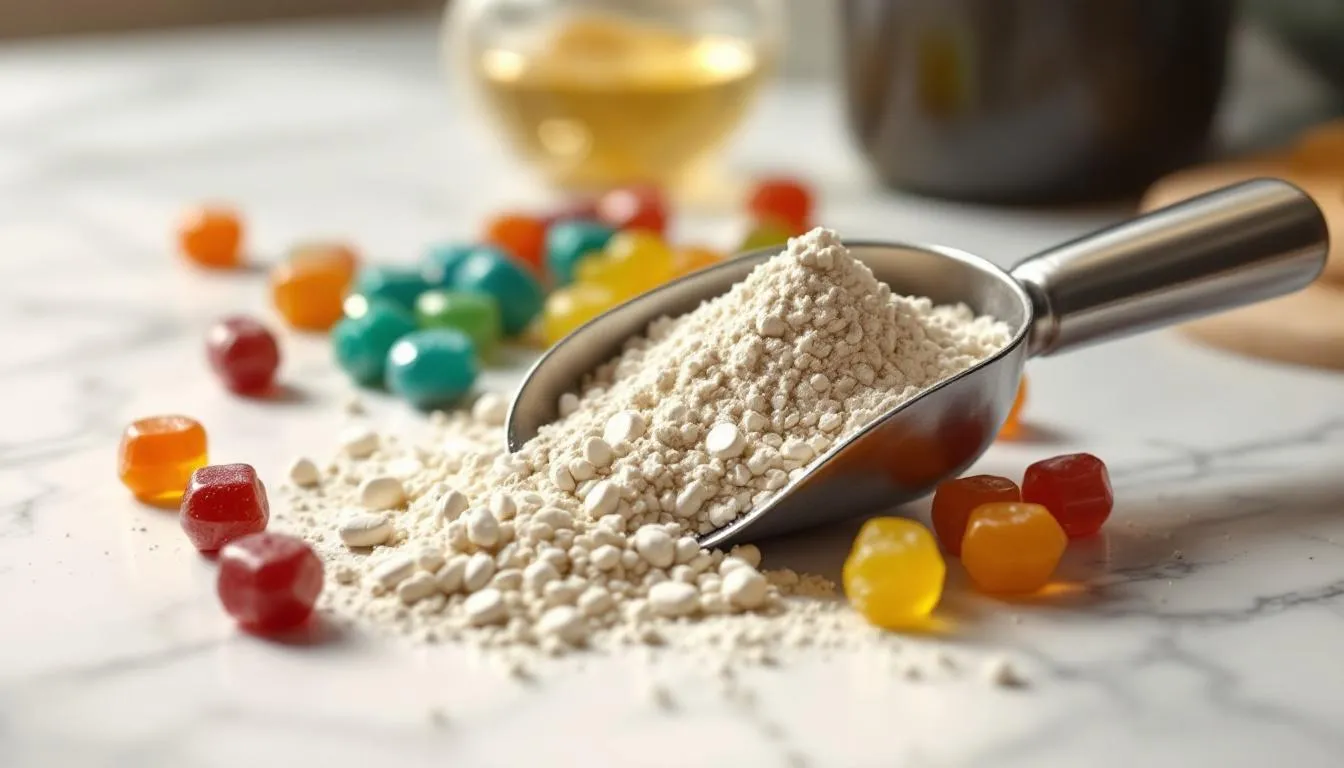
Use the WinAging supplement interaction checker to verify that your creatine choice works safely with any other compounds you're taking. And if you're weighing delivery formats, our breakdown of creatine gummies vs powder covers that angle in detail.
The science behind creatine monohydrate {#the-science}
Creatine works through the phosphocreatine energy system. Here's the simplified version: your muscles run on ATP (adenosine triphosphate). During intense exercise, ATP gets used up faster than your body can regenerate it from food. Phosphocreatine acts as a rapid-refill reserve. When ATP is depleted, creatine donates a phosphate group to ADP (adenosine diphosphate), instantly regenerating ATP and allowing muscles to continue working.
Supplementation saturates muscle phosphocreatine stores by 20-40% above baseline. That translates directly to more available energy during high-intensity efforts, faster recovery between sets, and greater training volume over time.
The research backing this is extensive. Over 500 peer-reviewed publications examine creatine. The International Society of Sports Nutrition (ISSN) has reviewed this literature multiple times and consistently concludes that creatine monohydrate is one of the most effective and safe dietary supplements available for improving high-intensity exercise capacity and lean mass.
Loading protocol: Taking 20g per day (split into 4 doses of 5g) for 5-7 days rapidly saturates muscle creatine stores. After loading, 3-5g per day maintains that saturation. This approach reaches full saturation in about a week.
Maintenance-only approach: Taking 3-5g per day without a loading phase reaches the same saturation point after approximately 28 days. The advantage: no GI side effects from large single doses. For longevity users who aren't in a rush, this is the sensible approach.
A 2013 JISSN study (PMID: 23919405) found post-exercise creatine ingestion produced slightly greater lean mass and strength gains compared to pre-exercise dosing. The effect was modest. Timing matters less than daily consistency. You're trying to keep muscle creatine stores saturated, not time a peak.
Co-ingesting creatine with protein and carbohydrates, specifically around 50g of each, enhances uptake through insulin-mediated creatine transport. In practical terms: take creatine with a meal containing protein and some carbs, and you'll absorb it well. An empty stomach is not ideal, but it's also not a dealbreaker.
Check your creatine calculator to find the right daily dose for your body weight and training goals.
Creatine for longevity and aging {#longevity}
This is where the conversation shifts. The gym benefits are well-established. But the longevity data is what's making researchers excited about creatine as a genuine anti-aging compound, not just a performance enhancer.
The sarcopenia problem
Sarcopenia, the progressive loss of muscle mass and strength that accelerates after age 40, is one of the most significant predictors of mortality in older adults. People who maintain more muscle mass live longer, recover from illness faster, and retain independence further into old age. The problem is that muscle creatine stores decline naturally with age, and so does endogenous creatine synthesis.
A 2025 systematic review and meta-analysis published in Frontiers in Physiology examined the effect of creatine supplementation plus resistance training in adults aged 55 and older. The finding: creatine added approximately 1.2 kg of additional lean mass beyond what exercise alone produced. That's a clinically meaningful number for a population fighting sarcopenia.
Bone density
Muscle and bone are connected. As muscle mass declines, so does mechanical loading on bone, and bone density follows. A 12-month randomized controlled trial in postmenopausal women compared creatine supplementation plus resistance training against placebo plus resistance training. The creatine group lost -1.2% of femoral neck bone mineral density. The placebo group lost -3.9%. Bone resorption markers dropped 27% in the creatine group versus a 13% increase in the placebo group. That's a substantial protective effect against one of the most common causes of disability and death in older women.

Epigenetic aging
The most intriguing recent finding comes from a 2025 study published in Lifestyle Genomics. Researchers analyzed dietary creatine intake data from 4,983 NHANES participants with a mean age of 67.6 years. They found that higher dietary creatine intake was significantly and inversely correlated with two epigenetic mortality predictors: GrimAge and GrimAge2. These "biological age clocks" use DNA methylation patterns to predict mortality risk, and they've been validated in multiple large cohort studies as better predictors of remaining lifespan than chronological age.
Higher creatine intake was associated with reduced biological age acceleration and lower mortality risk. This is the first direct evidence linking creatine to epigenetic aging clocks. It suggests creatine may not just preserve muscle function in older adults but could actually slow the rate at which your cells age at the molecular level.
Cognitive benefits
The brain is an energy-hungry organ, and creatine is present in neural tissue. Supplementation increases brain creatine levels by 5-15%. A 2024 systematic review and meta-analysis in Frontiers in Nutrition analyzed 16 randomized controlled trials across 492 participants. The findings were meaningful: creatine supplementation improved memory with a standardized mean difference of 0.31 (moderate effect size), improved processing speed (SMD -0.51), and improved attention response time.
A 2025 pilot study in Alzheimer's & Dementia: Translational Research went further. In patients with Alzheimer's disease, creatine monohydrate supplementation improved performance on global and fluid cognitive composites and specific attention and memory tasks, with an 11% increase in brain creatine levels measured by spectroscopy. This is early-stage data, but it points toward a role for creatine in neuroprotection that warrants serious attention.
Mitochondrial function
Creatine doesn't just feed the phosphocreatine system. The mitochondrial isoform of creatine kinase (mtCK) forms a complex with two mitochondrial membrane proteins (ANT and VDAC) that helps couple ATP synthesis with cytosolic energy demands. Creatine also reduces reactive oxygen species production and helps stabilize the mitochondrial permeability transition pore, a structure implicated in cell death when it opens inappropriately. Taken together, creatine supports mitochondrial integrity in ways that go beyond simple energy buffer function.
WinAging covers the full longevity compound landscape. For the bigger picture on how creatine fits into a complete stack alongside NAD+ precursors, senolytics, and other compounds, start with the free tools and explore the biological age calculator to understand your current baseline.
Dosage guide {#dosage}
<NumberedSteps steps={[ { title: "Choose your approach: loading or maintenance", description: "Loading (20g/day for 5-7 days, then 3-5g/day) reaches full saturation faster. Maintenance-only (3-5g/day from the start) reaches the same saturation in 28 days with far fewer GI side effects. For longevity users, the maintenance approach is almost always preferable. You're not in a rush. Consistency over months and years matters far more than speed of saturation." }, { title: "Find your daily dose", description: "The standard recommendation is 3-5g per day. A more precise calculation is 0.1g per kg of body weight (a 75kg person would take 7.5g, though 5g is the common practical ceiling for most adults). For older adults or those with any prior GI sensitivity to supplements, start at 3g and hold there for a few weeks before increasing. Use the creatine calculator to find your exact number." }, { title: "Time it strategically", description: "Post-workout dosing shows a marginal advantage in one study (PMID: 23919405), but the effect is small. On rest days, timing doesn't matter at all. Take creatine with a meal containing protein and carbohydrates. The insulin response from carbohydrates enhances creatine uptake into muscle tissue, and co-ingesting protein supports the protein synthesis creatine helps trigger." }, { title: "Stay consistent", description: "Daily consistency is the entire game. Creatine works by keeping your muscle stores saturated over time. Skipping a day occasionally isn't catastrophic, but taking a week off cuts into your reserves. Build it into a daily routine like vitamins or other supplements." }, { title: "Drink enough water", description: "Creatine pulls water into muscle cells. This is a feature, not a side effect. It reflects saturation. But it does mean your hydration needs increase slightly. Aim for at least 2-3 liters of water daily, more if you're training hard in hot conditions." } ]} />
Use the creatine calculator to dial in your dose based on body weight and goals.
Side effects and safety {#side-effects}
Creatine monohydrate carries an FDA GRAS (Generally Recognized as Safe) designation. The ISSN, in its most recent position paper, calls it one of the safest and most effective dietary supplements available. Let's go through the common concerns.
Kidney damage: This is the most persistent myth around creatine. Multiple systematic reviews and meta-analyses confirm that creatine supplementation does not cause kidney damage or renal dysfunction in healthy individuals at recommended doses. One nuance worth knowing: supplementing creatine can raise serum creatinine levels on a standard blood panel. Creatinine is a metabolic byproduct of creatine breakdown, and labs use it as a kidney health proxy. But elevated serum creatinine in a creatine user does not indicate kidney stress. True kidney function markers, specifically GFR (glomerular filtration rate), cystatin C, and urea, remain normal. If you're on creatine and getting bloodwork, tell your doctor. A 2025 systematic review (PMC12590749) specifically examined this and found no evidence of renal dysfunction.
GI side effects: The most common real complaint. Taking a large single dose (10g or more at once) increases diarrhea risk by 56%. Taking 20g during a loading phase in two or three large doses is a recipe for a rough afternoon. Split doses across the day, take with food, and this becomes a non-issue. Instantized creatine may be marginally gentler than standard monohydrate for people who've had GI discomfort with creatine before.
Water retention: Creatine loading increases intramuscular water content. This is the mechanism of action working as intended. Creatine is osmotically active in muscle cells, drawing water into the tissue along with it. This is not subcutaneous bloating. It's not water weight that makes you puffy. It's muscle fullness. During maintenance dosing, the effect stabilizes and most people stop noticing it.
Hair loss: The concern traces back to a 2009 rugby study showing a rise in the DHT-to-testosterone ratio after creatine loading. This finding has not been replicated in any subsequent research. No study has demonstrated that creatine supplementation causes hair loss. Current scientific consensus doesn't support the link.
Dehydration and cramping: Thoroughly debunked. Multiple experimental trials have found no increase in cramping or dehydration risk with creatine supplementation. The concern may have originated from the early days of creatine popularity in the 1990s, before robust research was available.
How to choose quality instantized creatine {#how-to-choose}
Not all creatine is the same quality, even when the label says "instantized." Here's what to look for.
Creapure source: The gold standard for purity. Look for the Creapure logo or an explicit mention of AlzChem Trostberg GmbH as the manufacturer. This gives you 99.9% purity, batch testing for DCD and DHT impurities, and a chain of custody you can verify.
Third-party certification: NSF Certified for Sport and Informed Sport are the two most respected certifications for supplement testing. Both require batch testing for hundreds of banned substances and contaminants. For competitive athletes or simply for anyone who wants verified purity, one of these certifications is worth seeking.
Single ingredient: Avoid blends that bury creatine among multiple compounds without disclosing individual amounts. A straightforward single-ingredient product lets you control your dose and stack it with exactly the other supplements you choose.
Published COA: Reputable brands publish certificates of analysis from third-party labs on request or on their website. This shows heavy metal testing, purity percentages, and microbiological testing results.
<DataTable headers={["Brand tier", "Price per serving", "Monthly cost (5g/day)", "What you get"]} rows={[ ["Budget micronized", "$0.18-0.35", "$5-11", "Micronized creatine, no Creapure, minimal testing"], ["Mid-range quality", "$0.50-0.85", "$15-25", "Reputable US brands, some third-party testing"], ["Premium Creapure-certified", "$1.00-1.30", "$30-39", "Creapure source, NSF/Informed Sport certified"], ]} />
Brands worth considering in the premium tier: Momentous (Creapure + NSF Certified for Sport), Klean Athlete Klean Creatine (Creapure + dual NSF + Informed Sport certification), and Bare Performance Nutrition. For mid-range options with solid quality, Thorne and Kaged are consistently reliable. For budget-conscious buyers who want micronized without the premium, Nutricost Micronized Creatine delivers reliable quality at a fraction of the cost.

Even at the premium end, creatine costs under $40 per month. Against the backdrop of a serious longevity supplement stack, it remains one of the most cost-effective compounds you can include.
Who benefits most from creatine? {#who-benefits}
Everyone who exercises benefits from creatine monohydrate. But certain populations see disproportionate gains.
Older adults (55+)
This group benefits the most from a longevity standpoint. Muscle creatine stores decline with age. Endogenous synthesis decreases. Dietary intake often drops as older adults eat less red meat. Supplementation directly addresses all three of these trends simultaneously.
The data is compelling: 1.2 kg of additional lean mass beyond exercise alone (2025 meta-analysis), meaningful protection against femoral neck bone loss in postmenopausal women, improved memory and processing speed, and now the 2025 epigenetic aging study linking higher creatine intake to lower biological age. If you're over 55 and not taking creatine, you're leaving a significant anti-aging intervention on the table.
Pair it with resistance training. The two are synergistic. Creatine amplifies the training response, and training amplifies creatine's effects on muscle protein synthesis.
Vegetarians and vegans
Plant foods contain virtually no creatine. Animal muscle tissue is the primary dietary source. A vegetarian eating no meat has essentially no dietary creatine intake beyond what the body synthesizes endogenously. Baseline muscle creatine levels in vegetarians average roughly 100 mmol/kg dry muscle, compared to about 120 mmol/kg in omnivores. That 17% gap matters.
The good news: vegetarians respond more strongly to supplementation. A systematic review (PMC7246861) confirmed that plant-based athletes show significant improvements in lean tissue mass, type II muscle fiber area, IGF-1 levels, muscular strength and endurance, and cognitive function (particularly memory and intelligence) from creatine supplementation. The larger gap to fill means more room for measurable improvement.
Women
Creatine research has historically underrepresented women, but this is changing. The 2024 cognitive meta-analysis found that women showed larger processing speed improvements from creatine than men (SMD -0.87 vs. smaller effects in males). The bone density data from postmenopausal women is directly relevant and clinically meaningful. Women in perimenopause and beyond face accelerated bone loss, and the 2.7% difference in femoral neck outcomes between creatine and placebo groups represents real fracture risk reduction.
People who want better brain function
The cognitive benefits aren't reserved for people with pathology. Creatine's effects on memory and processing speed appear in healthy adults as well, across ages. If you're already stacking longevity compounds for brain health, creatine fits naturally alongside them.
Stacking creatine with longevity compounds {#stacking}
Creatine fits cleanly into most longevity stacks. Here's how it interacts with the most common companion compounds.
Creatine and NMN: Highly compatible. NMN raises NAD+ levels, which supports sirtuin activity and DNA repair through the SIRT1 pathway. Creatine supports ATP regeneration through the phosphocreatine system. These are different energy pathways that complement rather than compete with each other. When cells have elevated NAD+ and efficient ATP recycling, overall cellular energy metabolism improves. No known adverse interaction. Check out the research on why people stop taking NMN to understand how to optimize your NMN protocol.
Creatine and berberine: Compatible. Berberine activates AMPK, a cellular energy sensor that promotes fat burning and metabolic efficiency. Creatine influences cellular energy through the ATP/ADP phosphocreatine system rather than AMPK directly. Some researchers note that AMPK activation can theoretically suppress mTOR signaling (which creatine helps promote for protein synthesis), but the two pathways are more complementary than antagonistic in practice. No clinical trial has found a problem with this combination. Learn more about berberine complex and how it works.
Creatine and resveratrol: Compatible. Resveratrol activates SIRT1 through a NAD+-dependent mechanism. Creatine doesn't directly influence NAD+ levels, so the two work independently without competing for the same pathway.
Creatine and glycine: Interesting relationship worth knowing. Creatine is biosynthesized from three amino acids: glycine, arginine, and methionine. Glycine is one of the building blocks. Supplementing glycine for anti-aging doesn't conflict with creatine supplementation, and there's a theoretical argument that adequate glycine may support endogenous creatine synthesis efficiency. The practical implications of co-supplementation haven't been deeply studied, but no issue has been identified.
Creatine and caffeine: Early studies suggested caffeine might blunt creatine's ergogenic effects. This finding has not been consistently replicated and isn't considered clinically meaningful at typical doses. Drink your coffee.
Use the supplement interaction checker to verify your complete stack. And if you're building a longevity protocol from scratch, start with the free tools on WinAging to get your baseline right.
<FAQSection faqs={[ { question: "Is instantized creatine the same as creatine monohydrate?", answer: "Yes. Instantized creatine is creatine monohydrate that has been micronized into smaller particles (roughly 20 times smaller than standard). The chemical structure is identical, the benefits are identical, and the underlying research base is the same. The only difference is mixability, texture, and possibly GI tolerance." }, { question: "Does instantized creatine work better than regular creatine?", answer: "No. It mixes better and may be more comfortable to consume, but no clinical trial has shown superior performance outcomes, lean mass gains, or faster muscle saturation from instantized versus standard monohydrate. Both are equally effective biochemically." }, { question: "Is Creapure worth paying more for?", answer: "It depends on your priorities. Creapure guarantees 99.9% purity, is batch-tested for impurities and doping substances, and comes with multiple certifications. For competitive athletes or people who want the highest-documented purity, it's worth the premium. For general longevity use, a reputable brand with a published COA from a third-party lab is a solid alternative." }, { question: "Can older adults safely take instantized creatine?", answer: "Yes. The research is especially strong for older adults. Studies in people aged 55+ show creatine plus resistance training adds approximately 1.2 kg of lean mass beyond exercise alone, protects bone density, improves memory and processing speed, and correlates with reduced biological age markers. Start at 3g/day and increase to 5g over a few weeks. Take with a meal to minimize any GI sensitivity." }, { question: "When should I take creatine?", answer: "Post-workout dosing shows a marginal advantage in one study, but the effect is small. On rest days, timing doesn't matter. What matters most: take it daily with a meal containing protein and carbohydrates. Consistency across days drives results. Daily dosing at any time beats occasional dosing at the perfect time." }, { question: "Does creatine cause hair loss?", answer: "The scientific evidence doesn't support this. The concern traces back to a single 2009 rugby study that found an elevated DHT-to-testosterone ratio after creatine loading. This finding hasn't been replicated in any subsequent research. No study has demonstrated that creatine supplementation causes hair loss." }, { question: "How long does creatine take to work?", answer: "With a loading protocol (20g/day for 5-7 days), muscles reach full phosphocreatine saturation in about a week. With maintenance-only dosing (3-5g/day), full saturation takes approximately 28 days. In both cases, the performance and body composition benefits accumulate over the following weeks and months of consistent training." }, { question: "What is the difference between creatine HCl and instantized creatine?", answer: "Creatine HCl is a chemically different form of creatine (creatine bound to hydrochloric acid), while instantized creatine is plain creatine monohydrate with smaller particle size. Creatine HCl has higher water solubility but has not been shown to outperform monohydrate in any clinical outcome despite costing 2-4 times more. Instantized monohydrate gives you the mixability benefit without abandoning the proven compound." } ]} />
Ready to build a complete longevity protocol? The AI protocol builder takes your age, goals, and experience level to design a personalized plan.
<RelatedGuides guides={[ { title: "Creatine gummies vs powder: which wins?", href: "/blog/creatine-gummies-vs-powder" }, { title: "Why people stop taking NMN (and why you shouldn't)", href: "/blog/why-i-stopped-taking-nmn" }, { title: "Glycine dosage for anti-aging: complete guide", href: "/blog/glycine-dosage-for-anti-aging" }, { title: "Biological age calculator", href: "/tools/biological-age-calculator" }, { title: "Supplement interaction checker", href: "/tools/supplement-interaction-checker" }, ]} />
Sources
- PMC7871530 - Common questions and misconceptions about creatine supplementation (ISSN, 2021)
- PMC12503492 - Creatine, DNA methylation, and epigenetic mortality predictors (Lifestyle Genomics, 2025)
- PMC11275561 - Creatine and cognitive function meta-analysis (Frontiers in Nutrition, 2024)
Your longevity stack doesn't need to be complicated. Creatine monohydrate, whether standard or instantized, is one of the most research-supported compounds you can add to it. The form doesn't change the molecule. It changes how pleasant it is to take daily. And for a supplement you'll be taking for years, that matters.
Whether you're 35 and optimizing performance or 65 and fighting sarcopenia, the evidence points the same direction. Explore the free tools on WinAging, check your stack with the supplement interaction checker, and take the next step toward a longer, more capable life.