DHEA SR: Sustained-Release DHEA Complete Guide
Everything you need to know about sustained-release DHEA: how it differs from regular DHEA, what the research says, dosing, side effects, and how it fits a longevity stack.

import { QuickAnswerBox, TipBox, WarningBox, FAQSection, RelatedGuides, DataTable } from '@/components/articles'
By your mid-40s, you've probably lost somewhere between 40 and 60 percent of the DHEA you had at your peak. That's not a rough estimate. That's the documented reality of adrenal aging. DHEA declines at roughly 2 to 5 percent per year after your late 20s, and by the time most people start paying attention to longevity, a big chunk of that hormonal foundation is already gone.
The question isn't really whether DHEA matters for aging. The research on that is fairly consistent. The question is how you supplement it without triggering the hormonal side effects that make regular DHEA problematic for many people. Testosterone spikes. Estrogen surges. Androgenic effects. These aren't theoretical concerns. They show up in clinical data.
That's exactly where DHEA SR comes in. The sustained-release formulation was developed to solve the pharmacokinetic problem that standard DHEA creates: a sharp peak in blood levels within hours of dosing, followed by a rapid drop. SR flattens that curve. Slower absorption, steadier levels throughout the day, fewer hormonal swings.
This guide covers everything. What the research actually shows, how SR compares to regular DHEA mechanistically, the dosing data by age and gender, which brands are worth considering, and how DHEA SR fits into a modern longevity stack.
<QuickAnswerBox title="DHEA SR at a glance" answer="DHEA SR (sustained-release) is a modified formulation of DHEA that releases the hormone gradually over 6-12 hours instead of all at once. It's designed to avoid the sharp hormonal spikes of regular DHEA while delivering the same total dose. Clinical evidence supports DHEA supplementation for bone density, skin health, sexual function in older women, and partial restoration of youthful hormone levels. Standard dosing is 25-50 mg daily." stats={[ { value: "2-5%", label: "Annual DHEA decline after age 30" }, { value: "80-90%", label: "Loss of peak DHEA by age 80" }, { value: "50mg", label: "Standard dose in most clinical trials" }, { value: "12 months", label: "Duration of landmark DHEAge study" } ]} />
What DHEA SR actually is
DHEA stands for dehydroepiandrosterone. It's produced mainly by the zona reticularis of the adrenal cortex, with smaller contributions from the gonads and the brain itself. Most people think of it as a sex hormone precursor, which is accurate but incomplete. DHEA is a prohormone that sits upstream of a whole cascade including testosterone, estrogen, and androstenedione, but it also acts directly on tissues through its own receptors, particularly in the nervous system.
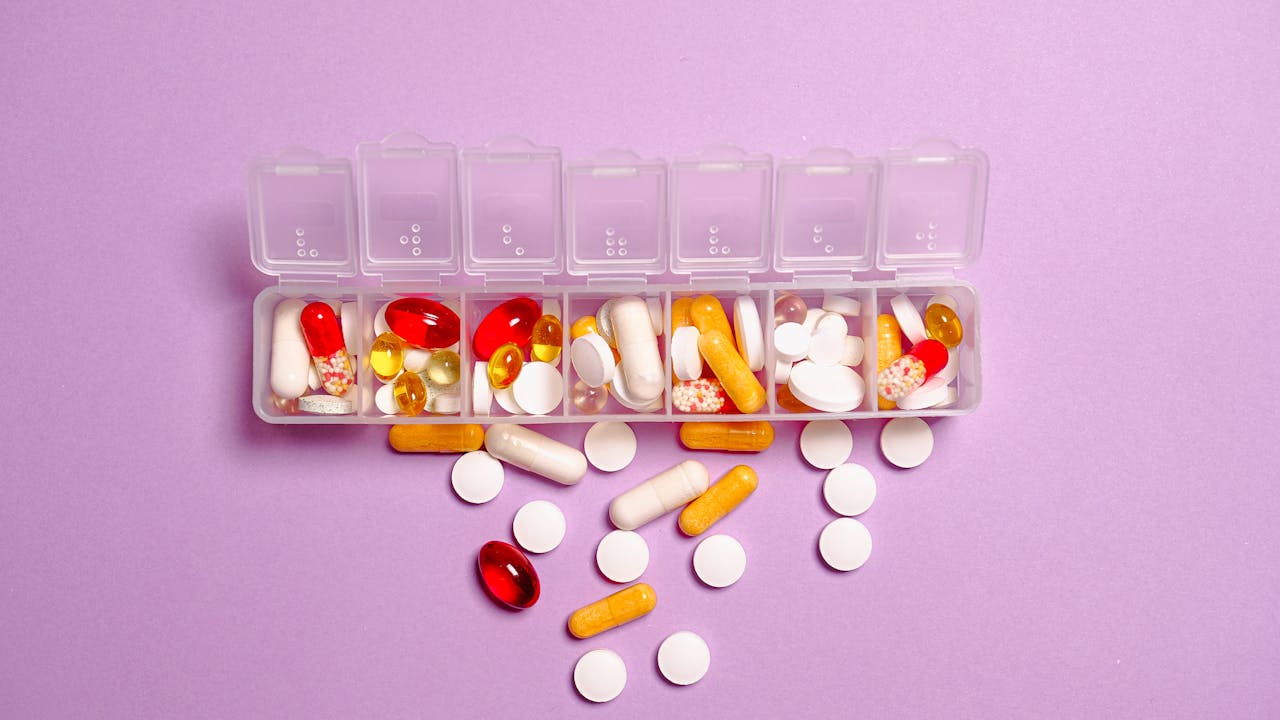
DHEA SR is the sustained-release version of this compound. The "SR" designation means the formulation has been engineered to delay and extend absorption after you swallow the capsule or tablet. Instead of hitting your bloodstream fast and peaking within an hour or two, it releases gradually over the course of 6 to 12 hours.
How regular DHEA behaves in your body
Standard oral DHEA has a few pharmacokinetic problems. First, bioavailability is limited. DHEA undergoes significant first-pass metabolism in the liver, meaning a substantial portion gets converted to metabolites before it ever reaches systemic circulation. One study found systemic availability from a 50 mg oral dose was only about 3.1 percent. That sounds alarming until you realize the converted metabolites, primarily DHEA sulfate (DHEAS), are biologically active and stay in circulation much longer.
The bigger issue is the absorption curve. With immediate-release DHEA, blood levels spike sharply within 30 to 90 minutes and then drop. That peak-and-trough pattern can cause transiently high levels of downstream hormones, particularly testosterone in women (since women convert DHEA preferentially to androgens). This is why androgenic side effects like acne and oily skin tend to cluster in the hours after dosing for some users.
What SR formulation changes
Sustained-release DHEA uses matrix technology to slow absorption. The most common approach uses a hydrophilic methylcellulose polymer (Methocel E4M) that swells on contact with gastrointestinal fluid to form a gel-like matrix. DHEA diffuses out of this matrix slowly as it moves through the GI tract.
The result is a flattened concentration-time curve. Instead of a sharp Cmax (peak concentration) followed by a rapid decline, you get a lower, broader peak that extends across most of your waking hours. Total daily exposure (measured as AUC, area under the curve) should be similar to regular DHEA at the same dose, but without the transient spikes.
This matters clinically because many side effects of DHEA are concentration-dependent. Acne, hair changes, and androgenic effects tend to occur when levels spike high transiently, not when levels are steadily maintained. SR formulations address exactly that problem.
Micronized DHEA SR takes this a step further by reducing the particle size to under 50 microns before embedding it in the sustained-release matrix. Smaller particles have more surface area per gram, which improves dissolution rate in a controlled way that the matrix can regulate more consistently.
The science of DHEA and aging
You can't understand why DHEA SR matters without understanding what DHEA does in the body over a lifetime. The decline is steep, the consequences are broad, and the mechanisms are genuinely interesting.
The decline curve: what the numbers actually look like
DHEA levels follow a predictable but sobering trajectory. Production rises during adrenarche in early puberty, reaches a peak in the third decade of life (typically mid-to-late 20s), and then falls continuously for the rest of your life. The decline rate is approximately 2 to 5 percent per year, though individual variation is substantial.
The PAQUID cohort study, which followed 290 elderly subjects over eight years, found average annual declines of 2.3 percent in men and 3.9 percent in women. By age 70 to 80, most people have DHEA and DHEAS levels that are just 10 to 20 percent of their youthful peak. By the eighth or ninth decade, decline reaches 80 to 90 percent from maximum.
To put that in concrete terms: if your peak DHEAS was 350 mcg/dL at age 25, it might be 175 mcg/dL at age 50 and only 50 to 70 mcg/dL by age 75. Those numbers are associated with very different biological environments.
The mechanism behind this decline isn't fully worked out, but the leading candidates are a decrease in 17,20-lyase enzyme activity in the zona reticularis, reduction in the actual mass of adrenal zona reticularis tissue over time, and declining levels of IGF-1 and IGF-2, which normally support adrenal function. There's also blunting of ACTH-mediated pulsatile DHEA secretion, particularly the nocturnal amplification that's prominent in younger adults.
What DHEA actually does (the mechanisms)
DHEA and DHEAS have multiple distinct mechanisms of action. Some are direct. Some work through downstream hormone conversion. Some are specific to the brain.
As a sex hormone precursor: This is the most well-known role. DHEA converts to androstenedione, which then converts to either testosterone or estrone depending on tissue type and available enzymes. In postmenopausal women, more than 90 percent of circulating estrogens come from peripheral conversion of DHEA and DHEAS. That alone explains why postmenopausal DHEA deficiency has such broad effects.
Through intracrine mechanisms: DHEA and DHEAS can be converted to active hormones directly within target tissues, without circulating through the bloodstream at high concentrations. This intracrine pathway means individual tissues can regulate their own hormone exposure independently. It's why some DHEA benefits are tissue-specific and why systemic hormone levels don't always predict local effects.
As a neurosteroid: This is underappreciated. DHEA and DHEAS are synthesized de novo in the central nervous system, independent of adrenal production. In the brain, DHEAS is a positive modulator of NMDA receptors (which are critical for learning and memory) and a negative modulator of GABA-A receptors. DHEA is also a sigma-1 receptor agonist, which affects calcium signaling and neuroprotection. Studies in rodents show DHEA administration prevents neuronal death in the hippocampal CA1 region following ischemic injury.
Anti-inflammatory effects: DHEA acts as a functional antagonist to cortisol. Research has shown that higher DHEA and DHEAS levels are associated with lower IL-6 concentrations, one of the key inflammatory cytokines that drives inflammaging. There's also evidence that DHEA upregulates Sirt1 and Nrf2 gene expression in cardiac muscle while downregulating NFkB, suggesting pathways similar to other longevity compounds.
On PPARα: DHEAS appears to regulate hepatic PPARα-mediated pathways, which govern lipid homeostasis and fat oxidation. Low DHEAS in aging may partly contribute to the metabolic shifts that accompany getting older.
DHEA's connection to longevity
The epidemiological data linking DHEA levels to longevity is compelling, especially in men. The PAQUID cohort found that male smokers under 70 with low DHEAS had a relative risk of death of 6.5 compared to controls (P = 0.003). For all aging men with low DHEAS, relative risk of death was 1.9 (P < 0.007). Even more striking: male smokers with low DHEAS versus nonsmokers with high DHEAS showed a relative risk of 6.7.
The relationship in women is different. The PAQUID data found no mortality effects linked to DHEAS in women, regardless of levels. This gender asymmetry appears throughout the DHEA literature and is thought to relate to different conversion patterns in men versus women.
In centenarian studies, higher DHEAS correlates with better functional status. A study of 75 healthy centenarians aged 90 to 106 found that those with the highest functional capacity also had the highest DHEAS levels. Correlation doesn't prove causation, but the pattern is consistent across multiple populations and study designs.
A separate meta-analysis found that for every 100 mcg/dL increase in DHEAS, all-cause mortality was reduced by 36 percent and cardiovascular mortality by 48 percent. These are large effect sizes that are hard to dismiss, though the causality question remains open.
WinAging tracks the research on all major longevity hormones and compounds. If you're building a protocol around your actual biomarkers, start by knowing where your levels stand.
Clinical research on DHEA and DHEA SR
The most comprehensive DHEA clinical trial remains the DHEAge study, led by French endocrinologist Etienne-Emile Baulieu and published in PNAS. It's worth knowing in detail.
The DHEAge study: the gold standard
The DHEAge study enrolled 280 healthy men and women between 60 and 79 years old (140 of each sex). It was double-blind, placebo-controlled, and ran for 12 months. Participants received either 50 mg oral DHEA daily or placebo.
Hormone changes: After 6 months, DHEAS levels in both sexes had increased back to levels normally seen in younger adults. In women, DHEAS transiently exceeded menstruating-women levels at month 6 but normalized by month 12. Testosterone levels in women increased in about 21 percent of participants at 6 months, with nearly all normalizing by month 12. Estradiol showed significant increases in both sexes but remained well below follicular phase levels.
Bone density: This was one of the study's most robust findings. Women over 70 showed statistically significant improvements in bone mineral density at the femoral neck and Ward's triangle (ages 60-69) and at the upper and total radius (ages 70-79). The study found an 11 percent decrease in bone resorption markers (CTx) at 6 months and a 26 percent decrease at 12 months in older women. Men showed no significant bone density changes.
Skin health: DHEA produced measurable skin improvements, particularly sebum production (especially women over 70), overall skin hydration (especially men under 70), and a reduction in facial pigmentation of approximately 7 to 10 percent. The authors interpreted the pigmentation decrease as a marker of skin rejuvenation.
Sexual function: Significant improvements in libido, sexual activity, and sexual satisfaction were observed, but specifically in women over 70. Statistical significance appeared at months 6 and 12 for libidinal interest (p<0.05), sexual activity (p<0.03), and sexual satisfaction (p<0.01). Women under 70 and men of any age showed no significant improvements.
Safety: No harmful steroid accumulation was found. PSA levels stayed stable in men. No significant adverse events were recorded. A slight total cholesterol increase appeared in men over 70, and 58 percent of participants were found to have vitamin D insufficiency (the DHEA treatment didn't change that).
The DHEAge conclusion was measured: DHEA at 50 mg daily normalized some effects of aging in specific tissues and age groups, without creating "supermen and superwomen." That framing matters. It's a restoration treatment, not a performance enhancer.
The TRIIM study: DHEA as part of a regenerative protocol
The TRIIM (Thymus Regeneration, Immunorestoration, and Insulin Mitigation) trial published in 2019 in Aging Cell is worth mentioning, though it studied DHEA as one component of a multi-drug combination rather than in isolation.
Nine healthy men aged 51 to 65 received recombinant human growth hormone, metformin, and DHEA for one year. The DHEA and metformin were included specifically to counteract the pro-diabetic effects of growth hormone. Epigenetic analysis using four Horvath methylation clocks found that participants reversed biological age by approximately 2.5 years over the course of the trial.
The limitation is obvious: with three drugs administered simultaneously, isolating DHEA's specific contribution is impossible. But DHEA at 50 mg/day was a key component of the protocol, and the study is frequently cited as evidence that hormone optimization strategies including DHEA can produce measurable biological age reversal.
Cognitive function: the honest picture
DHEA's cognitive effects have been studied in at least six randomized, placebo-controlled trials. The evidence is weak.
A Cochrane meta-analysis covering these trials found no consistent effects on cognitive outcomes. The trials used 50 mg/day as the standard dose, tested a range of cognitive domains including memory, verbal fluency, attention, and processing speed, and ran from 2 weeks to 24 months. The conclusion: current evidence does not support DHEA supplementation for cognitive function in non-demented middle-aged or elderly adults.
That said, the mechanistic case for DHEA's brain effects is genuinely strong. DHEAS enhances NMDA receptor activity, supports hippocampal function, and protects neurons against excitatory amino acid toxicity in animal models. The disconnect between animal data and human trials is a recurring theme in longevity research. It may mean the human doses are too low, the study durations too short, or the effects are only visible in people who are actually deficient.
What does seem to hold up is DHEA's mood and depression effects. Multiple clinical trials have found DHEA supplementation produces modest but real improvements in mood and depressive symptoms, particularly in people with mild to moderate depression and low baseline DHEA levels.
Metabolic and hormonal effects: what the dose-response data shows
A 2024 meta-analysis of randomized controlled trials specifically examining DHEA's effect on testosterone and estradiol levels found clear dose-response relationships.
Across 20 trial arms involving 1,084 participants, DHEA supplementation significantly increased testosterone levels (weighted mean difference: 24.31 ng/dL, 95% CI 15.22-33.40, P less than 0.001). Estradiol also increased significantly (weighted mean difference: 7.86 pg/mL, 95% CI 6.33-9.40, P less than 0.001).
Doses of 50 mg/day or higher produced the most meaningful hormonal effects. Below 50 mg/day, testosterone increases averaged 8.36 ng/dL. At or above 50 mg/day, the average increase was 29.65 ng/dL. The estradiol response was even more dose-sensitive: below 50 mg/day showed barely detectable changes (0.64 pg/mL), while 50 mg/day or higher showed 8.65 pg/mL increases.
Age mattered for estradiol. Women aged 60 and over showed the strongest estradiol elevation from DHEA supplementation (8.92 pg/mL), compared to 3.04 pg/mL in younger women. This is consistent with the intracrine hypothesis: older women have more aromatase activity in peripheral tissues because they need to compensate for declining ovarian estrogen production.

DHEA SR vs regular DHEA: the practical differences
You now have the mechanistic context. So what does that mean practically for choosing between SR and immediate-release?
Absorption and pharmacokinetics
Regular DHEA: rapid absorption, peak blood levels in 30 to 90 minutes, significant first-pass metabolism, shorter effective duration.
DHEA SR: slower absorption via gel matrix technology, lower peak concentration (Cmax), extended duration of therapeutic levels across 6 to 12 hours, same total daily dose delivers similar AUC.
The key concept is that SR doesn't give you "more" DHEA in terms of total exposure. It reshapes when that exposure occurs. You get a flatter, longer curve instead of a sharp spike.
Why this matters for side effects
The androgenic side effects of DHEA, including acne, oily skin, and in women, increased facial hair, tend to be Cmax-dependent. They're most likely to occur when blood levels peak sharply. By reducing the peak while maintaining the same AUC, sustained-release formulations reduce the probability and severity of these acute effects.
This is particularly relevant for women. DHEA's conversion to testosterone happens preferentially in women's peripheral tissues. A sharp DHEA peak translates to a sharp testosterone spike in women, which is what drives androgenic side effects. SR reduces that spike.
Morning dosing with SR vs regular
Our existing guide on DHEA timing covers the morning versus evening debate in depth. For SR specifically, morning dosing tends to make more practical sense because the formulation delivers a gradual release over the day, which aligns with natural adrenal cortisol and DHEA rhythms. Taking it in the morning means your DHEA levels are peaking during the active part of your day, similar to how your adrenal glands naturally time DHEA production.
With regular DHEA, some practitioners prefer bedtime dosing to match the nocturnal ACTH rise that amplifies DHEA secretion in younger adults. With SR, this argument is less relevant because you're not relying on a discrete timing window.
Dosing DHEA SR: what the research supports
Clinical research has converged on a clear dosage range. Here's what the evidence actually supports.
Standard doses
25 mg/day: Conservative starting dose. Appropriate for people under 50 with mild decline, anyone new to DHEA supplementation, or anyone with sensitivity to hormonal compounds. Some compounding pharmacies offer 25 mg SR capsules specifically for this reason.
50 mg/day: The dose used in the DHEAge study and most major clinical trials. This dose has been shown to restore DHEAS levels to young adult ranges in people over 60. It produces the most well-documented clinical effects on bone, skin, and sexual function. It's the standard for most longevity practitioners.
75 mg/day: Used in some clinical protocols, including the ORAVERSE DHEA SR product at 75 mg. At this dose, testosterone and estradiol effects become more pronounced. Appropriate for some individuals with confirmed severe deficiency but requires closer monitoring.
100 mg/day: Studied in a 6-month trial that found reduced fat body mass (1.0 kg average) and increased knee muscle strength (15 percent) in men over 60, and back strength gains (13.9 percent) in both sexes. No significant changes in basal metabolic rate, bone mineral density, or lipid profiles in that study. This is a higher dose with more hormonal exposure.
Most longevity-focused practitioners land at 25 to 50 mg/day as the sweet spot. Below 50 mg/day, hormonal effects are modest. At 50 mg/day, you get the documented clinical benefits without the higher-dose hormonal risk profile.
Dosing by age and sex
Men under 50: Often don't need DHEA supplementation unless lab work shows deficiency. If DHEAS is below 200 mcg/dL, 25 mg SR is a reasonable starting point.
Men 50-65: 50 mg/day is well-supported by research. Monitor testosterone, estradiol, and PSA every 6 months. In men, DHEA preferentially converts to estrogen in peripheral tissues, which is the opposite of women. Some men experience mild estrogen elevation, particularly those with higher adipose tissue (which contains more aromatase).
Men 65+: 50 mg/day remains the standard. The DHEAge study showed modest skin benefits but no significant bone or sexual function benefits in men at this dose, so the cost-benefit calculation is somewhat different than for older women.
Women under 50: 25 mg SR is appropriate if there's confirmed deficiency. Premenopausal women have active ovarian DHEA production that partially compensates for adrenal decline, so the net effect of supplementation is smaller.
Women 50-65: 50 mg/day. This is where the clinical evidence is strongest. The DHEAge study showed significant bone density benefits specifically in women over 60. Androgenic monitoring (testosterone, SHBG) is recommended, as this group shows the most testosterone elevation from DHEA.
Women 65+: 50 mg/day shows the most robust clinical benefits for bone density, skin, and sexual function in this demographic. The DHEAge data for women over 70 is particularly striking. Many integrative medicine practitioners consider this the highest-priority group for DHEA replacement.
<DataTable headers={["Age group", "Starting dose", "Clinical evidence", "Key monitoring"]} rows={[ ["Men 40-50", "25mg SR", "Limited, use lab values", "DHEAS, testosterone"], ["Men 50-65", "50mg SR", "Moderate", "DHEAS, testosterone, estradiol, PSA"], ["Men 65+", "50mg SR", "Moderate (skin benefits)", "Same + cholesterol"], ["Women 40-50", "25mg SR", "Moderate", "DHEAS, testosterone, SHBG"], ["Women 50-65", "50mg SR", "Strong", "DHEAS, testosterone, estradiol"], ["Women 65+", "50mg SR", "Strongest", "Full hormone panel"], ]} />
Lab values to guide dosing
Don't dose DHEA without checking your baseline. The relevant labs are DHEAS (the sulfate form, which stays in circulation longer than free DHEA and is easier to measure), free testosterone, total testosterone, estradiol, and SHBG. PSA for men over 50.
Optimal DHEAS ranges for supplementation: 300-500 mcg/dL for premenopausal women and adult men under 50. Values below 100 mcg/dL in either sex over 60 are strong indicators for replacement therapy consideration.
After starting DHEA SR, recheck labs at 3 months and 6 months to confirm you're achieving physiological restoration without overshooting into supraphysiological ranges.
Benefits with DHEA SR specifically
The benefits of DHEA SR are largely the same as regular DHEA, since the active compound is identical. The SR formulation primarily changes the side effect profile rather than adding new benefits.
Bone density: the strongest evidence
This is where DHEA's clinical evidence is most robust. The DHEAge study found significant bone density improvements specifically in women over 60, with bone resorption markers dropping 26 percent by month 12. A separate DAWN trial (Dehydroepiandrosterone and Wellness trial) found improvements in bone mineral density and bone markers in older adults.
The mechanism is thought to involve DHEA's conversion to estrogens in bone tissue, where estrogen signaling directly inhibits osteoclast activity and promotes osteoblast survival. Post-menopausal estrogen loss is the primary driver of bone loss in women, and DHEA replacement partially compensates through intracrine pathways.
Skin health and sebum production
The DHEAge data on skin is interesting and often overlooked. Sebum production increased (especially women over 70), hydration improved, and facial pigmentation decreased by 7 to 10 percent. The clinical interpretation is that DHEA partially reverses age-related skin atrophy by restoring androgen activity in sebaceous glands and keratinocytes.
DHEA receptors are expressed in skin cells. There's also evidence from case reports that DHEA supplementation can improve atrophic skin conditions in elderly women, reducing fragility and tearing that comes with extreme skin thinning.
Sexual function and libido
The DHEAge trial found significant improvements in libido, sexual activity, and sexual satisfaction specifically in women over 70 (p<0.03 for sexual activity, p<0.01 for satisfaction). This demographic has the most severe DHEA deficiency and the most estrogen-dependent vaginal and libido physiology.
Several other studies support DHEA's effects on sexual function in postmenopausal women, including vaginal dryness and discomfort. The FDA-approved prescription DHEA product Intrarosa (prasterone) is actually an intravaginal DHEA formulation for this specific indication, which validates the mechanism at the regulatory level.
For men, the clinical evidence on sexual function is less consistent. One study found DHEA improved desire, arousal, and orgasm, but replications have produced mixed results.
Mood and depression
Multiple studies have found DHEA supplementation improves mood and depressive symptoms, particularly in people with low baseline DHEA levels and clinical depression that hasn't responded to standard treatments. The sigma-1 receptor agonist activity of DHEA is one proposed mechanism, as sigma-1 signaling is involved in antidepressant responses.
The cortisol-to-DHEAS ratio is probably the most clinically relevant framing here. A high cortisol/DHEAS ratio is associated with accelerated epigenetic aging and poorer stress resilience. DHEA supplementation reduces this ratio by raising the denominator, which may be one of the key longevity mechanisms operating independently of sex hormone conversion.
Body composition
At 100 mg/day, the 6-month study found reduced fat mass (about 1 kg on average in men) and improved muscle strength. At 50 mg/day, these effects are more modest and variable across studies. The body composition benefits of DHEA are real but not dramatic at longevity-appropriate doses.
Side effects and who should avoid DHEA SR
DHEA is generally well-tolerated at the doses used in clinical research (25 to 50 mg/day). But the side effect profile is worth understanding before you start.
Androgenic side effects
The most common adverse effects are androgenic: acne, oily skin, and in women, increased body or facial hair (hirsutism). These effects are more common with immediate-release DHEA than with SR formulations, because they're driven by acute Cmax spikes in testosterone. SR significantly reduces this risk by flattening the absorption curve.
If you experience androgenic side effects on DHEA SR, the first step is dose reduction rather than discontinuation. Many people who can't tolerate 50 mg SR do fine at 25 mg.
Hormonal effects to monitor
In women, DHEA supplementation at 50 mg/day can increase testosterone meaningfully. The meta-analysis data shows an average 24-29 ng/dL increase at this dose. Most of this returns to normal within the physiological range for that age group, but women with pre-existing androgenic conditions (PCOS, androgenic alopecia) should use DHEA cautiously and monitor testosterone closely.
In men, DHEA can increase estradiol, particularly in men with higher adipose tissue. This can occasionally cause gynecomastia at higher doses, though it's uncommon at 50 mg. PSA monitoring is important for men over 50, as androgens stimulate prostate tissue.
Drug interactions
DHEA can affect insulin sensitivity. People with diabetes should monitor blood glucose carefully when starting or changing DHEA dosing.
DHEA may reduce HDL cholesterol at higher doses, which is relevant for anyone with cardiovascular risk factors.
Combining DHEA with testosterone therapy creates redundancy and unpredictable hormonal overlap. This combination should only happen under direct physician supervision with regular lab monitoring.
Some enzyme inducers (including some anticonvulsants and rifampin) can accelerate DHEA metabolism and reduce effective levels.
Notable DHEA SR products
The DHEA SR market is smaller than the standard DHEA market, but several reliable products are available through legitimate channels.
Nutrascriptives DHEA SR
Available in both 25 mg and 50 mg capsules, Nutrascriptives offers a micronized sustained-release formula designed for slow, steady release. Their 25 mg option is priced at approximately $38 per bottle. The micronized formulation improves initial dissolution within the SR matrix, which should produce a more consistent release profile compared to non-micronized SR products.
Mirror Care DHEA SR
Mirror Care offers DHEA SR in a wider range of strengths: 5 mg, 10 mg, 15 mg, 20 mg, 25 mg, and 50 mg capsules. The multiple strength options make it practical for stepwise dose titration, which is the correct approach when starting DHEA supplementation. Mirror Care positions this as a longevity-focused product with micronized DHEA for improved absorption.
Bayview Pharmacy (compounding)
Bayview Pharmacy compounds DHEA slow-release capsules starting at 25 mg, using Methocel E4M as the sustained-release excipient. Compounded DHEA SR is available in custom dosages when standard commercial strengths don't match your needs, and compounding pharmacies can verify exact ingredient quality in ways that some OTC products can't.
Rejuvenation Science DHEA
Rejuvenation Science offers a lipid matrix DHEA formulation with particle size under 50 microns. The lipid matrix approach is different from standard water-swelling SR matrices: lipophilic carriers can enhance absorption of fat-soluble compounds and potentially reduce first-pass metabolism. This is a slightly different mechanism than standard methylcellulose SR but achieves a similar clinical goal.
ORAVERSE DHEA SR
ORAVERSE DHEA SR from Steris Healthcare is a 75 mg sustained-release formulation available in India and some international markets. At 75 mg, it's a higher dose than most clinical trials used. It requires a prescription in the markets where it's sold, which is appropriate given the hormonal dose.
Price ranges: Most DHEA SR products run $30 to $60 per 60-90 capsule bottle, putting monthly costs at $15 to $40 depending on dose and brand. Compounded formulations vary more widely.
A note on quality: DHEA is sold as a dietary supplement in the US without FDA drug review, which means quality control varies significantly between manufacturers. Stick to brands that publish certificates of analysis and use NSF, USP, or similar third-party testing. Hormone supplements especially warrant scrutiny about purity and actual dose accuracy.
DHEA SR in a longevity stack
How does DHEA SR fit with other longevity compounds? The interactions and synergies are worth understanding before you build a stack.
DHEA and NMN/NR (NAD+ precursors)
There's no direct pharmacological interaction between DHEA and NAD+ precursors, but they work on partially overlapping pathways. DHEA upregulates Sirt1 expression, and sirtuins are NAD+-dependent enzymes. In theory, combining DHEA (which activates Sirt1 gene expression) with NMN or NR (which fuel sirtuin activity with NAD+) could produce additive effects. There's no human clinical data specifically on this combination, but the mechanistic logic is sound.
DHEA and metformin
The TRIIM trial used DHEA alongside metformin specifically for the insulin-counteracting purpose. Metformin improves insulin sensitivity through AMPK activation. DHEA has complex effects on insulin signaling that can go either way depending on the individual, so some practitioners pair them cautiously. If you're on metformin, monitor glucose carefully when adding DHEA.
DHEA and cortisol management
DHEA's most underappreciated longevity role may be as a cortisol antagonist. Chronic elevation of the cortisol-to-DHEAS ratio is associated with accelerated epigenetic aging. Compounds that reduce cortisol (adaptogens like ashwagandha, rhodiola, phosphatidylserine) can work synergistically with DHEA supplementation by addressing both sides of the ratio. Lower cortisol plus higher DHEAS gives you a much more favorable ratio than either alone.
DHEA and sex hormone support compounds
If you're also taking DIM (diindolylmethane), chrysin, or other aromatase modulators, those will affect how DHEA's downstream metabolites distribute between testosterone and estrogen pathways. DIM shifts estrogen metabolism toward less potent 2-hydroxy estrogens and away from 16-hydroxy estrogens, which is relevant if you're concerned about estradiol elevation from DHEA. These combinations can be useful but add complexity that warrants lab monitoring.
DHEA and vitamin D3
The DHEAge study found 58 percent of participants had vitamin D insufficiency. Vitamin D and DHEA both support bone density, immune function, and mood through partially distinct mechanisms. If you're supplementing DHEA for bone health, pairing it with vitamin D3 and K2 is well-supported by basic physiology even without a specific clinical trial on the combination.
Not sure how these compounds interact with everything else in your stack? WinAging's supplement interaction checker can help you map out the combinations and flag anything worth watching.
DHEA and resveratrol
Both DHEA and resveratrol influence sirtuin pathways. Resveratrol activates SIRT1 allosterically while DHEA supports SIRT1 gene expression. No direct interaction to worry about, and potential synergy on the sirtuin side of the longevity equation.
What doesn't stack well with DHEA SR
Testosterone therapy: If you're already on testosterone replacement therapy (TRT), adding DHEA creates unpredictable hormonal overlap. DHEA will continue converting to testosterone in peripheral tissues while you're already pharmacologically dosing testosterone. This can produce significantly elevated levels and requires physician management.
Estrogen-sensitive medications: If you're on tamoxifen or other SERMs for breast cancer risk, DHEA supplementation is contraindicated because DHEA increases estrogen levels, which directly opposes the purpose of those medications.
MAO inhibitors: Some older antidepressants and some MAOI-type compounds can interact with DHEA's neurosteroid effects. This is a physician-managed area.
Building a personalized longevity stack that accounts for your hormone levels, age, and other compounds takes more than a generic protocol. WinAging's AI protocol builder designs a custom longevity stack based on your specific profile, goals, and biomarkers.

The honest take on DHEA SR
Here's where the evidence lands, without overclaiming.
DHEA declines dramatically with age. That much is certain. Whether supplementing it back to youthful levels is uniformly beneficial is a different question, and the honest answer is: it depends on your age, sex, baseline levels, and specific health goals.
The strongest evidence supports DHEA supplementation in women over 60 for bone density, skin health, and sexual function. This is where the DHEAge data is most compelling and most consistent. For older men, the evidence is more modest: some cardiovascular and metabolic associations, weak evidence for sexual function, limited evidence for body composition.
The case for SR specifically over immediate-release is mechanistically sound but under-studied in head-to-head clinical trials. What we know from pharmacokinetics is that SR flattens the absorption curve, which should reduce androgenic side effects. What we don't have is a large randomized trial comparing SR versus IR on clinical outcomes. The practical logic is compelling enough that many integrative physicians prefer SR for exactly this reason.
DHEA SR is not a miracle compound. Neither is DHEA generally. What it is: a legitimate hormonal restoration strategy for people over 50 with confirmed deficiency, with the best evidence for older women, a reasonable case for older men with low DHEAS, and a safety profile that's acceptable at 25 to 50 mg/day with proper monitoring.
Check your DHEA and other longevity biomarkers to see where you actually stand before deciding whether supplementation makes sense for your specific situation.
Frequently asked questions
<FAQSection faqs={[ { question: "What is DHEA SR?", answer: "DHEA SR is a sustained-release formulation of dehydroepiandrosterone (DHEA), a hormone produced by the adrenal glands. The SR designation means the supplement uses a slow-release matrix, typically methylcellulose-based, to release DHEA gradually over 6-12 hours instead of all at once. This produces a flatter, longer absorption curve compared to standard DHEA, which reduces the risk of androgenic side effects caused by acute hormonal spikes." }, { question: "Is DHEA SR better than regular DHEA?", answer: "For most people, DHEA SR offers a better side effect profile than regular DHEA because it avoids the sharp peak in blood levels that drives androgenic side effects like acne and oily skin. The total hormonal exposure is similar, but the timing is more physiological. There's no head-to-head clinical trial proving SR outperforms IR on clinical outcomes, but the pharmacokinetic rationale is solid." }, { question: "What dose of DHEA SR should I take?", answer: "The most studied dose is 50 mg/day, which is what the landmark DHEAge trial used and which restores DHEAS levels to young adult ranges in most people over 60. Beginners or those sensitive to hormonal compounds often start at 25 mg/day and titrate up based on labs. Always check DHEAS, testosterone, and estradiol before starting, and recheck at 3 and 6 months." }, { question: "When should I take DHEA SR?", answer: "Morning with food is the standard recommendation for DHEA SR. The sustained-release matrix works best in the presence of GI fluids from a meal. Morning dosing also aligns gradual hormonal release with your active hours, which matches the natural circadian pattern of DHEA production. Unlike regular DHEA, there's less rationale for bedtime dosing with SR because you're not relying on a discrete timing window." }, { question: "Can women take DHEA SR?", answer: "Yes, and women over 60 actually have the strongest clinical evidence for benefit. The DHEAge study found significant improvements in bone density, skin health, and sexual function specifically in older women. However, DHEA increases testosterone in women, so monitoring is important. Women with PCOS, hormone-sensitive cancers, or on tamoxifen should not take DHEA without physician guidance." }, { question: "What are the side effects of DHEA SR?", answer: "Common side effects include acne, oily skin, and occasionally increased facial or body hair. These androgenic effects are generally milder with SR than regular DHEA. Less common effects include mood changes, headache, and digestive discomfort. Serious side effects include mania or hypomania in people with mood disorders, and potential increases in estradiol that require monitoring in both sexes." }, { question: "Does DHEA SR affect testosterone levels?", answer: "Yes. The meta-analysis data shows DHEA at 50 mg/day increases testosterone by an average of about 24-30 ng/dL in women. In men, the conversion pattern favors estradiol more than testosterone in peripheral tissues. At typical doses (25-50 mg/day), levels usually remain within normal physiological ranges for the age group, but lab monitoring is recommended." }, { question: "Who should not take DHEA SR?", answer: "DHEA SR should be avoided by people with hormone-sensitive cancers (breast, prostate, ovarian, endometrial), pregnant or breastfeeding women, people with PCOS, anyone with a history of mania or bipolar disorder, and anyone on testosterone replacement therapy or SERMs like tamoxifen without physician coordination. Always consult a doctor and get baseline labs before starting." } ]} />
Related guides
- Why take DHEA at night: timing, dosage and benefits
- Resveratrol or NMN: which longevity compound should you take
- Why I stopped taking NMN: honest assessment of the research
- Supplement interaction checker
- Biological age calculator
Sources
- DHEAge Study - PNAS (Baulieu et al.)
- DHEA supplementation and cognitive function - PMC Cochrane Review
- Age-related DHEA decline and geriatric syndromes - PMC
Your longevity protocol doesn't need every compound at once. Start with what the evidence supports for your age, sex, and goals, test your biomarkers, and adjust. Explore the free tools to get your baseline numbers, or use the AI protocol builder to build a personalized longevity stack around your actual profile.