How often should you do NAD+ IV therapy
Not sure how often to do NAD+ IV therapy? Loading protocols, maintenance schedules, and goal-specific frequency guides based on the latest research.

Your NAD+ levels are roughly half what they were in your 20s. By age 50, most people have lost about 50% of their peak NAD+ capacity. That decline drives fatigue, slower cellular repair, and what we quietly accept as "feeling your age." NAD+ IV therapy promises to reverse some of that. But once you've decided to try it, one practical question comes up fast: how often do you actually need to go?
The answer isn't one size fits all. It depends on your goals, your current NAD+ levels, your budget, and how depleted you were to start. This guide breaks down exactly what the research and leading clinics recommend, from loading protocols to long-term maintenance, and helps you figure out what makes sense for your situation.
WinAging covers the full science behind longevity compounds, protocols, and tools so you can make informed decisions rather than expensive guesses.
What NAD+ actually does in your body
NAD+ (nicotinamide adenine dinucleotide) is a coenzyme every living cell depends on. It's not optional. Without it, your mitochondria can't produce ATP, your DNA repair machinery stalls, and your sirtuins, the proteins most closely linked to longevity, go quiet. NAD+ is the fuel behind the fuel.
The reason aging depletes it comes down to two simultaneous problems. First, your body makes less of it. The key synthesis enzyme, NAMPT, becomes progressively less active as you get older. Second, you consume more of it. Two enzymes, CD38 and PARP, both of which use NAD+ as their substrate, ramp up activity with age. CD38 is triggered by chronic low-level inflammation. PARP responds to accumulated DNA damage, and there's plenty of that as cells replicate over decades.
The result is a slow drawdown on your cellular energy currency. Mitochondria produce less ATP. Sirtuins lose activity, meaning less regulation of gene expression, less metabolic efficiency, and less protection against cellular aging. The repair enzymes that should be catching and fixing DNA errors slow down.
NAD+ decline has been documented in liver, skin, brain, plasma, and skeletal muscle. It's not a niche phenomenon. It's a universal feature of cellular aging. That's why boosting it has become a central target in longevity research.
The sirtuins piece is particularly relevant. There are seven sirtuin proteins (SIRT1 through SIRT7), and all of them require NAD+ to function. SIRT1 regulates inflammation, metabolism, and stress response. SIRT3 protects mitochondrial function. SIRT6 is involved directly in DNA repair and telomere maintenance. When NAD+ drops, sirtuins lose their activating substrate and slow down. Restoring NAD+ gives them what they need to operate again.
See the comparison we ran on NAD vs NMN for a full breakdown of how these two approaches to NAD+ restoration compare.
Why IV? The argument and the nuance
The pitch for IV delivery is 100% bioavailability. You're putting NAD+ directly into the bloodstream, bypassing the gut entirely. No degradation in the digestive tract, no first-pass metabolism in the liver. The logic seems airtight.
But there's an important nuance that most IV clinics don't lead with. NAD+ is a large, charged molecule. It doesn't cross cell membranes easily. A 2019 pilot study published in Frontiers in Aging Neuroscience infused 750 mg of NAD+ over six hours and found that plasma NAD+ didn't start rising until the two-hour mark. And two hours after the infusion ended, most metabolites had returned close to baseline. During the infusion, urinary NAD+ excretion increased 538%, suggesting rapid renal clearance.
What this tells us is that IV NAD+ is quickly broken down in the blood into smaller metabolites, primarily nicotinamide. Those metabolites then enter cells and are reassembled into NAD+ intracellularly via the salvage pathway. So you're not directly loading your cells with NAD+. You're flooding the blood with precursors your cells then convert.
This distinction matters when thinking about frequency. The effects you feel from an infusion aren't from NAD+ sitting in your bloodstream for days. They're from the downstream intracellular response, which has its own, longer timeline than the plasma half-life suggests.
It also explains why oral precursors like NMN and NR aren't as inferior to IV as some clinics suggest. Those smaller molecules have a strong argument for direct cellular entry. A clinical trial of oral NR showed a 40% increase in whole-blood intracellular NAD+, including measurably inside cells. We'll cover the comparison in detail later.
For now: IV therapy works. The mechanism is just more nuanced than the marketing implies.
The loading phase: why you can't skip it
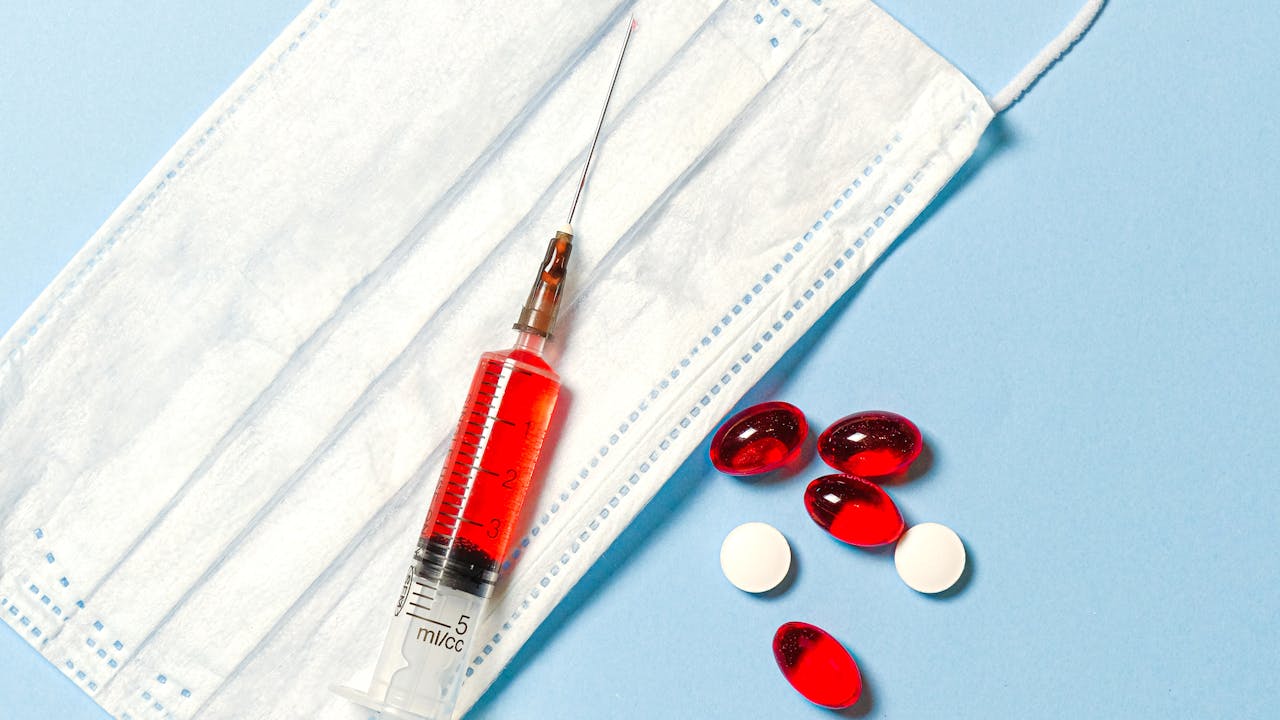
Most IV protocols start with a loading phase. Think of it as filling an empty tank before switching to maintenance top-ups. If you're significantly depleted, one session won't get you there. You need repeated doses over a short window to bring your baseline up.
The loading phase typically runs two to three weeks. The number of sessions varies by clinic and your starting point, but here's what the common protocols look like:
Conservative loading (healthy adults, mild depletion): 3 to 5 sessions over two to three weeks at 250 to 500 mg each. This works for people who are already reasonably healthy and want to optimize.
Standard loading (most commercial clinics): 4 to 6 sessions over two to three weeks at 500 mg each. Saturation before tapering to maintenance. This is what you'll encounter at the majority of IV therapy clinics.
Aggressive loading (significant depletion or addiction recovery): 5 to 10 sessions within 10 days, with doses escalating with each session. Used at clinics like Hydration Room and in the BR+NAD addiction recovery protocol, where you're correcting severe deficiency rapidly.
The logic behind loading is straightforward. If your intracellular NAD+ is running low, a single session raises it temporarily. But if you don't follow up before levels drop again, you're back where you started within weeks. Sequential sessions during the loading phase let each one build on the last, raising your baseline progressively until maintenance becomes viable.
How depleted you are determines the intensity of loading you need. Testing your NAD+ levels before starting, and again after your loading phase, takes the guesswork out of this.
How often for maintenance: the core answer
Once your loading phase is complete, most clinics and practitioners land on one session every four to six weeks for general wellness and longevity. That's the range you'll hear most consistently, across different clinic protocols and across the research.
But several factors push you toward the shorter or longer end of that range.
Metabolism and activity level. People who exercise heavily, maintain high metabolic demands, or simply burn through everything quickly often notice results fading within two to three weeks. For them, every two to four weeks makes more sense.
Age. Older adults typically start from a greater baseline depletion and have slower synthesis capacity. More frequent sessions, at least in the first few months, tend to produce better sustained results.
Chronic stress load. Stress activates both PARP and CD38, your primary NAD+ consumers. High-stress periods warrant shorter intervals between sessions. This isn't intuitive but it's important. A month that includes a major life stressor is a month where your NAD+ is getting burned faster.
What you're combining with. Pairing IV therapy with daily oral NMN or NR at 250 to 500 mg between sessions changes the equation significantly. Your baseline doesn't drop as far between infusions, so you can potentially extend maintenance intervals.
Measured NAD+ levels. The most reliable approach is testing. Companies like Jinfiniti offer intracellular NAD+ testing via fingerstick that measures what's actually happening inside cells, not just in plasma. If your levels are dropping back to baseline by week two, your maintenance interval should be two to three weeks. If they're still elevated at week six, monthly sessions are doing the job.
The biological age calculator on WinAging gives you a useful starting baseline. If your biological age is running significantly ahead of your chronological age, that's a signal that your cellular systems are under strain and a more intensive protocol makes sense.
Frequency by goal: what the protocols actually recommend
Here's where protocols diverge significantly. The right frequency depends heavily on what you're trying to accomplish.
Anti-aging and longevity
The most common reason people start NAD+ IV therapy. The goal is sustained sirtuin activation, reduced chronic inflammation, and better DNA repair over time.
Standard longevity protocol:
- Loading: One to two sessions per week for four to six weeks at 500 mg each
- Maintenance: Every two to four weeks
Some clinics simplify this to weekly for four weeks, then monthly. That's reasonable if your baseline is already decent. If you're older or significantly depleted, the more intensive loading is worth the upfront investment.
Between sessions, most practitioners now recommend daily oral NMN or NR at 250 to 500 mg/day to maintain what you've built. This matters more than most people realize. The gap between infusions is long enough that your levels can drop substantially without support. See the NAD vs NMN breakdown for whether the oral precursor evidence supports this approach for your specific situation.
NAD+ also doesn't operate alone in the longevity stack. Resveratrol activates SIRT1 directly, complementing what NAD+ enables. Spermidine triggers autophagy through a completely different pathway. Klotho is another longevity protein increasingly studied alongside NAD+ pathways. Multi-compound approaches are consistently more effective than single interventions, because aging is multi-pathway.
WinAging's AI protocol builder designs personalized longevity stacks that integrate IV therapy timing, oral supplements, and lifestyle factors based on your age, goals, and biomarker data.
Cognitive enhancement
The cognitive effects of NAD+ are among the most consistently reported benefits from therapy. Patients describe sharper focus, reduced brain fog, improved mood, better working memory. The clinical research is still catching up to the anecdotal data, but the mechanistic case is solid: sirtuins regulate neuroinflammation, and PARP-mediated DNA repair is critical in neurons, which can't regenerate.
Standard cognitive enhancement protocol:
- Loading: Weekly for four to eight weeks at 500 mg (cited as the dose most associated with mood and cognitive response)
- Maintenance: Monthly or bimonthly
For those dealing with serious cognitive concerns, some practitioners add subcutaneous NAD+ injections two to three times per week between IV sessions. Lower dose, typically 50 to 100 mg per injection, much cheaper than IV, self-administered at home. This keeps levels elevated between the bigger infusion sessions.
Stacking NAD+ therapy with compounds that target brain aging through complementary mechanisms amplifies the effect. Glycine supports methylation and cellular repair. Taurine has shown striking results in aging research, restoring youthful markers in multiple tissues in animal models. Spermidine activates autophagy, clearing damaged proteins from neurons.
Athletic performance and recovery
Athletes push their cells hard. Mitochondria take damage under sustained exertion. NAD+ gets consumed faster during exercise as PARP responds to muscle microtrauma. Recovery slows as the cellular repair machinery runs low on its primary substrate.
Standard athletic protocol:
- Loading: 5 to 10 sessions over two weeks at 750 mg each
- During intense training blocks: Two to four sessions per week
- Off-season maintenance: Weekly to biweekly
The math on this is aggressive, and expensive. A two-week loading phase at this intensity is a significant financial commitment. But for serious athletes preparing for competition, the potential performance and recovery gains are worth factoring in. Sessions typically combine hydrating saline with NAD+, which addresses multiple recovery needs simultaneously. Use the supplement interaction checker to check how NAD+ IV stacks with anything else you're taking.
Addiction recovery
This is where IV NAD+ has its longest clinical history and strongest evidence base. The BR+NAD protocol was developed by Paula and Richard Mestayer in 2001 and has been used for thousands of patients since.
For addiction recovery:
- Intensive phase: 500 to 1,500 mg IV daily for 8 to 10 consecutive days
- Sessions run 5 to 10 hours each (slow, carefully titrated infusions)
- Combined with amino acids, vitamins, and NAC
A follow-up study of 50 patients found approximately 50% maintained meaningful benefits, including reduced cravings and lower self-reported depression and anxiety, at 12 to 20 months post-treatment. That's a significant result for a condition with notoriously poor long-term outcomes.
Follow-up sessions at one to two months post-treatment are standard. Then at the practitioner's discretion based on patient response. This is a legitimate clinical application, though it's a very different context from general longevity optimization.
Chronic fatigue and burnout
If your primary concern is severe fatigue, whether related to long COVID, fibromyalgia, or chronic fatigue syndrome (CFS), the protocol differs from healthy-adult optimization.
Standard fatigue protocol:
- Loading: 5 to 10 sessions over one to two weeks
- Weekly taper over the following two to four weeks
- Maintenance: Monthly sessions
A systematic review of 10 randomized controlled trials on NAD+ therapy published in 2023 found documented improvements in fatigue and sleep quality in CFS patients, alongside decreased anxiety and improved muscle insulin sensitivity across various conditions. No serious adverse events were documented. The evidence is still early, but it's there.
Pairing IV therapy with compounds that support sleep and recovery helps. Glycine and taurine is a combination worth exploring for both sleep quality and cellular repair. Taurine at 500 mg is one of the most underrated longevity compounds, with extensive evidence for mitochondrial protection.

How long do the effects actually last
This is where things get interesting. And a bit confusing.
The pharmacokinetic data is sobering. That 2019 study tracking plasma NAD+ during infusion also showed it returning close to baseline within two hours of the infusion ending. Rapid renal clearance, rapid degradation. Plasma half-life is short.
But patients don't experience two-hour benefits. Most report energy and mood improvements lasting one to two weeks. Some report broader wellness effects lasting four to six weeks. This gap between what the plasma data predicts and what patients actually experience isn't fully explained in the literature.
The most plausible explanation is that the intracellular response, the downstream sirtuin activation, mitochondrial biogenesis, and gene expression changes, persists well beyond the plasma clearance. Your cells respond to the NAD+ flood and make changes that outlast the molecule itself. Proving that mechanism rigorously in large human trials is ongoing work.
The practical upshot: expect noticeable benefits for one to two weeks after a standard session. More subtle, sustained benefits can extend four to six weeks. If you're not feeling anything by week two, that's a signal you need higher doses, more frequent sessions, or that IV therapy isn't your most efficient route.
How long does NAD IV last goes deeper into the pharmacology if you want the full half-life data.
What a session actually looks like
Knowing what happens during a session helps you plan around it.
You arrive at the clinic, complete a brief intake and health screening, and a nurse places an IV line, typically in the arm or hand. The NAD+ solution, mixed with saline, begins infusing at a slow rate, usually 1 to 2 mg/min to start.
The infusion runs two to four hours for a standard 500 to 750 mg session. The slow drip is deliberate. Most side effects from NAD+ therapy are infusion-rate dependent. If you go too fast, you get flushing, chest tightness, or nausea. Slowing down resolves these within minutes.
During the session, you'll be sitting or reclining. Most people read, work, or rest. Some feel energized by the midpoint. Others feel a little rough the first time and better by the third or fourth session.
Plan for a two to four hour block. Don't schedule anything physically demanding immediately after. And if it's your first session, treat it as a half day.
Side effects and who should be careful
NAD+ IV therapy has a strong overall safety record. The 2023 systematic review of 10 RCTs found no serious adverse events in any of the 489 participants studied. The 2026 Frontiers tolerability comparison confirmed this with a four-day loading protocol.
But "no serious adverse events" doesn't mean comfortable. The most common side effects are all infusion-rate dependent:
- Flushing and warmth
- Nausea or queasiness
- Chest tightness or throat pressure
- Muscle cramps
- Lightheadedness
- Headache
These respond to slowing the drip. Experienced clinics manage this routinely. The comparison study found that NAD+ IV sessions averaged 97 minutes due to constant rate adjustments, while NR IV averaged just 37 minutes. If tolerability is a concern, ask your clinic about NR IV as an alternative, it has emerging evidence and significantly better tolerability.
Some patients experience unusual fatigue for 24 to 48 hours after the first few sessions. Most practitioners explain this as the body ramping up metabolic activity as cells start running on more energy. It typically subsides after the loading phase.
Who should be cautious:
Active cancer is the clearest contraindication. NAD+ supports cellular energy broadly, and that includes tumor cells. Until the research is more definitive, active cancer patients should avoid it.
Other conditions to discuss with a doctor before starting:
- Kidney disease (rapid renal clearance adds metabolic load)
- Liver disease
- Uncontrolled hypertension
- Congestive heart failure
- Pregnancy or breastfeeding
- Current use of statins, metformin, or certain chemotherapy agents
None of this is alarming for healthy adults. Standard medical screening before your first session handles these concerns.
The cost reality: what to budget
NAD+ IV therapy is expensive. Budget for it before committing to a protocol.
Per session costs by dose:
- Low dose (250 to 500 mg): $300 to $500
- Standard dose (500 to 750 mg): $500 to $700
- High dose (1,000 mg+): $700 to $1,000+
- Premium markets (NYC, LA): Often $1,000+
Full loading phase estimates:
- Conservative (4 sessions x $400): ~$1,600
- Standard (6 sessions x $600): ~$3,600
- Aggressive (10 sessions x $700): ~$7,000
Annual maintenance at monthly sessions:
- $6,000 to $8,400 per year, maintenance only
- Plus loading phase cost in year one
Most clinics offer package pricing. Buying a block of four to eight sessions typically saves 10 to 20%. Ask about this before your first visit.
Add-ons are common. B12, vitamin C, glutathione, amino acids each add $50 to $200 per session. These aren't required but many clinics bundle them.
Insurance doesn't cover this. It's elective. The FDA hasn't approved IV NAD+ for any indication. Every clinic offering it is operating in investigational territory.
For people who want the benefits at a fraction of the cost, the oral alternatives below deserve serious consideration. If why some people stop taking NMN resonates with your experience, it's often because they weren't testing levels or dosing properly, not because oral precursors don't work.
NAD+ IV vs. oral alternatives: the real comparison
The pitch for IV is 100% bioavailability. Accurate in the blood. But as we covered, high blood levels don't automatically mean high cellular levels, because NAD+ struggles to cross cell membranes directly.
This is where oral NMN and NR have a counterintuitive advantage. They're smaller precursor molecules. NMN and NR cross cell membranes significantly more easily than NAD+ itself. Once inside, cells convert them to NAD+ via the salvage pathway, exactly the same route cells use when breaking down IV-delivered NAD+ anyway. A clinical trial on oral NR showed a 40% increase in whole-blood intracellular NAD+. That's meaningful cellular loading.
The practical comparison:
IV NAD+: $300 to $1,000+ per session. 100% blood bioavailability, unclear direct cellular penetration, effects perceived for 1 to 6 weeks, requires clinic visit.
Subcutaneous NAD+ injection: $50 to $200 per injection. High bioavailability, self-administered two to three times per week, good for between-session support, much cheaper than IV.
Oral NMN/NR: $30 to $100 per month. 20 to 40% bioavailability as precursors, direct cellular entry and conversion, daily dosing, no clinic required.
Oral NAD+ direct: $20 to $60 per month. 2 to 10% gut absorption, not recommended as a primary strategy.
Many experienced longevity practitioners now use oral NMN or NR as the daily foundation and periodic IV sessions as a boost, rather than treating IV as the only tool. This dramatically reduces cost while maintaining good sustained intracellular NAD+ levels.
NMN before and after covers what the clinical data shows on oral NMN results so you can compare expectations.
The supplement interaction checker is worth running if you're combining oral NAD+ precursors with other longevity compounds. Resveratrol, berberine, and several others interact with NAD+ pathways, and the combinations can be additive or require timing adjustments.
How to track whether it's working
Going into NAD+ therapy without baseline testing is like starting a training program without measuring your fitness. You can't tell if it's working.
The most important test: intracellular NAD+ levels
Jinfiniti offers CLIA-certified intracellular NAD+ testing via fingerstick. It measures what's happening inside your cells, not just in plasma. TruNiagen also offers an at-home dried blood spot test. Some clinics now have rapid in-office analyzers.
Testing protocol:
- Baseline before your first infusion
- One to two weeks after completing the loading phase
- Four to six weeks after switching to maintenance
- Every three to six months ongoing
Other biomarkers worth tracking alongside:
Inflammatory markers: hsCRP and IL-6. If NAD+ therapy is working, you should see reductions over months as chronic inflammation declines.
Metabolic markers: HbA1c and fasting glucose. The 2026 Frontiers comparison study found significant HbA1c reduction in the NR IV group.
Lipid panel: HDL-C specifically. The same study found a significant HDL reduction in the NAD+ IV group, mechanism unclear but worth monitoring.
Liver enzymes: ALT and AST. The 2019 pharmacokinetic study showed liver enzyme improvement during infusion. Ongoing monitoring confirms no strain.
Biological age: Services like TruDiagnostic use the Horvath methylation clock to give you a true biological age measurement. If your protocol is working over months, that number should improve.
The biological age calculator on WinAging gives you a solid estimate based on lifestyle and biomarker inputs. Use it to baseline before starting, then re-run it every three to six months.
WinAging's protocol builder integrates all of this into a personalized plan that covers your supplement timing, IV therapy schedule, testing cadence, and lifestyle factors, calibrated to your specific goals and current biomarkers.

The bottom line on frequency
Here's the simple version.
If you're a healthy adult focused on longevity and energy, start with four to six sessions over two to three weeks. Then move to one session monthly. If effects are fading by week two, shorten the interval to every two to three weeks.
If you have specific goals, whether cognitive enhancement, athletic performance, or recovery from chronic fatigue, follow the goal-specific protocols. They're more intensive upfront and require more commitment, but they're calibrated to what different conditions actually require.
Test your levels. Don't guess. Intracellular NAD+ testing turns an optimization question into a data question. People who track and adjust get better results than those going purely on feel.
And don't ignore the oral precursor stack. Daily NMN or NR at 250 to 500 mg is a fraction of the cost of IV sessions and, for many people, more effective at sustaining elevated intracellular NAD+ between infusions than the infusions alone.
Frequently asked questions
How often should I do NAD+ IV therapy for anti-aging?
Most longevity protocols recommend one to two sessions per week for four to six weeks as a loading phase, then moving to monthly maintenance. More depleted individuals or those with aggressive goals often stay at every two to three weeks for maintenance. Testing intracellular NAD+ levels between sessions gives you the most precise answer for your specific situation.
How many NAD+ IV sessions does it take to feel a difference?
Most people notice improved energy and mood within 24 to 48 hours of the first session. Deeper, more sustained benefits typically appear after three to four sessions once the loading phase builds on itself.
Can I do NAD+ IV therapy weekly long-term?
Yes. Weekly therapy is standard in athletic performance and intensive cognitive protocols. For general wellness maintenance, it's more than most people need and adds up fast, typically $6,000 to $12,000 per year at weekly frequency. Monthly is sufficient for most adults after loading.
Is it safe to do NAD+ IV therapy frequently?
The systematic review of 10 RCTs across 489 participants found no serious adverse events in any study group. Regular sessions appear safe for healthy adults. The main risks are infusion-rate related, flushing, nausea, chest tightness, all of which resolve with slower drip rates.
What's the difference between a loading phase and maintenance?
Loading is an intensive period of frequent sessions designed to quickly bring your baseline NAD+ levels up from depletion. Maintenance is less frequent therapy to keep levels elevated after the baseline is established. Most people complete loading in two to four weeks, then transition to monthly or bimonthly maintenance.
How does NAD+ IV compare to oral NMN supplements?
They work through related but distinct mechanisms. IV delivers NAD+ to the blood at full bioavailability. Oral NMN and NR deliver precursors that enter cells more readily and are converted to NAD+ intracellularly. A clinical trial on oral NR showed a 40% increase in whole-blood intracellular NAD+. Many practitioners now combine both: daily oral supplements for baseline support and periodic IV sessions for boosts. NAD vs NMN covers the full comparison.
What does a full NAD+ IV protocol cost?
A standard loading phase (6 sessions at $600 each) runs about $3,600. Annual maintenance at monthly sessions adds $6,000 to $8,400 per year. Most clinics offer 10 to 20% discounts for package purchases. Adding oral NMN or NR between sessions (around $50 to $100 per month) is cost-effective support.
How do I know if the frequency I'm using is right?
Test your intracellular NAD+ levels. Services like Jinfiniti offer fingerstick testing. If your levels are dropping back to baseline by week two, shorten your interval. If they're still elevated at six weeks, you can extend maintenance. Tracking with the biological age calculator and inflammatory biomarkers adds additional signal over time.
Related guides
- NAD vs NMN: which is better for longevity
- How long does NAD IV last
- Glycine dosage for anti-aging: what the research shows
- Spermidine rich foods: the autophagy diet
- Supplement interaction checker
Sources
- Grant R, et al. Pilot pharmacokinetic study of IV NAD+. Frontiers in Aging Neuroscience, 2019
- Nunes AR, et al. Systematic review of NAD therapeutic evaluation. American Journal of Physiology, 2023
- Frontiers in Aging: NAD+ IV vs NR IV tolerability pilot, 2026
NAD+ therapy works best as part of a broader longevity protocol, not a standalone intervention. Explore the free longevity tools or use the WinAging protocol builder to build a personalized stack based on your age, goals, and biomarker data.