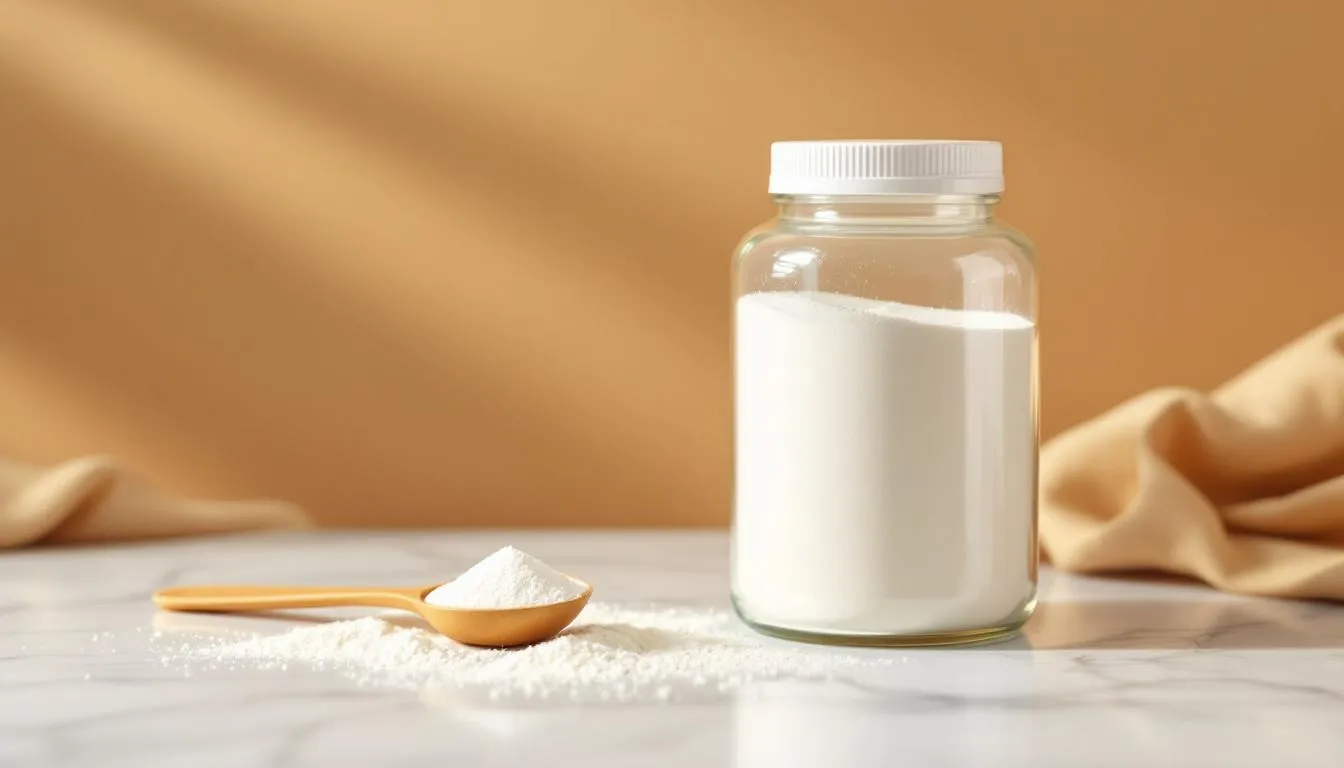
Glycine collagen supplement: the complete guide
Glycine makes up 33% of collagen. Most people have a 10g/day deficit. Here's how supplementing glycine boosts collagen synthesis, skin, joints, and longevity.
import { QuickAnswerBox, TableOfContents, TipBox, WarningBox, InfoBox, StatsGrid, ComparisonGrid, FAQSection, RelatedGuides, DataTable, NumberedSteps, Checklist } from '@/components/articles'
<QuickAnswerBox
title="Glycine collagen supplement: quick answer"
answer="Glycine makes up 33% of all collagen by amino acid content. Your body has a 10g/day deficit for collagen synthesis, and most diets only supply 2-4g. Supplementing 5-10g/day of glycine can boost collagen synthesis by up to 200%, improve skin elasticity in 8-12 weeks, and has been linked to a 1.4-year reduction in biological age over 6 months."
stats={[
{ value: "33%", label: "Of collagen is glycine" },
{ value: "10g/day", label: "Daily deficit" },
{ value: "200%", label: "Collagen synthesis increase" },
{ value: "8 weeks", label: "To see skin results" }
]}
/>
Most people buying collagen supplements are focused on the wrong thing.
They're looking at hydrolyzed collagen, marine collagen, bovine collagen. They're comparing brands, checking prices per serving, reading reviews. And they're missing the single most important fact about how collagen actually gets made in your body.
Collagen is one-third glycine. Every three amino acids in a collagen molecule, one of them is glycine. Not approximately one-third. Exactly one-third, because the structural geometry of the collagen triple helix demands glycine at every third position without exception. And here's the problem: your body runs a deficit of roughly 10 grams of glycine per day. Every single day. Your body needs it, can't make enough, and most diets don't come close to covering the gap.
This is the case for glycine as a collagen supplement. Not collagen peptides. Not bone broth. Glycine itself, the smallest amino acid and the one your body can never quite get enough of.
WinAging breaks down the research on longevity supplements so you can make smarter decisions. This is the full picture on glycine for collagen synthesis: the science, the dosing, the stacking, and what you can realistically expect.
<TableOfContents items={[ { id: "what-is-glycine", text: "What is glycine and why does it matter for collagen?" }, { id: "the-deficit", text: "The 10g/day glycine deficit explained" }, { id: "research", text: "What the research actually shows" }, { id: "glycine-vs-collagen", text: "Glycine vs collagen peptides: which is better?" }, { id: "dosage", text: "How much glycine to take for collagen" }, { id: "stacking", text: "How to stack glycine for maximum collagen synthesis" }, { id: "beyond-collagen", text: "Benefits beyond collagen: sleep, metabolism, and aging" }, { id: "safety", text: "Is glycine safe? Side effects and who should avoid it" }, { id: "timeline", text: "How long before you see results" }, { id: "best-forms", text: "Best forms and products" }, { id: "faq", text: "Frequently asked questions" } ]} />
What is glycine and why does it matter for collagen? {#what-is-glycine}
Glycine is an amino acid. The smallest one, structurally, with just a single hydrogen atom as its side chain. That tiny size is why it's so important.
Your body uses glycine for hundreds of functions: making glutathione (your master antioxidant), producing creatine, supporting bile acid synthesis, regulating neurotransmission, and building proteins. But none of these functions comes close to the glycine demand of collagen synthesis in terms of sheer quantity required.
Collagen is built on a repeating tripeptide structure. Every third amino acid in the chain must be glycine, because glycine is the only amino acid small enough to fit inside the tightly wound triple helix without distorting its shape. The sequence repeats as Gly-Pro-X or Gly-X-Hyp throughout the entire molecule, where X can be any amino acid. Glycine, proline, and hydroxyproline together account for about 57% of all amino acids in collagen. Glycine alone makes up exactly 33%.
Collagen is also the most abundant protein in your body. It's in your skin, tendons, ligaments, cartilage, bone, blood vessels, and gut lining. Your body is constantly turning it over, breaking it down, and rebuilding it. That process requires a constant, substantial supply of glycine.
The math here matters. A 70 kg person needs roughly 15+ grams of glycine per day across all metabolic functions, with collagen synthesis being the biggest single consumer. The body synthesizes about 3 grams per day from scratch, and a typical Western diet provides another 1.5-3 grams. Total available: maybe 5-6 grams. Total needed: 15+ grams. That's a daily shortfall of roughly 10 grams, every single day, for your entire adult life.
This isn't a fringe calculation. It was established in a landmark paper specifically examining whether the body's glycine biosynthetic capacity could meet the demand for collagen synthesis. The conclusion: it can't. Not even close. Glycine is now sometimes classified as "conditionally essential," meaning the body can make some but not nearly enough to meet demand under real-world conditions.
The 10g/day glycine deficit explained {#the-deficit}
The concept of a conditional nutrient deficiency is counterintuitive. We're used to thinking about nutrients as either essential (you can't make them at all) or nonessential (your body covers it). Glycine sits in the uncomfortable middle: your body makes some, but not enough.
Here's the breakdown for an average adult:
- Endogenous synthesis: approximately 3 g/day, primarily from serine via the enzyme glycine hydroxymethyltransferase
- Dietary intake (typical Western diet): 1.5-3 g/day, mostly from meat and eggs
- Total available: roughly 4.5-6 g/day
- Total metabolic demand: 15+ g/day across all functions, with collagen synthesis being the primary driver
- Net deficit: approximately 10 g/day
This deficit compounds over time. As you age, collagen turnover increases (because damaged collagen needs replacing faster), endogenous glycine synthesis may become less efficient, and dietary intake rarely improves. The result is progressively slower collagen synthesis, which contributes to the skin thinning, joint degradation, and connective tissue changes we associate with aging.
The good news: this deficit is closeable. Glycine supplements are cheap, safe, and highly bioavailable. Supplementing 5-10 grams per day directly addresses the bottleneck. The question isn't whether glycine helps with collagen, it's how much it helps and how to optimize it.
Use the WinAging supplement interaction checker before adding glycine to an existing stack, especially if you're already taking collagen peptides, creatine, or other amino acid supplements.
What the research actually shows {#research}
The evidence base for glycine and collagen synthesis is solid, with good mechanistic data and an improving clinical picture.
The collagen synthesis study
A 2018 PMC study on articular chondrocytes (the cells that make cartilage collagen) found that increasing glycine concentration to 1.5 mM boosted collagen synthesis by approximately 225% compared to control conditions. That's not a marginal effect. To achieve that plasma glycine concentration from baseline (normal plasma glycine runs around 0.25-0.5 mM), you'd need roughly 10 grams of supplemental glycine per day.
This was cell-culture research, so it doesn't directly translate to "you'll synthesize 225% more collagen." But it does establish a clear dose-response relationship at the cellular level. More glycine available means more collagen made.
Collagen peptides RCTs
Four independent double-blind, placebo-controlled trials have found that 2.5-5 grams per day of hydrolyzed collagen peptides (which are approximately 33% glycine by amino acid content) significantly improved skin elasticity, hydration, and wrinkle depth over 8-12 weeks. These trials establish that increasing the supply of collagen amino acids, including glycine, produces measurable skin benefits in humans.
The biological age reduction study
A 2025 study published in npj Aging (Nature journal) gave 66 subjects a formula containing 8.4 grams of glycine, 1.7 grams of proline, and 1.7 grams of hydroxyproline daily (along with alpha-ketoglutarate, astaxanthin, and vitamin C) for 6 months. Results: measurable skin improvement within 3 months, and a statistically significant 1.4-year reduction in biological age within 6 months.
The same formula extended lifespan in C. elegans by 6-27%. Notably, the collagen amino acid approach outperformed whole collagen supplementation in the animal models, suggesting that the specific amino acid ratios matter more than taking intact collagen protein.
GlyNAC and glutathione
Glycine is half of the GlyNAC combination (glycine + N-acetylcysteine), which directly addresses the age-related decline in glutathione, the body's master antioxidant. Glutathione falls significantly with age, and supplementing its precursors restores levels. GlyNAC trials in older adults have shown improvements in multiple markers of aging including oxidative stress, inflammation, insulin resistance, and physical function. You can read more about glycine dosage for anti-aging for the full breakdown on this.
Glycine vs collagen peptides: which is better? {#glycine-vs-collagen}
This is the most common question from people who've been taking collagen peptides and are wondering whether to switch to glycine powder, add it, or both.
The honest answer: they do different things. They're complementary, not interchangeable.
<ComparisonGrid title="Glycine powder vs collagen peptides" leftTitle="Glycine powder" rightTitle="Collagen peptides" leftItems={[ "1g glycine per 1g product (100% efficient)", "Directly closes the 10g/day supply deficit", "No signaling peptides (Pro-Hyp, Gly-Pro-Hyp)", "Very cheap: $0.05-0.10 per gram", "Flexible dosing, nearly tasteless", "Best for: deficit correction, sleep, liver support" ]} rightItems={[ "Only ~0.33g glycine per 1g collagen", "Delivers bioactive Pro-Hyp dipeptides", "Signaling peptides stimulate fibroblasts directly", "More expensive: 3-5x per gram of glycine", "Mild taste, mixes well", "Best for: skin/joint signaling effects" ]} />
The key difference is bioactive signaling peptides. When collagen is hydrolyzed, the resulting peptides include Pro-Hyp (proline-hydroxyproline) dipeptides that survive digestion, appear in the bloodstream, and directly signal skin fibroblasts to produce more collagen. Free glycine powder doesn't deliver these peptides.
On the other hand, glycine powder is dramatically more cost-efficient at delivering raw glycine, and it addresses the supply deficit directly. Collagen peptides are roughly 33% glycine by amino acid content, so a 10-gram serving only delivers about 3.3 grams of glycine.
The optimal approach depends on your goal and budget. For pure deficit correction and maximum glycine intake, powder is the most efficient vehicle. For the signaling benefits on top of raw amino acid supply, stacking collagen peptides with additional glycine powder gets you both mechanisms.
Check your current supplement stack before adding multiple collagen-related products, some combinations (especially with high-dose zinc) have interaction considerations.
How much glycine to take for collagen {#dosage}
There's no single "correct" dose because the right amount depends on your goals and baseline intake.
<DataTable headers={["Goal", "Daily dose", "Notes"]} rows={[ ["Baseline collagen support", "2.5-5g", "Minimum effective from clinical trial data"], ["Skin elasticity improvement", "5-10g", "Most studied range for visible skin benefits"], ["Maximum collagen synthesis", "~10g", "Based on plasma concentration research"], ["npj Aging 2025 protocol", "8.4g glycine + 1.7g proline + 1.7g hydroxyproline", "With vitamin C, alpha-ketoglutarate"], ["Sleep improvement", "3g before bed", "Well-established dose, separate from daytime collagen support"], ["GlyNAC stack", "3-5g glycine + 600mg NAC", "For glutathione restoration and anti-aging benefits"] ]} />
For most people aiming at collagen and skin benefits, 5 grams per day is a reasonable starting point. That's half a teaspoon of powder. You can work up to 10 grams if you're specifically targeting maximum collagen synthesis. If you're already taking collagen peptides, factor in the glycine content from those (roughly 33% of the dose) and add glycine powder to reach your target.
The sleep-benefit dose is separate. Three grams taken 30 minutes before bedtime is the well-studied protocol from Japanese research. If you want both collagen support and sleep improvement, you'd take 5-10 grams with meals and an additional 3 grams before bed. That's 8-13 grams per day total. Still well within the safety range.
Timing for collagen support: take it with or near meals, particularly meals that contain protein. Some research suggests taking it alongside vitamin C specifically. There's no strict requirement for fasting or specific timing windows, unlike some other longevity supplements.
Read more about glycine for sleep and when to take glycine for more detail on timing.
How to stack glycine for maximum collagen synthesis {#stacking}
Glycine alone will improve collagen production. But the full collagen synthesis stack does considerably more.
The non-negotiable: vitamin C
Prolyl hydroxylase and lysyl hydroxylase are the enzymes that hydroxylate proline and lysine in collagen, creating the hydroxyproline and hydroxylysine that stabilize the triple helix. Both enzymes are ascorbic acid-dependent. Without adequate vitamin C, these hydroxylation reactions fail, the triple helix is unstable, and collagen can't be properly secreted.
This isn't a minor cofactor effect. Vitamin C deficiency is what causes scurvy, which is fundamentally a collagen synthesis failure. You don't need to be scorbutic to benefit from optimizing your vitamin C status. Add 500-1,000 mg of vitamin C alongside your glycine, ideally around the same time. This is the single highest-leverage addition to a glycine stack.
The complementary amino acids: proline and lysine
Proline is the second-most abundant amino acid in collagen. Lysine is required for crosslinking collagen fibers. Both become limiting factors when glycine is supplied in abundance. Adding 1-2 grams of each rounds out the collagen amino acid profile and matches the ratio studied in the npj Aging 2025 trial.
Not everyone needs to supplement proline and lysine separately. If you're already taking collagen peptides, you're getting both. But for people relying primarily on glycine powder, adding 1-2 grams of proline and lysine (usually available as a combined "collagen support" formula) can meaningfully improve outcomes.
The matrix support: hyaluronic acid and zinc
Collagen doesn't function in isolation. It's embedded in the extracellular matrix alongside hyaluronic acid, which retains water and gives the matrix its gel-like properties. Supplementing 100-200 mg of hyaluronic acid alongside collagen amino acids improves skin hydration and plumpness in ways that collagen synthesis alone doesn't fully address.
Zinc is a cofactor for multiple collagen synthesis enzymes. Many adults run borderline zinc status, particularly those who don't eat red meat regularly. 15-30 mg of zinc (as zinc glycinate or zinc picolinate for best absorption) supports the enzymatic machinery that builds collagen.
<Checklist title="The optimal collagen synthesis stack" dos={[ "Glycine powder: 5-10g/day with meals", "Vitamin C: 500-1,000mg (essential cofactor)", "Collagen peptides: 10-15g/day for Pro-Hyp signaling (optional but synergistic)", "Proline: 1-2g/day if not taking collagen peptides", "Zinc: 15-30mg/day as zinc glycinate", "Hyaluronic acid: 100-200mg/day for matrix support", "Glycine 3g before bed for sleep benefit", "Vitamin C alongside glycine for enzymatic support" ]} donts={[ "Take glycine without vitamin C (misses the cofactor requirement)", "Rely on bone broth alone (glycine content varies wildly)", "Expect skin results in less than 4 weeks", "Combine with high-dose zinc without calcium monitoring", "Take large doses on an empty stomach (can cause nausea)", "Skip consistency (daily use matters more than timing)" ]} />
How glycine fits with a broader longevity stack
Glycine pairs well with several longevity compounds beyond the direct collagen support stack. The glycine and taurine combination is popular for metabolic and cardiovascular support. Both amino acids support bile acid synthesis and have complementary effects on cellular health.
If you're building a broader longevity protocol, use WinAging's AI protocol builder to create a personalized stack based on your specific goals, age, and health history. Glycine is a common foundation compound in longevity protocols because of its low cost, high safety margin, and wide range of mechanisms.
Benefits beyond collagen: sleep, metabolism, and aging {#beyond-collagen}
Glycine's benefits extend well past collagen. This is one of the reasons it's become a staple in many longevity stacks.
Sleep quality
Three grams of glycine taken 30 minutes before bedtime consistently improves sleep quality in human trials. The mechanism is fascinating: glycine acts on NMDA receptors in the suprachiasmatic nucleus (the brain's circadian pacemaker), inducing peripheral vasodilation which lowers core body temperature. Lower core temperature is a key trigger for sleep onset.
Studies show improvements in subjective sleep quality within 2-4 days, reduced fatigue the following morning, and better performance on psychomotor vigilance tests (reaction time, accuracy). These effects appear even in people who don't consider themselves poor sleepers.
Sleep is itself one of the most powerful collagen-regenerating activities your body performs. Growth hormone, which drives collagen synthesis, peaks during deep sleep. Improving sleep quality through glycine creates a positive feedback loop: better sleep means more growth hormone, which means more collagen production, which is exactly what you're supplementing glycine to support in the first place.
Metabolic effects
Multiple studies have examined glycine's metabolic effects in people with insulin resistance and metabolic syndrome. Supplementing 5 grams three times daily (15 grams total) for 3 months reduced HbA1c and fasting glucose in Type 2 diabetics. Similar protocols decreased systolic blood pressure in metabolic syndrome patients.
The mechanism involves glycine's role in gluconeogenesis regulation and its effects on insulin secretion. A single oral dose can improve insulin response in healthy subjects. These aren't the primary reason to take glycine, but they're meaningful secondary benefits, especially for people already targeting metabolic health through berberine or berberine and alpha lipoic acid.
Glutathione production
Glycine is a direct precursor to glutathione, your body's most important endogenous antioxidant. Glutathione declines significantly with age. The GlyNAC protocol (glycine + N-acetylcysteine) restores glutathione in older adults and has shown improvements in oxidative stress, inflammation, insulin resistance, and mitochondrial function in clinical trials.
The longevity benefits of maintaining glutathione levels are substantial. Oxidative stress is one of the primary drivers of cellular aging, and glutathione is the body's primary defense against it. Taking glycine for collagen therefore also supports your antioxidant defense system as a significant bonus.
Track your biological aging progress with the biological age calculator to see how interventions like glycine are affecting your overall aging trajectory.

Is glycine safe? Side effects and who should avoid it {#safety}
Glycine has one of the best safety profiles of any supplement.
The FDA classifies it as GRAS (generally recognized as safe). Human research has used up to 60 grams per day (30 grams twice daily) in schizophrenia research without significant adverse effects. At practical supplementation doses of 5-15 grams per day, glycine is extremely well tolerated.
Common minor side effects:
- Mild nausea or loose stools, most common when starting at high doses or taking on an empty stomach
- Drowsiness if taken during the day (the sleep-promoting effect doesn't strictly stay confined to nighttime use at high doses)
Who should be cautious:
- People with severe kidney disease: consult a doctor before supplementing any amino acid in large amounts
- People taking anticoagulants: theoretical platelet interaction at very high doses, though clinically this hasn't been demonstrated to be problematic
- People with existing sleep disorders who are sensitive to sedative effects: the sleep-promoting action of glycine may amplify sedation from other supplements or medications
Contraindications: There are no absolute contraindications for glycine at standard longevity doses (3-15 g/day) in healthy adults. Pregnancy and breastfeeding: the available evidence doesn't raise red flags, but supplementation at high doses during pregnancy hasn't been adequately studied, so caution is reasonable.
One thing to watch: glycine's drowsiness effect at daytime doses. Starting at 5 grams and working up over a few days lets your body adjust.
How long before you see results {#timeline}
This is one of the most common questions, and the answer varies significantly by outcome.
<Timeline steps={[ { title: "Days 1-4", description: "Sleep quality improvement if taking 3g before bed. Most people notice they fall asleep faster and feel less fatigued the next morning.", color: "blue" }, { title: "Weeks 2-4", description: "Improved skin hydration. Skin starts to feel more plump and moisturized, especially if combining with hyaluronic acid.", color: "teal" }, { title: "Weeks 4-8", description: "Measurable skin elasticity improvement. Skin texture becomes more uniform. Some people notice reduced puffiness in joints.", color: "green" }, { title: "Weeks 8-12", description: "Significant wrinkle reduction visible in clinical photography. Joint comfort begins improving meaningfully. The 4-RCT collagen data puts meaningful skin improvement at this range.", color: "amber" }, { title: "3-6 months", description: "Biological age reduction measurable (1.4-year reduction at 6 months per npj Aging 2025). Deeper skin structural improvements. Joint benefit in early osteoarthritis.", color: "orange" }, { title: "12+ months", description: "Structural changes in cartilage and connective tissue. Cumulative effects build over time with consistent daily use.", color: "red" } ]} />
The key word is consistency. Daily supplementation for at least 8-12 weeks is required before drawing meaningful conclusions. Collagen synthesis is a slow process because collagen is a slow-turnover structural protein. Skin collagen has a half-life of roughly 15 years in young adults, though turnover accelerates with UV exposure and aging. You're not replacing it overnight.
Don't judge a glycine protocol by the first two weeks. The sleep benefits come quickly. The collagen benefits take months.
Best forms and products {#best-forms}
Glycine supplements are straightforward. There aren't many formulation choices that matter, and it's one of the cheapest supplements on the market.
Powder vs capsules
Powder is strongly preferred for collagen-support dosing. To hit 10 grams per day in capsules, you'd need 20 capsules (assuming 500mg each). That's impractical and expensive. Glycine powder is nearly tasteless, dissolves in water or coffee, and is typically priced at $0.05-0.10 per gram. A 1 kg bag (1,000 grams) costs $15-40 depending on the brand, lasting 3-6 months at 5-10 grams per day.
Capsules make sense for the 3-gram sleep dose if you prefer that format.
What to look for
- Purity: Look for 99%+ pure glycine powder with no additives
- Third-party testing: NSF, Informed Sport, or USP certification
- No proprietary blends: You want to know exactly how much glycine you're getting
- Bulk powder format: For any dose above 3g/day, powder is more practical and economical
Combined collagen and glycine products
Some products combine hydrolyzed collagen peptides with added glycine to bring the collagen amino acid ratios closer to the optimal profile. These can simplify the stack. Look for formulations that also include vitamin C, proline, and zinc. The "collagen activator" style formulas studied in the npj Aging 2025 trial represent this category.
Standalone brands worth considering: NOW Foods Glycine Powder, Bulk Supplements Glycine, Pure Encapsulations Glycine (pharmaceutical grade quality). For the collagen peptide + glycine combination, Vital Proteins and Transparent Labs both have well-regarded offerings.
If you're also interested in glycine powder bulk purchasing options for cost optimization, that article breaks down the options in detail.
Frequently asked questions {#faq}
<FAQSection questions={[ { question: "Can I take glycine and collagen peptides together?", answer: "Yes, and it's actually the optimal combination. Collagen peptides deliver bioactive Pro-Hyp signaling peptides that stimulate fibroblasts. Glycine powder efficiently closes the amino acid deficit. Taking both covers the signaling mechanism and the supply problem simultaneously." }, { question: "How much glycine is in collagen peptides?", answer: "About 33% by amino acid content. So a 10g serving of collagen peptides delivers roughly 3.3g of glycine. If you're targeting 10g/day of glycine total, you'd need to add approximately 6-7g of additional glycine powder on top of your collagen peptides serving." }, { question: "Is glycine the same as collagen?", answer: "No. Glycine is the primary amino acid that collagen is made from. Collagen is the completed protein, built from glycine, proline, hydroxyproline, lysine, and other amino acids in a specific repeating structure. Taking glycine provides the raw material; your body does the construction." }, { question: "What's the best time to take glycine for collagen?", answer: "With meals, ideally alongside vitamin C. Vitamin C is essential for the hydroxylation reactions that stabilize collagen's triple helix structure. Daytime dosing (5-10g with breakfast or lunch) handles the collagen support, and an additional 3g before bed handles the sleep benefits if you want both." }, { question: "Does glycine really help with wrinkles?", answer: "The evidence is indirect but solid. Glycine closes the primary rate-limiting bottleneck for collagen synthesis (supply deficit). Collagen supplementation RCTs (which deliver glycine plus other collagen amino acids) show measurable improvements in skin elasticity and wrinkle depth within 8-12 weeks. Glycine alone likely delivers similar benefits, though head-to-head trials specifically on glycine powder vs placebo for wrinkle reduction are limited." }, { question: "Is glycine good for joints as well as skin?", answer: "Yes. Articular cartilage is largely type II collagen, and the same glycine deficit that limits skin collagen synthesis also limits cartilage collagen production. Studies on collagen supplementation show meaningful joint comfort improvements over 12-24 weeks, particularly in people with early osteoarthritis or active people with joint stress from exercise." }, { question: "Can I get enough glycine from bone broth?", answer: "It's difficult to rely on bone broth alone. Glycine content varies enormously by preparation method, cooking time, and bone type. A well-made cup of bone broth provides roughly 2-3g of glycine. Closing a 10g/day deficit would require 3-5 cups daily. PubMed research notes that bone broth is unlikely to provide reliable concentrations of collagen precursors compared to supplemental sources. Bone broth as an addition to a glycine supplement? Great. Bone broth instead of supplementing? Probably not enough." }, { question: "How does glycine compare to NMN or other longevity supplements?", answer: "They target different aging pathways. NMN and NR raise NAD+ levels to support sirtuins and cellular energy metabolism. Glycine addresses the structural protein deficit that underlies much of physical aging (skin, joints, connective tissue). Berberine activates AMPK. Most serious longevity protocols include glycine as a foundation compound alongside these because the mechanisms are complementary, not competing." } ]} />
Related guides
<RelatedGuides guides={[ { title: "Glycine dosage for anti-aging: the complete protocol", href: "/blog/glycine-dosage-for-anti-aging" }, { title: "Glycine for sleep: the 3g protocol explained", href: "/blog/glycine-supplement-for-sleep" }, { title: "Glycine and taurine: stacking for metabolic health", href: "/blog/glycine-and-taurine" }, { title: "Glycine benefits for skin: the science", href: "/blog/glycine-benefits-for-skin" }, { title: "Supplement interaction checker", href: "/tools/supplement-interaction-checker" } ]} />
Sources
- High glycine concentration increases collagen synthesis - PMC 2018
- Collagen amino acids and biological age reduction - npj Aging 2025
- Effects of glycine on daytime sleepiness - PMC
The glycine gap is real. Ten grams per day, every day, for your entire adult life. Your body needs it to build collagen and can never quite make enough. Supplementing 5-10 grams of glycine powder is one of the cheapest, safest, and best-supported interventions for skin elasticity, joint health, and structural aging.
Start with 5 grams in the morning. Add 3 grams before bed if you want the sleep benefits. Stack it with vitamin C and you've closed the primary bottleneck in collagen synthesis.
Want a personalized longevity protocol that includes glycine alongside other compounds targeting your specific goals? Try WinAging's AI protocol builder to build a custom stack based on your age, health profile, and priorities.