Low dose naltrexone over the counter: what to know
Can you buy low dose naltrexone without a prescription? Here's what the law says, why LDN requires a doctor, and the cheapest legal ways to get it.

You've heard about low dose naltrexone. Maybe from a Reddit thread, a podcast, a friend who finally found relief from fibromyalgia after years of dead ends. The research looks promising. The cost sounds reasonable. And naltrexone isn't even a controlled substance. So why can't you just buy it at the pharmacy like ibuprofen?
The short answer: you can't. Not legally, not in any country with a functional regulatory system. But the longer answer explains why that's the case, what legitimate options actually exist, and how thousands of people access LDN affordably without resorting to sketchy overseas pharmacies.
This guide covers everything: what LDN is and why it works differently from standard naltrexone, the legal landscape around getting it, how telehealth has changed the game, what compounding pharmacies charge, what conditions it's used for, and why the biggest barrier isn't the drug itself but the system around it.

Can you buy low dose naltrexone over the counter?
No. Not in the US, not in the UK, not in Canada, Australia, or any EU country. Naltrexone at any dose requires a prescription from a licensed healthcare provider. This applies whether you want 50mg for addiction treatment or 1.5mg for off-label immune support.
This surprises a lot of people. Naltrexone isn't a narcotic. It's not a controlled substance. You can't get high from it, and it has almost no abuse potential. So why does it need a prescription when allergy pills don't?
The FDA and equivalent agencies regulate drugs by pharmacological effect, not just abuse potential. Any medication that works on opioid receptors in the brain, requires physician assessment before use, can cause dangerous interactions (more on that shortly), and was approved through a clinical trial process gets prescription-only status. Naltrexone checks all those boxes. The fact that it's safe at low doses and non-addictive doesn't change its legal classification.
Here's the other issue: there is no FDA-approved low dose naltrexone product. The approved formulations are Revia (50mg tablets) and Vivitrol (380mg extended-release injection). An LDN product at 1.5mg, 3mg, or 4.5mg doesn't exist commercially because no pharmaceutical company has funded the trials needed to get it approved at those doses. Naltrexone is a decades-old generic with no patent protection. There's no financial incentive to spend $300 million on Phase III trials for a drug any generic manufacturer can make. So LDN stays off-label, and off-label drugs can't be sold OTC.
That's not a judgment about whether LDN is effective. It's just how drug economics work.
What is low dose naltrexone and why do people want it?
Naltrexone at full dose (50-100mg/day) was first approved in 1984 for opioid addiction. It works by fully blocking opioid receptors around the clock, preventing the euphoric effect of opioids and reducing cravings. Later it was approved for alcohol use disorder with the same mechanism.
The low dose version emerged from work by Dr. Bernard Bihari, a Harvard-trained physician who started experimenting with naltrexone doses around 1-4.5mg in 1985. His patients were HIV-positive, and he noticed they had abnormally low endorphin levels. He hypothesized that a brief, partial opioid receptor blockade might trigger the body to compensate by upregulating its own endorphin production. He was right.
At these low doses, naltrexone works through two distinct mechanisms that are essentially the opposite of what it does at 50mg.
The endorphin rebound effect. At 1-4.5mg, naltrexone blocks opioid receptors for only 4-6 hours, then clears. The brain detects this brief blockade and overcompensates by producing more endogenous opioids, particularly beta-endorphin and met-enkephalin. Studies show circulating endorphins can increase by 200-300% through this mechanism. Once the naltrexone clears, those elevated endorphins bind to their receptors unopposed, producing net improvements in pain, mood, and immune regulation.
TLR4 antagonism. The other mechanism doesn't involve opioid receptors at all. The (-)-isomer of naltrexone (levo-naltrexone) acts as an antagonist at Toll-Like Receptor 4 (TLR4) on microglia, the brain's resident immune cells. TLR4 is a pattern recognition receptor. When microglia activate it, they release pro-inflammatory cytokines including TNF-alpha, IL-1beta, and interferon-beta. By blocking TLR4, LDN calms microglial activation and reduces central neuroinflammation.
These two mechanisms run in parallel. The endorphin pathway handles pain signaling and immune modulation. The TLR4 pathway handles neuroinflammation. Together they create an immunomodulatory effect that doesn't suppress the immune system, just recalibrates it.
That's why people with conditions involving immune dysfunction and neuroinflammation get interested in LDN. And why they want access to it without fighting through a healthcare system that often dismisses both the conditions themselves and the off-label treatment options.
Why LDN requires a prescription: the real reasons
Beyond the regulatory framework, there are legitimate clinical reasons why LDN should be prescribed rather than self-administered.
Precipitated withdrawal. This is the big one. If anyone has any opioids in their system when they take naltrexone, even at low doses, they can experience precipitated withdrawal. This is sudden, severe, and occasionally requires emergency care: rapid-onset vomiting, extreme muscle pain, racing heart, hypertension, severe agitation. It's not subtle. Opioids that can trigger this include obvious ones (OxyContin, heroin) and less obvious ones (tramadol, codeine in cough medicine, kratom, methadone, buprenorphine).
Anyone starting LDN needs to be completely opioid-free for 7-14 days beforehand. Without a physician managing this process, the timing easily gets miscalculated.
Drug interactions require review. Naltrexone interacts with several medication classes, including some immunosuppressants that an autoimmune patient might already be taking. A physician needs to review the full medication list before prescribing.
Dosing accuracy. The therapeutic range for LDN is roughly 1-5mg. That's a narrow window. Attempting to approximate this by splitting a 50mg commercial tablet is unreliable. Active ingredient distribution in a compressed tablet isn't uniform. You might get 0.2mg or 9mg from what you think is a 1.5mg piece. Compounding pharmacies exist precisely because making accurate low-dose formulations requires pharmaceutical-grade measurement equipment.
Underlying diagnosis matters. People searching for OTC LDN usually have a chronic condition they're trying to manage. A physician who prescribes LDN should also be evaluating whether the diagnosis is correct, whether other treatments have been appropriately tried, and whether LDN is a reasonable addition to the current protocol.
None of this means the prescription requirement is perfectly designed. Many people who need LDN face real barriers to getting it. But those barriers aren't solved by buying unregulated naltrexone online.
The legal pathways to getting LDN
Since OTC isn't an option, here's what actually works.
 Telehealth has made LDN far more accessible in the past few years. Most consultations happen entirely online.
Telehealth platforms specializing in LDN
This is the biggest change in LDN accessibility over the past five years. Several telehealth companies have built their practice around functional medicine and off-label therapies including LDN. You don't need to convince a skeptical primary care doctor. These providers already know what LDN is and prescribe it routinely.
AgelessRx focuses on longevity medicine and offers LDN alongside other longevity compounds. The model includes an online consultation, a physician review, and pharmacy delivery. They partner with compounding pharmacies directly so the prescription and dispensing happen through one pipeline.
LDN Doctor specializes in LDN specifically. Initial consultations run around $220 for 20 minutes, with a physician who has likely seen hundreds of LDN patients. Not cheap for the consultation, but you know you're getting someone who won't tell you "there's not enough evidence" and dismiss you.
Hone Health uses a membership model ($25-149/month depending on tier) that includes prescriptions for multiple off-label and longevity compounds including LDN. If you're already interested in optimization broadly, this can cover multiple needs.
Habitat Healthcare offers a dedicated LDN program at around $149/month including ongoing management.
All of these involve a real medical consultation. You fill out a health history, list your medications, describe your symptoms and diagnosis, and a licensed physician reviews the case. If they determine LDN is appropriate, the prescription goes to a compounding pharmacy and medication ships to your door.
Your existing physician
If you have a functional medicine physician, integrative medicine specialist, rheumatologist, neurologist, or pain management doctor, it's worth asking directly. The LDN Research Trust maintains a directory of physicians known to prescribe it, organized by country. The LDN Research Trust physician directory is the best starting point.
If your current doctor is unfamiliar with LDN, bringing a printed copy of a recent systematic review can help. The 2025 scoping review published in PMC (PMID: 39866284) is comprehensive and peer-reviewed. Some physicians respond well to patient-initiated evidence; others don't. Know your audience.
Compounding pharmacies (with prescription)
Once you have a prescription, a compounding pharmacy handles the formulation. Since no commercial LDN product exists, compounding is required for everyone.
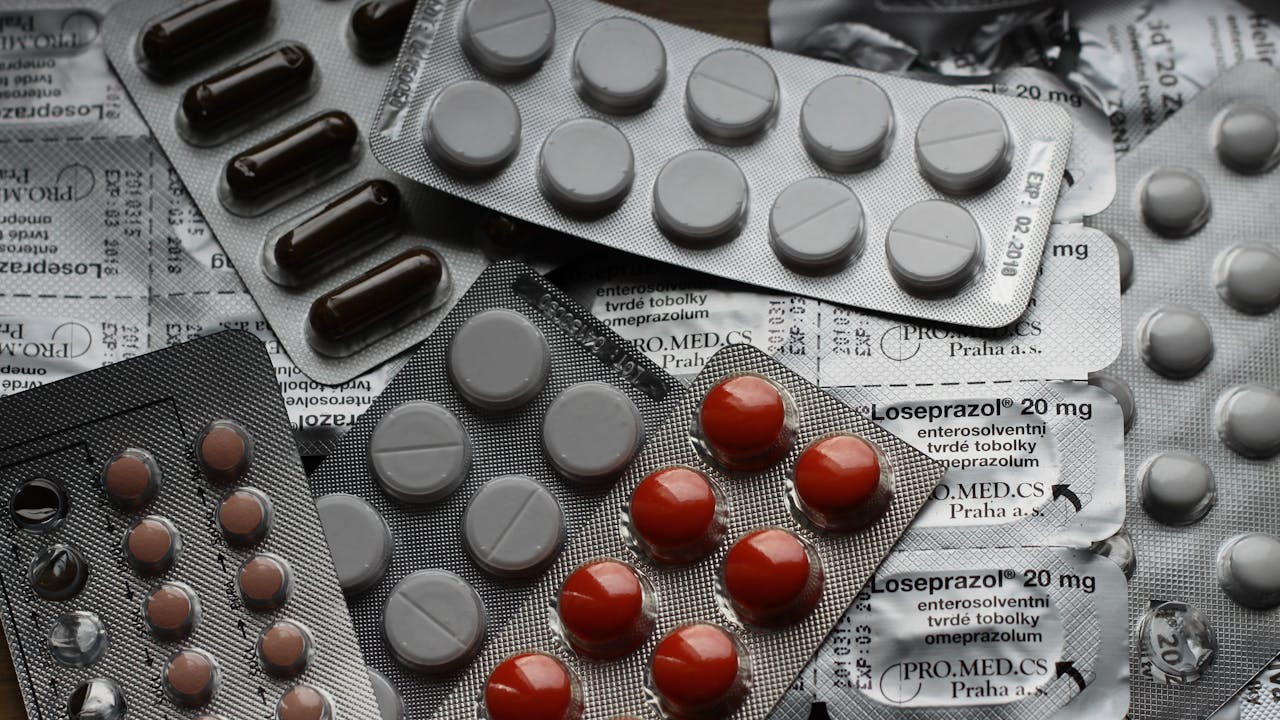 LDN must come from a compounding pharmacy since no commercial low-dose naltrexone product exists.
What compounding pharmacies do: They custom-formulate medications at doses not commercially available, using pharmaceutical-grade active ingredients mixed by licensed pharmacists. For LDN, that typically means putting 1.5mg, 3mg, or 4.5mg of naltrexone into capsules with an inert filler.
Cost: This is where LDN's economics become genuinely interesting. A 30-day supply of 4.5mg LDN capsules from a compounding pharmacy typically runs $30-60. Some examples:
- CareFirst Specialty Pharmacy: ~$47 for 90 tablets at any strength from 0.5-4.5mg
- Little Acorn Pharmacy: 90-day supply under $100
- Two Rivers Pharmacy: $45 flat rate for under 30 capsules
Compare that to most branded autoimmune medications, which often cost $1,000-4,000/month even with insurance, and you understand part of the appeal.
Quality markers to look for: PCAB accreditation (Pharmacy Compounding Accreditation Board) and 503A compliance are the quality standards. Not every pharmacy that compounds LDN meets these standards, so it's worth confirming.
The telehealth platforms listed above typically handle the pharmacy referral for you, steering prescriptions to partners they've vetted.
What conditions is LDN used for?
This matters for understanding who is searching for OTC LDN and why. These are people living with conditions that have few good treatment options and who've often been dismissed by the conventional medical system.
Fibromyalgia
The evidence here is the strongest in the LDN literature. A recent meta-analysis of 5 randomized controlled trials found LDN superior to placebo for pain reduction, with significant decreases in inflammatory markers including IL-6, TNF-alpha, and TGF-beta. One key trial showed 32.5% symptom reduction in the LDN group versus 2.3% in placebo, with 57% of patients classified as responders.
Fibromyalgia is a condition with almost no effective pharmaceutical options. The three approved drugs (duloxetine, milnacipran, pregabalin) have modest efficacy and significant side effect profiles. For people who've tried those and failed, LDN becomes compelling precisely because it works through entirely different mechanisms. If you want to understand the side effects profile before starting, that's worth reading first.
Crohn's disease and IBD
A Phase II trial in pediatric Crohn's showed 89% of patients achieved a clinically meaningful response and 67% reached remission. Adult studies have been smaller but consistent. The microglial-calming effect appears to extend to gut-associated immune tissue, reducing the inflammatory cascade that drives IBD flares.
Multiple sclerosis
Studies show 60-75% of MS patients report improvements in fatigue and quality of life on LDN. It appears less effective at altering lesion burden (the structural MRI changes) but meaningfully helpful for symptom burden. For people managing the day-to-day reality of MS, fatigue and quality of life matter enormously.
Long COVID and ME/CFS
This is the area attracting the most recent research attention. A study in Clinical Therapeutics showed LDN improved post-COVID symptoms across multiple domains including energy, pain, concentration, and sleep. A separate study found LDN combined with NAD+ produced significant improvements in post-COVID fatigue, which aligns with what WinAging covers in terms of the synergy between compounds targeting neuroinflammation and mitochondrial function.
Several active clinical trials are underway including a large British Columbia RCT and Harvard's investigation of LDN combined with Mestinon for ME/CFS. Given how few treatments exist for these conditions, the clinical interest is significant.
Chronic pain broadly
A real-world retrospective cohort study found 53.8% of patients experienced subjective improvement in pain with minimal side effects. LDN doesn't work like a traditional analgesic. It's not blocking pain signals acutely. It's modulating the central sensitization and neuroinflammation that underpins chronic pain syndromes. That's why results take weeks rather than hours.
Autoimmune conditions
Beyond the named conditions above, LDN is used off-label for psoriasis, eczema, Hashimoto's thyroiditis, lupus, rheumatoid arthritis, and CRPS (complex regional pain syndrome). The evidence varies by condition, ranging from robust RCT data for some to case reports for others.
Safety profile: what the evidence actually shows
People researching OTC LDN often do so because they're worried a physician will be overly cautious or create barriers. The honest safety picture is worth knowing before that conversation.
Common side effects: The most frequently reported side effect is vivid dreams, affecting roughly 8% of users. It usually occurs in the first few weeks and resolves with time. Insomnia or slightly disrupted sleep is the second most common complaint, also typically transient. Mild nausea and headache are reported rarely.
Management: If vivid dreams become problematic, switching from bedtime dosing to morning dosing resolves the issue for most people. This is a standard clinical adjustment many LDN-prescribing physicians will make. The timing of your dose matters more than most people realize.
Serious adverse events: None reported in clinical literature at LDN doses. No deaths. No serious hepatotoxicity (which is a concern at very high naltrexone doses in heavy drinkers, but not at 1-4.5mg).
Long-term safety: The honest answer is that formal long-term safety studies don't exist specifically for LDN. However, naltrexone has decades of safety data at doses 10-20 times higher. No serious adverse events have appeared in long-term observational data from LDN users. The LDN Research Trust reports no evidence of immune blunting or increased infection susceptibility.
One important practical note: if you're ever prescribed opioid pain medication, you must stop LDN at least 24 hours before taking any opioid to avoid precipitated withdrawal. And if you've recently used opioids, you need to be fully cleared before starting LDN. This is the conversation your prescribing physician will have with you, and it's the right one to have. You can read more about what to avoid while taking LDN in our dedicated guide.
How LDN compares to full-dose naltrexone
Understanding why these are functionally different drugs helps explain why you can't just split a 50mg tablet.
Full-dose naltrexone (50mg) produces continuous, sustained blockade of opioid receptors for 24+ hours. The brain gets a consistent signal that opioid receptors are occupied. No rebound. No upregulation. The net result is suppression of opioid signaling, which is exactly what you want for addiction treatment.
LDN (1-4.5mg) produces a brief, partial blockade lasting 4-6 hours, typically while you sleep. The brain interprets this as a deficiency and overcorrects, producing 200-300% more endogenous opioids. By the time you wake up, the naltrexone has cleared and those elevated endorphins are active. The net result is enhanced natural opioid tone, not suppression.
These two drugs produce pharmacologically opposite systemic effects despite being the same molecule at different doses. That's a meaningful distinction and part of why physicians who understand LDN are careful about dose precision.
It also explains why you can't manage this with a DIY 50mg tablet-splitting approach. You'd need consistent doses in the 1-5mg range. A 50mg tablet split into 10-15 pieces won't produce equal portions. Some pieces might contain 0.3mg of active ingredient. Others might have 7mg. The compounding pharmacy process exists because pharmaceutical-grade mixing and capsule filling requires equipment that your kitchen scale doesn't replicate.
The real barriers to LDN access
The people searching for "low dose naltrexone over the counter" aren't doing it frivolously. They're doing it because of legitimate systemic failures.
The prescriber knowledge gap. Walk into most primary care offices and mention LDN. You're likely to get one of three responses: a blank stare, "there's not enough evidence," or "I don't prescribe off-label." All of these are technically defensible positions for physicians who don't follow functional medicine literature. None of them are helpful if you have treatment-resistant fibromyalgia and you've done your homework.
Cost without insurance. Even at $35-60/month for medication, the total cost of care can reach $150-200/month when you include telehealth consultation fees. For someone managing a chronic condition that prevents full-time work, that's a real barrier.
Insurance won't cover it. Because LDN is off-label and compounded, insurers classify it as experimental. Almost no commercial insurance plan covers it. HSA and FSA accounts can be used for both the consultation and the medication, but that still requires having them.
The chicken-and-egg problem. Pharmaceutical companies won't fund LDN trials because it's generic and unprofitable. Without large trials, LDN stays off-label. Off-label drugs don't get covered by insurance. Without insurance coverage, access barriers persist. The 30,000-member Reddit community r/LowDoseNaltrexone is partly a symptom of people navigating this system failure.
 Many people turn to LDN after years of inadequate treatment for chronic conditions. The goal is a better quality of life.
Understanding this context doesn't change the legal answer, but it explains why the question keeps getting asked.
What to know about buying LDN from overseas sources
This section exists because people will search for it regardless, and accurate information is better than no information.
Indian pharmacy websites like AllDayChemist sell naltrexone 50mg tablets (brand: Naltima) without a prescription. Some people order these and attempt to split or dissolve them to approximate LDN doses.
The problems with this approach are significant:
Legal risk. The FDA prohibits importing prescription drugs without authorization. Customs and Border Protection regularly seizes pharmaceutical shipments from India. Packages are delayed 30-60 days commonly. Seizure without refund is frequent. There are rarely criminal consequences for the recipient, but you lose the medication and the money.
Quality risk. Analysis of drugs from unregulated overseas sources found up to 84% were counterfeit. Some contained no active ingredient. Others contained incorrect active ingredients. There's no way to verify purity or potency of naltrexone purchased without a prescription from an online pharmacy operating outside US regulatory oversight.
Dosing risk. Even with legitimate 50mg tablets, splitting to achieve 1.5-4.5mg doses is pharmacologically unsound. As described above, active ingredient distribution in a compressed tablet isn't uniform. You're not just risking an ineffective dose. You could accidentally take 8-10mg, which is still subtherapeutic relative to addiction doses but well above the LDN range, potentially blocking your opioid receptors for longer than intended and negating the rebound effect.
Precipitated withdrawal risk. Without physician oversight of the opioid washout period, this risk is unmanaged. Most people don't think to check whether tramadol, codeine in cough syrup, or kratom tea constitutes an "opioid" for purposes of this concern. They do.
The LDN Research Trust, which exists to promote LDN access, explicitly recommends against purchasing LDN without a prescription from the internet.
Natural compounds that work on related pathways
If accessing LDN through legitimate channels remains difficult, some natural compounds work on overlapping pathways, though none replicate LDN specifically.
Rhodiola rosea activates opioid receptors and supports endorphin production as an adaptogen. The evidence for fatigue reduction and mood support is reasonably strong. It won't produce the 200-300% endorphin surge of LDN but may provide some endorphin-supporting benefit.
DL-Phenylalanine (DLPA) inhibits enkephalinase, the enzyme that breaks down enkephalins, which are endogenous opioids. By slowing their degradation, DLPA prolongs their activity. Some practitioners use it for mood and chronic pain as a complement to other approaches.
Curcumin inhibits NF-kB signaling downstream of TLR4 and reduces TNF-alpha and IL-6, which are some of the same inflammatory markers that LDN targets. Bioavailability is the main limitation. Phospholipid-complex or nanoparticle forms (like Longvida or Meriva) absorb significantly better than standard curcumin powder.
Quercetin is a TLR4 inhibitor that reduces LPS-induced inflammatory signaling. It's one of the compounds we cover in our quercetin guide. Also a senolytic at the right doses.
Omega-3 fatty acids (EPA and DHA) compete with TLR4 ligands and reduce inflammatory cytokine production. The evidence base is extensive, and the safety profile is excellent. If you're not supplementing omega-3, that's the first place to start.
Palmitoylethanolamide (PEA) is an endocannabinoid-like compound being studied alongside LDN for synergistic effects on neuroinflammation. Emerging research suggests combining PEA and LDN may produce additive benefits for chronic pain and ME/CFS.
Berberine modulates multiple inflammatory pathways including TLR4 and is one of the more evidence-backed anti-inflammatory supplements available. Our berberine and alpha lipoic acid guide covers how it stacks with other compounds.
None of these replace LDN for conditions where LDN has direct clinical evidence. But as supportive additions while pursuing legitimate LDN access, they're worth considering.
If you're working on a comprehensive longevity protocol, WinAging's AI protocol builder can help you figure out how LDN-adjacent compounds fit into your stack based on your specific goals and existing supplements.
What happens if you can't get LDN approved
Sometimes the telehealth consultation results in a "not at this time." Common reasons include opioid use or recent opioid exposure, certain immunosuppressant combinations, or physician judgment that the evidence doesn't support it for a specific indication.
If that happens, it's worth asking specifically why and what would change the recommendation. "Come back in 90 days with documentation that you've been opioid-free" is a different answer than "I don't think this is appropriate for your condition." The first is a timing issue. The second might warrant a second opinion.
The LDN Research Trust physician directory lists practitioners specifically oriented toward LDN prescribing. If your current provider isn't willing, this directory is the place to find one who is.
Also worth understanding: what to expect if you stop LDN and how long it stays in your system, since those questions come up frequently once people start researching this.
The titration protocol: what starting LDN looks like
For context, here's how a standard LDN titration typically proceeds once you have a prescription:
Most practitioners start at 1mg or 1.5mg taken at bedtime, roughly 9-11pm. This timing aligns with the body's natural endorphin production window and allows any sleep disturbance side effects to resolve before the following night.
After one to two weeks at the starting dose, the dose increases to 2mg or 3mg. Another week or two passes, then the target dose of 4.5mg is reached. Some people respond better at 3mg and stay there. Higher isn't automatically better within the therapeutic range.
The why it's taken at night explanation is worth reading because the timing actually matters for how the mechanism works. It's not arbitrary.
Benefits, when they occur, typically appear 4-12 weeks after reaching the target dose. This isn't a drug that produces immediate effects. The immunomodulatory recalibration takes time. If no response is apparent after 3-4 months at 4.5mg, the current medical consensus suggests it's unlikely to work for that particular person's condition.
Understanding how long LDN stays in your system matters both for timing and for any situations where you might need acute opioid medication.
What to track while using LDN
Most people taking LDN benefit from keeping a simple symptom diary. Conditions like fibromyalgia and ME/CFS have variable day-to-day presentation, which makes it easy to misattribute good days or bad days to the medication when they may be unrelated.
Track the following weekly:
- Overall pain level (0-10 scale)
- Fatigue severity
- Sleep quality
- Any side effects (especially vivid dreams and sleep disruption in the first few weeks)
- Functional capacity (what you can and can't do on a typical day)
This tracking serves two purposes. First, it gives you objective data to share with your prescribing physician at follow-up appointments, which makes dose adjustments more informed. Second, it helps you see trends that might not be obvious day-to-day. Many LDN responders describe a gradual, almost imperceptible improvement over weeks that they only recognize in retrospect when they compare how they felt at week one versus week ten.
Checking your biological age periodically is also worthwhile if you're using LDN as part of a broader longevity strategy. The biological age calculator gives you a baseline to track against.
Common reasons people discontinue LDN
Not everyone responds. The subset who discontinue typically do so for one of a few reasons:
No response after 3-4 months. If the mechanism isn't producing benefit at 4.5mg over a sufficient trial period, most clinicians recommend stopping. There's no advantage to continuing indefinitely with no response.
Persistent sleep disruption. A small number of people find vivid dreams or insomnia doesn't resolve with morning dosing or dose reduction. For some, this tradeoff isn't acceptable.
Opioid medication need. Anyone who requires acute opioid analgesia (surgery, serious injury, cancer pain management) needs to stop LDN at least 24 hours prior and restart only once fully opioid-free. Read more about stopping LDN if you need to pause treatment.
Physician concerns about interactions. If a prescribing physician adds a medication that interacts with LDN, they may recommend pausing it. This is another reason why having a knowledgeable prescriber matters: they can advise on timing and management rather than just saying "stop."
LDN in the context of a longevity protocol
Most of the conditions LDN addresses, fibromyalgia, autoimmune disease, long COVID, and ME/CFS, share a common thread: chronic low-grade inflammation and immune dysregulation. These are also among the core drivers of biological aging.
The relationship between chronic inflammation and accelerated aging is well-established. Elevated inflammatory cytokines like TNF-alpha and IL-6 correlate with faster telomere shortening, reduced mitochondrial efficiency, and increased senescent cell burden. All of the mechanisms that make LDN potentially useful for those conditions are also mechanisms implicated in the biology of aging.
This doesn't mean everyone needs LDN. But for people dealing with chronic inflammatory conditions, addressing the underlying immune dysregulation is arguably more important to their long-term health trajectory than any single supplement.
Combining LDN with compounds that address other longevity pathways makes biological sense. NAD+ precursors support mitochondrial function and have shown synergy with LDN in post-COVID research specifically. Omega-3 fatty acids address inflammatory signaling from a dietary standpoint. Compounds like berberine and quercetin target overlapping inflammatory pathways.
The goal isn't stacking supplements arbitrarily. It's understanding which pathways are most relevant to your biology and addressing them coherently. WinAging's AI protocol builder is designed to help with exactly this: mapping your health profile to a targeted compound stack rather than guessing at what might help.
For anyone tracking biological age as part of their protocol, the biological age calculator can establish a baseline before starting any new intervention. And before combining compounds, run the stack through our supplement interaction checker to flag anything worth discussing with your physician.
 Conditions like fibromyalgia and chronic pain drive much of the interest in LDN. The access barriers are real, but legitimate pathways exist.
Frequently asked questions
Can you get low dose naltrexone without a prescription?
No. Not legally in the US, UK, Canada, Australia, or EU. Naltrexone at any dose requires a prescription from a licensed physician. Telehealth platforms have made getting that prescription significantly easier and more affordable than it was five years ago.
How much does LDN cost without insurance?
The medication itself is $30-60/month from a compounding pharmacy. The telehealth consultation to get the prescription ranges from $25-220 depending on the platform. Total monthly cost after the initial consultation is typically $35-80/month for the medication alone.
What dose of LDN do most people take?
The standard therapeutic dose is 4.5mg taken at bedtime, reached after a gradual titration starting at 1-1.5mg. Some people respond optimally at 3mg. The therapeutic window is 1-5mg daily. Going higher doesn't produce better results and begins to lose the LDN mechanism.
Is it dangerous to buy naltrexone online from an overseas pharmacy?
Yes, meaningfully so. The risks include precipitated withdrawal (if you have any opioids in your system), dosing inaccuracy from splitting tablets, counterfeit medications with no active ingredient or incorrect contents, customs seizure, and legal consequences. The LDN Research Trust explicitly advises against this approach.
What is LDN used for off-label?
The most evidence-supported uses are fibromyalgia, Crohn's disease, multiple sclerosis, long COVID/ME/CFS, and chronic pain broadly. It's also used for Hashimoto's, various autoimmune skin conditions, treatment-resistant depression, and cancer as an adjuvant. Evidence quality varies significantly by indication.
How quickly does LDN work?
Most people who respond begin noticing effects at 4-12 weeks after reaching the 4.5mg target dose. Some earlier responders notice changes at 2-4 weeks. If there's no response after 3-4 months at the full dose, it's generally not going to work for that condition.
Can you take LDN with other supplements?
Most supplements don't interact with LDN. The critical interactions are with opioid-containing substances (kratom, tramadol, codeine, morphine, oxycodone, buprenorphine, methadone). Before starting LDN, check all medications with your prescribing physician. Use our supplement interaction checker to screen for other potential combinations.
Does LDN suppress the immune system?
No. LDN is immunomodulatory, not immunosuppressive. It doesn't lower immune function. It recalibrates the immune system toward a less dysregulated state. This is distinct from immunosuppressant drugs used in autoimmune treatment, which broadly blunt immune activity.
Related guides
- What to avoid when taking low dose naltrexone
- Why LDN is taken at night
- Side effects of stopping low dose naltrexone
- How long LDN stays in your system
- Supplement interaction checker
Sources
- LDN Research Trust — physician directory, pharmacist directory, FAQ
- PMC6313374 — Low-Dose Naltrexone: Review of Therapeutic Utilization (2018)
- PMC12017383 — Therapeutic Uses and Efficacy of LDN: A Scoping Review (2025)
The prescription requirement for LDN isn't a conspiracy. But the access barriers are real, and they fall hardest on people with chronic conditions who've already been failed by the conventional system. Telehealth has genuinely changed the equation. A condition that made it nearly impossible to find a prescriber five years ago is now a 30-minute consultation away.
Know the right pathway. Get the right dose from a compounding pharmacy. Have the drug interaction conversation with your prescriber. And if you're building a broader longevity protocol around immune health and inflammation, use the WinAging AI protocol builder to see how LDN fits with the other compounds worth considering.