How to get low dose naltrexone: a practical guide
Everything you need to know about getting an LDN prescription: telehealth platforms, compounding pharmacies, what to tell your doctor, and costs.

You've done the research. You know what low dose naltrexone is. You've read the studies on Crohn's, MS, fibromyalgia, long COVID. Maybe you've talked to others in online communities who swear it changed their lives. And then you went to your doctor, mentioned LDN, and got a blank stare.
Or worse, a dismissal.
This is the most common frustration in the LDN world. The compound has a growing evidence base, an excellent safety profile at low doses, costs less than $60 a month, and yet most people struggle for months to access it. Not because it's dangerous. Not because it's controlled. But simply because most doctors haven't heard of it.
Here's the good news: you have more options than your GP's prescription pad. Telehealth has changed everything. Dedicated LDN platforms now exist specifically for people in your situation. And if you want to go the traditional route, we'll cover exactly how to have that conversation with your doctor in a way that actually works.
This guide covers every path to getting LDN, from the fastest telehealth route to navigating your own doctor, compounding pharmacies, international access, and what you'll actually pay. WinAging tracks what's working in the longevity and biohacking space. LDN keeps coming up.
What LDN actually is
Before we get into access, a quick note on what makes LDN different from regular naltrexone. The standard FDA-approved dose of naltrexone is 50 mg, used to treat opioid and alcohol use disorder. Low dose naltrexone sits between 0.5 and 4.5 mg. That's 10 to 100 times lower than the approved dose.
At that range, the drug works through an entirely different mechanism. Rather than blocking opioid receptors persistently, a low dose creates a brief 4-6 hour blockade. The body responds by flooding itself with endorphins and enkephalins for the next 18-24 hours. You're essentially tricking the system into upregulating its own natural opioid production.
There's a second mechanism that's arguably more important for immune conditions. LDN acts as a Toll-like receptor 4 (TLR4) antagonist. TLR4 receptors sit on microglia, the immune cells of the nervous system. When they're overactivated by infection, injury, or chronic illness, they drive neuroinflammation, chronic pain, and fatigue. LDN dials that down.
This dual mechanism is why LDN is being studied across such a wide range of conditions. The symptoms of too much low dose naltrexone are mild and dose-dependent, which tells you something about the safety profile. And knowing what to avoid when taking low dose naltrexone mostly comes down to one key contraindication: opioids, which we'll cover in the safety section.

Why you need a prescription
LDN is off-label. That's the regulatory situation in plain terms.
Naltrexone is an FDA-approved prescription drug at 50 mg. The FDA has never approved it at 1.5-4.5 mg because no pharmaceutical company has funded those trials. There's no patent protection at low doses, so the financial incentive doesn't exist. That's not a conspiracy. It's just how drug development economics work.
Off-label prescribing is completely legal and common in the United States. Doctors prescribe approved drugs at different doses or for different indications all the time. Roughly 20% of all prescriptions in the US are off-label. LDN is one of them.
What this means practically: you cannot buy LDN over the counter. You cannot order it from an online pharmacy without a valid US prescription. And standard pharmacies like CVS or Walgreens don't stock it because there's no commercially manufactured product at low doses. You need a prescription and you need a compounding pharmacy. Both are entirely accessible, as we'll cover.
The fastest path: telehealth
If your own doctor won't prescribe LDN, telehealth is the fastest and most reliable alternative. Several platforms now specialize in exactly this, with prescribers who are knowledgeable about LDN and ready to evaluate you without the usual runaround.

AgelessRx is the most accessible option for most people. It's a longevity-focused telehealth platform that specifically markets LDN as an immune modulation and longevity tool. For many patients, the process is fully asynchronous: fill out a health questionnaire, and a US-licensed prescriber reviews your information and approves the prescription if you're a good candidate. Medication is dispatched to a partner compounding pharmacy and ships within about five days. Starting price: $25 a month for the medication. No separate consultation fee for the async review.
LDN Doctor takes a more hands-on approach. They've been using and studying LDN since 2002 and have served over 10,000 patients. You book a 20-minute consultation with an LDN specialist, pay $220 for the initial visit, and walk away with a 6-month prescription. They're licensed across 48 states. If you want to speak with someone who knows LDN inside-out rather than a generalist, this is the option.
LDN Direct connects you to a prescriber licensed in all 50 states and DC via video conference. Straightforward process, straightforward pricing. Good if you want a quick human conversation rather than an async intake form.
Hone Health positions LDN within a broader longevity program. The process includes a lab panel ($65) to establish your baseline, then a telehealth physician visit. They focus on the autoimmune and inflammation-driven cases, which suits patients who want lab data built into the evaluation.
RTHM is the specialist option for long COVID, ME/CFS, POTS, and MCAS. LDN is one of their primary tools. They use a careful titration approach and track patient outcomes systematically. If your situation involves post-viral illness or complex neuroimmune conditions, RTHM is worth looking at specifically.
Each of these platforms works with compounding pharmacy partners that ship LDN directly to your door. You typically don't need to find your own pharmacy when going the telehealth route.
Use WinAging's supplement interaction checker before your consultation to identify any potential conflicts with medications you're currently taking. LDN has a short list of real interactions, and going into the appointment with that information saves time.
Getting LDN through your own doctor
Some people want to work with their existing physician rather than a new telehealth provider. This is completely viable if you approach it right.

Which specialties are most likely to prescribe LDN
Not all doctors are equally familiar. Integrative medicine and functional medicine physicians are your best bet. They see off-label protocols regularly and tend to be more receptive to evidence-based but non-mainstream approaches. Rheumatologists are often willing for autoimmune conditions: RA, lupus, Sjogren's, Crohn's. Neurologists for MS. Infectious disease doctors and ME/CFS specialists for Lyme and long COVID. Pain management physicians for fibromyalgia and chronic pain.
Primary care doctors are hit or miss. Some are curious and willing to learn. Others shut down the moment they hear "off-label." If your GP is the latter, ask for a referral to an integrative medicine or functional medicine physician rather than giving up.
How to have the conversation
The approach matters as much as the information you bring. Don't walk in demanding a drug. Walk in as an informed patient who wants a collaborative conversation.
Something like this works: "I've been reading about low dose naltrexone at 1.5 to 4.5 mg. I know it's off-label, but there's growing research on its immune-modulating effects through TLR4 antagonism and endorphin upregulation. Given my [condition], I'd like to discuss whether a trial would be appropriate. The safety profile at low doses is excellent, it's inexpensive, and thousands of patients worldwide are using it under physician supervision. Would you be willing to look at some of the literature?"
That framing does several things. It acknowledges the off-label status upfront so there are no surprises. It shows you understand the mechanism, which signals you've actually done your homework. And it positions you as wanting guidance, not demanding a prescription.
What to bring
Print a couple of relevant studies. Not the full paper. Just the abstract and key findings. For autoimmune conditions: the 2018 scoping review in Biomedicines on LDN in immune-related diseases is a good starting point. For fibromyalgia, there's a 2022 systematic review confirming efficacy and tolerability. For long COVID or ME/CFS, the 2024 PMC study on LDN improving persistent post-COVID fatigue.
Also bring the LDN Research Trust's conditions page as a single-page printout. It summarizes the evidence across 30+ conditions in accessible language. Doctors respond to organized, credible patient advocacy. A stack of highlighted papers shows you've thought this through, not just heard about it on a podcast.
If your first doctor says no, that's not the end. The LDN Research Trust maintains a prescriber directory at ldnresearchtrust.org/LDN_Prescribers. So does LDNscience at ldnscience.org/patients/find-a-doctor. Both are searchable by US state and country. Call ahead and ask "Does your practice have experience with low dose naltrexone?" Doctors who know LDN will recognize the question immediately. Ones who don't will tell you so and save you a wasted appointment.
Compounding pharmacies explained
Once you have a prescription, you need a compounding pharmacy. This is not optional. It's how LDN works.
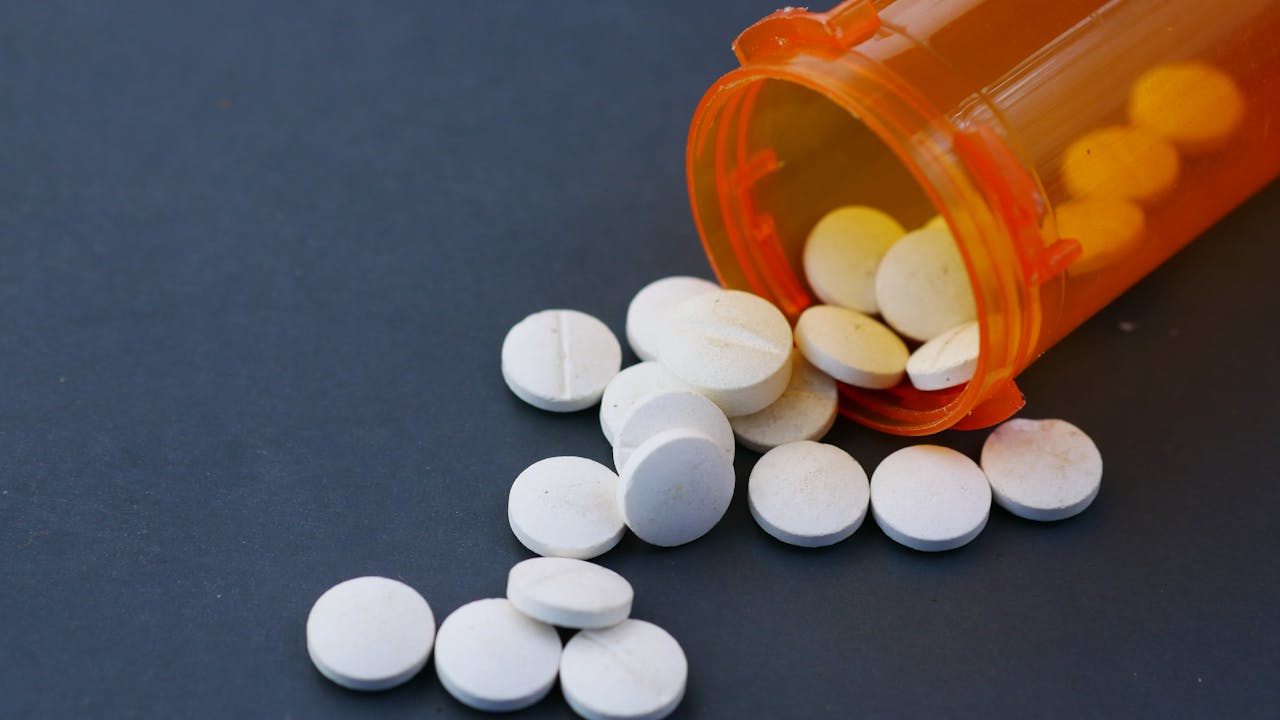
Naltrexone at 50 mg comes as a commercially manufactured tablet. There's nothing at 1.5, 3, or 4.5 mg. A compounding pharmacy takes the raw naltrexone powder (or 50 mg tablets) and prepares exactly the dose your prescription specifies, in capsule or liquid form.
One detail that matters more than most people realize: LDN capsules must be immediate-release, not slow-release. The mechanism depends on the brief opioid receptor blockade followed by rebound. Slow-release formulations blunt that effect. When you get a compounding pharmacy on the phone, specify "immediate release." Some pharmacies offer both formulations and won't always know which one you need.
Cost
This is where LDN wins over almost every other longevity compound. Once you have a prescription, the ongoing cost is low.
Most patients pay between $20 and $60 per month for compounded LDN. CareFirst Specialty Pharmacy offers 90 scored tablets at any strength between 0.5 and 4.5 mg for around $47. Some online compounding pharmacies come in as low as $20. Liquid formulations for microdosing are comparable or slightly higher. That's it. No brand markup. No marketing budget baked into the price. Just the compounding labor and the raw ingredient.
Insurance rarely covers LDN. It's off-label and compounded, so most plans exclude it. The good news is that it's cheap enough that out-of-pocket is manageable for most people.
Finding a compounding pharmacy
The LDN Research Trust maintains a worldwide pharmacy directory at ldnresearchtrust.org/ldn-pharmacists. Filter by country and state. When going through a telehealth platform, they'll typically handle the pharmacy referral for you. When going through your own doctor, you may need to find one yourself. Well-known options in the US include CareFirst Specialty Pharmacy, Healing Dose (hdrx.com), Town & Country Compounding, and Central Compounding Pharmacy.
What LDN is used for
The off-label use list is long and still growing. Here's where the evidence currently stands:
Autoimmune diseases have the most research behind them. Crohn's disease has shown over 70% remission rates in some studies, with colonoscopy-confirmed mucosal healing. Multiple sclerosis studies consistently show improved quality of life, reduced fatigue, and better spasticity control. Fibromyalgia is well-studied, with multiple trials showing 15-30% improvements in pain scores. Hashimoto's thyroiditis, rheumatoid arthritis, lupus, ulcerative colitis, and psoriasis all have patient populations and practitioners using LDN.
Long COVID and ME/CFS are emerging areas with strong patient-driven evidence. A 2024 study found LDN combined with NAD+ improved persistent fatigue significantly after COVID-19. A Finnish retrospective study of 218 ME/CFS patients found 73.9% reported positive response. LDN was also found to restore TRPM3 ion channel function in NK cells from long COVID patients, suggesting a direct mechanism rather than just symptomatic relief.
Chronic pain conditions including CRPS, interstitial cystitis, and neuropathic pain have active patient communities using LDN. The TLR4 mechanism makes theoretical sense for any condition involving neuroinflammation and central sensitization.
Cancer as adjuvant therapy is being explored, primarily through the work of researchers like Professor Angus Dalgleish at St George's in London. LDN blocks the opioid growth factor receptor (OGFr), which is associated with cancer cell proliferation. It also promotes NK cell activity and modulates IL-6. Preclinical data is promising. Human trials are in early stages. This isn't a cancer treatment, but it's an area worth following.
The biological age calculator on WinAging can give you a rough baseline on where your health metrics stand before you start any new protocol. Worth running before you begin LDN so you have something to compare against over time.
What to check before you start
LDN has a short but important list of contraindications.
Current opioid use is the hard stop. LDN blocks opioid receptors. If you're on opioids for pain management, opioid-containing medications, or tramadol, you cannot take LDN. The interaction causes immediate withdrawal symptoms. You need to be fully opioid-free for at least 7-10 days before starting.
G6PD deficiency is not commonly discussed in LDN circles, but it matters. G6PD (glucose-6-phosphate dehydrogenase) deficiency is common in people of African, Mediterranean, and Southeast Asian descent. It's not a contraindication for LDN specifically, but it's worth mentioning because it comes up when considering any compound that affects redox cycling. Ask your doctor.
Thyroid medication users should monitor their labs after starting LDN. The immune-modulating effect can reduce autoimmune thyroid antibodies in Hashimoto's patients, which sometimes allows a reduction in thyroid hormone replacement dose. If your levels were previously calibrated to your disease activity, LDN may change the equation.
Immunosuppressive drugs require a conversation with your prescriber. Organ transplant recipients shouldn't use LDN without specialist input, as it may interfere with immunosuppression. Other immunomodulating medications warrant careful discussion.
As for labs, most LDN-experienced practitioners don't order extensive bloodwork before starting, especially at doses under 4.5 mg. The liver safety concerns associated with the 50 mg dose are minimal at low doses. At most, a baseline metabolic panel and relevant condition-specific markers are useful. It's more about establishing a baseline than identifying risks.
The dosing protocol
LDN uses a slow titration approach. This is important because most of the side effects people experience, mostly vivid dreams and light sleep disruption, occur during the titration phase and resolve as the body adjusts.
Standard titration:
- Week 1: 1.5 mg at bedtime
- Week 2: 3 mg at bedtime
- Week 3 onward: 4.5 mg at bedtime
Take it at bedtime. The 4-6 hour receptor blockade should happen during sleep, when you're not relying on your endorphin system. Most practitioners recommend dosing between 9pm and midnight.
4.5 mg is the target for most people. But not everyone needs to go that high. Some patients find their sweet spot at 3 mg and actually lose benefit if they push to 4.5 mg. More is not always better with LDN. If you feel good at 3 mg, stay there.
Conservative titration for sensitive patients: For ME/CFS, long COVID, and anyone who reacts strongly to medications, start at 0.5 mg and increase by 0.5 mg every 5-7 days. Liquid formulations from compounding pharmacies allow this level of precision.
Vivid dreams are the most reported side effect during titration. They're benign and usually fade within a few weeks. If sleep disruption is significant, try 9pm dosing rather than later. Some patients switch to morning dosing. Both work, though bedtime has more evidence behind it.
LDN doesn't cause dependence. You can stop without a taper if needed, though most practitioners suggest a gradual reduction if you've been on it for years. Most people who stop simply notice that whatever condition it was helping returns.
What it actually costs
Here's the full cost picture by path:
Telehealth route:
- AgelessRx: $0 async review + $25/month medication
- LDN Doctor: $220 one-time consultation (6-month prescription) + $30-60/month medication
- Hone Health: $65 for labs + consultation fee + $30-60/month medication
Own doctor route:
- With insurance coverage for the visit: copay only + $20-60/month medication
- Out-of-pocket GP visit: $100-300 + $20-60/month medication
Once you have a prescription, the ongoing cost settles between $20 and $60 per month depending on your compounding pharmacy. That makes LDN one of the cheapest prescription interventions in the longevity space. More affordable than most supplements people are already taking, and with a stronger evidence base than many of them.
The biggest cost is actually the initial consultation if you go the telehealth route. After that, it's just the monthly medication.
Getting LDN outside the US
United Kingdom: NHS GPs can technically prescribe LDN as an unlicensed medicine, but most refuse due to unfamiliarity. Your most reliable path is a private clinic. Harpal Clinic in London and similar functional medicine practices prescribe it. Once you have a private prescription, Dicksons Chemist in Scotland is one of the most well-known UK compounding pharmacies for LDN. The LDN Research Trust, which is UK-based, has detailed guidance for UK residents at their website.
Canada: Prescription required, off-label prescribing is legal, and some functional medicine and naturopathic doctors prescribe it. Access is harder than the US. The LDN Research Trust prescriber directory includes Canadian providers.
Australia: Naltrexone is a Schedule 4 prescription medication. Your GP or specialist can prescribe it, but it's not on the PBS so you'll pay full cost. Compounding pharmacies including National Custom Compounding and My Compounding can prepare it with a valid prescription.
General rule for international access: Start with the LDN Research Trust's prescriber and telemed directory. It covers dozens of countries and is the most comprehensive global resource.
Patient communities and resources
The LDN community is unusually active and helpful. Part of that is because accessing LDN requires navigating a system that doesn't always cooperate, so people share what works.
LDN Research Trust Facebook Group has approximately 42,000 members. It's the largest LDN patient community. You'll find real-world dosing experiences, compounding pharmacy recommendations, doctor referrals, and a lot of people who've been where you are.
r/LowDoseNaltrexone on Reddit is active with dosing anecdotes, pharmacy comparisons, and condition-specific threads. Less moderated than the Facebook group, which means more candid discussion.
Health Rising Forums at healthrising.org is the best resource specifically for ME/CFS and long COVID patients using LDN. Deep, experienced discussion.
LDN Research Trust (ldnresearchtrust.org) is the main resource for everything: prescriber directory, pharmacy directory, telemed directory, and condition-specific evidence summaries for over 30 conditions. They've helped over 100,000 people access LDN. It's where to start if you want structured information rather than community anecdotes.
LDNscience (ldnscience.org) is a complementary science-focused resource with its own doctor finder and patient stories.
And if you're building a broader longevity protocol, WinAging's supplement interaction checker helps you make sure LDN works with whatever else you're taking. It's free and takes about two minutes.
Frequently asked questions
Can I get low dose naltrexone without seeing a doctor?
No. LDN requires a prescription in the US, UK, Canada, and Australia. But "seeing a doctor" now includes telehealth consultations, which can happen in under 30 minutes and from your home. Platforms like AgelessRx have async processes where you don't even need a live video call.
How long does it take to get LDN after requesting it?
Through a telehealth platform like AgelessRx, some patients receive their first shipment within 5-7 days of the initial intake. LDN Doctor or LDN Direct can complete a consultation the same week you reach out. Through your own doctor, it depends on appointment availability and how quickly they send the prescription to a compounding pharmacy.
Does insurance cover low dose naltrexone?
Rarely. LDN is off-label and compounded, and most insurance plans exclude compounded medications without prior authorization. The out-of-pocket cost is low enough that most patients pay cash, typically $20-60 per month.
What's the difference between LDN and regular naltrexone?
Regular naltrexone at 50 mg persistently blocks opioid receptors for 24+ hours. It's used for opioid and alcohol use disorder. LDN at 1.5-4.5 mg creates a brief 4-6 hour blockade, which triggers an endorphin rebound and TLR4-mediated anti-inflammatory effect. The dose difference isn't cosmetic. It changes the entire mechanism.
Can I take LDN while on antidepressants?
LDN has been used alongside antidepressants by many patients without issue. The key contraindication is with opioids, not SSRIs or SNRIs. That said, LDN has mild MAO-A inhibitory activity at the low end. Discuss your full medication list with the prescribing physician. It's a conversation worth having, not a reason to avoid LDN.
How long before LDN starts working?
Varies significantly by condition and individual. Some patients notice changes within 4-6 weeks. Others take 3-6 months to see the full effect, particularly for autoimmune conditions. The standard recommendation is to commit to a 3-month trial before evaluating results. Titration takes 2-3 weeks, and the therapeutic window takes time to establish.
Is the vivid dream side effect permanent?
No. The vivid dreams and sleep disruption that some people experience during titration typically resolve within 2-6 weeks as the body adapts. If they persist, trying an earlier dosing time (9pm rather than midnight) often helps.
Can I source naltrexone and make my own LDN?
This is done in some patient communities, but it's not recommended and introduces unnecessary risk. Raw pharmaceutical-grade naltrexone isn't freely available, compounding accuracy matters for a drug this dose-sensitive, and working with a prescriber gives you someone to contact if problems arise. The legitimate telehealth routes are inexpensive enough that DIY is not worth it.
Need help building your stack? The WinAging protocol builder designs a personalized longevity plan based on 30+ data points about your health and goals.
Related guides
- What to avoid when taking low dose naltrexone
- Symptoms of too much low dose naltrexone
- Supplement interaction checker
- Biological age calculator
Sources
- LDN Research Trust - ldnresearchtrust.org
- Therapeutic Uses and Efficacy of LDN: A Scoping Review - PMC
- LDN for Fibromyalgia: Systematic Review - PMC
The barrier to getting LDN isn't the medicine itself. It's finding the right path to a prescriber who knows what they're doing. Telehealth has made that significantly easier. The LDN Research Trust has made it even easier for international access. The compounding pharmacies are there.
If your own doctor said no, that's one data point, not the final answer. Use the resources in this guide and try again through a different path. The combination of a strong evidence base, low cost, and favorable safety profile means LDN is worth the effort to access properly.
Check your full supplement stack with the WinAging interaction checker before you start, and use the biological age calculator to track whether it's moving the needle on your health markers over time.